

Have you ever wondered how long you can keep driving with a dirty fuel filter before it starts causing serious problems? You might think it’s no big deal, but ignoring this small part can lead to bigger, costlier issues down the road.
Your car’s performance, fuel efficiency, and even engine life depend on a clean fuel filter. Keep reading to find out why a dirty fuel filter matters, how long you can safely drive with one, and what signs you shouldn’t ignore.
This knowledge could save you time, money, and a lot of frustration.

Credit: www.youtube.com
Signs Of A Dirty Fuel Filter
Driving with a dirty fuel filter can cause several problems for your car. The fuel filter cleans the fuel before it reaches the engine. When it gets clogged, the engine does not get enough clean fuel. This can lead to serious risks that affect your car’s performance and safety.
Damage To Fuel Pump
A dirty fuel filter forces the fuel pump to work harder. It struggles to push fuel through the clogged filter. This extra strain can cause the pump to overheat and fail early. Repairing or replacing a fuel pump is often costly.
Poor Fuel Efficiency
Fuel flow reduces when the filter is dirty. The engine burns more fuel to keep running. This leads to lower miles per gallon. You spend more money on gas and get fewer miles.
Increased Emissions
A clogged fuel filter causes incomplete fuel burning. This raises harmful emissions from your car. It can lead to failed emission tests. Your car becomes less eco-friendly and pollutes more.

Credit: www.autonationmobileservice.com
Risks Of Driving With A Dirty Fuel Filter
Wondering how long you can keep driving with a dirty fuel filter? This is a common question for many drivers. A dirty fuel filter blocks dirt and debris from reaching the engine. But over time, it can get clogged and reduce fuel flow. This affects your car’s performance and can cause damage.
The time you can drive with a dirty fuel filter varies. It depends on several factors related to your vehicle and driving habits. Understanding these factors helps you avoid serious problems and know when to replace the filter.
Factors Affecting Duration
The quality of fuel plays a big role. Poor fuel can clog the filter faster. How often you drive matters too. Short trips don’t let the engine warm up fully, causing more buildup. The age and make of your car also affect how long the filter lasts. Older cars may need filter changes sooner. Lastly, the type of fuel filter impacts its lifespan. Some filters last longer than others.
Potential Consequences Over Time
Driving too long with a dirty fuel filter can cause engine problems. Reduced fuel flow leads to poor acceleration and rough idling. Your car may stall or have trouble starting. The engine can run hotter and suffer damage. Fuel pump strain increases, which may cause pump failure. Ignoring the filter also lowers fuel efficiency, costing more money on gas.
How Long Can You Drive With A Dirty Fuel Filter?
Proper fuel filter maintenance keeps your engine running smoothly. It stops dirt and debris from reaching the fuel injectors. Clean fuel filters help save fuel and reduce engine wear. Regular checks prevent costly repairs and breakdowns. Understanding how to care for your fuel filter is key to vehicle health.
Recommended Replacement Intervals
Most car makers suggest changing the fuel filter every 20,000 to 40,000 miles. Some newer models have filters that last longer. Check your owner’s manual for exact guidance. Following these intervals keeps fuel flow steady. It also protects the engine from damage caused by clogged filters.
Signs It’s Time To Replace
Look out for rough engine idling or trouble starting your car. Sudden drops in fuel efficiency can signal a dirty filter. You might hear sputtering noises while driving. A weak acceleration or stalling engine also indicates filter problems. These signs mean the fuel filter needs immediate attention.
Diy Vs Professional Service
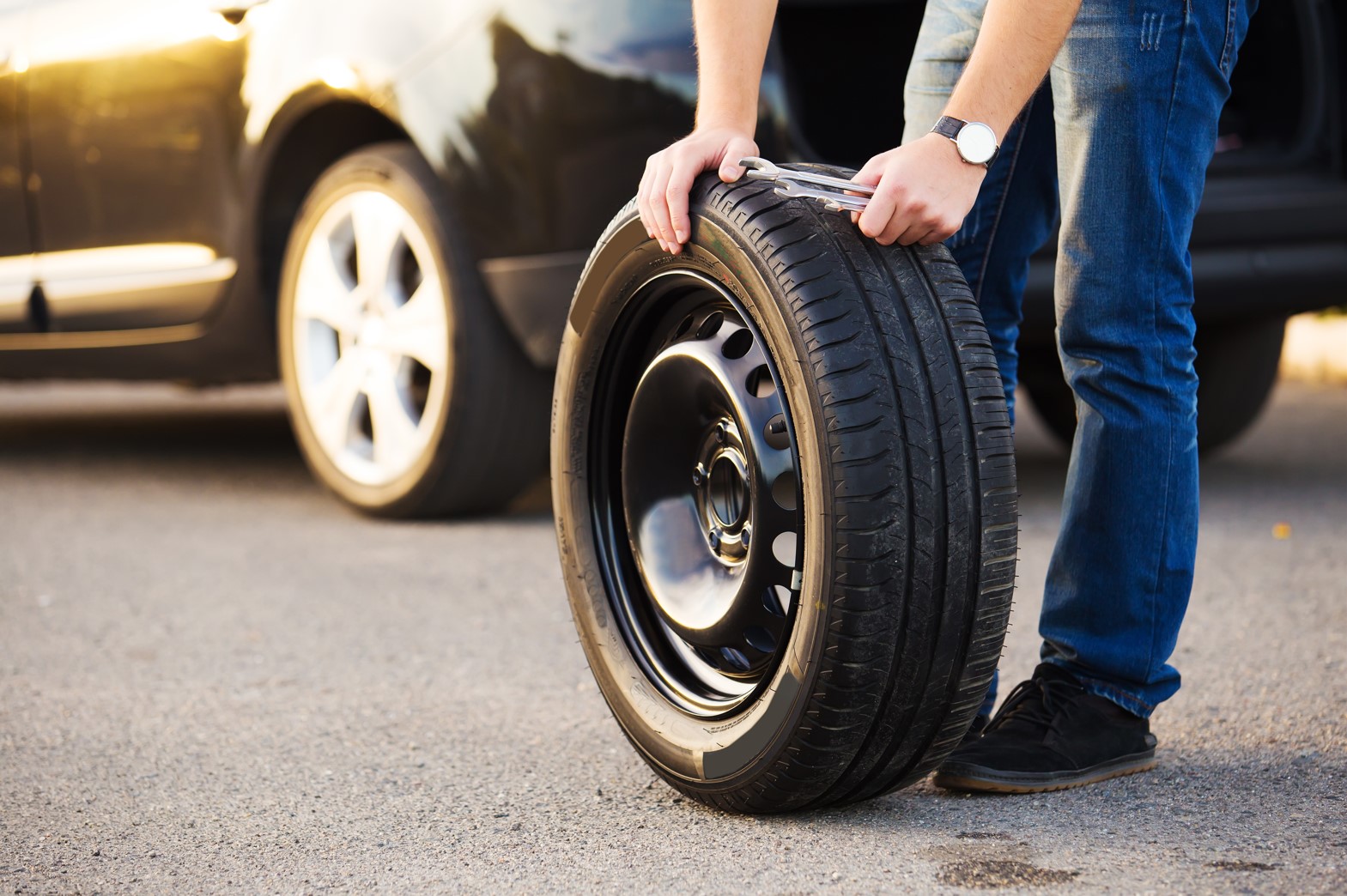
Changing a fuel filter yourself saves money but requires care. You need the right tools and some car knowledge. Incorrect installation can cause leaks or engine issues. Professional mechanics have experience and proper equipment. They ensure the filter fits well and works correctly. Choose the option that fits your skills and budget.
Credit: www.cbac.com
Frequently Asked Questions
How Long Can A Dirty Fuel Filter Last?
A dirty fuel filter can last a few hundred miles but may cause engine issues. Replace it within 20,000 to 30,000 miles to avoid performance problems and maintain fuel efficiency.
What Happens If I Drive With A Clogged Fuel Filter?
Driving with a clogged fuel filter reduces engine power, causes stalling, and increases fuel consumption. It can damage the fuel pump and injectors, leading to costly repairs if not replaced promptly.
How Do I Know If My Fuel Filter Is Dirty?
Signs include engine misfires, poor acceleration, difficulty starting, and reduced fuel efficiency. If your vehicle struggles during acceleration or stalls often, it’s likely time to check or replace the fuel filter.
Can A Dirty Fuel Filter Cause My Car To Stall?
Yes, a dirty fuel filter restricts fuel flow, causing the engine to stall or hesitate. Replacing the filter restores proper fuel delivery and smooth engine performance.
Conclusion
Driving with a dirty fuel filter can harm your car’s engine. It blocks fuel flow and lowers performance. Waiting too long risks costly repairs and breakdowns. Change the fuel filter as soon as you notice issues. Regular checks keep your car running smoothly and save money.
A clean fuel filter helps your vehicle last longer. Don’t ignore warning signs like rough idling or poor acceleration. Taking care of this small part protects your car’s health. Simple maintenance goes a long way in avoiding big problems.


