
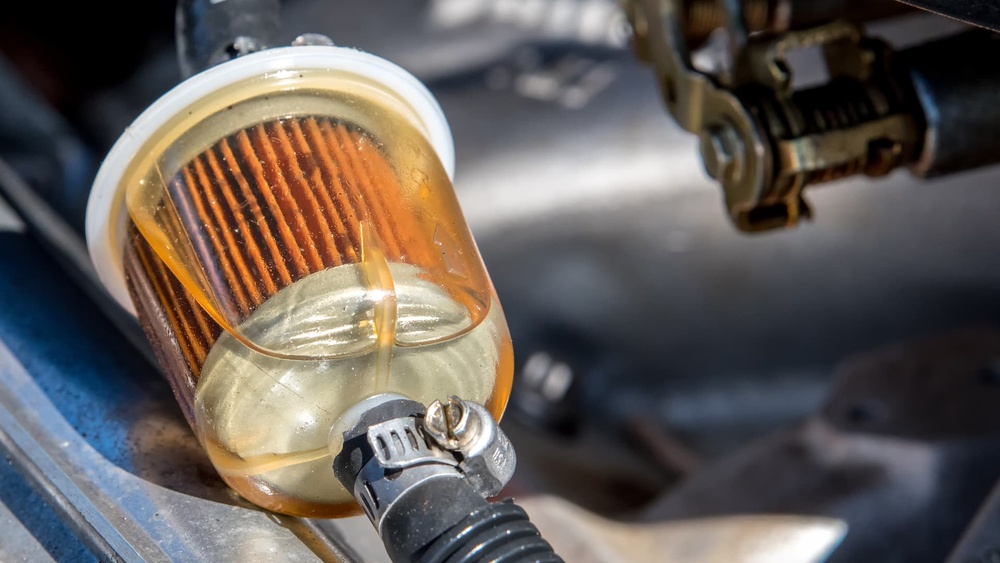
Have you noticed your car acting sluggish or struggling to start? These could be signs that your fuel filter is clogged.
Knowing how to spot this problem early can save you from costly repairs and keep your engine running smoothly. You’ll learn the simple ways to tell if your fuel filter needs attention. Keep reading—you’ll discover easy tips that anyone can follow to protect your vehicle and avoid unexpected breakdowns.

Credit: www.youtube.com
Fuel Filter Role
The fuel filter plays a key role in your vehicle’s engine health. It cleans fuel before it reaches the engine. Dirt, rust, and other particles get trapped by the filter. This keeps the fuel system clean and running smoothly.
A clogged fuel filter can cause poor engine performance. It can lead to stalling, rough idling, or trouble starting. Knowing the fuel filter’s role helps you spot problems early.
Purpose In Fuel System
The fuel filter stops dirt and debris from entering the engine. These particles can damage engine parts and reduce performance. The filter protects the fuel injectors and carburetor. Clean fuel means better combustion and less engine wear.
It also helps maintain fuel flow. A blocked filter slows down fuel delivery. This causes the engine to run unevenly or lose power. Regular filter checks keep the fuel system healthy and efficient.
Common Fuel Filter Types
There are several types of fuel filters. The most common ones include cartridge, spin-on, and inline filters. Cartridge filters sit inside a housing and are replaced periodically. Spin-on filters look like oil filters and twist on the fuel line.
Inline filters are small and placed directly on the fuel line. Each type serves the same purpose: to trap contaminants. Knowing your vehicle’s filter type helps with proper maintenance and replacement.
Symptoms Of A Clogged Filter
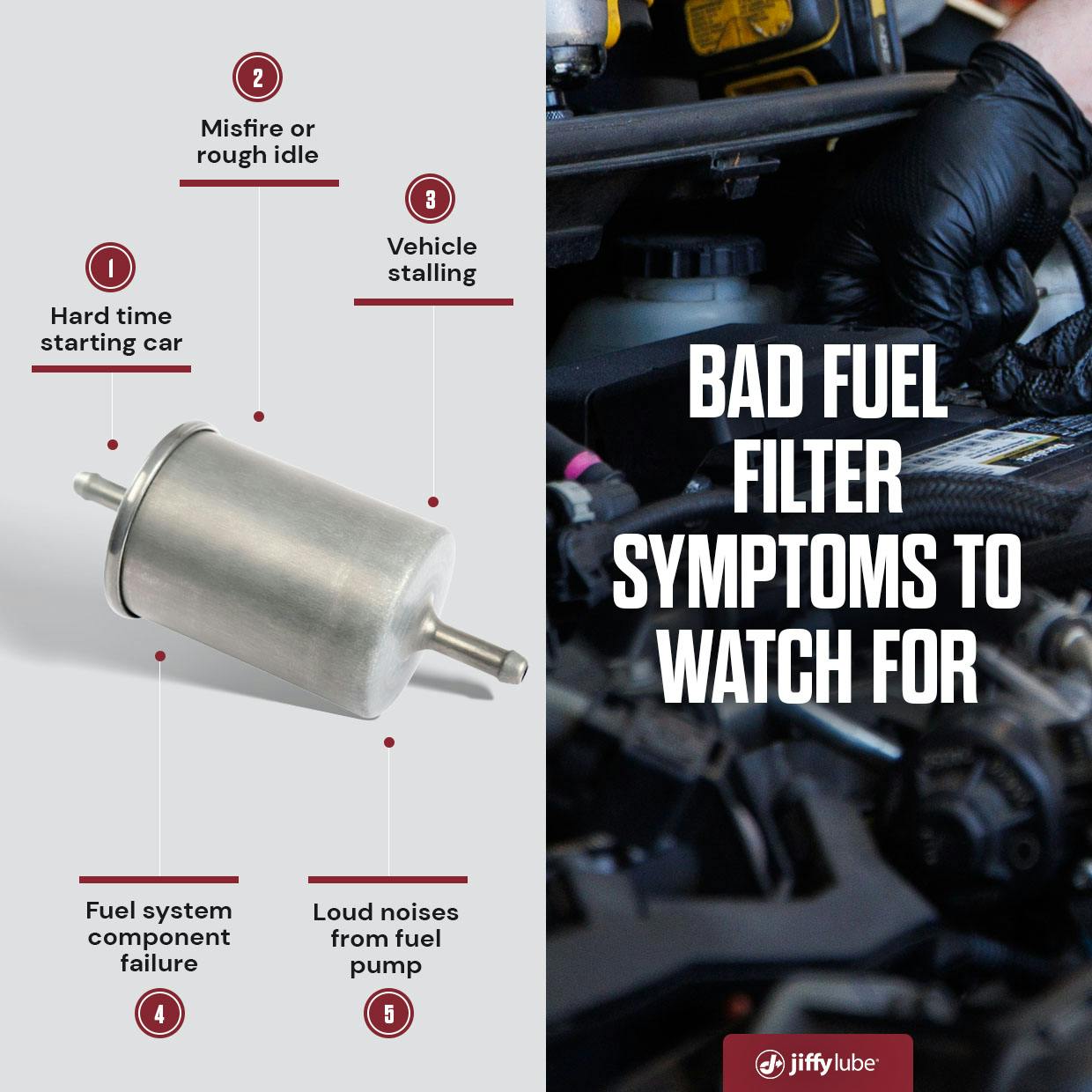
A clogged fuel filter can cause several problems in your vehicle. The fuel filter stops dirt and debris from reaching the engine. When it gets blocked, the engine struggles to get enough clean fuel. This can cause different symptoms that affect your car’s performance and reliability.
Engine Performance Issues
The engine may lose power or hesitate while driving. You might notice a rough idle or stalling. The car could jerk during acceleration. These signs show the engine is not getting enough fuel.
Starting Difficulties
It can take longer to start the car. The engine might crank but fail to start right away. Sometimes, the vehicle won’t start at all. This happens because fuel flow is restricted by the clogged filter.
Reduced Fuel Efficiency
Your car may use more fuel than usual. Poor fuel flow makes the engine work harder. This lowers mileage and increases fuel costs. Paying attention to fuel use can help catch filter problems early.
Unusual Engine Noises
The engine may make sputtering or knocking sounds. Strange noises can come from fuel starvation. These sounds warn you that the filter might be blocked. Listening closely can help detect issues before they worsen.
Visual And Physical Checks
Visual and physical checks help find a clogged fuel filter fast. These checks show signs that fuel flow may be blocked. They also give clues about the filter’s condition. Simple inspection steps can reveal many common problems. These steps do not need special tools. Anyone can do them with basic knowledge and care.
Inspecting The Fuel Filter
Look at the fuel filter closely. Check for dirt or dark spots on its surface. A filter covered with grime might be clogged inside. See if the filter looks swollen or damaged. Any cracks or rust can mean trouble. A clean filter should look clear or slightly yellow.
Checking Fuel Lines
Follow the fuel lines connected to the filter. Check for cracks, leaks, or bends that block fuel flow. Feel the lines for any soft or hard spots. Hard areas could mean clogging or buildup inside. Leaking fuel lines may reduce pressure and cause poor engine work.
Fuel Pressure Testing
Test fuel pressure with a gauge on the fuel rail or line. Low pressure often means the fuel filter is clogged. Compare the reading to the vehicle’s manual specs. Pressure below the normal range signals a problem. This test gives clear proof of fuel flow issues.

Credit: oilchangers.com
Risks Of Ignoring A Clogged Filter
A clogged fuel filter can cause serious problems in your vehicle. Ignoring it puts your engine and wallet at risk. Knowing these risks helps you act quickly and avoid bigger issues.
Engine Damage
A clogged filter stops fuel from reaching the engine properly. This can cause the engine to run rough or stall. Over time, fuel starvation damages engine parts. Repairing this damage costs time and money.
Increased Emissions
Dirty fuel filters affect how the engine burns fuel. Poor combustion leads to more harmful gases released into the air. This pollutes the environment and may cause your car to fail emissions tests.
Costly Repairs
Ignoring a clogged filter can cause other parts to fail. Fuel pumps and injectors work harder and wear out faster. Repairing or replacing these parts can be very expensive. Regular filter checks save money in the long run.
Preventive Maintenance Tips
Keeping your fuel filter clean helps your engine run smoothly. Clogged filters reduce fuel flow and harm engine parts. Taking simple steps can prevent filter problems and save money. Follow these tips to keep your fuel filter in good shape.
Regular Replacement Schedule
Change the fuel filter at the intervals suggested in your car manual. Old filters collect dirt and block fuel flow. Replacing on time avoids engine trouble and keeps your car reliable. Set a reminder to check the filter regularly.
Using Quality Fuel
Choose fuel from trusted stations to avoid dirt and water in the tank. Poor quality fuel can clog the filter faster. Clean fuel protects the entire fuel system. Always fill up at clean, well-maintained pumps.
Professional Inspections
Have a mechanic inspect your fuel filter during routine service. Experts spot early signs of clogging or damage. They can replace the filter before it causes engine problems. Regular checkups extend your car’s life and improve performance.
Credit: www.jiffylube.com
Frequently Asked Questions
How Can I Tell If My Fuel Filter Is Clogged?
A clogged fuel filter causes engine hesitation, reduced power, and stalling. Check for rough idling or difficulty starting. These signs suggest fuel flow issues, often due to a blocked filter needing replacement.
What Happens If A Fuel Filter Is Dirty?
A dirty fuel filter restricts fuel flow, leading to poor engine performance. It can cause misfires, reduced acceleration, and increased fuel consumption. Timely replacement prevents damage to fuel injectors and maintains engine health.
How Often Should I Replace The Fuel Filter?
Most manufacturers recommend changing the fuel filter every 20,000 to 40,000 miles. However, check your vehicle’s manual for exact intervals. Regular replacement ensures clean fuel delivery and optimal engine performance.
Can A Clogged Fuel Filter Cause Engine Stalling?
Yes, a clogged fuel filter can cause engine stalling. Restricted fuel flow interrupts combustion, causing the engine to shut off suddenly, especially at low speeds or idle.
Conclusion
A clogged fuel filter can cause many car problems. Watch for poor engine performance and slow starts. Strange noises or stalls may also appear. Regular checks help keep your car running well. Replace the filter as soon as you notice issues.
Clean fuel means a healthy engine and longer life. Don’t ignore signs of a clogged filter. Stay safe and save money by acting early. Your car will thank you with smooth rides. Simple steps can prevent big troubles later.

