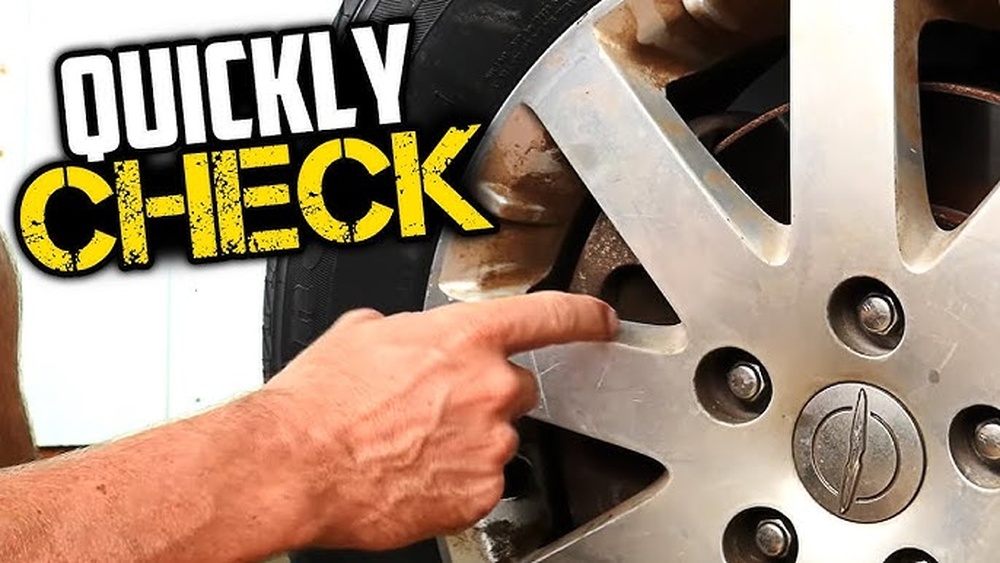
Have you ever wondered how long you can keep driving with bad brakes and worn-out rotors? It’s a question that matters more than you might think.
Your brakes are the most important part of your car when it comes to safety, and ignoring their condition puts you, your passengers, and everyone on the road at risk. You’ll discover the real dangers of driving with faulty brakes and rotors, how long you might actually get away with it, and when it becomes too risky to continue.
Keep reading—your safety depends on knowing this.
Signs Of Brake And Rotor Damage
Brake and rotor damage often shows clear signs. Noticing these signs early helps prevent accidents and costly repairs. Knowing what to watch for can save your vehicle and your life. Stay alert to unusual sounds, feelings, and smells while driving.
Common Symptoms
Squeaking or grinding noises during braking signal worn brake pads or rotors. Vibrations or shaking in the steering wheel or brake pedal usually mean warped rotors. A longer stopping distance is a major sign your brakes are weak. Soft or spongy brake pedal feel can indicate air in the brake lines or fluid leaks. Burning smells after driving may come from overheated brakes. Uneven brake pad wear often points to rotor problems or stuck calipers.
When To Seek Immediate Help
Sudden brake failure or very soft brake pedal needs urgent attention. If the car pulls to one side while braking, stop driving. Loud grinding sounds mean metal is rubbing on metal—stop immediately. Brake warning lights on the dashboard should never be ignored. Any signs of smoke or burning smells require immediate inspection. Acting fast prevents accidents and costly damage.
Risks Of Driving With Faulty Brakes
Driving with faulty brakes is very dangerous. Brakes keep you safe by stopping your car on time. If brakes or rotors are bad, you lose control over stopping. This can cause serious problems on the road.
Understanding the risks helps you make smart decisions. It protects you, your passengers, and others around you.
Reduced Stopping Power
Bad brakes reduce how fast your car can stop. You may need more space to slow down or stop. This delay can be very risky in traffic or emergencies. Your car might skid or slide on wet roads. Stopping late can cause crashes and injuries.
Increased Accident Risk
Faulty brakes raise the chance of accidents greatly. You may not stop at red lights or stop signs. Sudden stops become harder and unsafe. Other drivers expect you to stop on time. If you don’t, collisions can happen easily. This puts everyone’s life in danger.
Consequences Of Worn Rotors
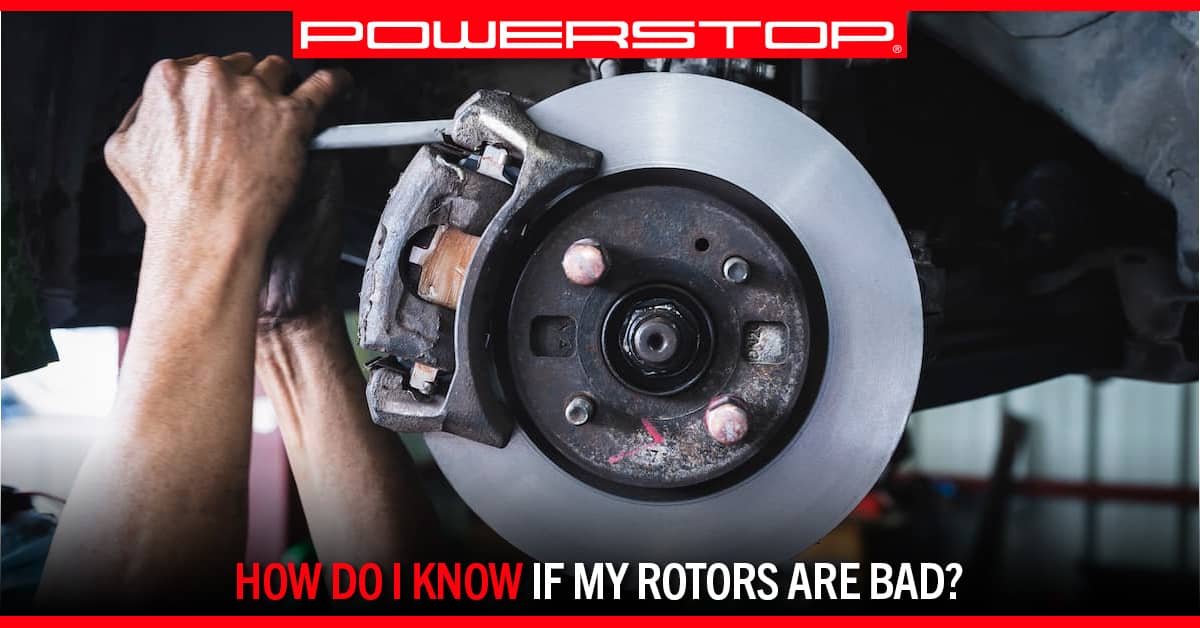
Worn rotors cause serious problems for your car’s braking system. Rotors are metal discs that your brake pads press against to stop the car. Over time, these discs wear down or get damaged. Driving with worn rotors lowers your safety and car performance. It also leads to costly repairs later.
Brake Fade And Vibration
Worn rotors make brakes less effective. They heat up faster and lose stopping power. This is called brake fade. You may feel the brake pedal getting soft or less responsive.
Vibration is another sign of bad rotors. The brake pedal or steering wheel may shake when braking. This happens because the rotor surface is uneven or warped. It makes driving uncomfortable and unsafe.
Long-term Vehicle Damage
Ignoring worn rotors can harm other parts of your car. Brake pads wear out faster and unevenly. The brake caliper, which holds the pads, can also get damaged.
Worn rotors strain the suspension and wheel bearings. This causes more expensive repairs in the future. Fixing rotors early saves money and keeps your car safe.
Credit: www.powerstop.com
How Long Can You Safely Drive?
Driving with bad brakes and rotors is risky. The question is, how long can you safely drive before the brakes fail? This depends on many things. You must know the risks and signs. Safety comes first on the road.
Factors Affecting Brake Longevity
Brake lifespan depends on how bad the damage is. Light wear may allow short trips. Severe damage means stopping power drops fast. Driving style matters too. Hard braking wears brakes quicker. Road conditions also play a role. Hilly or stop-and-go traffic causes faster wear. The type of brake pads and rotors affects durability. Some materials last longer than others. Regular maintenance can extend brake life slightly. But once you hear grinding or feel vibration, brakes need immediate attention.
Emergency Driving Tips
When brakes feel weak, slow down early. Keep a bigger distance from cars ahead. Avoid sudden stops or sharp turns. Use engine braking by shifting to a lower gear. This helps slow the car without brakes. Do not drive fast. Stay calm and alert. If possible, pull over to a safe spot quickly. Use your hazard lights to warn other drivers. Call for help or a tow service. Never ignore warning signs of brake failure.
Repair And Replacement Options
Repairing or replacing bad brakes and rotors is crucial for safe driving. Understanding the options helps you decide what works best for your car. Timely action can save money and prevent accidents. Below are key points about brake pad and rotor replacement, along with costs and time estimates.
Brake Pad Vs Rotor Replacement
Brake pads wear out faster than rotors. Pads are thin pieces that press against rotors to stop the car. When pads get too thin, they need replacement. Rotors can last longer but may warp or get damaged.
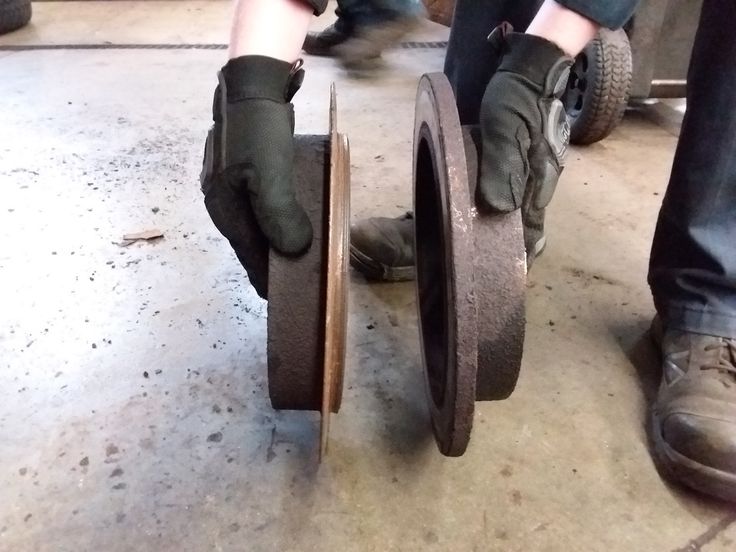
Replacing brake pads alone is cheaper and quicker. If rotors are warped or deeply scored, they also need replacing. Sometimes rotors can be resurfaced instead of replaced. This depends on their thickness and damage.
Cost And Time Estimates
Brake pad replacement usually costs between $100 and $250 per axle. It takes about 1 to 2 hours for a mechanic to finish the job. Rotor replacement costs more, around $200 to $400 per axle. This process takes about 2 to 3 hours.
Resurfacing rotors costs less than full replacement but is not always possible. Costs vary by car make and location. Choosing timely repairs helps avoid bigger expenses later.
Credit: carfromjapan.com
Preventive Maintenance Tips
Preventive maintenance helps keep your brakes and rotors in good shape. It reduces the risk of sudden brake failure. Regular care saves money and ensures safe driving. Small steps make a big difference in brake health.
Regular Inspections
Check your brakes at least twice a year. Look for signs like squeaking, grinding, or vibration. Inspect brake pads and rotors for wear or damage. Have a mechanic examine brake fluid levels and brake lines. Early detection stops minor problems from getting worse.
Driving Habits That Protect Brakes
Avoid sudden stops and hard braking. Slow down gradually to reduce brake wear. Use engine braking by downshifting on hills. Keep a safe distance from other cars. This gives more time to stop gently and saves your brakes.

Credit: www.reddit.com
Frequently Asked Questions
How Long Can You Safely Drive With Bad Brakes?
You should avoid driving with bad brakes. Driving is unsafe and damages the braking system further. Get repairs immediately.
What Are The Risks Of Driving On Worn Rotors?
Worn rotors reduce braking efficiency and increase stopping distance. They can cause vibrations and brake failure, risking accidents.
Can Bad Brakes Damage Other Car Parts?
Yes, bad brakes can damage calipers, brake lines, and tires. This increases repair costs and safety hazards significantly.
How To Know If Rotors Need Replacement?
Look for vibrations, squealing noises, and reduced brake response. These signs often indicate worn or warped rotors needing replacement.
Conclusion
Driving with bad brakes and rotors is very risky. Stopping distance grows longer. You might lose control in emergencies. Repair costs rise the longer you wait. Your safety and others’ depend on good brakes. Get them checked and fixed soon.
Don’t ignore warning signs like squeaking or vibration. Safe driving means timely brake care. Stay alert and protect your life on the road.