

Have you ever wondered how long your car’s radiator can keep working smoothly? Your radiator plays a crucial role in keeping your engine cool and preventing costly breakdowns.
But just like any part, it won’t last forever. Knowing how long a radiator typically lasts can help you avoid unexpected problems and save money on repairs. You’ll discover the lifespan of a car radiator, signs it might be failing, and simple tips to extend its life.
Keep reading to protect your car and keep it running at its best.
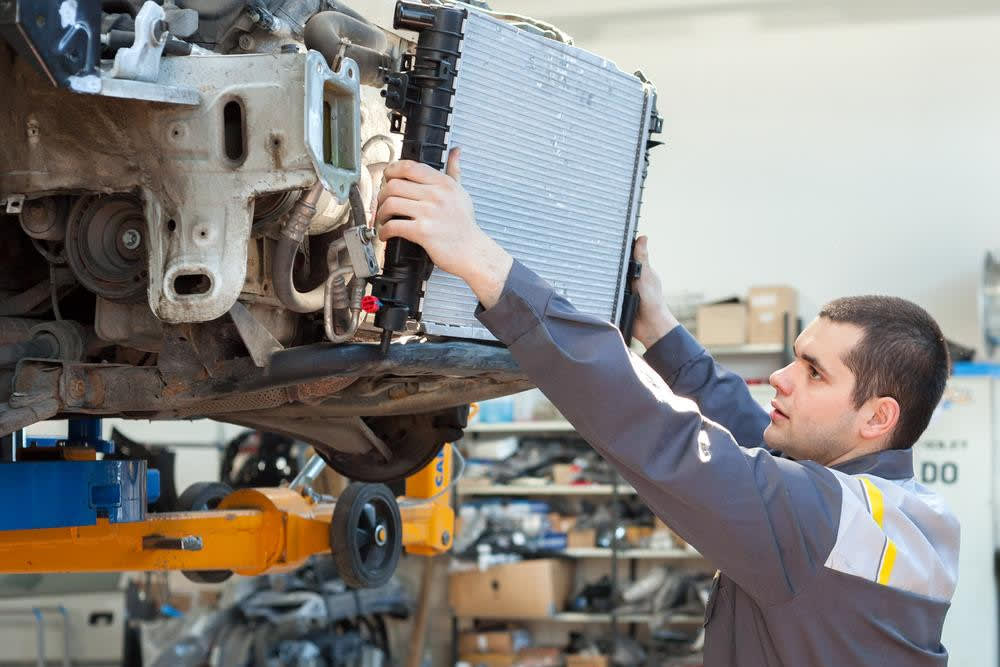
Credit: www.yourmechanic.com
Radiator Lifespan Factors
The lifespan of a car radiator depends on several key factors. These factors affect how long it can work well. Knowing them helps you keep your car safe and avoid costly repairs.
Each element plays a big role in the radiator’s health and durability. Let’s explore the main factors that influence how long a radiator lasts.
Material And Build Quality
Radiators come in different materials like aluminum and copper. Aluminum radiators are lighter and resist corrosion better. Copper radiators cool well but may corrode faster. The quality of the build also matters. A well-made radiator lasts longer and handles heat better. Cheap materials can wear out quickly and cause leaks.
Driving Conditions Impact
Driving in hot weather puts extra stress on the radiator. Stop-and-go traffic heats the engine more than steady driving. Dusty or dirty roads can clog the radiator fins. Rough roads can cause physical damage. Cold weather can also cause cracks if the coolant freezes. Harsh driving conditions reduce the radiator’s lifespan.
Maintenance Role
Regular maintenance keeps the radiator working well. Flushing the coolant removes rust and dirt inside. Checking for leaks helps catch problems early. Changing coolant at the right time prevents corrosion. Cleaning the radiator fins helps airflow and cooling. Skipping maintenance causes faster wear and damage.
Signs Of Radiator Wear
Radiators play a key role in keeping your car cool. Over time, they can wear out. Recognizing the signs of radiator wear helps avoid costly repairs. Watch for these common symptoms that show your radiator might need attention.
Visible Leaks And Corrosion
Look under your car for puddles of coolant. Bright green, orange, or pink liquid spots mean leaks. Corrosion appears as rust or white powder on the radiator’s surface. These signs show the radiator is failing and losing coolant.
Overheating Issues
Your car’s temperature gauge rising quickly means trouble. The engine gets too hot if the radiator can’t cool it properly. Overheating can damage the engine, so act fast if you see this sign. A worn radiator often causes these heat problems.
Coolant Discoloration
Check the coolant color in the radiator or reservoir. It should be bright and clear. Dark, rusty, or muddy coolant means dirt and corrosion inside the system. Discolored coolant reduces the radiator’s efficiency and signals wear.
Extending Radiator Life
Extending the life of your car’s radiator helps avoid costly repairs. Simple care steps keep the radiator working well for years. Regular attention protects the engine from overheating and damage.
Regular Coolant Flushes
Coolant flushes remove dirt and rust from inside the radiator. Old coolant loses its ability to cool the engine. Flushing the system every 30,000 miles keeps the coolant fresh. This helps prevent clogs and corrosion in the radiator.
Inspecting For Damage
Check the radiator regularly for leaks, cracks, or dents. Damage reduces the radiator’s ability to cool the engine. Small leaks can turn into big problems fast. Look under the car and around the radiator for wet spots or stains.
Proper Coolant Levels
Keep the coolant level within the recommended range. Low coolant causes the engine to overheat quickly. Too much coolant can cause pressure build-up and leaks. Check the coolant reservoir when the engine is cold.
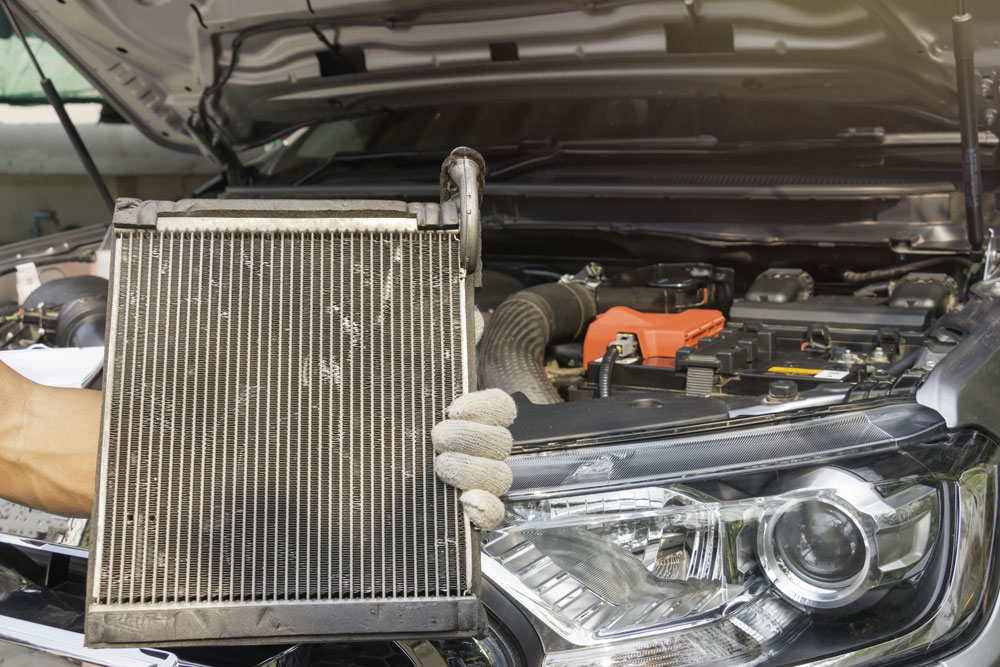
Credit: www.hdaccondenser.com
When To Replace Your Radiator
Knowing when to replace your car’s radiator is important for your vehicle’s health. A radiator that works well keeps your engine cool and prevents overheating. Over time, radiators wear out or get damaged. Replacing the radiator at the right time avoids bigger car problems and saves money on repairs.
Cost Vs. Repair Benefits
Replacing a radiator costs less than fixing engine damage caused by overheating. A new radiator improves your car’s cooling system and stops leaks. Repairing an old, broken radiator often costs more and lasts shorter. Spending money on replacement can save future repair bills.
Professional Inspection Tips
Have a mechanic check your radiator regularly. They look for leaks, corrosion, and blockages. Mechanics test the coolant flow and pressure inside the radiator. Early detection of problems helps decide if replacement is needed. Trust their advice to keep your car safe.
Common Replacement Triggers
Leaks or cracks in the radiator mean it’s time to replace it. Rust and corrosion damage the radiator walls and reduce cooling. Overheating engine warnings often signal radiator failure. Frequent coolant loss without visible leaks also indicates a problem. Watch for these signs to avoid engine damage.
Radiator Types And Their Durability
Radiators play a crucial role in keeping car engines cool. Different types of radiators offer various levels of durability. Knowing these types helps in understanding how long a radiator might last. Each type has unique materials and construction, affecting its lifespan and performance.
Aluminum Radiators
Aluminum radiators are lightweight and resist corrosion well. They cool engines efficiently, making them popular in modern cars. Their durability often ranges from 8 to 10 years. These radiators can handle heat better than many others. They are less prone to rust, which extends their life.
Copper-brass Radiators
Copper-brass radiators are heavier but very strong. They cool engines effectively due to copper’s high heat transfer. These radiators can last 10 to 15 years with proper care. They may corrode over time if not maintained. Repairing them is easier compared to other types.
Plastic Tank Radiators
Plastic tank radiators are common in many cars today. They combine metal cores with plastic end tanks to reduce weight and cost. Their lifespan is usually shorter, around 5 to 7 years. Plastic tanks can crack or leak under heat stress. Regular checks help avoid sudden failures.

Credit: www.youtube.com
Frequently Asked Questions
How Long Does A Car Radiator Typically Last?
A car radiator usually lasts between 8 to 10 years. Proper maintenance can extend its lifespan. Factors like driving conditions and coolant quality affect its durability.
What Factors Shorten A Radiator’s Lifespan?
Corrosion, leaks, poor coolant quality, and extreme temperatures reduce radiator life. Neglecting regular maintenance also causes early radiator failure.
How Can I Tell If My Radiator Is Failing?
Signs include coolant leaks, engine overheating, and low coolant levels. Also watch for rust or discoloration around the radiator and hoses.
Does Regular Coolant Change Affect Radiator Life?
Yes, changing coolant regularly prevents corrosion and buildup. This maintenance step helps your radiator last longer and work efficiently.
Conclusion
A car radiator usually lasts about 8 to 10 years. Regular care helps it work longer and better. Watch for leaks, rust, or overheating signs. Clean the radiator and change coolant often. These steps keep your car cool and safe.
Don’t wait for big problems to show. Small fixes save money and time. A well-maintained radiator means a smoother ride. Take care of it to avoid costly repairs later. Simple attention keeps your car running strong.


