

You rely on your brakes every time you drive, but have you ever wondered how long your brakes and rotors actually last? Knowing when to replace them can save you money, keep your car running smoothly, and most importantly, protect your safety.
If you’re unsure whether your brakes are due for a change or want to avoid costly repairs, this article is made for you. Keep reading to discover the signs to watch for and how to extend the life of your brakes and rotors.
Your car—and your peace of mind—will thank you.
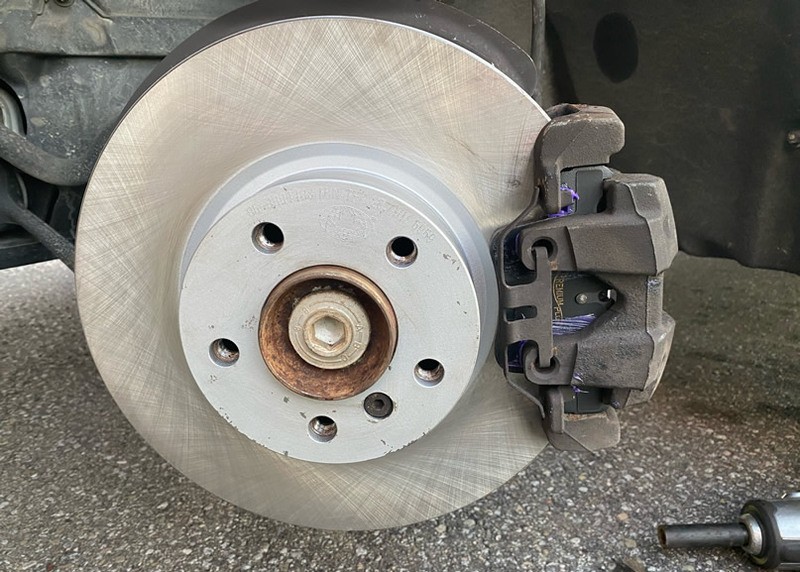
Credit: www.allrotors.com
Brake Pads Lifespan
Brake pads are a key part of your vehicle’s braking system. They press against the rotors to stop your car. Knowing how long brake pads last helps keep you safe on the road. Their lifespan can vary a lot. It depends on many things. Understanding these factors can save you money and prevent accidents.
Factors Affecting Brake Pad Life
Driving style plays a big role. Hard braking wears pads faster. City driving with lots of stops also reduces life. Roads with hills make brakes work harder. The quality of brake pads matters too. Cheap pads wear out quicker. Weather conditions affect brake wear. Wet or icy roads can cause more slipping and grinding. Proper car maintenance helps pads last longer.
Typical Mileage Range
Brake pads usually last between 30,000 and 70,000 miles. Some last even longer with gentle driving. Heavy braking or poor roads lower this range. Checking brake pads regularly helps avoid sudden failure. Every car is different, so check your owner’s manual for advice.
Signs Of Worn Brake Pads
Listen for squealing or grinding noises when braking. These sounds mean pads are thin or damaged. A longer stopping distance shows worn pads. Your brake pedal may feel soft or spongy. Vibrations or pulsing in the pedal can also signal pad issues. Regular checks catch problems early and keep brakes working well.
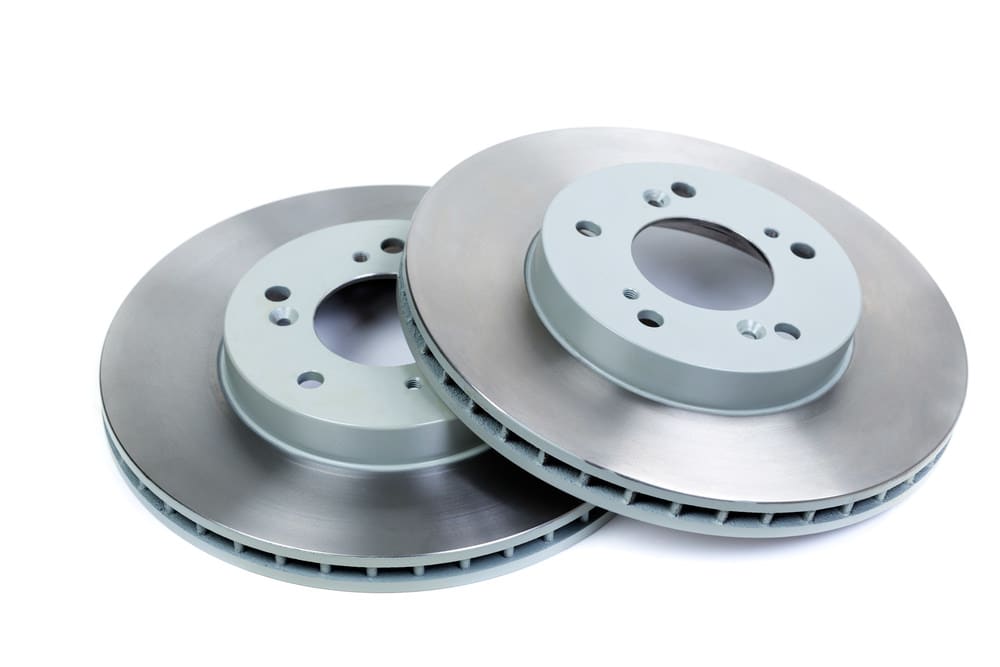
Credit: www.yourmechanic.com
Rotor Longevity
Rotors are a key part of your vehicle’s braking system. They help stop your car by working with the brake pads. Knowing how long rotors last helps you keep your car safe. Rotors wear down over time and need replacement. Many factors affect their lifespan, so paying attention to signs of wear is important.
Average Rotor Lifespan
Most rotors last between 30,000 and 70,000 miles. This range depends on the rotor type and driving conditions. Some high-quality rotors can last longer. Thin or low-cost rotors wear out faster. Regular checks can help track rotor health and avoid sudden failures.
Impact Of Driving Habits
Hard braking shortens rotor life quickly. Frequent stop-and-go traffic adds more wear. Driving on hilly roads causes extra stress on rotors. Calm, steady braking helps rotors last longer. Avoid riding the brakes to protect rotor surfaces.
When To Replace Rotors
Replace rotors if they are too thin or warped. Warped rotors cause vibration or noise when braking. Deep grooves or cracks also mean replacement is needed. A mechanic can measure rotor thickness and check damage. Timely replacement keeps braking smooth and safe.
Material Differences
Brake and rotor lifespan depends a lot on the materials used. Different materials wear down at different rates. Knowing these differences helps you choose the best parts for your car. It also explains why some brakes last longer than others.
Types Of Brake Pads
Brake pads come in several types. Organic pads are soft and quiet. They wear out faster but cost less. Semi-metallic pads have metal bits inside. They last longer and handle heat well. They can be noisy. Ceramic pads are made of ceramic fibers. They last the longest and produce less dust. They are usually more expensive.
Rotor Materials And Durability
Rotors can be made from different metals. Cast iron rotors are common and affordable. They last a long time but can rust. Steel rotors are stronger but heavier. They resist warping better. Some rotors have coatings to prevent rust and wear. Drilled or slotted rotors help cool brakes faster. They may wear out sooner than solid rotors.

Credit: www.clarksgarage.com.au
Maintenance Tips
Proper maintenance helps extend the life of brakes and rotors. Small efforts make a big difference. Regular care keeps your vehicle safe and saves money on repairs.
Regular Inspections
Check brakes and rotors often. Look for signs of wear like noise or vibration. Inspect brake pads for thickness. Thin pads need replacement. Watch for rotor grooves or cracks. Early detection prevents serious damage.
Proper Driving Techniques
Drive gently to protect brakes. Avoid sudden stops and hard braking. Slow down gradually when possible. Use engine braking on hills. This reduces stress on brake parts. Smooth driving helps parts last longer.
Brake System Care
Keep the brake fluid clean and at the right level. Change it as the manufacturer suggests. Clean brake components during routine service. Avoid overloading your vehicle. Extra weight strains the brake system. Good care ensures brakes and rotors work well longer.
Cost Considerations
Cost plays a big role in brake and rotor maintenance. Knowing what to expect helps plan your budget. Brake parts vary in price depending on quality and type. Labor costs also affect the total expense. Understanding these costs can help you make smart choices.
Replacement Costs
Brake pads usually cost between $30 and $100 per set. Rotors are more expensive, ranging from $40 to $200 each. Labor fees depend on the mechanic and location, often $80 to $150 per hour. Total replacement can cost $150 to $500 or more. Prices rise for luxury or performance vehicles.
Long-term Savings With Quality Parts
Choosing quality brake parts can save money over time. Durable pads and rotors last longer and wear evenly. This reduces the need for frequent replacements. Quality parts also improve safety and performance. Cheaper parts may wear out fast and cause more damage. Investing in better parts cuts long-term repair costs.
Common Myths
Many people have wrong ideas about how long brakes and rotors last. These myths can cause confusion and poor car care. Let’s clear up some common myths about brake pads and rotors. Understanding the truth helps keep your car safe.
Brake Pads Last Forever
Brake pads do not last forever. They wear down with use. The material on pads slowly thins out as you brake. Driving style and road conditions change how fast they wear. Most brake pads need changing every 30,000 to 70,000 miles. Ignoring worn pads can damage rotors and reduce braking power.
Rotors Always Need Replacement With Pads
Rotors do not always need replacement with new pads. Rotors can last longer if they stay smooth and thick. Sometimes rotors only need resurfacing, not full replacement. A mechanic checks rotor condition before deciding. Replacing rotors every time is not necessary and can cost more.
Frequently Asked Questions
How Long Do Brake Pads Usually Last?
Brake pads typically last between 30,000 to 70,000 miles. This range varies based on driving habits and conditions. Regular inspections help ensure safety and performance.
When Should Rotors Be Replaced?
Rotors should be replaced every 50,000 to 70,000 miles or when warped or worn below minimum thickness. Proper maintenance extends rotor life.
Can Driving Habits Affect Brake Lifespan?
Yes, aggressive braking and frequent stop-and-go traffic shorten brake pad and rotor life. Smooth driving extends their durability.
How To Tell If Brakes Or Rotors Need Replacement?
Listen for squeaking, grinding noises, or feel vibrations when braking. These signs often indicate worn brake pads or damaged rotors.
Conclusion
Brakes and rotors last differently for every driver. Regular checks help keep them working well. Driving habits and road conditions affect their life. Replace parts when you hear noises or feel vibrations. Proper care saves money and improves safety on roads.
Stay alert to signs your brakes need service. Taking action early prevents bigger, costly repairs. Safe driving depends on well-maintained brakes and rotors. Keep these tips in mind for a smooth ride.

