When was the last time you thought about your car’s brakes and rotors? These parts are crucial for your safety, yet many people don’t know how long they actually last.
If you’re wondering, “How many years do brakes and rotors last? ” you’re not alone. Knowing the answer can save you money, prevent accidents, and keep your car running smoothly. You’ll discover the key factors that affect their lifespan and learn when it’s time to replace them.
Keep reading to protect yourself and your vehicle on every drive.
Credit: www.autozone.com
Brake Lifespan Factors
Brake lifespan depends on many different factors. These factors affect how long your brakes and rotors last. Knowing them helps you maintain your car better. It also saves money on repairs and replacements.
Some factors relate to how you drive. Others depend on your vehicle type or the brake materials used. Weather and road conditions also play a role. Understanding these helps you get the best brake life possible.
Driving Habits Impact
Hard braking wears brakes faster. Frequent sudden stops cause more heat and stress. Smooth, steady braking helps brakes last longer. Driving in heavy traffic often means more braking. This can shorten brake lifespan. Long downhill drives require constant braking. This also increases wear on rotors and pads.
Vehicle Type Influence
Heavy vehicles put more pressure on brakes. Trucks and SUVs wear brakes faster than small cars. Sports cars use stronger brakes but may need quicker replacement. Electric cars use regenerative braking. This reduces brake wear and extends lifespan. Vehicle weight and use affect how brakes last.
Brake Material Differences
Brake pads come in different materials. Organic pads wear faster but are quieter. Semi-metallic pads last longer but can be noisy. Ceramic pads offer a good balance of life and noise. Rotors also vary in material and quality. High-quality rotors resist wear and heat better.
Environmental Effects
Road conditions affect brake wear. Rough, gravel roads cause more damage than smooth roads. Salt and moisture from winter roads cause rust. Rust can reduce rotor life. Hot weather can increase brake temperature and wear. Cold weather may make pads less effective at first.
Credit: www.yourmechanic.com
Rotor Lifespan Insights
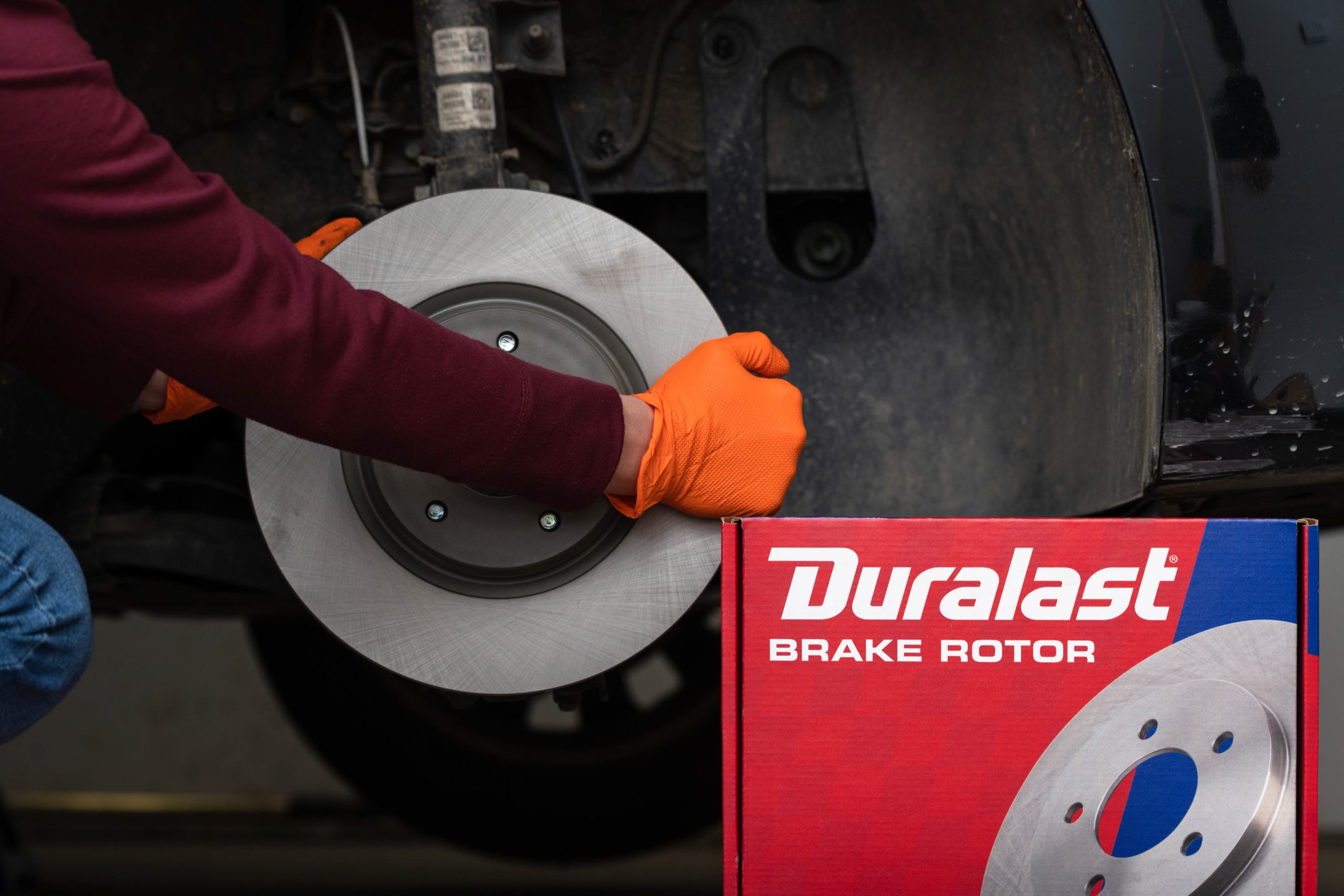
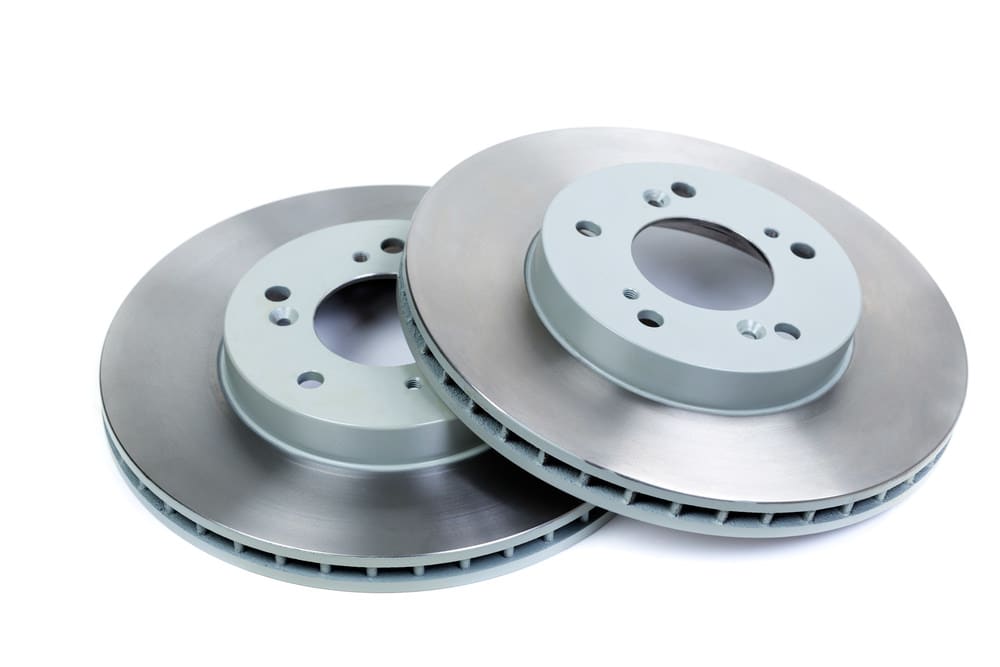
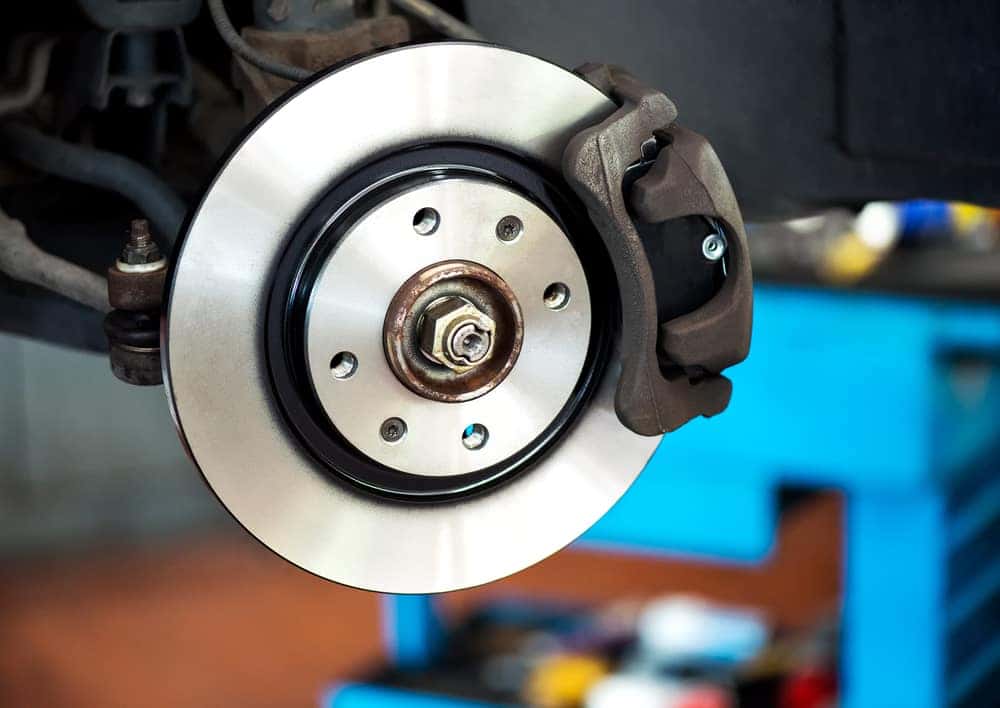
Rotors are key parts of your vehicle’s braking system. They work with the brake pads to stop the car safely. Knowing how long rotors last helps you keep your car in good shape. Rotor lifespan depends on many factors. These include material, driving habits, and maintenance. Understanding these can save you money and keep you safe on the road.
Common Rotor Materials
Most rotors are made from cast iron. It is strong and handles heat well. Some rotors use steel or carbon composite for better performance. Aluminum rotors are light but less common. Different materials affect how long rotors last. Cast iron rotors usually last longer in everyday driving.
Signs Of Rotor Wear
Rotors wear down over time. You may hear squealing or grinding noises. Vibrations in the brake pedal can also be a sign. Visible grooves or cracks on the rotor surface mean wear. Thin rotors reduce braking power. Checking these signs early helps avoid bigger problems.
Rotor Maintenance Tips
Regular brake inspections keep rotors in good condition. Clean rotors to remove dust and dirt. Avoid hard braking to reduce wear. Replace brake pads before they wear out completely. Balancing rotor and pad replacement extends rotor life. Proper care ensures safer and smoother stops.
Typical Brake Pad Lifespan
Brake pads play a crucial role in vehicle safety. They press against the rotors to slow down or stop your car. Knowing their lifespan helps avoid sudden brake failure. Many factors affect how long brake pads last. Driving habits, road conditions, and brake pad quality all matter. Understanding typical brake pad lifespan helps plan maintenance and stay safe on the road.
Average Mileage Range
Brake pads usually last between 30,000 and 70,000 miles. Some last even longer with gentle driving. Heavy braking or city driving wears pads faster. High-performance pads may have shorter lifespans but better stopping power. Regular checks help catch wear before it becomes dangerous. Mileage range gives a good guideline but watch for signs of wear.
Indicators For Replacement
Squealing or screeching noises mean brake pads need attention. A grinding sound shows pads are worn down to the metal. Brake pedal feels soft or sinks closer to the floor. Longer stopping distance than usual is a warning sign. Visual checks can reveal thin or cracked pads. Replace brake pads promptly for safe and smooth driving.
How Often To Replace Rotors
Rotors play a key role in your vehicle’s braking system. Knowing when to replace them keeps your car safe and running well. Rotors wear down over time and need attention. Checking their condition regularly prevents bigger problems and costly repairs. Understanding how to measure rotor thickness and when resurfacing works helps you decide the right time for replacement.
Measuring Rotor Thickness
Rotor thickness is the main factor in deciding replacement time. Each rotor has a minimum thickness limit set by the manufacturer. Using a micrometer or caliper, measure the rotor’s thickness at several points. If the thickness is below the minimum, the rotor must be replaced. Thin rotors can cause poor braking and damage to other parts.
When Resurfacing Is Possible
Resurfacing means shaving a thin layer off the rotor surface. This removes grooves and uneven spots. It is possible if the rotor thickness stays above the minimum limit after resurfacing. Resurfacing extends rotor life and improves brake performance. Deep damage or very thin rotors cannot be resurfaced safely. In those cases, replacement is the best choice.
Extending Brake And Rotor Life
Brakes and rotors wear down over time. Extending their life saves money and keeps driving safe. Simple steps help your brakes last longer. Small habits make a big difference in brake and rotor health.
Regular Inspection Benefits
Check brakes and rotors often. Early problems show signs like noise or vibration. Fixing issues early stops bigger damage. Inspections keep you safe and avoid costly repairs. A quick look can save time and money.
Driving Techniques For Longevity
Drive smoothly and avoid hard stops. Gentle braking reduces wear on parts. Keep distance from cars to brake less often. Avoid riding the brakes on hills. Slow down gradually to protect brakes and rotors.
Quality Parts Selection
Choose good brake pads and rotors. Cheap parts wear out fast and may cause damage. Quality parts last longer and work better. Pick parts made for your car model. Better parts mean safer, smoother stops.
Cost Considerations
Cost plays a big role in maintaining brakes and rotors. Knowing the expenses helps plan your budget. Brake parts and labor costs can vary widely. Understanding these costs helps avoid surprises at the repair shop.
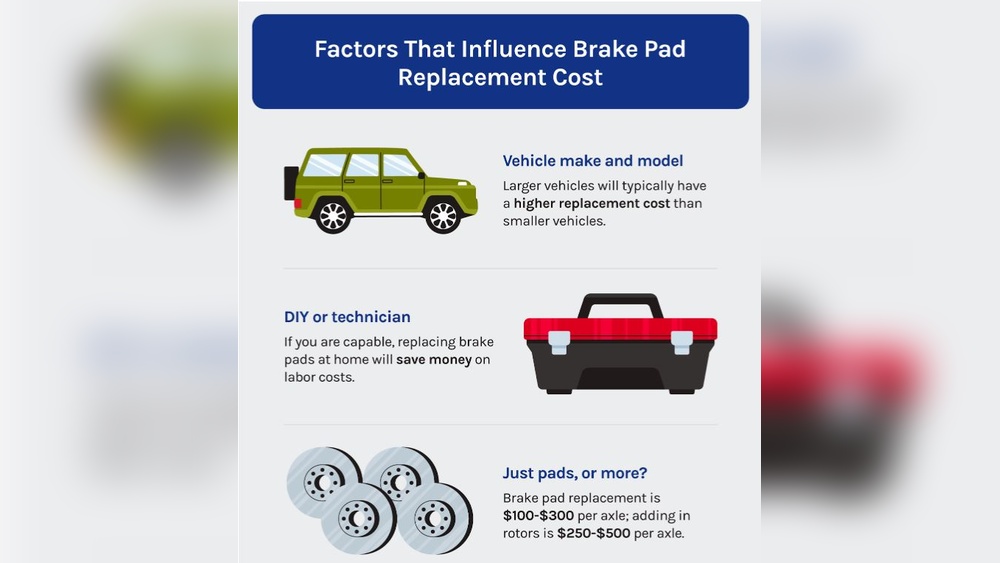
Brake Pad Replacement Costs
Brake pads usually wear out faster than rotors. The price depends on the material and car type. Basic pads can cost around $30 to $70 per set. High-performance or ceramic pads might reach $100 or more. Labor fees add $80 to $150 for installation. Regular replacement saves money over time.
Rotor Replacement Expenses
Rotors last longer but cost more to replace. Prices vary by size, brand, and car model. A single rotor can cost between $30 and $75. Some cars need two or four rotors replaced at once. Labor for rotor replacement can range from $150 to $300. Warped or damaged rotors must be replaced quickly.
Diy Vs Professional Service
Doing brake work yourself can save money. Parts alone may cost less than half of professional service. But brake repair requires tools and skills. Mistakes can lead to unsafe driving. Professionals ensure correct installation and safety checks. For most people, paying for expert help is best.
Credit: www.landroveralbuquerque.com
Frequently Asked Questions
How Long Do Brake Pads Typically Last?
Brake pads usually last between 30,000 to 70,000 miles. This depends on driving habits and vehicle type. Regular inspections help ensure timely replacements.
When Should Rotors Be Replaced?
Rotors often need replacement after 50,000 to 70,000 miles. Signs include vibration, noise, or visible damage. Proper maintenance extends rotor life.
Can Driving Habits Affect Brake Lifespan?
Yes, aggressive braking and heavy loads wear brakes faster. Smooth driving and avoiding sudden stops increase brake and rotor longevity. Regular checks are essential.
How Do I Know If Brakes Or Rotors Need Replacement?
Listen for squealing, grinding sounds, or feel vibrations during braking. These indicate worn pads or damaged rotors. Timely service prevents further damage.
Conclusion
Brakes and rotors usually last between 30,000 to 70,000 miles. Many factors affect their lifespan, like driving habits and road conditions. Regular checks help catch wear early. Listen for noises or feel vibrations; these signal problems. Replacing parts on time keeps you safe on the road.
Taking care of brakes saves money in the long run. Stay aware and maintain your vehicle well. Safe driving depends on good brakes and rotors.