
When your car starts making strange noises or feels less smooth when stopping, it’s probably time to change your brakes and rotors. But before you head to the shop, you might be wondering: how much will the labor cost?
Understanding the labor fees can help you avoid surprises and make smarter decisions for your vehicle and your wallet. You’ll discover what affects labor prices, how to spot a fair deal, and tips to save money without sacrificing safety. Keep reading—your car and budget will thank you.
Credit: www.aaa.com
Brake And Rotor Replacement Basics
Brake and rotor replacement is a key part of car maintenance. It keeps your vehicle safe and running smoothly. Understanding the basics helps you know when to get the job done. It also prepares you for the costs involved, especially labor charges.
Replacing brakes and rotors ensures your car stops well. Worn parts can cause longer stopping distances or strange noises. Knowing the signs and parts involved helps you avoid bigger problems.
Signs You Need A Brake And Rotor Change
Listen for squealing or grinding sounds when braking. These noises mean brake pads are worn out. Feeling vibrations in the brake pedal or steering wheel can point to rotor issues. A soft or spongy brake pedal is also a warning. Notice if your car pulls to one side while braking. These signs show it’s time for a brake and rotor check.
Components Involved In The Replacement
The brake system has several important parts. Brake pads press against the rotors to stop your car. Rotors are the round discs that the pads squeeze. Calipers hold the brake pads and push them onto the rotor. Brake fluid helps transfer pressure from the pedal to the brakes. Changing the brakes and rotors means replacing worn pads, resurfacing or swapping rotors, and checking calipers. Each part plays a role in safe braking.
Factors Affecting Labor Costs
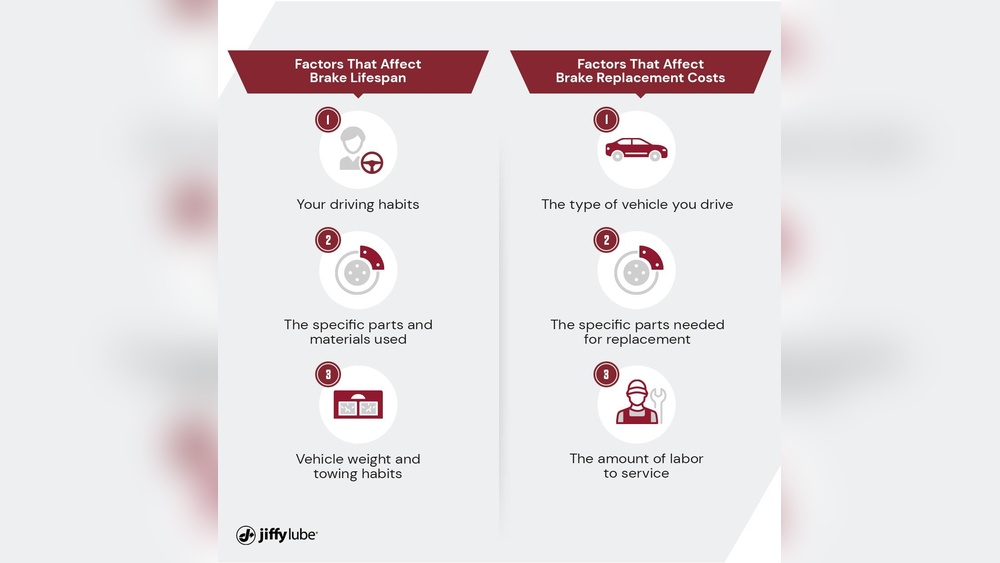
Labor costs for brake and rotor changes vary widely. Several factors influence the price you pay for this service. Understanding these factors helps you plan your car maintenance budget better.
Each factor affects the time and effort mechanics spend on the job. This directly impacts the labor charge on your bill.
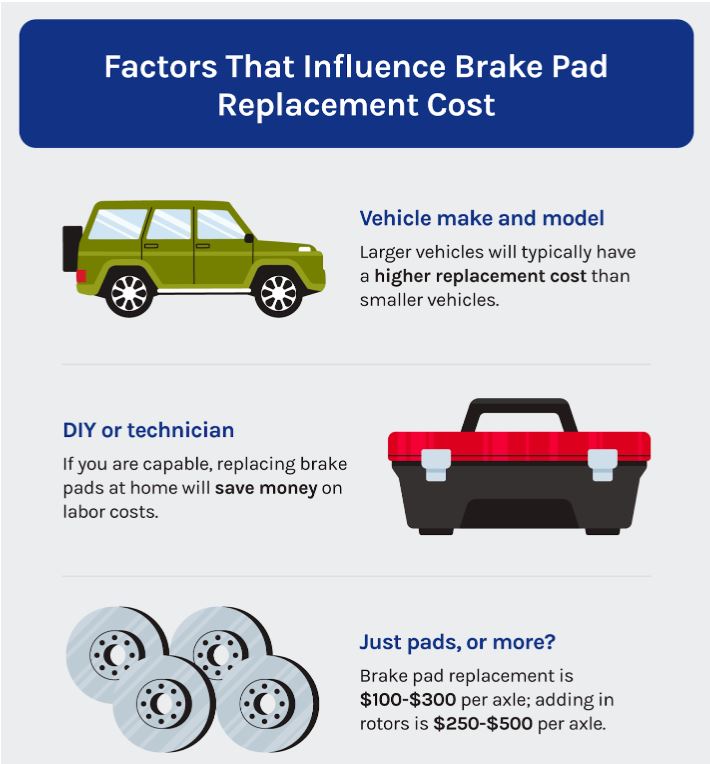
Vehicle Make And Model
Different cars require different repair times. Luxury or sports cars often need more work. They have complex brake systems that take longer to service. Common models usually cost less to repair. Parts are easier to reach and replace. The vehicle’s design impacts labor hours significantly.
Type Of Brakes And Rotors
There are several types of brakes and rotors. Standard brake pads and rotors are simple to change. Performance brakes or larger rotors take more time. Some vehicles have special materials like ceramic. These parts need careful handling and slow the repair process. The type of brake system affects labor costs.
Labor Rates By Location
Labor prices differ by region and city. Urban areas often have higher hourly rates. Rural or small towns usually charge less. The cost of living and demand influence these rates. This means the same brake job costs more or less depending on where you live.
Shop Type: Dealership Vs. Independent
Dealerships typically charge more for labor. They have specialized tools and trained technicians. Independent shops often offer lower prices. They may have flexible rates and faster service. Choosing between them impacts your labor bill. Each type has its pros and cons.
Average Labor Costs Breakdown
Understanding the average labor costs for brake and rotor changes helps plan your budget. Labor costs vary depending on the vehicle and the shop you choose. These costs cover the time and skill needed to complete the job safely and correctly.
This section breaks down typical labor times and costs for brake and rotor replacement. It explains how much time mechanics usually spend on each task. It also shows combined labor costs for both services.
Typical Labor Time For Brake Replacement
Brake pad replacement usually takes about 1 to 2 hours. The time depends on the car model and brake system type. Mechanics remove the old pads, inspect parts, and install new ones. This work requires careful handling to ensure safety.
Typical Labor Time For Rotor Replacement
Replacing rotors often takes a bit longer, around 1.5 to 3 hours. Rotors are larger and heavier, requiring more effort to remove and install. Some cars have complex rotor setups, which can increase labor time. Proper installation is key to good braking performance.
Combined Labor Costs
Labor for both brake pads and rotors usually costs between $150 and $300. Shops charge by the hour, with rates from $75 to $150 per hour. Labor time for both tasks together is about 2 to 4 hours. Costs rise with vehicle complexity and location.
Credit: www.autotechiq.com
Additional Costs To Consider
Labor for brake and rotor change is not the only cost to think about. Several extra expenses can affect the final price. Knowing these costs helps you plan your budget well and avoid surprises.
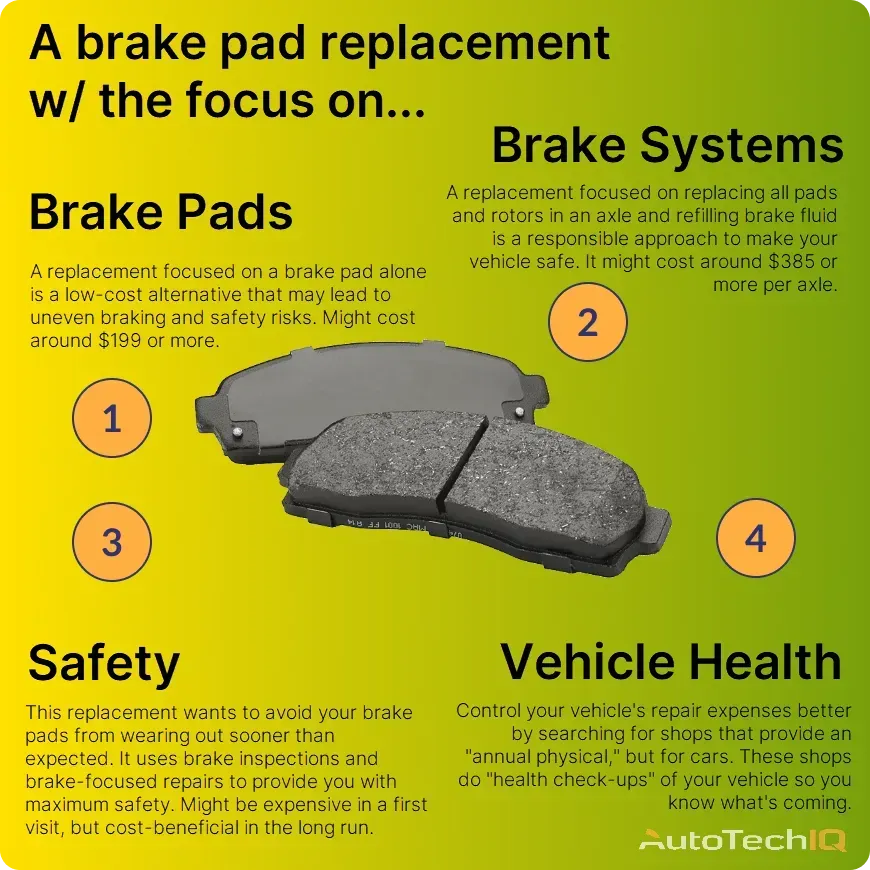
Parts And Materials
New brake pads and rotors are necessary for the job. Quality and brand affect their price. Some vehicles need special parts, raising costs. Brake fluid or grease might also be needed. These small items add to the total bill.
Additional Repairs And Services
Sometimes, mechanics find other issues during the brake change. Worn calipers or damaged brake lines may need fixing. Resurfacing rotors could be required if they are uneven. Extra work means more labor time and higher costs. Discuss possible repairs with your mechanic before starting.
Taxes And Fees
Local taxes apply to parts and labor. Some shops charge environmental fees for old brake disposal. Shop fees or shop supply charges may appear on the bill. These costs vary by location and shop policy. Always ask for a detailed estimate to see all charges.
Ways To Save On Labor Costs
Labor costs for brake and rotor changes can add up quickly. Saving on these costs is possible with smart choices. Knowing your options helps you reduce expenses without sacrificing quality. Here are some ways to save on labor costs.
Diy Vs. Professional Service
Doing the brake and rotor change yourself can save labor fees. You only pay for parts. Basic tools and a guide video help beginners. But the job requires care and time. Mistakes can be costly or unsafe.
Professional service costs more but offers expert work. Mechanics have tools and experience. They finish the job faster and safely. Choose DIY only if you feel confident and have enough time.
Shop Around For Quotes
Not all shops charge the same for labor. Calling or visiting several shops helps find better prices. Ask for a clear quote including parts and labor. Compare prices and services. Some shops may offer discounts or promotions. Don’t settle for the first price you get.
Use Of Aftermarket Parts
Aftermarket parts are usually cheaper than brand-name parts. They often work just as well. Using these parts can lower total costs. Some shops allow customers to bring their own parts. Check if your shop accepts this. Quality matters, so choose trusted aftermarket brands.

Credit: www.reddit.com
When To Prioritize Quality Over Cost
Choosing quality over cost matters most in brake and rotor changes. Cheap labor might save money now but could cause bigger problems later. Some parts of your car need expert care to keep you safe on the road.
Safety Implications
Brakes protect you and your passengers every day. Poor labor can lead to brake failure or uneven rotor wear. This risk increases accidents and injuries. Skilled technicians follow exact steps to ensure brakes work well. Quality work means safer driving and peace of mind.
Warranty And Guarantees
Quality service often comes with warranties or guarantees. This covers parts and labor if something goes wrong soon after the repair. Low-cost jobs may not offer these protections. A warranty saves money if you need repairs again. It also shows the shop trusts their work.
Long-term Cost Benefits
Good brake and rotor work lasts longer and needs fewer repairs. Poor labor can cause early wear or damage to other parts. This leads to more frequent visits and higher costs. Spending more now avoids extra expenses later. It helps keep your car in better shape overall.
Frequently Asked Questions
How Much Does Labor Cost For Brake And Rotor Change?
Labor for brake and rotor change typically ranges from $100 to $200. Prices depend on vehicle type and shop rates. Some shops charge hourly, while others offer flat fees. Always get a detailed estimate before service.
What Factors Affect Labor Cost For Brake Rotor Replacement?
Labor costs vary due to vehicle make, model, and rotor complexity. Luxury or performance cars usually cost more to service. Labor rates differ by location and shop reputation. Additional repairs can also increase total labor expenses.
Can I Reduce Labor Costs For Brake And Rotor Replacement?
Yes, labor costs can be reduced by choosing independent mechanics over dealerships. DIY brake and rotor changes save labor fees but require skill and tools. Look for discounts or promotions at local shops to save money.
How Long Does Labor Take For Brake And Rotor Change?
Labor typically takes 1 to 2 hours depending on vehicle and mechanic experience. Simple brake jobs may take less time. Complex systems or worn components can extend labor duration. Time impacts labor cost in hourly shops.
Conclusion
Brake and rotor labor costs vary by location and car type. Most shops charge between $100 and $200 for labor. Some cars need more time and skill, raising the price. Always ask for a clear estimate before work starts. Regular brake checks help avoid costly repairs later.
Quality service keeps your car safe on the road. Choose a trusted mechanic to get fair prices and good work. Knowing labor costs helps you plan and avoid surprises. Safe driving starts with well-maintained brakes and rotors.


