

Are your brakes making strange noises or feeling less responsive? You might be wondering, “How much will it cost to replace my brake pads and rotors?” Knowing the answer can save you from unexpected expenses and keep your car safe on the road.
You’ll discover the real costs involved, what affects the price, and how to make smart choices without breaking the bank. Keep reading to find out exactly what you need to know before you visit the mechanic.
Brake Pads And Rotors Basics
Understanding brake pads and rotors is key to knowing brake repair costs. These parts work together to keep your vehicle safe on the road.
Brake pads press against rotors to stop your car. Both parts wear out over time and need replacement.
Role Of Brake Pads
Brake pads create friction to slow down your wheels. They press against the rotors when you step on the brake pedal. This friction turns your car’s motion into heat. Without good brake pads, stopping your car becomes hard and unsafe.
Function Of Rotors
Rotors are round metal discs attached to your wheels. Brake pads press on rotors to slow the wheel’s spin. Rotors must be smooth and strong. Worn or damaged rotors reduce braking power and cause vibrations.
Signs Of Wear
Squealing or grinding sounds mean brake pads may be worn out. You might feel vibrations or shaking when braking. Longer stopping distances also signal worn brake parts. Checking these signs helps avoid costly damage and keeps you safe.
Credit: www.ebay.com
Factors Affecting Replacement Cost
Replacing brake pads and rotors costs vary widely. Several factors influence the total price. Understanding these can help you prepare for the repair.
Each part of your vehicle and service affects the final bill. Knowing what impacts the cost lets you make smart decisions.
Vehicle Make And Model
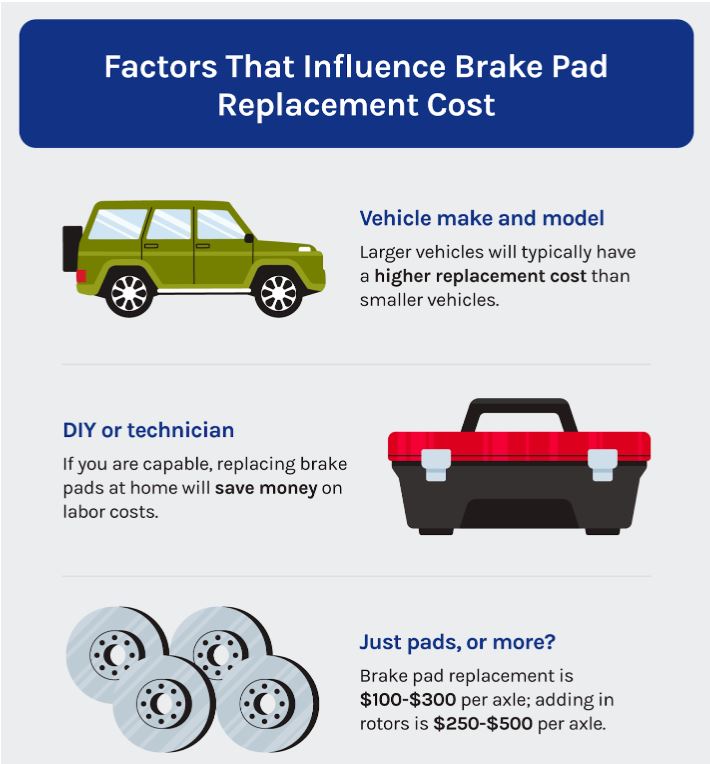
Different cars need different parts. Luxury brands often use expensive components. Common models have cheaper, easy-to-find parts. Some vehicles require special tools or extra work. These details raise the cost of replacement.
Quality Of Parts
Parts come in various quality levels. OEM parts match the original exactly but cost more. Aftermarket parts cost less but vary in durability. Cheaper parts may wear out faster. Choosing good quality ensures better safety and longer life.
Labor Charges
Mechanic fees depend on location and shop type. Dealerships usually charge more than local garages. Complex jobs take longer and cost more labor. Some cars have complicated brake systems needing extra time. Labor rates add significantly to your total expense.
Typical Price Ranges
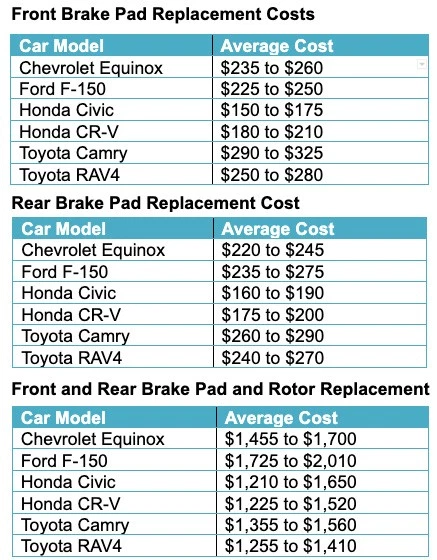
Knowing the typical price ranges for brake pad and rotor replacement helps you plan your car maintenance budget. Prices vary based on your vehicle type, the quality of parts, and labor costs. Understanding these costs avoids surprises and helps you make smart decisions.
Cost For Brake Pads
Brake pads usually cost between $30 and $80 per set. Economy pads are cheaper but wear out faster. Premium pads last longer and perform better but cost more. Labor charges add about $70 to $120 to the total.
Cost For Rotors
Rotors generally cost from $30 to $75 each. High-performance or heavy-duty rotors can cost over $100. Labor for rotor replacement typically ranges from $80 to $150. Some vehicles require both front and rear rotors replaced at once.
Combined Replacement Costs
Replacing brake pads and rotors together costs between $250 and $500 on average. This price includes parts and labor for both components. Combined replacement saves money in the long run by improving brake performance and safety.
Credit: www.aaa.com
Diy Vs Professional Replacement
Replacing brake pads and rotors can be done by yourself or by a professional. Each choice affects cost, time, and safety. Understanding the benefits and risks helps you decide what fits your needs best.
Pros And Cons Of Diy
Doing the job yourself saves money on labor costs. Parts usually cost less without shop fees. You learn more about your vehicle by working on it.
DIY requires tools and some mechanical skill. Mistakes can lead to unsafe brakes or more damage. It takes time, often longer than a professional would need.
When To Hire A Mechanic
Choose a mechanic if you lack tools or experience. Professionals ensure brakes work safely and correctly. They can spot hidden issues during the replacement.
Mechanics offer warranties for their work. This adds peace of mind after the repair. For complex brake systems, a professional is the safer option.
Ways To Save On Replacement
Replacing brake pads and rotors can be costly. There are smart ways to save money on this essential car repair. Small steps can lower the total cost. Being informed helps you make better choices. Here are some practical ways to keep expenses down.
Choosing Aftermarket Parts
Aftermarket parts cost less than original equipment manufacturer (OEM) parts. They often work just as well. Many brands offer good quality at lower prices. Always check reviews and ratings before buying. This choice can reduce your bill significantly.
Using Coupons And Discounts
Many auto shops provide coupons and discounts. Search online for current deals before your service. Some stores offer discounts for first-time customers. You can also find bundle offers for pads and rotors. These small savings add up quickly.
Regular Maintenance Tips
Keep your brakes in good condition with regular checks. Clean rotors and pads to avoid early wear. Avoid hard braking to extend the life of parts. Regular maintenance reduces the frequency of replacements. This practice saves money over time.
Common Replacement Mistakes
Replacing brake pads and rotors is crucial for safe driving. Many car owners make common mistakes during replacement. These errors can increase costs and reduce brake performance. Understanding these mistakes helps avoid extra repairs and keeps your vehicle safe on the road.
Ignoring Warning Signs
Brake pads and rotors show clear signs when they wear out. Squeaking noises, vibrations, and longer stopping distances are alerts. Ignoring these signs can cause damage to other brake parts. This leads to higher repair bills and unsafe driving conditions.
Using Low-quality Parts
Some people choose cheap brake pads and rotors to save money. Low-quality parts wear out faster and may not work well. This affects your car’s stopping power and safety. Investing in good-quality parts ensures better performance and lasts longer.
Skipping Rotor Replacement
Many replace brake pads but keep old rotors. Worn rotors reduce braking efficiency and cause uneven wear. Old rotors can damage new brake pads quickly. Replacing rotors with brake pads ensures smooth and safe braking.
After Replacement Care
After replacing brake pads and rotors, proper care is vital for safety and part longevity. These parts need time to settle and work well together. Paying close attention during the first days helps keep your brakes reliable and smooth.
Break-in Procedures
New brake pads and rotors need to be broken in carefully. Avoid hard stops for the first 200 miles. Use gentle braking to help parts wear evenly. This process creates a smooth contact surface. It reduces noise and extends part life. Skipping this step can cause poor brake feel and damage.
Monitoring Brake Performance
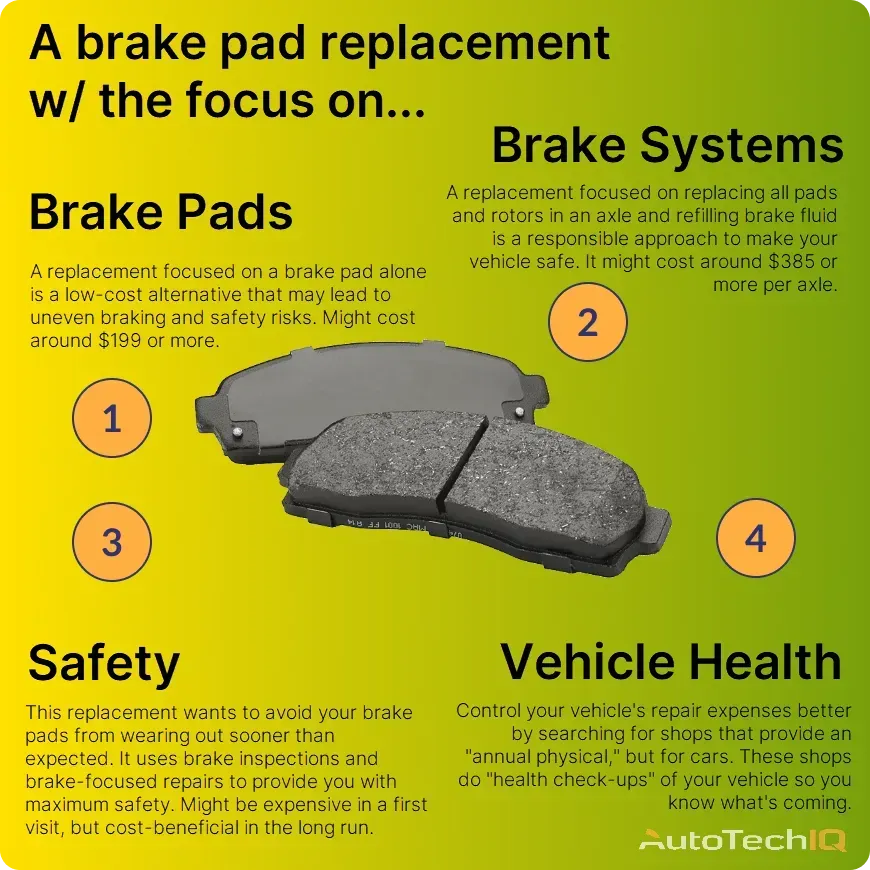
Check your brakes regularly after replacement. Listen for unusual noises like squealing or grinding. Notice any changes in pedal feel or stopping distance. If brakes feel soft or grab too hard, get them checked. Early detection of problems prevents costly repairs. Keep an eye on brake fluid levels as well. Healthy brakes mean safer driving every day.
Credit: www.autotechiq.com
Frequently Asked Questions
How Much Does It Cost To Replace Brake Pads And Rotors?
The average cost ranges from $250 to $500, depending on the vehicle. Labor and parts prices vary by location and car model.
What Factors Affect Brake Pad And Rotor Replacement Cost?
Costs depend on vehicle type, quality of parts, labor rates, and additional repairs needed. Luxury cars typically cost more.
How Often Should Brake Pads And Rotors Be Replaced?
Brake pads last about 30,000 to 70,000 miles, while rotors can last 50,000 miles or more, depending on driving habits.
Can I Replace Brake Pads And Rotors Myself?
Yes, if you have mechanical skills and tools. However, professional service ensures safety and proper installation.
Conclusion
Replacing brake pads and rotors costs vary by car type and parts quality. Choosing good quality parts helps keep your brakes safe and reliable. Labor charges also affect the total price. Regular brake checks can prevent costly repairs later. Knowing the cost helps you plan your budget better.
Don’t wait until brakes wear out completely. Stay safe on the road with timely maintenance. Simple steps keep your vehicle running smoothly.

