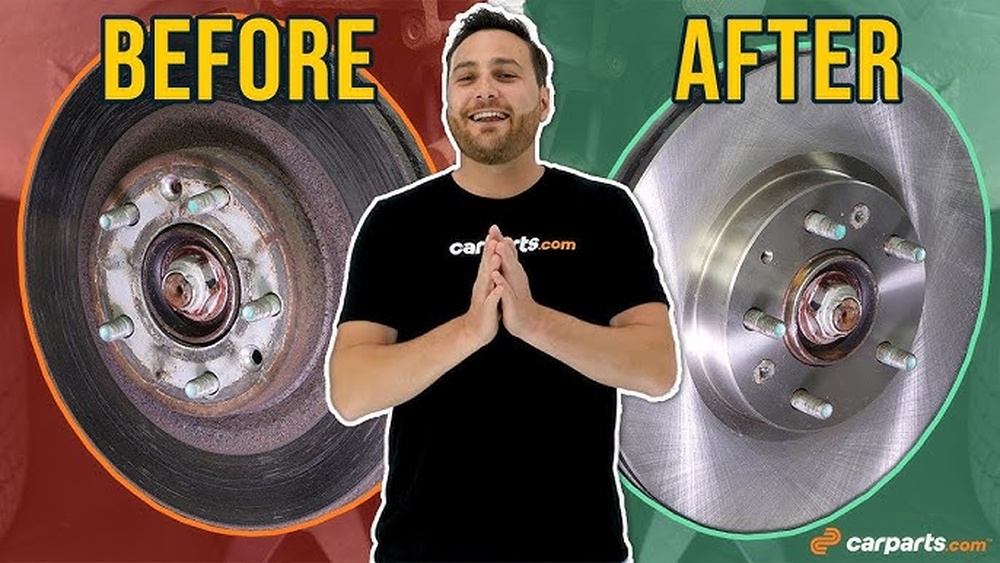
When your car’s brakes start to squeak or feel less responsive, you probably wonder: how much will it cost to replace the brakes and rotors? Understanding these costs can save you from surprises and help you make smart choices for your safety and budget.
You’ll discover what affects the price, what you should expect to pay, and how to spot quality service without overspending. Keep reading to get the clear, straightforward answers you need before you schedule that repair.
Credit: www.jiffylube.com
Brake And Rotor Replacement Basics
Brakes and rotors are key parts of your vehicle’s safety system. They work together to stop your car smoothly and quickly. Over time, both parts wear out and need replacement. Knowing the basics helps you maintain your car and avoid costly repairs.
Understanding why and when to replace brakes and rotors keeps your driving safe. It also saves money by preventing damage to other parts. This section explains the reasons for replacement and the common signs to watch for.
Why Replace Brakes And Rotors
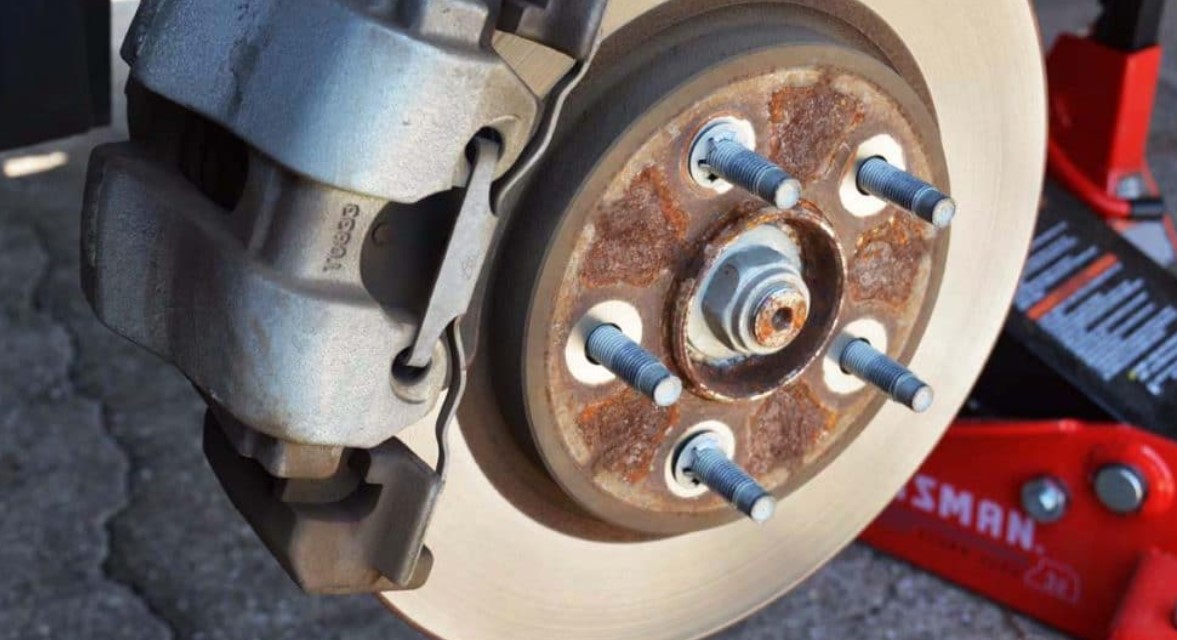
Brakes slow your car by pressing brake pads against rotors. Over time, pads wear thin, and rotors get damaged or warped. Thin pads reduce stopping power. Warped rotors cause vibration or noise when braking. Replacing both ensures the brakes work well and safely.
Ignoring worn brakes or rotors can lead to longer stopping distances. This increases the risk of accidents. It also can damage other brake system parts, raising repair costs. Regular replacement keeps your brakes responsive and your vehicle safe.
Signs You Need Replacement
Listen for squealing or grinding sounds while braking. Squealing means brake pads are thin. Grinding means pads are worn out and may harm rotors. Feel for vibrations or pulsing in the brake pedal. This usually signals warped rotors.
Notice if the car pulls to one side during braking. This can be a sign of uneven brake wear. Also, check if the brakes feel soft or spongy. This may indicate brake fluid problems or worn parts. Early detection helps avoid serious brake failure.
Credit: omegaautocare.com
Factors Influencing Replacement Costs
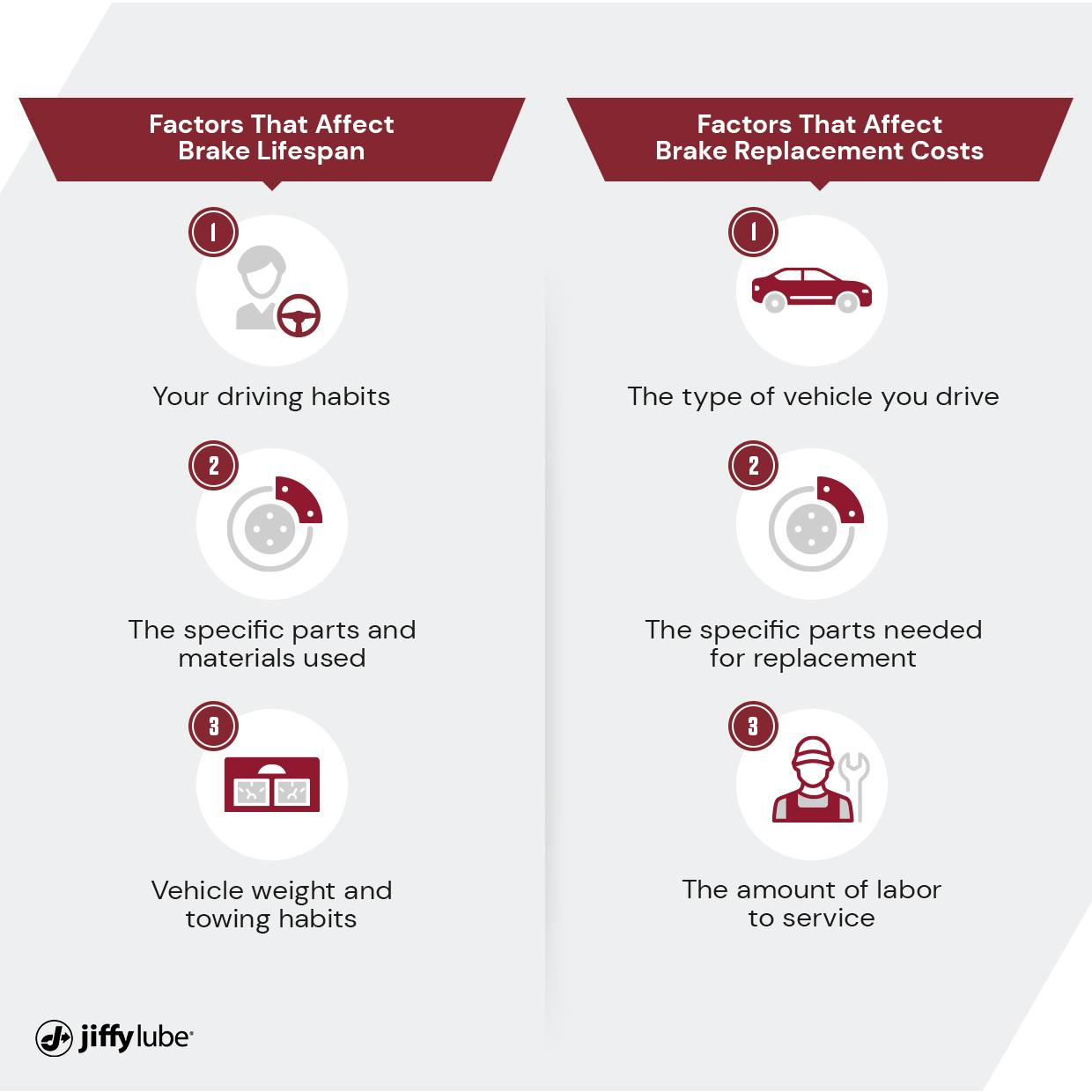
Several key factors affect the cost of replacing brakes and rotors. Understanding these can help you plan your budget better. Costs vary widely depending on your vehicle and the parts used. Labor fees and location also play a big role. Let’s explore these factors one by one.
Type Of Vehicle
Different vehicles need different brake and rotor types. Luxury cars or trucks often require more expensive parts. Smaller cars usually have cheaper replacement costs. Some vehicles need special tools or more time to fix. This can increase the labor cost.
Quality Of Parts
Parts come in various quality levels. OEM parts match the original parts but cost more. Aftermarket parts are often cheaper but may wear out faster. High-quality parts last longer and improve safety. Choosing parts depends on your budget and needs.
Labor Charges
Labor costs depend on the shop and the job’s complexity. Some shops charge by the hour, others have a flat rate. More complex brake systems take longer to repair. Skilled mechanics may charge higher fees but work faster. Always ask for a clear labor estimate.
Location And Service Provider
Prices vary by location due to local wages and rent. City shops often charge more than rural areas. Dealerships usually have higher costs than independent mechanics. Research local shops and compare prices before deciding. Quality service matters as much as price.
Average Cost Breakdown
Understanding the average cost breakdown helps plan your brake and rotor replacement better. Costs vary by parts, labor, and extra fees. Knowing each part’s price guides your budget and expectations.
Brake Pads Cost
Brake pads usually cost between $30 and $80 per set. Prices depend on the brand and material quality. High-performance pads cost more but last longer. Cheaper pads wear out faster and might need early replacement.
Rotor Prices
Rotors cost from $40 to $100 each on average. Some cars require two or four rotors replaced at once. Premium rotors with better cooling and durability cost extra. Basic rotors are affordable but may not last as long.
Labor Fees
Labor costs for brake and rotor replacement range from $80 to $150 per hour. Most jobs take about 1 to 2 hours to complete. Labor fees depend on the shop’s location and expertise. Some shops include warranty on their work.
Additional Expenses
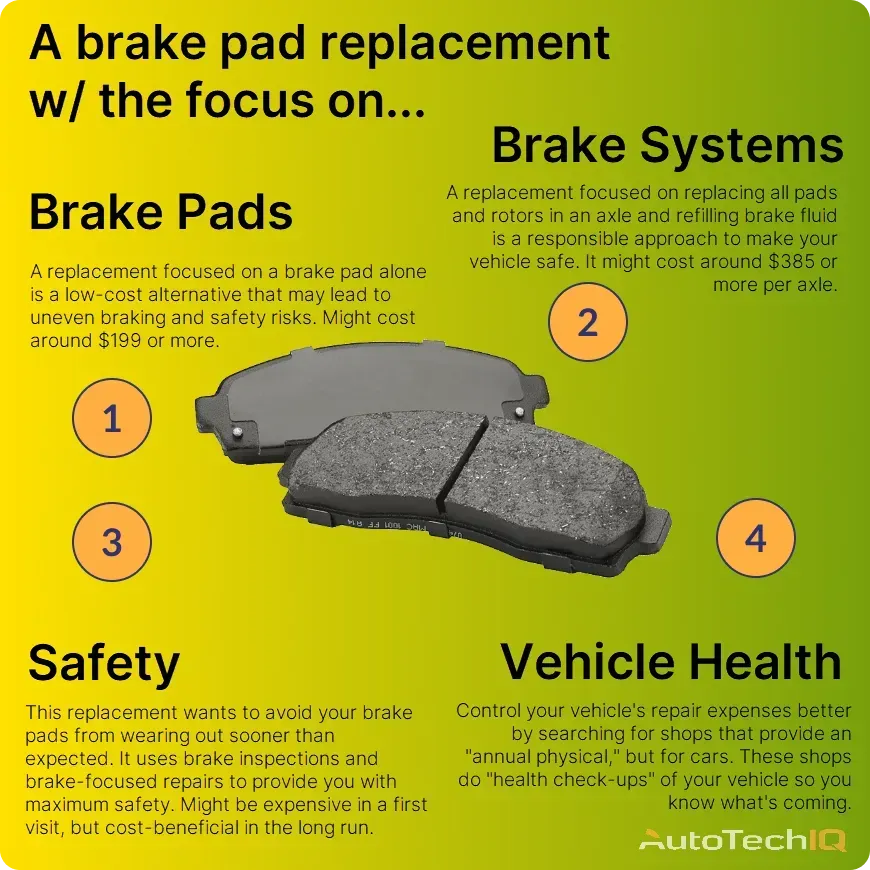
Other costs might include brake fluid replacement and hardware kits. These extras can add $20 to $50 to the bill. Some vehicles need special tools or parts, increasing the cost. Always ask for a full estimate before work starts.
Diy Vs Professional Replacement
Deciding between DIY brake and rotor replacement or hiring a professional is important. Both choices affect cost, safety, and time. Knowing the benefits and risks helps you pick the best option for your car and budget.
Pros And Cons Of Diy
Doing brake and rotor replacement yourself saves money on labor fees. Parts cost stays the same, but you avoid mechanic charges. You learn car maintenance skills and gain confidence.
DIY risks include mistakes that harm safety or cause extra damage. You need tools and space to work properly. Time spent on the job can be long, especially for beginners.
When To Choose A Mechanic
Choose a professional if you lack tools or experience. Mechanics finish the job faster and ensure safety. They spot hidden problems like worn calipers or leaking brake fluid.
Professional work usually includes warranty and quality parts. This reduces risk of brake failure later. Experts provide peace of mind for your car’s safety on the road.
Tips To Save On Replacement Costs
Replacing brakes and rotors can be costly. Saving money is important for many car owners. Simple steps can lower the bill without losing quality. Understanding ways to cut costs helps you keep your car safe and your wallet happy.
Choosing Affordable Parts
Opt for parts that balance price and quality. Not all expensive parts are better. Look for trusted brands with good reviews. Consider aftermarket parts as a cheaper option. Avoid very cheap parts that wear out fast. Buying the right parts can reduce future repairs.
Finding Reliable Mechanics
Pick a mechanic with fair prices and good reputation. Ask friends or read online reviews. A trustworthy mechanic avoids unnecessary work. Get written estimates before the job starts. A reliable shop saves money by doing the job right the first time.
Regular Maintenance Benefits
Keep your brakes clean and check them often. Regular inspections catch problems early. Fixing small issues prevents costly damage. Scheduled maintenance extends the life of brakes and rotors. This habit saves money and increases safety on the road.
Common Questions About Brake And Rotor Costs
Understanding the costs of brake and rotor replacement helps with smart car care decisions. Many car owners have common questions about when and why to replace these parts. This section answers key questions about brake and rotor costs. It covers timing, risks of delay, and warranty details.
How Often To Replace
Brake pads usually last 30,000 to 70,000 miles. Rotors last longer but may need replacement after two brake pad changes. Driving style and road conditions affect wear speed. Regular checks help avoid sudden failures. Listen for squeaking or grinding sounds. These signs mean it’s time to inspect brakes.
Effects Of Delaying Replacement
Delaying brake or rotor replacement risks safety. Worn brakes reduce stopping power and increase accident risk. Damaged rotors cause vibration and noise. Repair costs rise if damage spreads. Brake failure may lead to costly repairs beyond pads and rotors. Act early to save money and stay safe.
Warranty And Guarantees
Many brake parts come with warranties. These cover defects or early wear. Warranty length varies by brand and part type. Ask about warranty before purchase or service. Guarantees may include free replacement or repair within a time limit. Keep receipts and service records to use warranty benefits.
Credit: www.autotechiq.com
Frequently Asked Questions
How Much Does Brake And Rotor Replacement Cost?
Brake and rotor replacement typically costs between $300 and $800. Prices vary based on vehicle type, parts quality, and labor fees. Luxury cars and high-performance parts usually cost more. Always request a detailed estimate before service to avoid surprises.
What Factors Affect Brake And Rotor Replacement Prices?
Prices depend on vehicle make, part quality, and labor rates. OEM parts cost more than aftermarket ones. Labor charges vary by location and shop reputation. Additional repairs, like caliper replacement, also increase the total cost.
How Often Should Brakes And Rotors Be Replaced?
Brakes and rotors usually need replacement every 30,000 to 70,000 miles. Driving habits and road conditions impact wear rate. Regular inspections help catch issues early and maintain safety. Replace them promptly if you notice squealing or vibration.
Can I Replace Brakes And Rotors Myself?
Replacing brakes and rotors requires mechanical skills and tools. DIY can save money but risks safety if done improperly. Follow vehicle-specific instructions and safety precautions. When in doubt, consult a professional mechanic to ensure proper installation.
Conclusion
Brake and rotor replacement costs vary by car and parts quality. Choosing good parts helps your car stop safely and last longer. Regular checks prevent expensive repairs later. Ask your mechanic for clear price details before starting work. Taking care of brakes keeps you safe on the road.
Remember, affordable brake service protects both your car and your wallet. Act early to avoid bigger problems. Simple steps save money and stress. Your safety matters most.