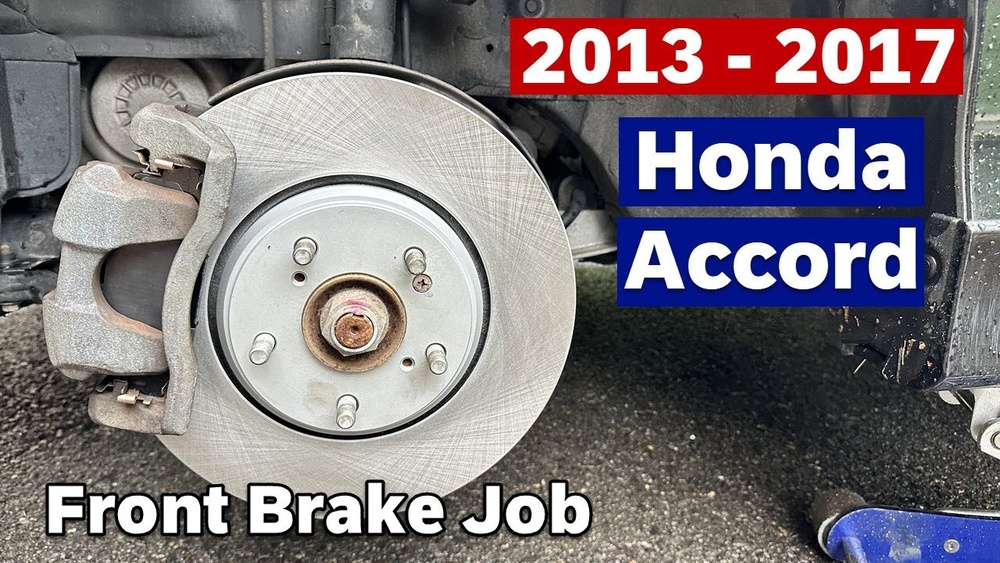
Have you ever wondered just how hot your disc brake rotors get when you hit the brakes hard? Understanding this can help you protect your vehicle and keep your brakes working smoothly.
If you’re curious about what happens beneath your wheels every time you slow down or stop, you’re in the right place. By the end of this article, you’ll know why rotor temperature matters, how hot they really get, and what that means for your safety and your car’s performance.
Keep reading to discover the surprising facts about your brake rotors’ heat and how you can make sure they stay in top shape.
Credit: www.powerstop.com
Heat Generation In Disc Brakes
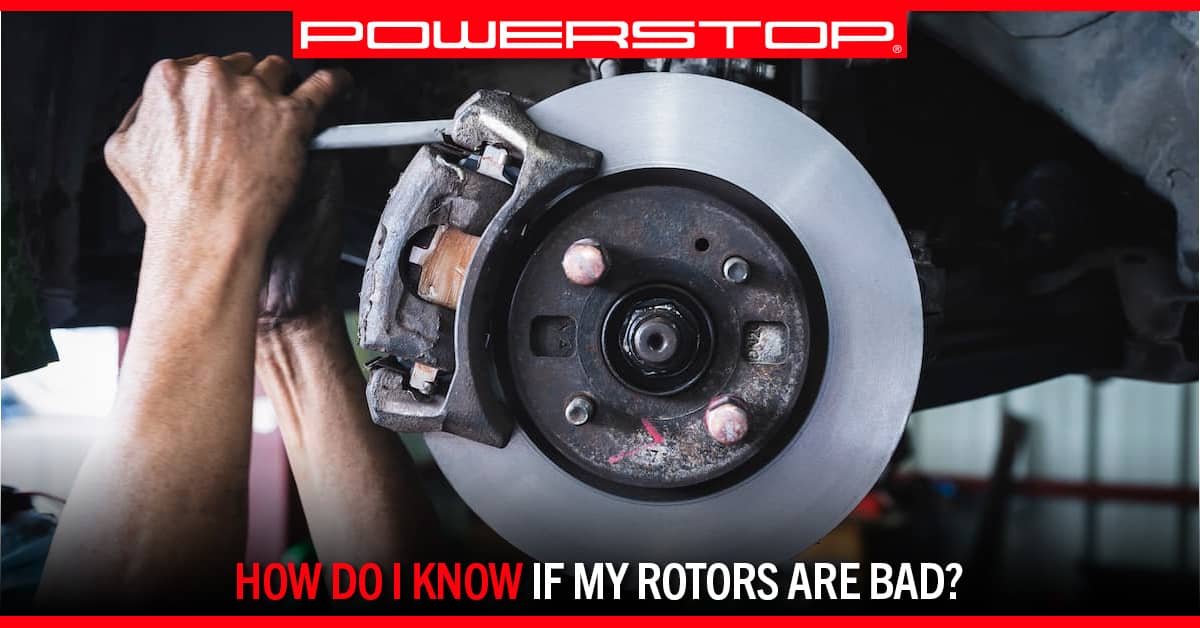
Disc brakes work by creating friction to slow down a vehicle. This friction produces heat on the rotors. Understanding how heat builds up helps explain rotor performance and wear. The temperature of disc brake rotors can rise quickly during braking. This heat affects braking efficiency and the lifespan of brake parts.
Friction And Heat Production
Braking happens when brake pads press against the rotor. This contact creates friction. Friction changes the vehicle’s kinetic energy into heat energy. The heat spreads across the rotor surface. The harder and longer the brakes are applied, the more heat is generated. High friction means more heat. This heat makes the rotor very hot in seconds.
Factors Influencing Rotor Temperature
Several factors change how hot rotors get. Vehicle weight plays a big role. Heavier vehicles need more braking force, creating more heat. Speed also matters. Faster speeds mean more energy to convert into heat. The type of brake pads affects heat too. Some pads generate more heat than others. Rotor design and material help cool the heat. Ventilated rotors cool down faster than solid ones. Driving style impacts heat as well. Frequent hard braking raises rotor temperature quickly.
Credit: www.rei.com
Typical Temperature Ranges
Disc brake rotors get hot as they slow down a vehicle. The temperature depends on how hard and how long the brakes are used. Knowing typical temperature ranges helps understand brake performance and safety. Different driving conditions cause different heat levels in the rotors.
Normal Operating Temperatures
In everyday driving, disc brake rotors usually reach 200 to 400 degrees Fahrenheit. This range is enough to stop the car safely without damaging the brakes. Light braking on city roads keeps the rotors cool. Even on highway drives, the temperature rarely goes above 400 degrees.
High-performance And Racing Conditions
Racing or heavy braking pushes rotor temperatures much higher. Rotors can heat up to 1000 degrees Fahrenheit or more. This heat comes from constant, hard braking on tracks or steep hills. High temperatures may cause brake fade if the rotors cool too slowly. Special materials and designs help handle these extreme heat levels.
Heat Effects On Rotor Performance
Disc brake rotors get very hot during use. This heat changes how the rotors work. High temperatures can lower braking power and cause damage. Understanding these effects helps keep brakes safe and effective.
Heat builds up quickly in rotors. Long or hard braking pushes temperatures past normal limits. This affects both the rotor and the brake pads. The rotor’s ability to stop the wheel well depends on how it handles heat.
Brake Fade And Efficiency Loss
Brake fade happens when rotors get too hot. The brake pads lose grip on the rotor surface. This lowers braking force and increases stopping distance. Heat reduces friction between the pad and rotor. Drivers may feel the brakes getting soft or weak. This is a serious safety issue on steep roads or during fast driving.
Warping And Structural Damage
Excess heat causes rotor warping. Warped rotors do not spin evenly. This creates vibration and noise while braking. Over time, warping can crack the rotor. The metal structure weakens under constant heat stress. Damaged rotors may need replacement to maintain safe braking. Avoiding extreme heat helps preserve rotor shape and strength.
Cooling Mechanisms
Disc brake rotors can get very hot during use. To keep them working well, they need good cooling. Cooling helps stop the brakes from fading and keeps the parts safe. Different methods help rotors lose heat quickly. These methods include smart design and the right materials.
Rotor Design And Ventilation
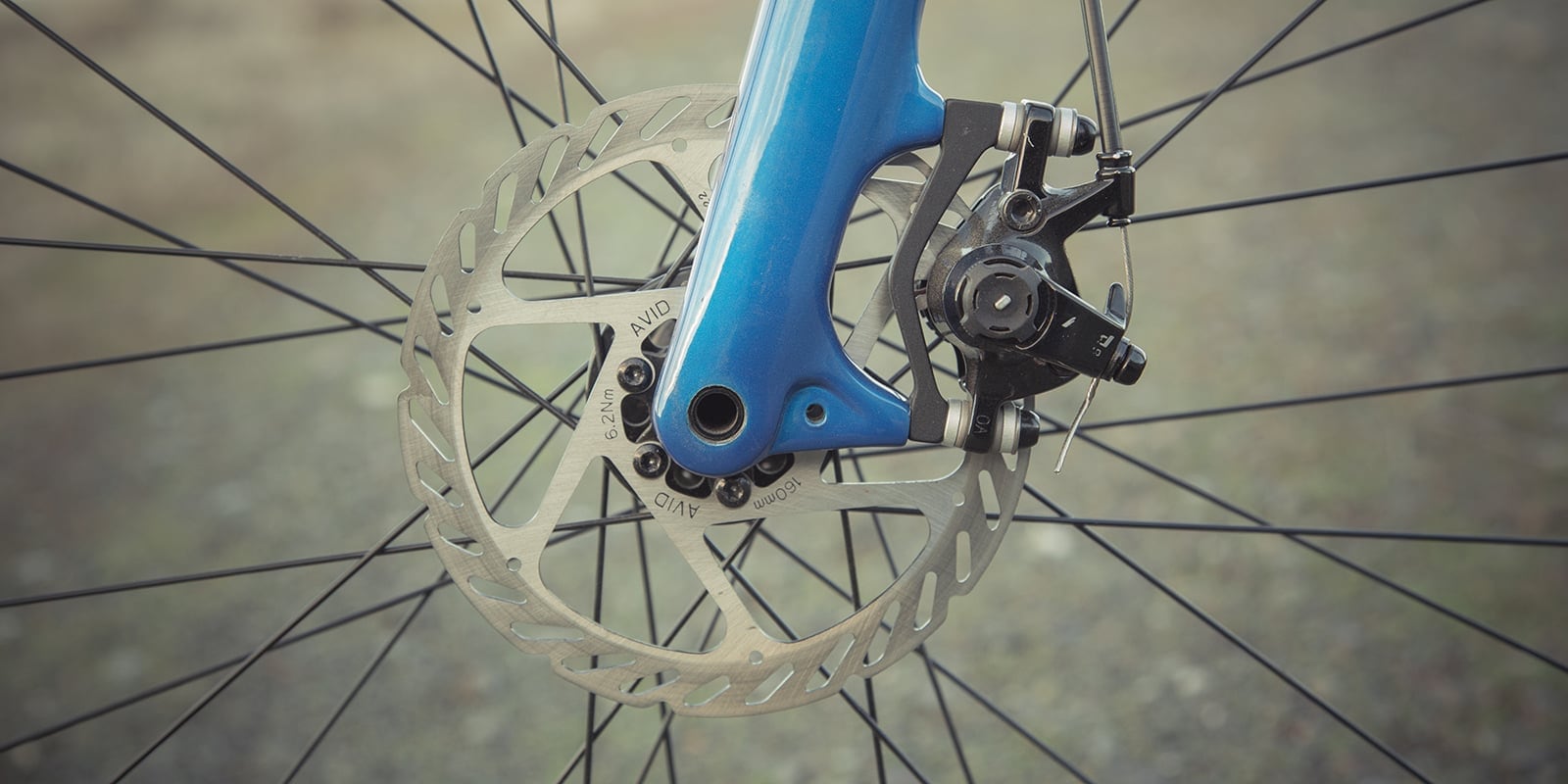
Rotors often have vents or slots. These features allow air to flow through the rotor. Air movement cools down the hot surface fast. Some rotors have holes drilled in them. The holes help heat escape and reduce weight. Ventilated rotors have two plates with space between. This space lets air circulate and carry heat away. Good design keeps the rotor cooler during braking.
Material Choices And Heat Dissipation
Rotors are made from metals that spread heat well. Cast iron is common because it absorbs and releases heat fast. Some high-performance rotors use carbon or ceramic. These materials handle heat better and last longer. They reduce the risk of warping or cracking. The right material helps the rotor cool quickly and keeps braking strong.
Monitoring And Managing Rotor Heat
Disc brake rotors can get very hot during use. Monitoring and managing this heat helps keep braking safe and effective. High temperatures can wear out parts quickly or cause brake fade. Knowing how hot the rotors get allows better control over braking performance and safety.
Heat management protects the rotor and brake pads. It also helps avoid costly repairs. Proper care improves the life of the brake system and keeps your vehicle running smoothly.
Temperature Measurement Techniques
Infrared thermometers provide quick temperature readings without contact. They help check rotor heat after driving or braking hard. Thermocouples can be attached to rotors for real-time monitoring. This gives continuous data during driving or racing. Some cars have built-in sensors that alert drivers to high rotor temperatures. Using these tools helps spot overheating early and avoid damage.
Best Practices To Reduce Overheating
Use proper braking techniques. Apply brakes smoothly and avoid sudden hard stops. Allow time for rotors to cool after heavy use. Avoid riding the brakes on long downhill drives. Keep brake components clean and well-maintained. Use high-quality brake pads made for your driving style. Upgrading to ventilated or drilled rotors improves heat dissipation. These steps lower the risk of rotor warping and brake fade.

Credit: www.autonationmobileservice.com
Frequently Asked Questions
How Hot Can Disc Brake Rotors Get During Use?
Disc brake rotors can reach temperatures between 300°F to 1,000°F. High-performance braking, like racing, can push them even hotter. Excessive heat may cause brake fade or rotor warping, reducing braking efficiency and safety.
What Affects The Temperature Of Disc Brake Rotors?
Rotor temperature depends on factors like braking intensity, speed, rotor size, and material. Frequent heavy braking generates more heat. Cooling systems and airflow also influence how quickly rotors cool down after use.
Can Disc Brake Rotors Overheat And Fail?
Yes, rotors can overheat and suffer damage. Overheating causes warping, cracking, or glazing, leading to poor braking performance. Proper maintenance and avoiding excessive braking help prevent rotor failure and ensure safety.
How To Measure The Temperature Of Disc Brake Rotors?
Infrared thermometers or thermal cameras are commonly used to measure rotor temperature. These tools provide quick, accurate surface temperature readings without contact, helping diagnose overheating issues during vehicle inspection.
Conclusion
Disc brake rotors can get very hot during use, sometimes reaching several hundred degrees. This heat affects braking performance and rotor life. Proper cooling and maintenance help keep temperatures safe. Avoid riding brakes to reduce excess heat. Knowing how hot rotors get helps you use brakes wisely.
Stay aware to keep your bike or car braking well. Safe braking means better control and longer-lasting parts.