Are your Honda Accord’s brakes making noise or feeling less responsive? You might be wondering, “How much will it cost to replace my brakes and rotors?” Understanding the price can help you avoid surprises and make smart decisions for your car’s safety and performance.
You’ll get clear answers about the costs involved, what affects the price, and how to spot when it’s time for a change. Keep reading to protect your ride and your wallet.

Credit: www.reddit.com
Brake System Components
The brake system in a Honda Accord has several key parts. Each part plays a role in stopping your car safely. Understanding these parts helps you know what costs to expect.
Costs vary depending on the parts that need replacement or repair. Let’s explore the main components of the brake system.
Brake Pads
Brake pads press against the rotors to slow the car. They wear down with use and need regular replacement. Prices for brake pads depend on material and quality. Standard pads cost less, while premium pads last longer.
Rotors
Rotors are metal discs that brake pads clamp onto. Over time, rotors can become thin or warped. Damaged rotors reduce braking performance and safety. Replacing rotors can be more expensive than pads but is important for smooth stops.
Calipers And Hardware
Calipers hold the brake pads and push them against the rotors. They must work properly for effective braking. Hardware includes clips and pins that keep everything in place. Worn calipers or hardware can cause uneven wear and noise.

Credit: www.youtube.com
Factors Influencing Repair Costs
Repair costs for brakes and rotors on a Honda Accord can vary widely. Several key factors affect the total price. Understanding these helps you plan your budget better. Let’s explore the main reasons for cost differences.
Model Year Variations
Different Honda Accord model years use various parts. Older models might have cheaper parts but could need more labor. Newer models often use advanced materials that cost more. Changes in design affect the complexity of repairs. This can raise or lower the price you pay.
Brake Type Differences
Honda Accords come with different brake systems. Some have disc brakes, others use drum brakes. Disc brakes usually cost more to replace. High-performance brake systems add extra cost. The type of brake pads and rotors also matters. Better quality parts tend to increase the repair price.
Labor Charges
Labor costs depend on the shop and location. Dealerships usually charge more than independent garages. The skill level of the mechanic affects the price too. Complex repairs take more time and cost more. Always ask for an estimate before work begins.
Cost Breakdown For Honda Accord Brakes
Understanding the cost breakdown for Honda Accord brakes helps plan your car maintenance budget. Brake repairs vary depending on the parts and labor needed. Knowing prices for brake pads, rotors, and full brake jobs saves time and money.
Brake Pads Replacement Prices
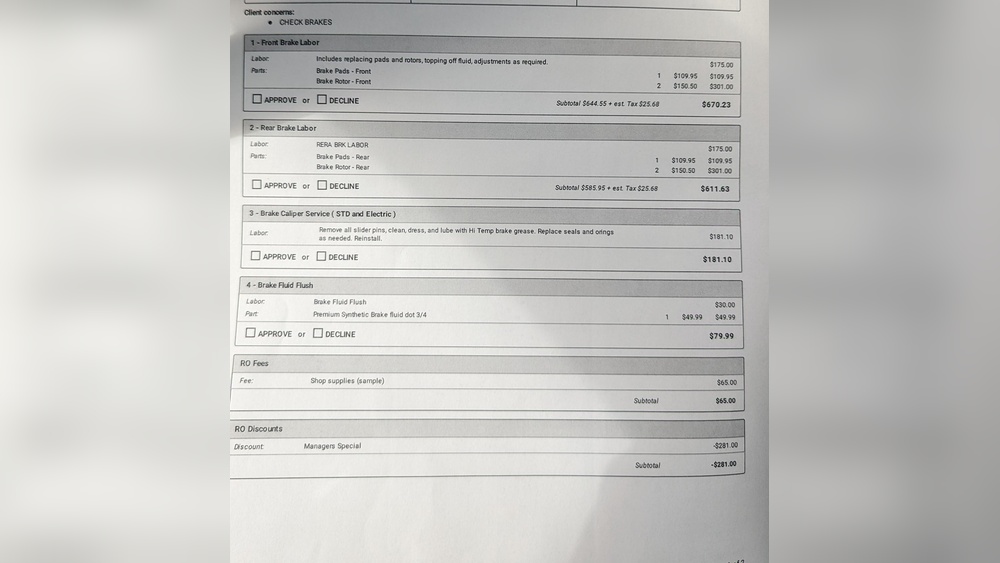
Replacing brake pads on a Honda Accord usually costs between $100 and $200. This price covers parts and labor. Prices vary by pad quality and shop rates. Cheaper pads cost less but wear faster. High-quality pads last longer and provide better stopping power.
Rotor Replacement Costs
Rotors often need replacement with brake pads. Rotor costs range from $150 to $300 each. Labor adds to the total price. Some Honda Accord models use front and rear rotors, doubling the cost. Rotors must be replaced if warped or too thin. New rotors improve braking performance and safety.
Complete Brake Job Expenses
A full brake job includes pads, rotors, and labor. Expect to pay between $300 and $600 for a complete job. Costs depend on part quality and labor fees. A complete brake job ensures all parts work well together. This service extends brake life and keeps your Accord safe on the road.
Diy Vs Professional Service
Deciding between fixing your Honda Accord’s brakes and rotors yourself or hiring a professional is important. Both choices have pros and cons. Understanding these can help you save money and keep your car safe.
Advantages Of Diy
Doing the brake and rotor replacement yourself can save money on labor costs. You buy only parts and tools. Learning to fix your car builds useful skills. You can work on your own schedule. No need to wait for a mechanic’s appointment. It also gives a sense of pride and accomplishment.
Risks And Challenges
Brake work requires precision and care. Mistakes can cause serious safety issues. Without experience, you might damage parts or install them wrong. Some tools may be expensive or hard to find. Time spent on fixing may be longer than expected. Lack of proper knowledge can lead to future car problems.
When To Choose A Mechanic
Choose a mechanic if you lack tools or experience. Professionals have the right equipment and knowledge. They can spot hidden problems quickly. Mechanics offer warranties on their work. Complex brake issues are safer to handle professionally. If you want peace of mind and fast service, a shop is best.
Tips To Save On Brake Repairs
Brake repairs can be costly, especially for a Honda Accord. Saving money is possible with smart choices. Some simple tips help keep your brakes in good shape. These tips also reduce repair costs over time.
Choosing Quality Parts
Use good-quality brake pads and rotors. Cheap parts wear out fast and need replacement soon. Quality parts last longer and work better. This means fewer repairs and lower costs. Ask your mechanic about reliable brands for your Accord.
Regular Maintenance
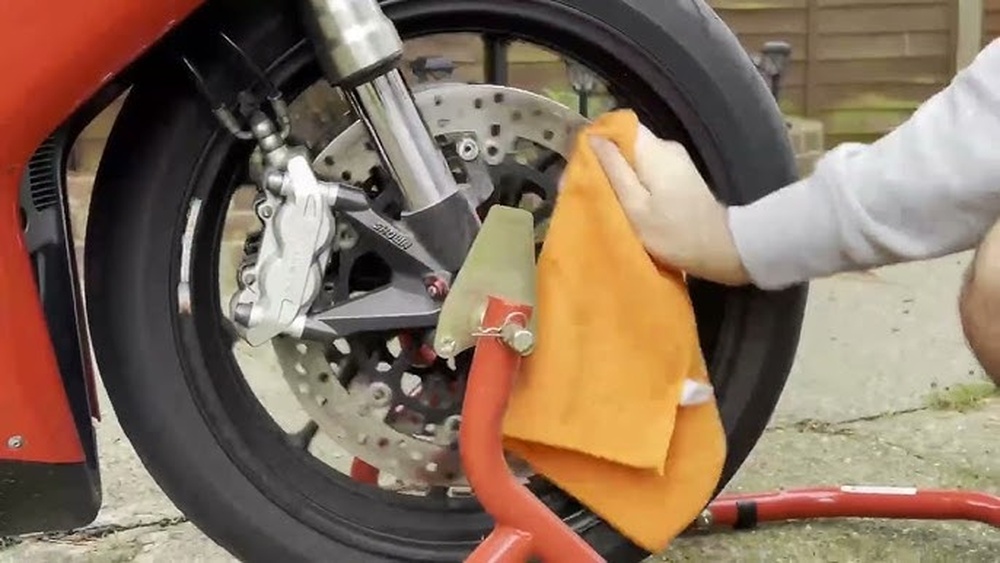
Check brakes regularly for wear and tear. Clean brake parts to avoid dirt buildup. Replace brake fluid as recommended in your car manual. Proper maintenance helps spot problems early. Fixing small issues is cheaper than big repairs.
Comparing Repair Shops
Get quotes from several shops before choosing one. Prices can vary a lot for the same service. Read reviews to find trustworthy mechanics. Ask about warranties on parts and labor. Good shops offer fair prices and quality work.

Credit: www.reddit.com
Signs You Need Brake And Rotor Replacement
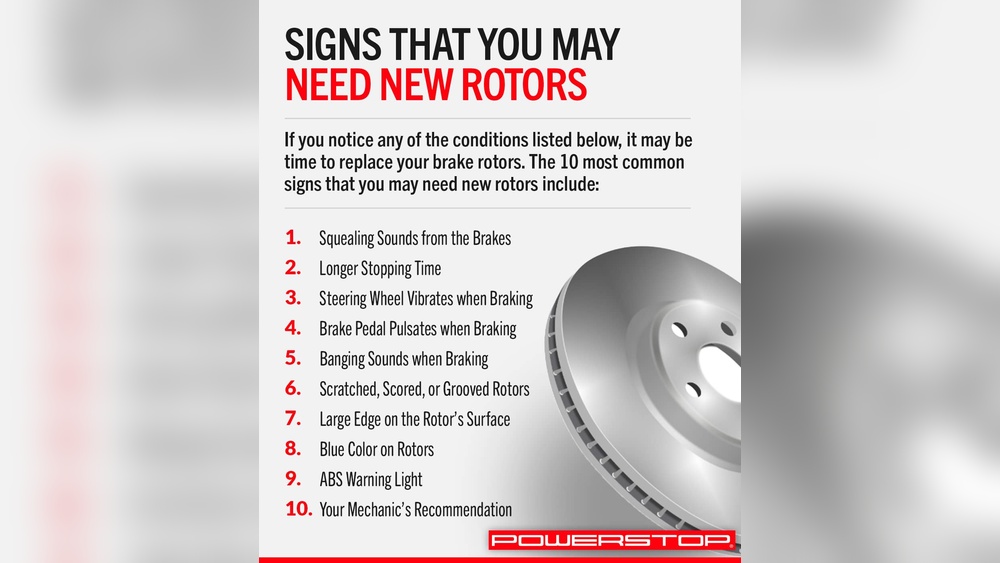
Knowing when to replace your Honda Accord’s brakes and rotors is vital for safety. Worn brakes reduce stopping power and can cause accidents. Early signs help avoid costly repairs. Watch for changes in sound, feel, or look of your braking system.
Noises And Vibrations
Squealing or grinding sounds mean brake pads are worn out. Vibrations or shaking in the brake pedal or steering wheel signal rotor problems. These noises and vibrations need quick attention to avoid damage.
Reduced Braking Performance
Your car takes longer to stop or the brake pedal feels soft. This means the brakes are losing strength. Reduced braking can be dangerous, so check your brake system soon.
Visual Inspection Tips
Look at the brake pads through the wheel spokes. Thin pads mean it is time to replace them. Rotors with grooves or rust spots need repair or replacement. Clean, smooth rotors and thick pads are signs of good brakes.
Frequently Asked Questions
How Much Does It Cost To Replace Brakes And Rotors On A Honda Accord?
Replacing brakes and rotors on a Honda Accord typically costs between $300 and $700. Prices vary by model year, parts quality, and labor fees at the shop. OEM parts usually cost more but offer better durability.
Are Oem Or Aftermarket Brake Parts Better For Honda Accord?
OEM brake parts ensure compatibility and reliability for Honda Accords. Aftermarket parts are cheaper but vary in quality. Choose OEM for best performance and safety, especially for brakes and rotors.
How Often Should Honda Accord Brakes And Rotors Be Replaced?
Honda Accord brakes and rotors generally need replacement every 30,000 to 70,000 miles. This depends on driving habits, terrain, and brake quality. Regular inspections help catch wear early and maintain safety.
Can I Replace Honda Accord Brakes And Rotors Myself?
Yes, if you have mechanical skills and proper tools, you can replace brakes and rotors yourself. Follow a detailed guide and safety measures. Otherwise, professional service is recommended to ensure proper installation.
Conclusion
Brake and rotor costs for a Honda Accord vary by model and location. Quality parts cost more but last longer. Labor charges depend on the mechanic’s rates and job complexity. Regular brake checks can save money and keep you safe.
Choose trusted shops for fair prices and good service. Don’t wait for signs of wear to fix brakes. Proper maintenance helps your car run smoothly. Keep these points in mind when planning brake repairs. Save money and drive with confidence.