Are you ready to bring a splash of color and charm into your home or garden? Wax Begonias are a perfect choice for you.
They are easy to grow and brighten any space with their shiny leaves and vibrant blooms. But to keep your Wax Begonia looking its best, you need to know the right care tips. You’ll discover simple and effective ways to help your plant thrive.
Whether you’re a beginner or have some experience, these tips will make sure your Wax Begonia stays healthy and beautiful all year round. Let’s dive in and unlock the secrets to taking care of your Wax Begonia!
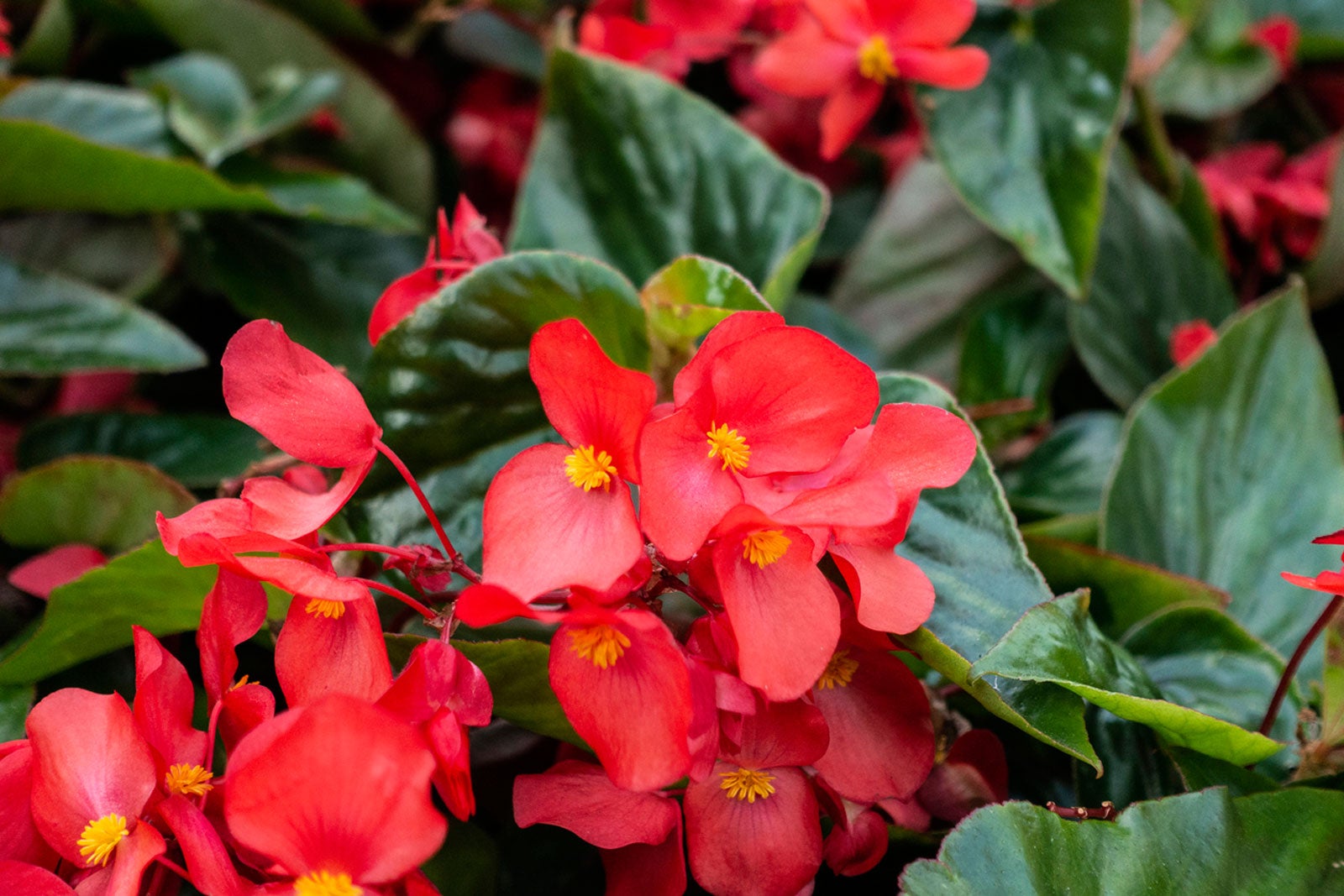
Credit: www.gardeningknowhow.com
Choosing The Right Location
Choosing the right location for your wax begonia is very important. This plant thrives best in certain spots. Picking a good place helps it grow healthy and bloom beautifully. Consider light and temperature carefully. These two factors influence the plant’s health and appearance.
Light Requirements
Wax begonias need bright but indirect light. Direct sunlight can burn their leaves. A spot near a window with filtered light works well. Too little light makes the plant weak and stops flowering. Find a balance with moderate light to keep it vibrant.
Temperature Preferences
Wax begonias prefer temperatures between 60°F and 75°F. They do not like cold drafts or sudden changes. Avoid placing them near heaters or air conditioners. Keeping a steady, warm temperature helps the plant stay healthy. Cooler nights around 55°F are okay but avoid frost.
Soil And Potting Tips
Taking care of wax begonias starts with the right soil and pot. These plants need soil that drains well but holds some moisture. Choosing the right pot also helps avoid root problems. Proper soil and potting create a healthy base for your plant to grow strong and bloom beautifully.
Ideal Soil Mix
Wax begonias prefer soil that is light and well-draining. A mix of peat moss, perlite, and potting soil works best. This blend keeps moisture without waterlogging the roots. Avoid heavy soils that stay wet too long. Good drainage prevents root rot and keeps the plant healthy.
Repotting Guidance
Repot wax begonias every one to two years. Choose a pot slightly larger than the current one. Make sure the pot has drainage holes. Gently remove the plant and shake off old soil. Place the plant in fresh soil mix and water lightly. Repotting refreshes nutrients and gives roots space to grow.
Watering Practices
Watering is a key part of caring for your wax begonia. Proper watering keeps the plant healthy and vibrant. Too much or too little water can harm it. Understanding the right frequency and amount helps your plant thrive.
Frequency And Amount
Water wax begonias when the soil feels dry. Check the top inch of soil with your finger. If it is dry, it’s time to water. Usually, once or twice a week works well. Adjust based on the weather and season. Use enough water to moisten the soil fully. Avoid leaving water standing in the pot.
Signs Of Overwatering
Yellowing leaves often signal too much water. Soft or mushy stems also show overwatering. The soil may stay wet for too long. Root rot can develop if overwatering continues. Your plant will look weak and droopy. Stop watering and let the soil dry out. Use well-draining soil to prevent water buildup.
Fertilizing Your Wax Begonia
Fertilizing your wax begonia helps it grow strong and bloom beautifully. These plants need regular feeding to get enough nutrients. Without proper fertilizer, begonias may look weak and produce fewer flowers. Understanding the right type of fertilizer and how often to use it keeps your plant healthy and vibrant.
Best Fertilizers To Use
Choose a balanced fertilizer with equal parts nitrogen, phosphorus, and potassium. A 10-10-10 or 20-20-20 formula works well for wax begonias. Liquid fertilizers are easy to apply and absorb quickly. Slow-release fertilizers also provide steady nutrients over time. Avoid fertilizers with too much nitrogen, as they may cause more leaves than flowers.
Feeding Schedule
Feed your wax begonia every two weeks during the growing season. This period usually runs from spring to early fall. Reduce feeding in winter when the plant grows slowly. Always follow the instructions on the fertilizer package. Overfeeding can harm the plant and cause leaf burn.
Pruning And Maintenance
Pruning and maintenance help keep your wax begonia healthy and beautiful. Regular care improves air flow and sunlight reach. This encourages new growth and more flowers. It also prevents disease and pests.
Cutting back old or dead parts keeps the plant tidy. This care is easy and helps the plant thrive longer. Focus on removing spent flowers and shaping the plant to maintain its form.
Deadheading Flowers
Remove faded or dead flowers by pinching them off. This stops the plant from making seeds. Energy goes to new blooms instead of seed production. Use your fingers or small scissors for this task.
Check your plant every few days. Deadheading encourages continuous blooming. It also helps the plant look fresh and neat. Do not pull too hard to avoid damaging stems.
Shaping The Plant
Trim leggy or overgrown stems to keep a compact shape. Cut just above a leaf node to promote branching. This makes the plant bushier and fuller. Remove weak or crossing branches that crowd the center.
Shape the plant after flowering periods for best results. Use clean, sharp scissors or pruning shears. Shaping improves air circulation inside the plant. This reduces the chance of mold and pests.
:max_bytes(150000):strip_icc()/KaraRileyWaxBegonias-11-092b8c88096740b4bdd087c8ae5fef85.jpg)
Credit: www.thespruce.com
Pest And Disease Control
Taking care of wax begonias means watching out for pests and diseases. These problems can harm your plants quickly. Early detection helps keep your begonias healthy and vibrant. Knowing common pests and how to prevent them is key.
Common Pests To Watch
Aphids are small insects that suck plant sap. They cause leaves to curl and yellow. Whiteflies fly around your plants and leave a sticky residue. Spider mites create tiny webs and cause leaf spots. Mealybugs look like white cotton and gather on stems. These pests weaken your wax begonia and slow growth.
Preventive Measures
Check your plants regularly for any signs of pests. Remove dead leaves and debris around the base. Water your begonias at the soil level to avoid wet leaves. Use insecticidal soap or neem oil to control pests safely. Avoid overcrowding plants to improve air circulation. Healthy plants resist pests and diseases better.
Propagating Wax Begonia
Propagating wax begonia is a simple way to grow new plants from your existing ones. It helps you fill your garden with more flowers and leaves without buying new plants. This method works well for beginners and takes little time.
The most common way to propagate wax begonia is by using stem cuttings. This technique lets you create healthy new plants quickly. Follow the steps carefully to get the best results.
Stem Cutting Method
Choose a healthy stem with no flowers. Cut a 4-6 inch piece just below a leaf node. Remove the lower leaves from the cutting. Place the cutting in water or moist soil. Keep it in a warm spot with indirect light. Roots should grow in 2-3 weeks. Once roots are strong, plant the cutting in a pot with well-draining soil.
Care For New Plants
Water the new plants lightly to keep the soil moist. Avoid overwatering as it can cause root rot. Place the plants in a bright area but not under direct sun. Feed them with a weak liquid fertilizer every two weeks. Watch for pests and remove dead leaves to keep plants healthy. New wax begonias grow faster with proper care.
:max_bytes(150000):strip_icc()/KaraRileyWaxBegonias-22-dcf22f310a00457e8c926a39ce88b066.jpg)
Credit: www.thespruce.com
Frequently Asked Questions
How Often Should I Water My Wax Begonia?
Water Wax Begonia when the top inch of soil feels dry. Avoid overwatering to prevent root rot. Regular, moderate watering helps maintain healthy growth and vibrant blooms.
What Light Conditions Does Wax Begonia Prefer?
Wax Begonia thrives in bright, indirect light. It tolerates partial shade but avoids direct, harsh sunlight, which can scorch leaves. Proper light ensures lush foliage and abundant flowers.
How Do I Fertilize Wax Begonia Effectively?
Feed Wax Begonia every 2-4 weeks during the growing season. Use a balanced, water-soluble fertilizer diluted to half strength. This promotes strong growth and continuous blooming.
Can Wax Begonia Grow Indoors Successfully?
Yes, Wax Begonia grows well indoors with adequate light and humidity. Place near a bright window but avoid direct sun. Maintain consistent moisture for best results.
Conclusion
Taking care of wax begonias is simple and rewarding. Water them regularly, but avoid soggy soil. Place the plants in bright, indirect sunlight for best growth. Keep the temperature moderate and protect from strong winds. Prune dead leaves to keep them healthy and neat.
With these easy steps, your wax begonias will stay vibrant and beautiful. Enjoy the charm they bring to your home or garden every day.