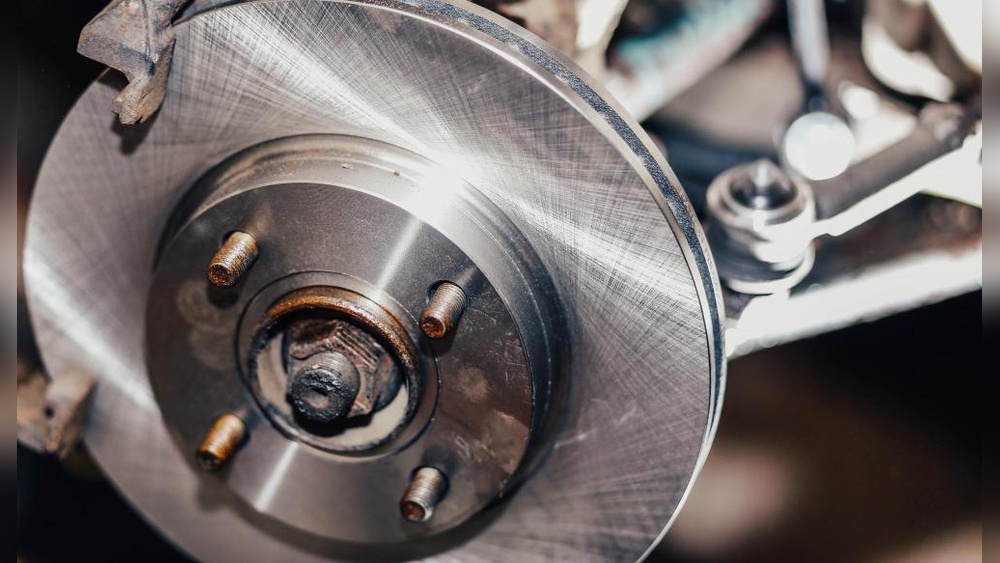
Are your brakes making strange noises or feeling less responsive? It might be time to replace your brake rotors.
But before you head to the shop, you probably want to know one thing: how much is it going to cost? Understanding the price can help you avoid surprises and make smarter decisions for your safety and budget. You’ll discover the real costs behind replacing brake rotors, what affects the price, and how you can save money without compromising quality.
Keep reading to get the full picture and take control of your car’s maintenance.
Brake Rotor Replacement Costs
Replacing brake rotors is a key part of keeping your vehicle safe. Knowing the cost helps you prepare your budget. Prices can vary widely depending on several factors. Understanding these can save you money and time.
Average Price Range
Brake rotor replacement usually costs between $150 and $400 per axle. This price includes parts and labor. Some rotors for luxury or heavy vehicles cost more. Basic models and economy cars tend to have cheaper parts.
Factors Affecting Cost
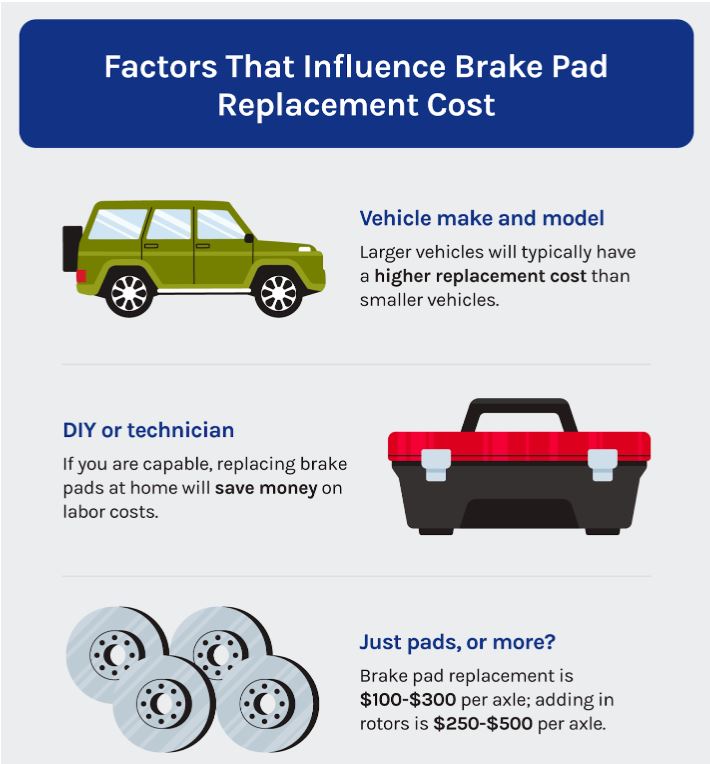
Rotor size and quality change the price a lot. High-performance rotors or those made from special materials cost more. The vehicle’s make and model also matter. Older cars might need harder-to-find parts. The condition of other brake parts can raise the total bill.
Labor Charges Explained
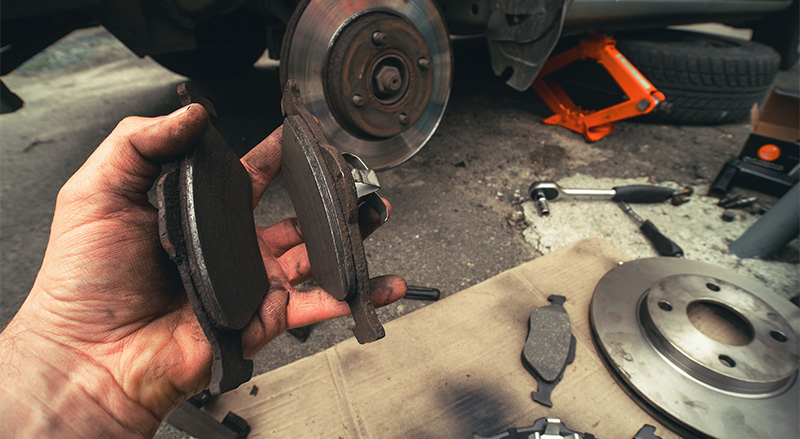
Labor fees depend on the shop and location. Mechanics usually spend one to two hours replacing rotors. Labor rates range from $50 to $150 per hour. Complex jobs take longer and cost more. Some shops include brake pad replacement, which adds to labor time.
Credit: blog.napacanada.com
Types Of Brake Rotors
Brake rotors are key parts of your car’s braking system. They help stop your vehicle by working with the brake pads. Different types of brake rotors exist, and each type fits different driving needs. Understanding these types can help you choose the right one and know the cost better.
Brake rotors vary by design and material. These differences affect how well they perform and their price. Choosing the right rotor depends on your driving style and budget.
Standard Vs Performance Rotors
Standard rotors are common in everyday cars. They provide good stopping power for regular driving. Performance rotors are made for sporty or heavy-duty use. They cool faster and resist wear better. Performance rotors cost more but last longer and improve safety in tough conditions.
Material Differences
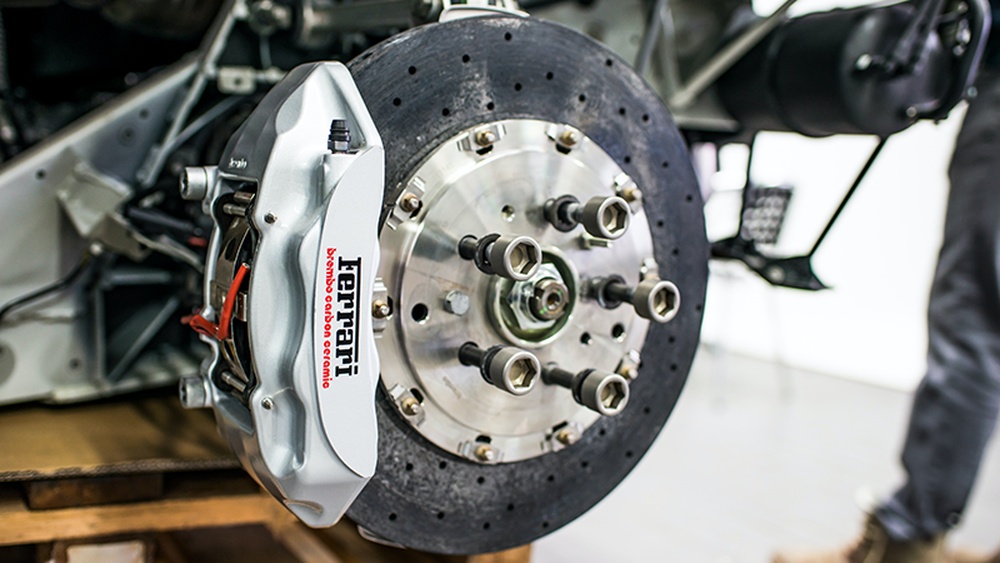
Most rotors are made from cast iron. Cast iron is affordable and works well for normal driving. Some rotors use steel or carbon composites. Steel rotors are stronger but can be heavier. Carbon composite rotors are light and handle heat well. These materials are found mostly in high-end cars and cost much more.
Impact On Price
The type and material of rotors affect their price greatly. Standard cast iron rotors are the cheapest. Performance rotors with special materials cost double or more. Installation costs also rise with rotor complexity. Knowing these price differences helps plan your budget for replacement.
Signs You Need New Rotors
Brake rotors play a key role in stopping your car safely. Over time, rotors wear out and need replacement. Recognizing signs of worn rotors helps avoid costly repairs and keeps driving safe. Here are clear signs that show your rotors need attention.
Common Warning Symptoms
One common sign is a pulsing feeling in the brake pedal. This happens when rotors are warped or uneven. Another symptom is longer stopping distances. Your car might take more space to stop than usual. Also, a burning smell during braking can signal rotor problems.
Brake Noise And Vibration
Squealing or grinding noises during braking indicate rotor wear. These sounds mean the brake pads might be rubbing unevenly. Vibration felt through the steering wheel or brake pedal also points to rotor issues. These vibrations usually mean the rotors are warped or damaged.
Visual Inspection Tips
Look at your rotors through the wheel spokes. Deep grooves or scoring on the rotor surface mean they are worn. Rust or cracks on rotors also show damage. Thin rotors, which look almost see-through at the edges, need replacement. Check rotors regularly to catch problems early.
Diy Vs Professional Replacement
Deciding between DIY and professional brake rotor replacement depends on several factors. Cost, skill level, and safety play big roles. Understanding these points helps make a smart choice for your vehicle and wallet.
Cost Comparison
DIY rotor replacement costs less. You pay only for parts and basic tools. Professional service includes parts, labor, and shop fees. Labor alone may double or triple the parts cost. Professionals offer warranties, adding value but raising price.
Tools Required
DIY needs specific tools. You need a jack, lug wrench, socket set, and brake cleaner. Sometimes, a torque wrench and C-clamp help. Professionals have all tools ready and specialized equipment. Missing one tool can make the job harder or unsafe.
Safety Considerations
Brake work affects car safety. Mistakes can cause brake failure or accidents. Professionals know exact procedures and safety checks. DIY must follow instructions carefully and take time. Working on brakes requires care, focus, and proper tools to avoid injury or damage.
Ways To Save On Rotor Replacement
Replacing brake rotors can be costly. Saving money is possible with smart choices. Small steps help lower the total cost. Focus on parts, labor, and care to save.
Choosing Affordable Parts
Not all rotors cost the same. Choose parts that fit your budget. Look for quality but avoid expensive brands. Aftermarket rotors often cost less than original ones. Check for warranties to ensure good value.
Finding Reliable Mechanics
Mechanic fees vary widely. A trusted local shop may charge less than a dealer. Ask friends or read reviews to find honest mechanics. Avoid very cheap services that may cut corners. Clear communication about costs prevents surprises.
Maintenance Tips To Extend Rotor Life
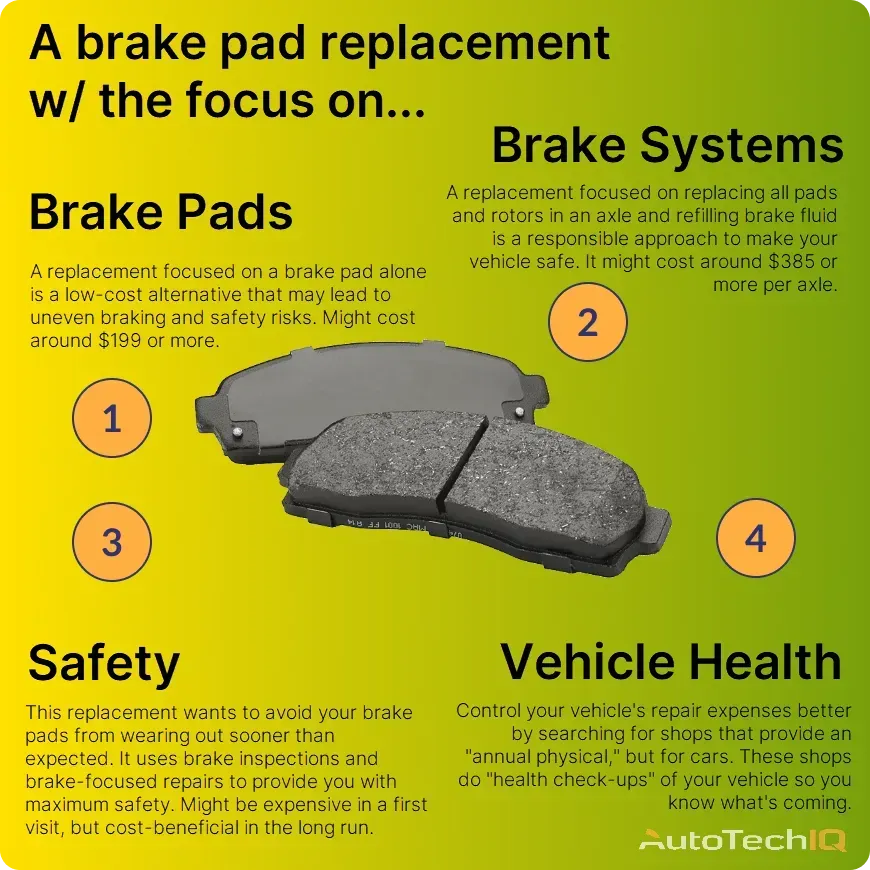
Take care of your brakes to delay replacement. Avoid hard braking and sudden stops. Regularly check brake pads to avoid rotor damage. Clean rotors during tire changes to prevent rust. Proper maintenance saves money over time.
Credit: www.autotechiq.com
Credit: www.aaa.com
Frequently Asked Questions
How Much Does It Cost To Replace Brake Rotors?
The average cost to replace brake rotors ranges from $200 to $400 per axle. Prices vary by car model and labor fees.
When Should You Replace Brake Rotors?
Replace brake rotors if you notice vibrations, noise, or visible wear. Typically, rotors last 30,000 to 70,000 miles.
Can I Replace Brake Rotors Myself?
Yes, replacing brake rotors yourself is possible with basic tools and knowledge. However, professional service ensures safety and proper installation.
What Factors Affect Brake Rotor Replacement Cost?
Costs depend on rotor quality, vehicle type, labor rates, and whether pads are replaced simultaneously. Luxury vehicles often cost more.
Conclusion
Replacing brake rotors can vary in cost depending on your car and location. Choosing quality parts helps keep your brakes safe and reliable. Regular checks prevent costly repairs later. Don’t wait if you hear strange noises or feel vibrations. Staying on top of brake maintenance protects you and others on the road.
Understanding the costs helps you plan your budget well. Safe brakes mean peace of mind every time you drive.