
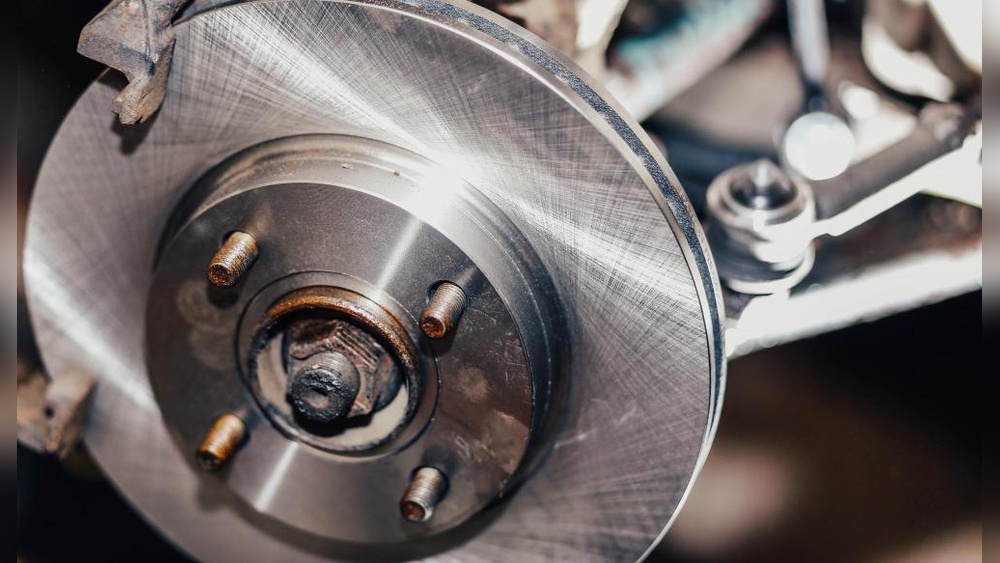
Your car’s brake rotors play a crucial role in keeping you safe on the road. But what happens when they wear out?
Throwing them in the trash isn’t just bad for the environment—it’s a missed opportunity. You might not realize it, but recycling brake rotors can save resources, reduce waste, and even put some money back in your pocket. If you want to learn the simple steps to recycle your brake rotors the right way, keep reading.
This guide will show you exactly how to do it quickly and easily. Your car, your wallet, and the planet will thank you.
Why Recycle Brake Rotors
Recycling brake rotors is important for many reasons. These metal parts can be reused instead of thrown away. This helps protect the environment and saves resources. Understanding why recycling brake rotors matters can encourage more people to take part in this simple action.
Environmental Benefits
Recycling brake rotors reduces the need to mine new metals. Mining causes pollution and harms natural habitats. Using recycled metal lowers air and water pollution. It also cuts down on greenhouse gas emissions. Recycling helps keep the earth cleaner and safer for all.
Economic Advantages
Recycling brake rotors saves money for both businesses and consumers. It costs less to recycle metal than to make new metal from raw materials. Recycled metal can be sold to factories for reuse. This creates jobs in recycling centers and metal industries. It supports the economy by making use of old materials.
Reducing Landfill Waste
Brake rotors take up space in landfills if not recycled. Metal parts do not break down easily. They stay in landfills for many years. Recycling reduces the amount of waste that fills up landfills. This helps keep communities cleaner and reduces harmful effects on the soil.
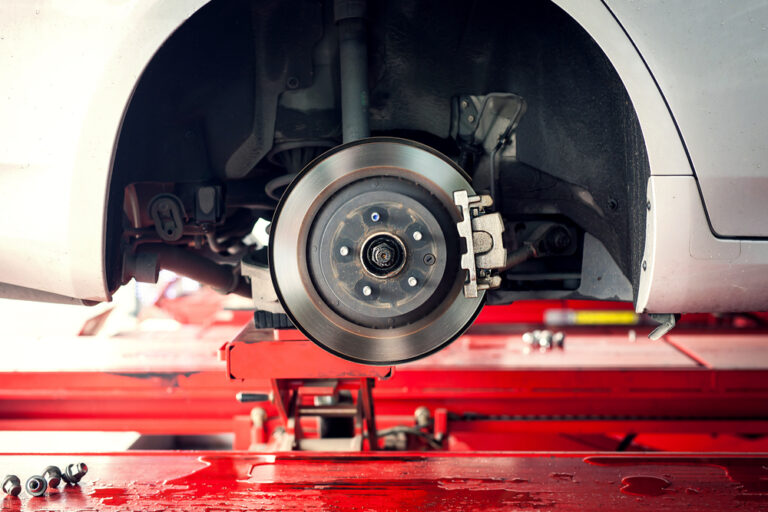
Credit: www.actionmetalsrecyclers.com
Materials In Brake Rotors
Brake rotors play a key role in vehicle safety. They must handle heat and friction well. Knowing what materials make up brake rotors helps in recycling them properly. This section explains the common metals and parts inside brake rotors that can be recycled.
Common Metals Used
Most brake rotors are made from cast iron. This metal is strong and handles heat well. Some rotors use steel or a mix of metals for better performance. Lightweight vehicles may have rotors made from aluminum alloys. These metals are valuable for recycling.
Recyclable Components
Brake rotors have more than metal. The main part is the metal disc. It can be melted down and reused. Some rotors include small parts like sensors or coatings. These parts must be removed before recycling. Clean metal ensures better recycling results.
Preparing Rotors For Recycling
Preparing brake rotors for recycling is a key step to ensure they can be processed properly. This helps recycling centers handle the materials efficiently and safely. Proper preparation also maximizes the value of the recycled metal.
Follow a few simple steps to get your rotors ready. These steps include cleaning, removing unwanted parts, and checking local rules. Each step is important for a smooth recycling process.
Cleaning The Rotors
Start by cleaning the rotors thoroughly. Remove dirt, grease, and brake dust using a wire brush or a rag with some cleaner. Clean rotors reduce contamination and improve recycling quality. Avoid harsh chemicals that could damage the metal.
Removing Non-metal Parts
Check the rotors for non-metal components like rubber seals or plastic clips. Remove these parts carefully. Non-metal items can cause problems at recycling centers. Removing them ensures only metal is recycled.
Checking Local Guidelines
Look up recycling rules in your area before you recycle. Some places have special instructions for car parts. Follow these guidelines to avoid fines and ensure proper recycling. Local rules can differ widely.
Where To Recycle Brake Rotors
Recycling brake rotors helps save resources and protect the environment. Knowing where to recycle them is important. There are several places that accept old brake rotors for recycling. These options make it easy to dispose of them responsibly. Below are common spots to recycle brake rotors safely and correctly.
Auto Parts Stores
Many auto parts stores accept used brake rotors. They often have recycling programs for metal parts. Some stores offer discounts or rewards for recycling old parts. Check with local stores to see if they recycle brake rotors. Drop off your rotors during store hours for quick recycling.
Scrap Yards
Scrap yards buy and recycle metal parts like brake rotors. They pay cash based on metal weight and quality. Take your rotors to a nearby scrap yard for recycling. Make sure the scrap yard accepts brake rotors before visiting. This option helps recycle metal and earns some money.
Recycling Centers
Local recycling centers often accept brake rotors as scrap metal. They sort and process metals for reuse. Check your city or town recycling center for accepted items. Drop off brake rotors during collection hours. Recycling centers provide a simple way to recycle brake rotors responsibly.
Step-by-step Recycling Process
Recycling brake rotors helps protect the environment and saves resources. The process involves several clear steps. Each step ensures the rotors are handled safely and reused effectively. Understanding this process makes recycling easier and more efficient.
Collecting And Sorting
First, gather used brake rotors from repair shops or car owners. Sorting them by material type is important. Steel rotors go in one pile, cast iron in another. Removing any non-metal parts like rubber or plastic helps keep the materials pure. Proper sorting improves recycling quality and efficiency.
Transporting To Facility
Next, transport the sorted rotors to a recycling facility. Facilities have the right tools to process brake rotors. Use secure containers to avoid damage during transport. Timely delivery helps keep the recycling process smooth and continuous. Proper handling reduces waste and saves energy.
Processing And Reuse
At the facility, rotors are cleaned and shredded into small pieces. The metal is melted down in a furnace. This metal becomes raw material for new products. Some recycled metal returns as new brake rotors or other car parts. Recycling metal uses less energy than mining new metal. It also reduces pollution and landfill waste.
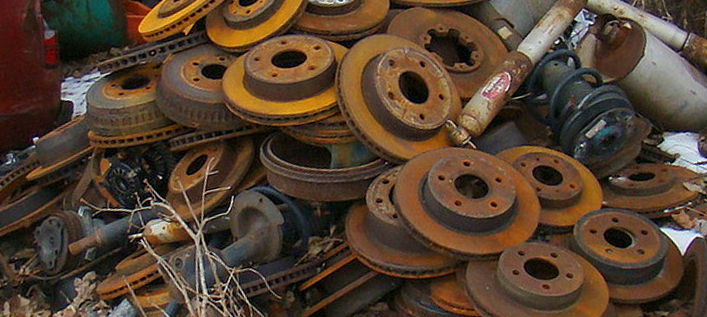
Credit: rockawayrecycling.com
Tips For Eco-friendly Disposal
Recycling brake rotors is important for protecting the environment. Proper disposal saves natural resources and reduces waste. Following eco-friendly tips helps keep the process safe and effective.
These tips guide you to recycle brake rotors responsibly. They focus on avoiding harm, using trusted recyclers, and involving the community.
Avoiding Improper Disposal
Do not throw brake rotors in regular trash bins. They contain metals that can harm the environment. Avoid dumping rotors in landfills or open areas. Improper disposal pollutes soil and water. Take rotors to places that accept metal waste only.
Using Certified Recyclers
Choose recyclers who follow environmental rules. Certified recyclers ensure safe handling and recycling methods. They separate metals and prepare them for reuse. This reduces the need to mine new metals. Always ask for proof of certification before handing over rotors.
Encouraging Community Participation
Tell neighbors and friends about recycling brake rotors. Organize local collection events to gather used rotors. Sharing knowledge helps increase recycling rates. Communities working together create bigger environmental impact. Support local programs that promote metal recycling.
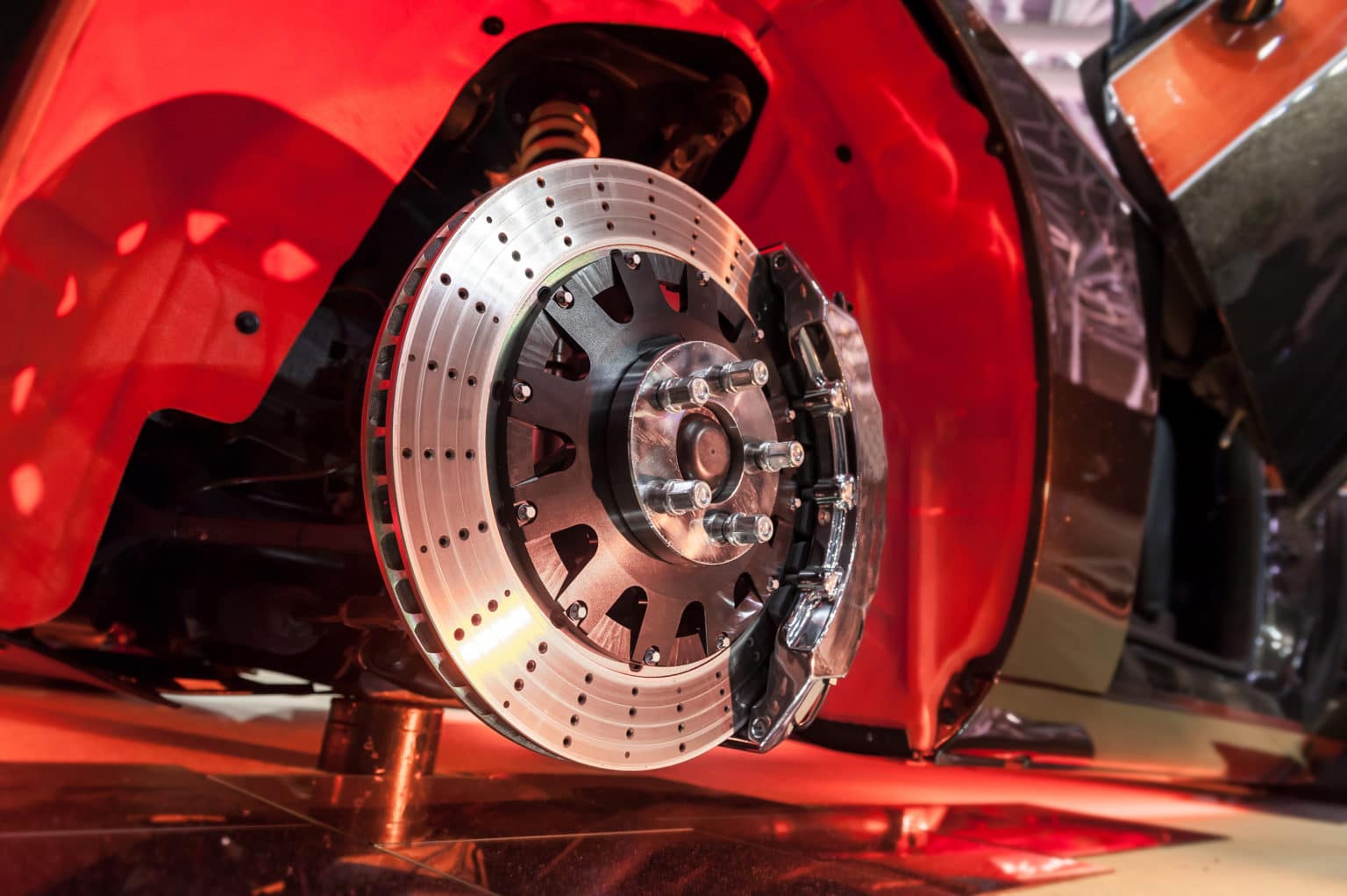
Credit: www.mandmrecycling.com
Frequently Asked Questions
How Do I Recycle Brake Rotors Safely?
To recycle brake rotors safely, remove them carefully from the vehicle. Clean off any grease or contaminants. Take them to a certified metal recycling center that accepts automotive parts.
Can Brake Rotors Be Recycled For Money?
Yes, brake rotors contain valuable metals like steel and iron. Recycling centers often pay based on weight and metal type. Check local scrap yards for current prices.
What Preparation Is Needed Before Recycling Rotors?
Before recycling, clean the rotors to remove dirt and brake dust. Separate them from other car parts. Check with the recycler for any specific requirements.
Why Should I Recycle Brake Rotors?
Recycling brake rotors reduces environmental waste and conserves natural resources. It also prevents hazardous materials from contaminating landfills. Plus, it supports a sustainable automotive industry.
Conclusion
Recycling brake rotors helps protect the environment and saves resources. It reduces waste and lowers the need for new metals. You can find local recycling centers that accept brake rotors. Cleaning and sorting the rotors makes the process easier. Small steps like these make a big difference over time.
Keep your car parts out of landfills and help the planet. Recycling is simple, smart, and good for everyone. Take action today and recycle your brake rotors responsibly.

