

Are your brakes making strange noises or feeling less responsive? It might be time to change your brakes and rotors.
But before you head to the mechanic, you’re probably wondering: how much will the labor cost? Understanding the labor expenses can help you plan your budget and avoid surprises. You’ll discover the typical labor costs for brake and rotor replacement, what affects the price, and tips to get the best value.
Keep reading to make sure you get your car fixed without breaking the bank.
Brake And Rotor Replacement Basics
Brakes and rotors are key parts of your car’s stopping system. They work together to slow down and stop your vehicle safely. Over time, these parts wear out. Replacing them keeps your car safe and reliable. Understanding the basics helps you know when it’s time for service.
Brake pads press against the rotors to create friction. This friction slows the wheels and stops the car. Worn brake pads or damaged rotors reduce braking power. This can cause longer stopping distances or strange noises. Regular checks prevent bigger problems and costly repairs.
Signs You Need New Brakes And Rotors
Squeaking or grinding noises during braking are common signs. If your car pulls to one side when stopping, it may mean uneven wear. A soft or spongy brake pedal shows possible brake fluid issues or worn parts. Vibrations felt in the steering wheel or brake pedal can indicate warped rotors. Watching for these signs helps avoid accidents.
Role Of Brakes And Rotors In Vehicle Safety
Brakes and rotors control how fast your vehicle stops. They protect you, your passengers, and others on the road. Properly working brakes reduce the risk of crashes. Rotors must be smooth and strong to handle heat and friction. Brake pads need enough thickness to grip the rotors well. Safe brakes mean safer driving.
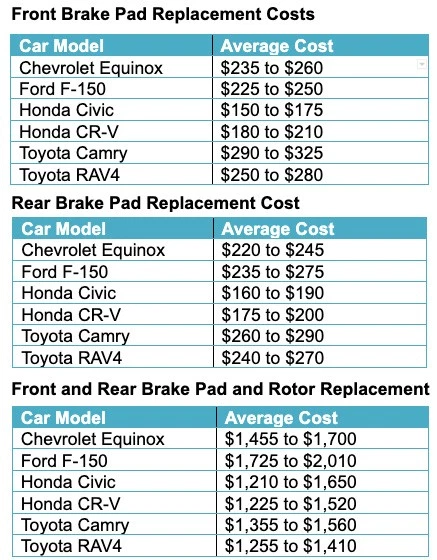
Credit: www.ebay.com
Factors Influencing Labor Costs
Labor costs for changing brakes and rotors vary widely. Several factors affect how much mechanics charge for this service. Understanding these factors helps you budget better for brake repairs. It also explains why prices differ from place to place and vehicle to vehicle.
Vehicle Make And Model Impact
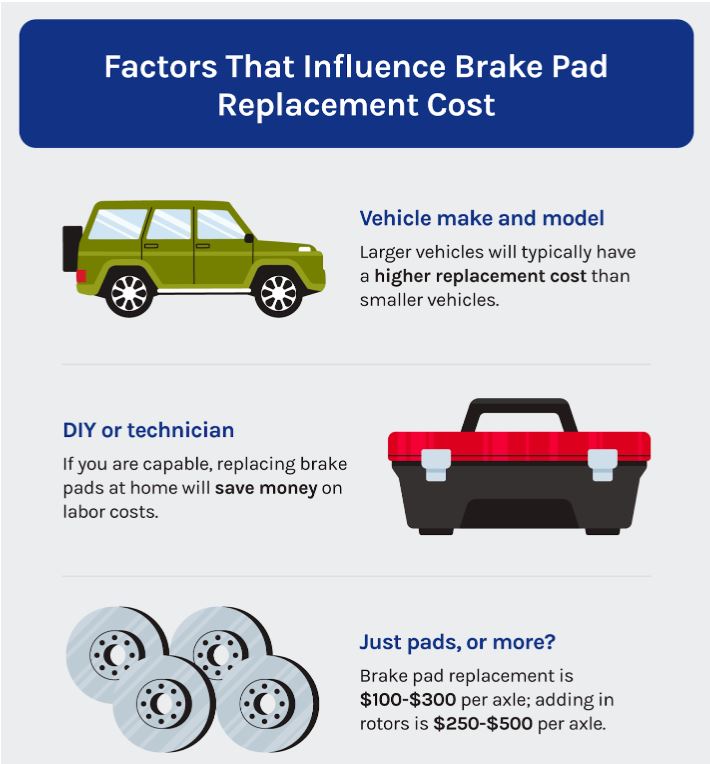
Different cars require different brake parts and labor time. Luxury and sports cars often need special tools or parts. These cars can take longer to service. Older or less common models may also need extra work. Simple, common vehicles usually cost less to fix.
Labor Rates By Location
Labor prices depend on where the repair shop is located. Big cities tend to have higher rates than small towns. Shops in wealthy areas often charge more. Rural areas may have lower labor costs. Local demand and shop reputation also affect prices.
Complexity Of Brake Systems
Modern cars sometimes have advanced brake systems. These include electronic parking brakes or sensors. Such systems require more skill and time to service. Basic brake systems take less time and cost less. The complexity of your brakes directly affects labor costs.
Typical Labor Cost Range
Labor costs to change brakes and rotors vary widely. This range depends on the vehicle type and the shop’s hourly rate. Understanding typical labor costs helps plan your car maintenance budget. These costs cover removing old parts and installing new brakes and rotors.
Cost Breakdown For Standard Cars
Standard cars usually have the lowest labor costs. Mechanics often charge between $80 and $150 per axle. This price reflects about one to two hours of work. Labor is simpler due to easier access to brake components. Expect quicker service and lower charges.
Costs For Trucks And Suvs
Labor costs for trucks and SUVs tend to be higher. These vehicles have bigger brake systems and harder-to-reach parts. Shops may charge $100 to $200 per axle. The job takes more time and effort. Larger vehicles need stronger tools and more care.
Luxury And High-performance Vehicles
Luxury and high-performance cars cost the most to service. Labor can range from $150 to $300 or more per axle. Specialized knowledge and tools are required. These cars often have advanced brake systems. Repairs take longer and demand skillful handling.
Diy Vs Professional Service
Deciding between DIY brake and rotor replacement or hiring a professional is a big choice. Both options have benefits and risks. Understanding these can save money and keep you safe on the road.
Pros And Cons Of Diy Brake Replacement
Doing brake work yourself can save labor costs. You only pay for parts and tools. Learning new skills is a bonus. You can work on your schedule without appointments.
Risks include mistakes that affect safety. Brake parts require precise fitting. Tools can be expensive if you don’t own them. Time spent may be longer than expected.
When To Hire A Mechanic
Choose a mechanic for complex brake issues or if unsure about the process. Professionals have experience and proper tools. They ensure brakes work correctly and safely. Warranty on labor may protect your investment. Time-saving and peace of mind are key reasons to hire help.
Additional Costs To Consider
Changing brakes and rotors involves more than just labor costs. Several other expenses can affect the total price. Knowing these extra costs helps you plan your budget better.
Parts And Materials
Brake pads and rotors are not included in labor charges. These parts vary in price based on quality and brand. Some cars need special materials that cost more. Mechanics also use small items like grease and clips. These materials add to the overall expense.
Hidden Fees And Taxes
Shops may charge extra fees for waste disposal or shop supplies. These costs are often not listed upfront. Local taxes also increase the final bill. Tax rates change depending on your location. Always ask for a detailed invoice to avoid surprises.
Potential For Additional Repairs
While replacing brakes, mechanics might find other issues. Worn calipers or damaged brake lines need fixing. These repairs increase labor and parts costs. Ignoring these problems can reduce brake safety. Addressing them early saves money in the long run.
Credit: www.aaa.com
Tips To Save On Brake And Rotor Labor
Saving money on brake and rotor labor is possible with smart choices. Labor costs can add up fast. Knowing how to cut costs helps keep your budget safe. Simple tips make a big difference.
Finding Reliable Mechanics
Choose mechanics with good reviews and fair prices. Ask friends or family for recommendations. Reliable shops avoid extra charges. They finish work right the first time. This prevents paying twice for the same job.
Scheduling Maintenance To Avoid Higher Costs
Keep up with regular brake checks. Fix minor issues early to stop bigger problems. Worn brakes cause rotor damage. That raises labor time and cost. Scheduling early saves money and stress.
Using Quality Parts Without Overspending
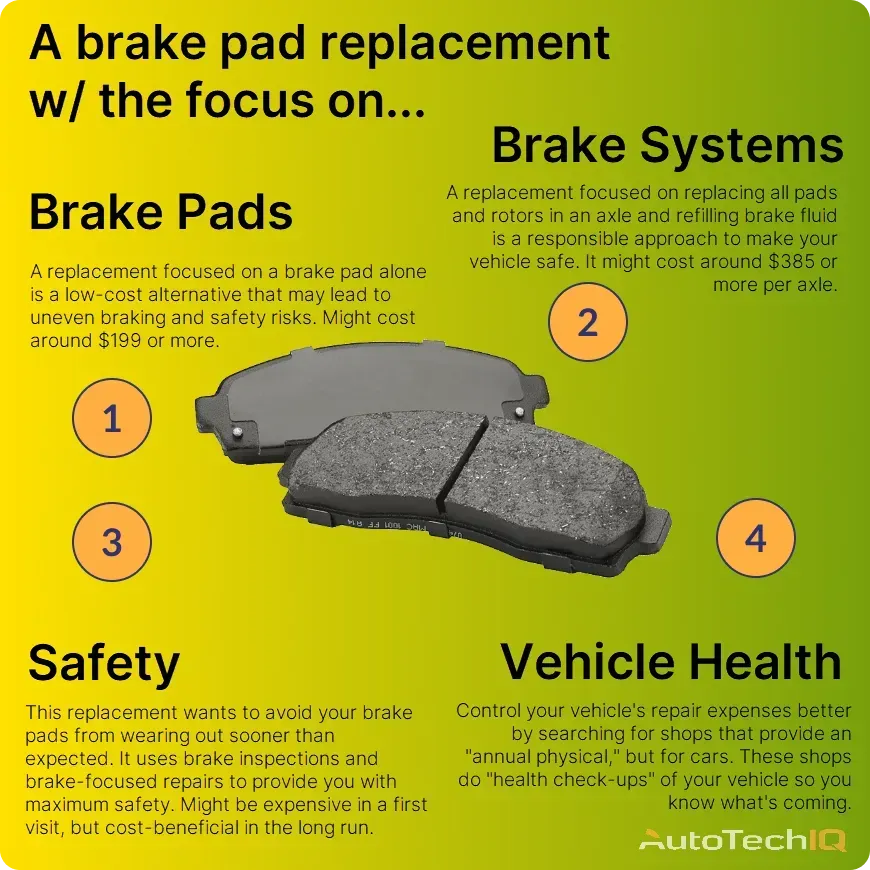
Select parts that last but don’t cost too much. Cheap parts wear out quickly and increase labor visits. Mid-range parts offer good value and reliability. Talk to your mechanic about the best options for your car.
Credit: www.autotechiq.com
Frequently Asked Questions
How Much Does Labor Cost To Change Brakes And Rotors?
Labor costs typically range from $100 to $200 for brake and rotor replacement. Prices vary by vehicle type and location. Labor charges depend on the mechanic’s hourly rate and the job’s complexity.
Does Labor Cost Vary By Vehicle Type For Brake Jobs?
Yes, labor costs can be higher for luxury or larger vehicles. Complex brake systems require more time, increasing labor charges. Standard cars usually have lower labor costs for brake and rotor changes.
How Long Does Brake And Rotor Replacement Labor Take?
Labor usually takes 1 to 2 hours to replace brakes and rotors. Time depends on vehicle type and mechanic expertise. Efficient shops may complete the job quicker, affecting overall labor cost.
Can I Reduce Labor Costs For Changing Brakes And Rotors?
You can reduce labor costs by choosing local or independent mechanics. Avoid dealership services, which tend to be more expensive. Regular maintenance can also prevent costly brake and rotor repairs.
Conclusion
Labor costs to change brakes and rotors vary by location and vehicle type. Shops often charge between $100 and $300 for labor alone. Choosing a trusted mechanic can save time and ensure quality work. Remember, regular brake maintenance helps avoid costly repairs later.
Knowing labor costs helps plan your car expenses better. Don’t wait until brakes make noise or feel weak. Stay safe on the road with timely brake service. Simple steps keep your car running smoothly and safely.


