

Have you ever wondered how those thick, rich foam layers appear instantly when you use a pressure wash foam cannon? If you want to make your cleaning faster, easier, and more effective, understanding how these foam cannons work is the secret.
You’ll discover the simple science behind foam cannons and learn how they can transform your washing routine. Keep reading to unlock the power of foam and take your cleaning game to the next level.
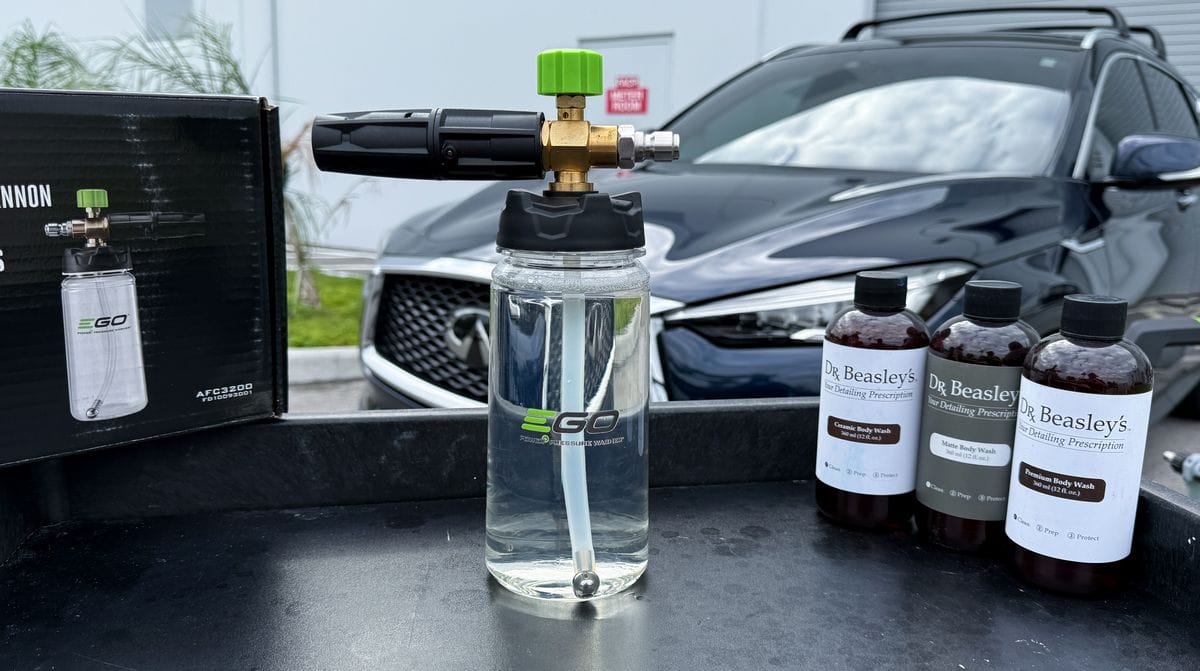
Credit: www.drbeasleys.com
Foam Cannon Basics
Understanding how foam cannons work starts with the basics. These tools help clean surfaces by spraying thick foam. The foam sticks to dirt and grime, making cleaning easier. Foam cannons attach to pressure washers for better results. They create a rich lather that covers cars, driveways, or walls quickly.
Knowing the parts and types of foam cannons helps choose the right one. Each cannon works a little differently but follows the same basic principle. Let’s explore what a foam cannon is, its key components, and the different types available.
What Is A Foam Cannon
A foam cannon is a device that attaches to a pressure washer. It mixes water, air, and soap to create thick foam. This foam sticks to surfaces and loosens dirt. Foam cannons spray a wide area quickly, saving time and effort. They improve cleaning by covering surfaces evenly with soap.
Key Components
Foam cannons have several main parts. The soap bottle holds the cleaning solution. The nozzle controls the foam spray pattern and thickness. The air intake mixes air with water and soap. The connector attaches the cannon to the pressure washer wand. Each part works together to create thick foam.
Types Of Foam Cannons
There are a few types of foam cannons. Standard foam cannons connect directly to pressure washers. They produce thick foam for general cleaning. High-foam cannons create more bubbles and thicker foam. Some models allow foam adjustment for different jobs. Choosing the right type depends on the cleaning task.
How Foam Cannons Generate Foam
Foam cannons create thick foam that cleans surfaces better. They mix soap, water, and air to form suds. This foam sticks to dirty areas. It helps break down grime and dirt easily. Understanding how foam cannons generate foam reveals their simple yet effective design.
Role Of Pressure Washer
The pressure washer pushes water at high speed. This strong water flow powers the foam cannon. It sprays water through the cannon’s nozzle. The pressure forces the soap and water mix out quickly. This pressure is key to making thick foam.
Mixing Soap And Water
The foam cannon has a container for soap and water. These two liquids mix inside the container. The water dilutes the soap to the right strength. The mixture then flows toward the nozzle. Proper mixing creates a smooth, soapy solution.
Air Injection Process
The foam cannon injects air into the soap and water mix. Air bubbles form inside the liquid. These bubbles create foam as the mixture sprays out. The foam is light and thick because of the air. This step turns liquid soap into a fluffy foam.
Choosing The Right Soap
Choosing the right soap for your pressure wash foam cannon makes a big difference. The soap helps create thick foam that lifts dirt and grime. Picking the best soap keeps your surfaces safe and gets them clean fast.
Soap Concentration
Soap concentration matters a lot for foam cannons. Strong soap makes more foam but can waste product. Too weak soap won’t clean well or form enough foam. Find a soap made for foam cannons with medium concentration. It cleans well and saves soap.
Biodegradable Options
Biodegradable soaps break down naturally in the environment. They are safe for plants, animals, and water. Using eco-friendly soaps helps protect your garden and nearby water sources. Choose biodegradable soap to keep your cleaning green.
Avoiding Damage To Surfaces
Some soaps can harm paint, wood, or delicate materials. Avoid harsh chemicals and strong acids. Use soaps labeled safe for your surface type. Test the soap on a small spot first. Safe soaps clean well without causing damage.
Using Foam Cannons Effectively
Using a foam cannon correctly helps you clean surfaces better and faster. It covers the area with thick foam that loosens dirt and grime. This makes washing easier and protects the surface from scratches. Follow these steps to get the best results from your foam cannon.
Setting Up The Equipment
First, connect the foam cannon to your pressure washer. Make sure the connection is tight to avoid leaks. Fill the foam cannon bottle with the right soap mixture. Use soaps made for foam cannons to get thick foam. Check your pressure washer’s water pressure and adjust it if needed.
Adjusting Foam Thickness
Adjust the foam thickness by changing the soap-to-water ratio. More soap makes thicker foam. Use the foam cannon’s dial or knob to control foam output. Test the foam on a small area before cleaning everything. Thicker foam sticks better but can use more soap.
Best Practices For Cleaning
Spray foam evenly over the surface. Let the foam sit for a few minutes. This helps break down dirt without drying. Use a soft brush for stubborn spots. Rinse with clean water using the pressure washer. Avoid spraying foam in direct sunlight to prevent fast drying.
Common Issues And Fixes
Pressure wash foam cannons are great tools for cleaning. Sometimes, they do not work as expected. Common issues can stop them from making good foam or spraying well. Fixing these problems is easy with the right steps. Understanding common issues helps keep your foam cannon working well every time.
Foam Too Thin Or Thick
Thin foam means the soap mix is too weak. Add more soap to make foam thicker. Thick foam may clog the nozzle and not spray well. Add more water to thin the soap mix. Adjust the soap-to-water ratio slowly. Test the foam each time you change the mix.
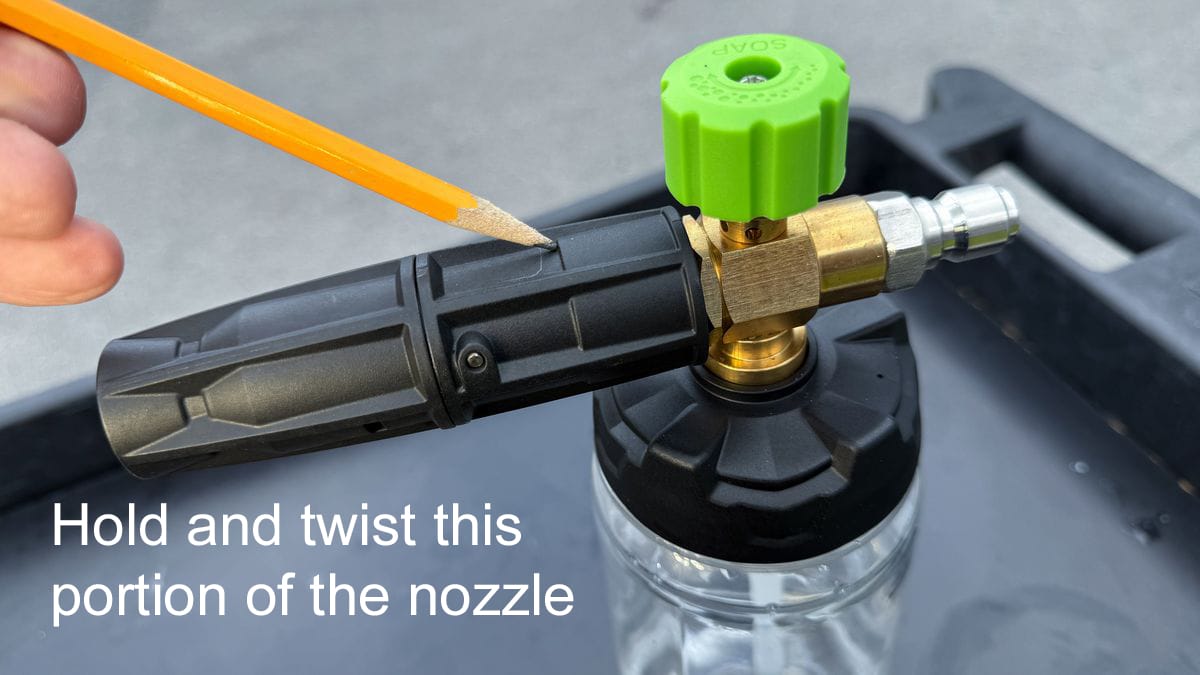
Clogged Nozzles
Nozzles can get blocked by dirt or soap residue. This stops foam from coming out properly. Remove the nozzle and soak it in warm water. Use a small brush or pin to clear the holes. Rinse the nozzle well before using it again. Regular cleaning prevents clogs and keeps spray strong.
Pressure Washer Compatibility
Not all pressure washers work well with foam cannons. Check your washer’s pressure and flow rate. Low pressure may cause weak foam. High pressure might damage the cannon. Use a foam cannon made for your washer’s power level. This match keeps foam thick and spray even.

Credit: pittsburghsprayequip.com
Benefits Of Foam Cannon Cleaning
Foam cannon cleaning offers many benefits for car washing and other cleaning tasks. It uses thick foam to cover surfaces evenly. This foam lifts dirt and grime from the surface. The cleaning process becomes easier and more effective.
Using a foam cannon reduces the risk of scratches. It makes cleaning faster and saves water. These advantages make foam cannons popular for home and professional use.
Enhanced Dirt Removal
Foam cannons create thick foam that sticks to surfaces. This foam loosens dirt and grease effectively. The foam breaks down stubborn grime gently. It reaches hard-to-clean areas easily. Dirt lifts off without harsh scrubbing. This method cleans deeper than traditional washing.
Surface Protection
The foam acts as a soft barrier between the surface and cleaning tools. It reduces the chance of scratches during washing. The thick foam cushions the surface. This lowers damage risk to paint and materials. Foam cleaning is gentle but thorough. It keeps surfaces looking new longer.
Time And Water Savings
Foam cannons cover large areas quickly. Less time is needed to scrub and rinse. The foam holds dirt in place, making rinsing faster. It uses water more efficiently than hose washing. Saving water is good for the environment and bills. Cleaning becomes quicker without losing quality.
Credit: www.drbeasleys.com
Frequently Asked Questions
How Does A Foam Cannon Attach To A Pressure Washer?
A foam cannon connects directly to a pressure washer’s spray gun. It uses a threaded coupling for secure attachment. This allows the washer’s high-pressure water to mix with soap inside the cannon. The result is thick foam sprayed onto surfaces for effective cleaning.
What Is The Role Of Soap In A Foam Cannon?
Soap mixes with water inside the foam cannon to create foam. The soap’s chemical properties break down dirt and grime. This helps lift contaminants off surfaces. Foam clings longer, improving cleaning efficiency and reducing the need for scrubbing.
Can Foam Cannons Improve Car Washing Results?
Yes, foam cannons enhance car washing by applying thick foam evenly. The foam loosens dirt and protects paint by reducing direct contact. It saves time and minimizes scratches. Using a foam cannon leads to a safer, more thorough wash.
Why Is Water Pressure Important For Foam Cannons?
Water pressure forces soap and water to mix and spray as foam. Higher pressure creates denser, more consistent foam coverage. Low pressure results in weak foam, reducing cleaning effectiveness. Optimal pressure ensures the foam cannon works efficiently.
Conclusion
Pressure wash foam cannons mix soap and water with air. This creates thick foam that sticks to surfaces well. The foam helps break down dirt and grime fast. It saves time and water compared to regular washing. Using a foam cannon makes cleaning easier and more effective.
Now you know how these tools work and why they help. Try one next time you clean for better results. Simple, quick, and efficient—foam cannons do the job right.


