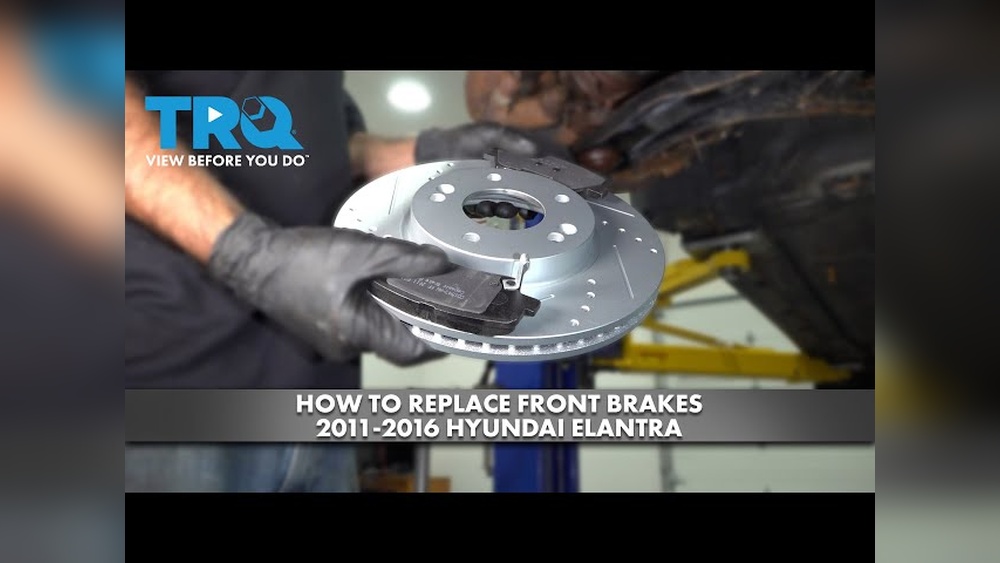
Are you wondering how much rotors and brake pads will cost you? If you’ve noticed squeaky brakes or longer stopping distances, it might be time to replace these crucial parts.
But before you head to the mechanic, it helps to know what to expect in terms of price. Understanding the costs can save you from surprises and help you make smart decisions for your car and your budget. Keep reading to find out exactly how much you might spend on rotors and brake pads—and why the right choice matters for your safety and wallet.
Credit: www.walmart.com
Brake Pads Price Range
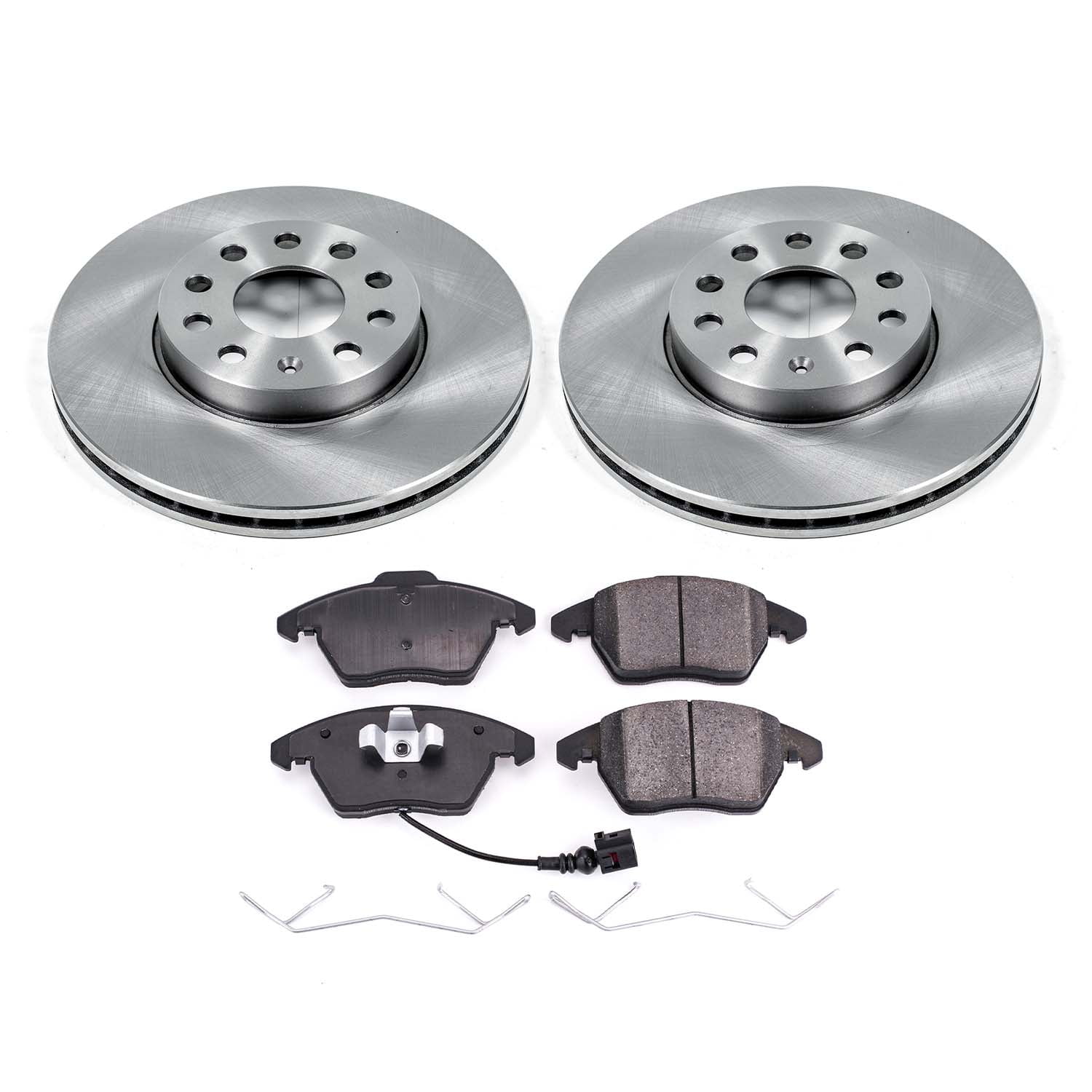
The price of brake pads varies widely depending on many factors. Knowing the price range helps you plan your car maintenance budget. Brake pads can cost from as low as $20 to over $100 per set. The quality, type, and brand influence the cost greatly.
Factors Affecting Brake Pad Costs
Material is the main factor in brake pad pricing. Ceramic pads usually cost more than organic ones. The car model also affects the price. Luxury or performance cars need special pads, which cost more. Labor charges for installation add to the total cost. Location and shop rates also influence the final price.
Types Of Brake Pads And Their Prices
Organic brake pads are the cheapest, usually $20 to $50 per set. They are quiet but wear out faster. Semi-metallic pads cost between $30 and $70. They last longer and handle heat better. Ceramic pads range from $50 to $120. They offer better performance and less dust but come with a higher price.
Brand Impact On Brake Pad Pricing
Well-known brands often charge more for their brake pads. They offer higher quality and reliability. Lesser-known brands may offer cheaper options but might wear out quicker. Choosing a trusted brand can save money in the long run. Brand reputation plays a big role in price differences.
Credit: parts.bmwofsouthatlanta.com
Rotor Costs Explained
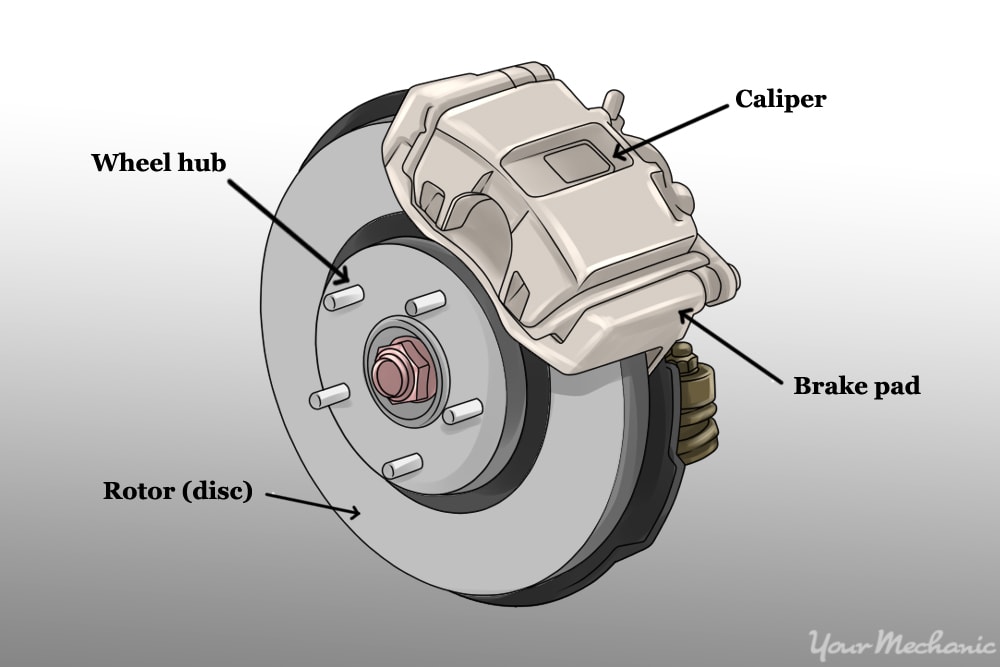
Rotor costs vary widely based on several key factors. Understanding these can help you budget for brake maintenance. Rotors are essential for safe braking. Their price depends on material, size, design, and brand. Let’s break down these elements for clarity.
Different Rotor Materials And Prices
Rotors come in various materials. The most common is cast iron, which is affordable and durable. Prices for cast iron rotors usually range from $30 to $70 each.
Steel rotors are stronger but cost more, often between $50 and $100. Carbon composite rotors offer high performance but are very expensive, sometimes over $300 per rotor. Material choice affects cost and brake feel.
Impact Of Rotor Size And Design
Bigger rotors generally cost more. Larger rotors improve braking power and heat dissipation. They often appear on trucks and performance cars.
Rotor design also matters. Vented rotors help cool brakes faster and are pricier than solid rotors. Drilled or slotted rotors offer better grip but increase costs. Size and design influence price and performance.
Oem Vs Aftermarket Rotor Costs
OEM rotors come from your vehicle’s manufacturer. They match original specs and quality. These rotors usually cost more, often 20% to 50% above aftermarket options.
Aftermarket rotors vary widely in price and quality. Some are cheaper but may wear faster. Others offer enhanced features at a moderate price. Choosing between OEM and aftermarket depends on your budget and needs.
Labor And Installation Fees
Labor and installation fees are a key part of the total cost for rotors and brake pads. These fees cover the work done by mechanics to remove old parts and fit new ones. Understanding these charges helps in budgeting for brake repairs.
Average Labor Costs For Brake Services
Labor costs for replacing brake pads and rotors vary by location and vehicle type. On average, expect to pay between $80 and $150 per axle for labor. Some shops charge by the hour, usually $70 to $100 per hour. Complex jobs may take longer, increasing the labor cost.
Diy Vs Professional Installation
Doing brake replacement yourself saves labor fees but needs tools and skill. Incorrect installation can cause brake failure and higher repair costs later. Professionals have the experience and tools for safe, fast work. Paying for expert installation ensures proper brake function and safety.
Hidden Charges To Watch For
Some shops add fees for disposal of old parts or shop supplies. Extra charges may apply if other brake system parts need attention. Always ask for a detailed estimate before work starts. This avoids surprises and helps compare prices better.

Credit: shop.advanceautoparts.com
Cost Variations By Vehicle Type
Brake rotors and pads costs vary depending on the type of vehicle. Different vehicles need different parts sizes and materials. These differences affect the price of replacement parts and labor. Understanding cost variations helps in budgeting for repairs.
Pricing Differences In Sedans, Suvs, And Trucks
Sedans usually have smaller rotors and pads. This makes their replacement parts less expensive. Labor costs are often lower because the parts are easier to reach. SUVs have bigger rotors and pads, increasing part costs. Trucks often need heavy-duty brake parts, which cost more. Labor can take longer due to the size and complexity.
Luxury And Performance Vehicle Considerations
Luxury cars use high-quality brake parts. These parts often cost two or three times more than standard ones. Performance vehicles need specialized rotors and pads for better braking. These parts wear faster and require frequent replacement. Labor costs are higher due to complex brake systems.
Electric Vehicle Brake Costs
Electric vehicles use regenerative braking, which reduces wear. Their rotors and pads last longer than those in regular cars. Replacement parts can be pricier due to new technology. Some EVs need special brake components not found in other cars. Labor may cost more because of battery safety precautions.
Signs You Need New Rotors And Pads
Knowing the signs of worn rotors and brake pads helps keep your car safe. These parts wear down over time and need timely replacement. Ignoring the signs can lead to bigger problems and costly repairs. Watch for symptoms that show your brakes need attention soon.
Common Brake Wear Symptoms
Listen for squeaking or grinding noises when you press the brake pedal. This often means brake pads are thin or worn out. Feeling vibrations or a pulsing brake pedal signals warped rotors. Notice longer stopping distances or a soft brake pedal. These are clear signs of brake wear. Also, check for brake warning lights on your dashboard.
When To Replace Both Rotors And Pads
Replace both parts if rotors look scored or cracked. Deep grooves or rust on rotors reduce brake performance. If pads are thinner than a quarter inch, change them. Changing pads alone may not fix vibration problems. Replacing rotors and pads together ensures better braking and longer part life. Mechanics often recommend both for the best results.
Safety Risks Of Delaying Replacement
Delaying replacement puts you and others at risk. Poor brakes can cause accidents or longer stopping times. Damaged rotors can make brakes fail in emergencies. Worn pads increase the chance of brake fade on hills or in traffic. Waiting too long also means more expensive repairs later. Prioritize brake maintenance for safer driving every day.
Saving Money On Brake Repairs
Saving money on brake repairs is smart for every car owner. Brake pads and rotors wear out over time. Replacing them can cost a lot. Finding ways to cut costs helps keep your car safe and your wallet full.
Simple steps can reduce repair bills. Careful choices about parts and service make a difference. Small actions today prevent big expenses later.
Tips For Finding Affordable Parts
Check multiple stores and websites for prices. Compare brands and quality before buying. Choose parts made for your car model. Avoid very cheap parts that wear out fast. Buy from trusted sellers with good reviews. Sometimes used parts in good condition save money.
Benefits Of Regular Brake Maintenance
Regular brake checks catch problems early. Clean and inspect brake parts often. Replace pads before they wear out fully. Well-maintained brakes last longer and cost less. Prevents damage to rotors and other parts. Saves money by avoiding major repairs.
When To Choose Quality Over Cost
Cheap parts may fail and cause danger. Choose quality parts for safety and durability. High-quality rotors and pads last much longer. Better parts save money on future repairs. Your safety should come before saving a few dollars.
Frequently Asked Questions
How Much Do Brake Pads Cost On Average?
Brake pads typically cost between $30 and $80 per set. Prices vary based on vehicle type, quality, and brand. Labor costs add about $100 to $150. Always compare prices for best value and quality.
What Is The Average Price For Rotor Replacement?
Rotors usually cost $30 to $75 each. Labor fees range from $150 to $200 for both wheels. Prices depend on vehicle model and rotor quality. Regular maintenance helps reduce rotor replacement frequency.
Can I Replace Brake Pads And Rotors Myself?
Yes, with proper tools and knowledge, DIY replacement is possible. It saves labor costs but requires caution and skill. Follow safety guidelines and vehicle-specific instructions carefully to avoid damage.
How Often Should Rotors And Brake Pads Be Replaced?
Brake pads need replacement every 30,000 to 70,000 miles. Rotors last about 50,000 to 70,000 miles. Factors like driving habits and conditions affect timing. Regular inspections ensure timely replacements.
Conclusion
Rotors and brake pads cost varies by car type and quality. Choosing the right parts keeps your vehicle safe and smooth. Regular checks help avoid costly repairs later. Budgeting for these parts saves money and stress. Ask your mechanic about prices before buying.
Good brakes protect you and your passengers every day. Keep your car’s braking system in top shape for peace of mind. Simple steps make a big difference in safety and cost. Stay informed and drive with confidence.