

Are your brakes making strange noises or not stopping as smoothly as before? It might be time to replace your brakes and rotors.
But how much will that actually cost you? Understanding the price can help you avoid surprises and keep your car safe without breaking the bank. You’ll get clear answers on what affects the cost, what parts you’ll need, and how to make the best choice for your budget.
Keep reading—you deserve to know exactly what you’re paying for when it comes to your car’s brakes.
Credit: www.jiffylube.com
Brake And Rotor Replacement Costs
Replacing brakes and rotors is a common car repair. It ensures your vehicle stops safely and smoothly. Knowing the cost helps you plan your budget. Prices can vary based on many factors.
Average Price Range
Brake and rotor replacement usually costs between $250 and $500. This price often covers parts and labor for both front or rear wheels. High-end cars or trucks may cost more. Budget models tend to be cheaper. Shop around for the best price.
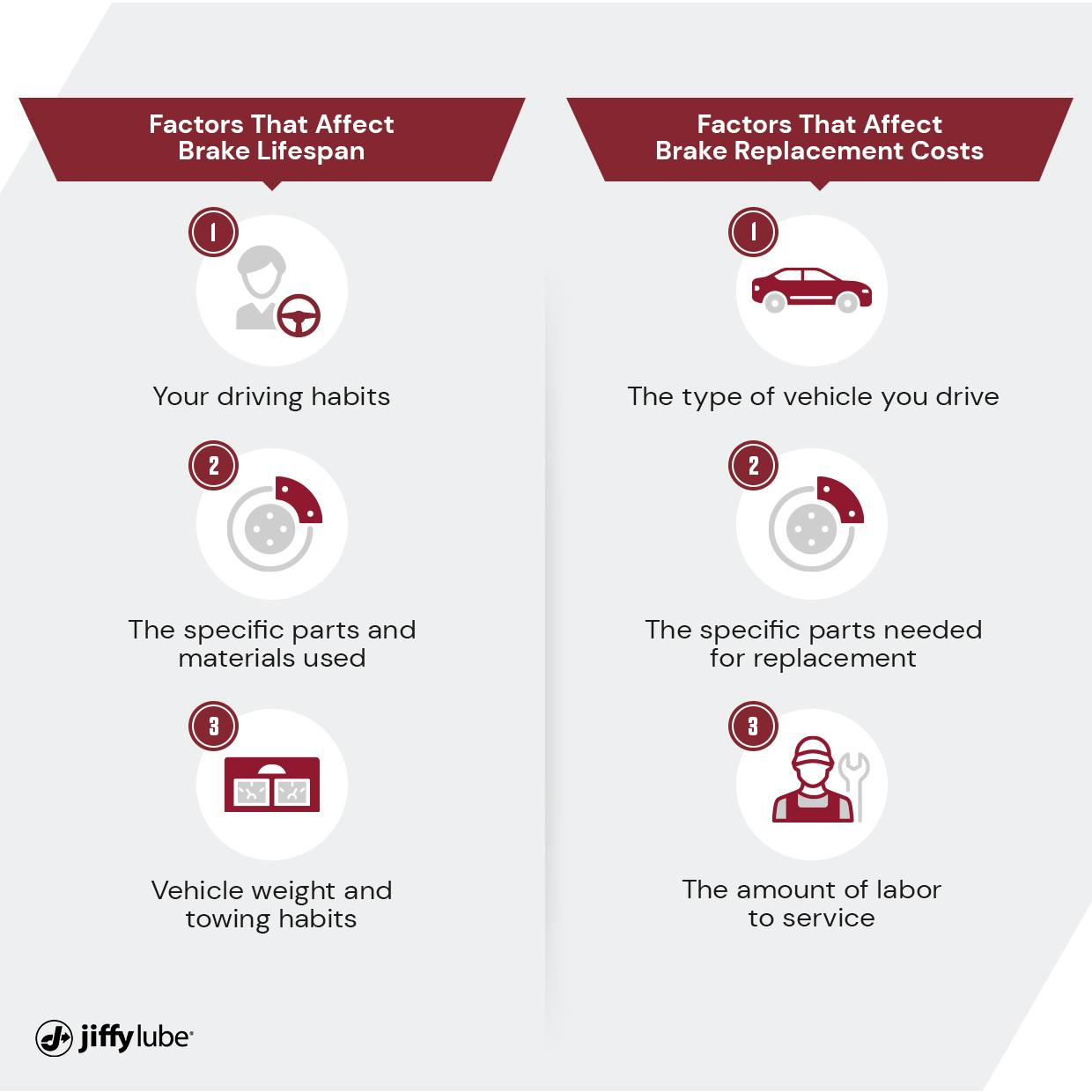
Cost Factors To Consider
Vehicle type affects the price. Larger vehicles use bigger, more expensive parts. Brake pad quality matters too. Premium pads last longer but cost more. Labor rates vary by location and shop. Some shops charge more for complex jobs. Additional repairs can increase the cost. Rust or damage may require extra work. Always ask for a detailed estimate before service.
Types Of Brake Pads
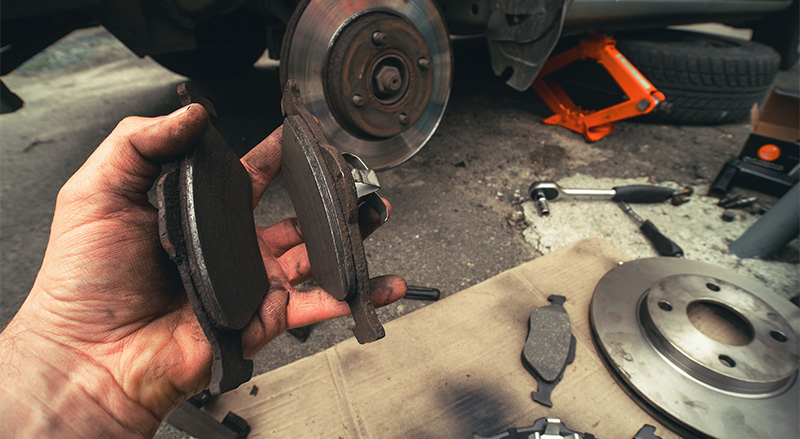
Brake pads are a key part of your vehicle’s braking system. They press against the rotors to stop the car. Different types of brake pads affect cost, performance, and durability. Understanding these types helps you pick the right pads for your needs.
Each type has pros and cons. Prices vary based on materials and quality. Knowing these differences helps you budget better for brake repairs.
Organic Pads
Organic pads use materials like rubber, glass, and resin. They are softer and quieter than other types. These pads wear faster and produce more dust. They cost less but may not last long in tough conditions.
Semi-metallic Pads
Semi-metallic pads contain metal fibers mixed with other materials. They offer good stopping power and last longer than organic pads. These pads can be noisy and cause more rotor wear. They cost more but suit everyday driving well.
Ceramic Pads
Ceramic pads use ceramic fibers and filler material. They are quiet and produce less dust. These pads last long and provide smooth braking. Ceramic pads cost the most but offer excellent performance and comfort.
Rotor Types And Prices
Rotors play a key role in your vehicle’s braking system. They work with brake pads to stop your car safely. Different rotor types offer various benefits and prices. Choosing the right rotor affects both performance and cost.
Standard Rotors
Standard rotors are the most common type. They are smooth and solid. These rotors work well for daily driving and light use. They usually cost between $30 and $60 each. They are affordable and easy to replace.
Performance Rotors
Performance rotors provide better heat dissipation. They reduce brake fade during hard stops. These rotors often have special materials or designs. Prices range from $60 to $120 each. They suit drivers who want improved braking power.
Drilled And Slotted Rotors
Drilled and slotted rotors have holes or grooves. These features help to cool the brakes faster. They also remove water and debris from the surface. These rotors cost between $80 and $150 each. Ideal for sporty driving or tough conditions.
Labor Costs Explained
Labor costs are a big part of replacing brakes and rotors. The price depends on the time and skill needed. Mechanics charge for the hours they spend on the job. Some cars take longer to repair than others. This means labor costs can change a lot. Understanding these costs helps you plan your budget better.
Diy Vs Professional Service
Doing the job yourself saves money on labor. You only pay for parts. But it needs tools and skills. Mistakes can cause damage or safety risks. Professionals have experience and tools to finish fast. They also check other brake parts. This adds value and safety. Professional service costs more but gives peace of mind.
Regional Price Variations
Labor costs differ by location. Cities usually have higher rates than rural areas. Local demand and cost of living affect prices too. Some states have higher taxes on services. Small towns might charge less for labor. Always check local prices before deciding. This helps avoid surprises on your bill.
Signs You Need Replacement
Knowing the signs of brake and rotor wear helps keep your car safe. Brakes work hard every day. They slowly lose strength and need replacement at times. Watch for these clear signs. They tell you when to change your brakes and rotors.
Brake Noise
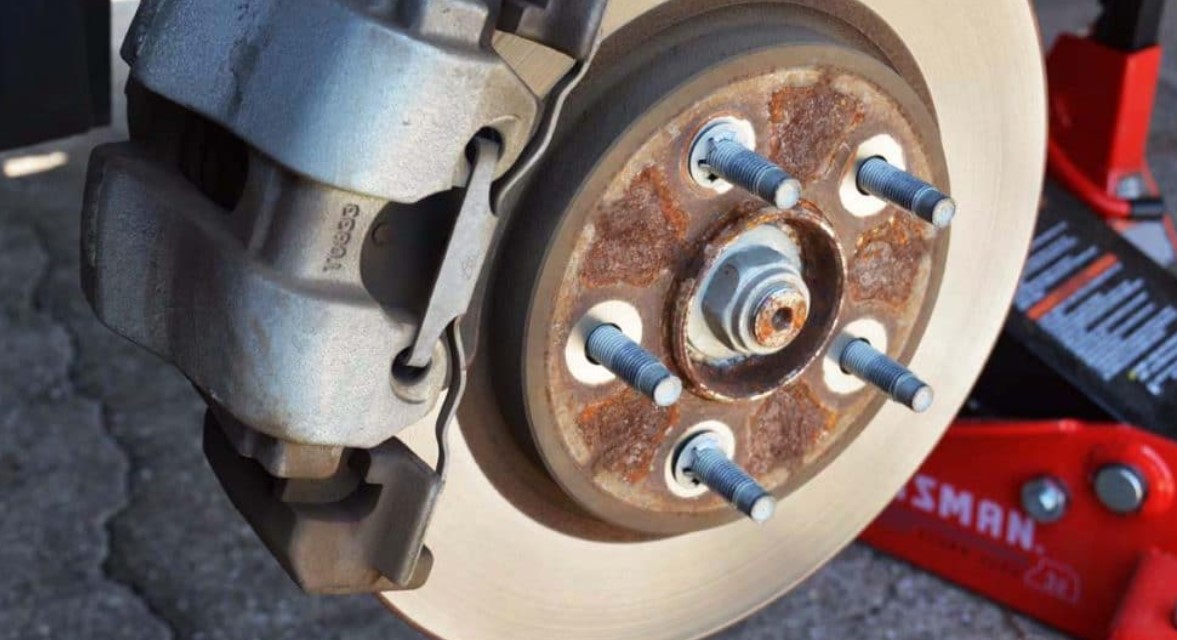
Squealing or grinding sounds come from worn brakes. Squealing means brake pads are thin and need checking. Grinding noise means pads are gone and metal hits metal. This sound can damage rotors fast. Do not ignore these noises.
Vibration And Pulsation
Feeling a shake or pulse when braking shows rotor problems. Rotors can warp or wear unevenly. This causes the brake pedal or steering wheel to vibrate. Such vibration means rotors need replacing. Smooth braking is important for control.
Reduced Braking Performance
Your car takes longer to stop or brakes feel weak. This means the brake pads or rotors are worn out. Pressing the pedal harder but slowing less is a warning. Reduced braking can lead to accidents. Timely replacement restores safety.
Credit: omegaautocare.com
Cost-saving Tips
Replacing brakes and rotors can be costly. Saving money without risking safety is possible. Follow some simple tips to keep expenses low while ensuring your car stops well. Smart choices make a big difference.
Choosing Quality Parts
Cheap parts may seem like a good deal. But low-quality brakes wear out faster and can cause problems. Pick parts with good reviews and proper certification. Quality parts last longer and work better. This saves money over time.
When To Replace Both Pads And Rotors
Changing pads alone is cheaper. Yet worn rotors can damage new pads quickly. Replace rotors with pads if they are thin or warped. Doing both together avoids extra labor costs later. It also improves braking performance.
Shop Around For Quotes
Different shops charge different prices. Call or visit several places to compare costs. Ask for a full breakdown of labor and parts. Some shops offer discounts or promotions. Take your time to find the best deal.
Warranty And Maintenance
Understanding warranty and maintenance helps save money on brake and rotor replacements. Warranties protect your investment. Maintenance keeps brakes working well longer. Both play a key role in overall brake costs.
Typical Warranty Coverage
Most brake parts come with a warranty. It usually covers defects in materials and workmanship. Warranties often last from 12 months up to a few years. Some brands offer mileage limits, like 12,000 miles. Warranties rarely cover wear and tear. Brake pads and rotors wear down naturally. Damage from accidents or misuse is not covered. Always read the warranty terms carefully. Keep your receipt and warranty documents safe.
Routine Brake Maintenance
Regular brake checks prevent costly repairs. Inspect brake pads every 10,000 miles or yearly. Replace pads before they wear too thin. Check rotors for warping or deep grooves. Clean brake parts to avoid dirt buildup. Brake fluid should be flushed every 2 years. Proper maintenance extends brake life. It reduces the chance of unexpected failures. Simple care keeps your brakes safe and efficient.
Credit: blog.napacanada.com
Frequently Asked Questions
How Much Does It Cost To Replace Brakes And Rotors?
The cost to replace brakes and rotors ranges from $250 to $500 per axle. Prices vary based on vehicle type, parts quality, and labor charges. Luxury cars or trucks may cost more, while economy vehicles tend to be less expensive.
What Factors Affect Brake And Rotor Replacement Cost?
Brake pad material, rotor quality, labor rates, and vehicle model affect the replacement cost. Performance parts or premium materials increase prices. Additionally, some cars require more labor time, raising the overall expense.
Can I Replace Brakes And Rotors Myself To Save Money?
Yes, if you have mechanical skills and tools, you can replace them yourself. This saves labor costs but requires caution and proper knowledge to ensure safety and correct installation.
How Often Should Brakes And Rotors Be Replaced?
Typically, brake pads last 30,000 to 70,000 miles, while rotors last 50,000 to 70,000 miles. Replacement frequency depends on driving habits, terrain, and vehicle type. Regular inspections help determine the right timing.
Conclusion
Replacing brakes and rotors can vary in cost depending on parts and labor. Choosing quality parts helps keep your vehicle safe and smooth. Regular checks prevent bigger problems and save money. Simple maintenance extends the life of brakes and rotors.
Know the prices to avoid surprises at the shop. Keep your car in good shape for safe driving. Stay informed and plan your budget wisely. Don’t wait until brakes fail—act early for best results.


