

Are you tired of seeing spots and streaks on your car after washing it? You want that fresh, showroom shine, but using a pressure washer can be tricky.
If the pressure is too high or the technique is wrong, you might damage your paint or miss dirt in hard-to-reach areas. What if you could learn the exact pro tip that makes pressure washing your car safe, easy, and effective every time?
Keep reading, because mastering this simple trick will change the way you clean your car—and help you get that flawless finish you’ve been aiming for.

Credit: www.amazon.com
Choosing The Right Equipment
Choosing the right equipment is key for professional pressure washing of cars. The right tools make cleaning faster and safer. Using wrong equipment can damage the car’s paint or waste water. Understanding the types of pressure washers, nozzles, and safety gear helps to get the best results.
Pressure Washer Types
There are electric and gas pressure washers. Electric washers are quiet and lighter. They work well for small jobs and delicate surfaces. Gas washers are stronger and better for heavy dirt. They suit larger jobs but are louder and heavier. Choose a washer with moderate pressure, around 1200-1900 PSI, to protect car paint.
Nozzle Selection
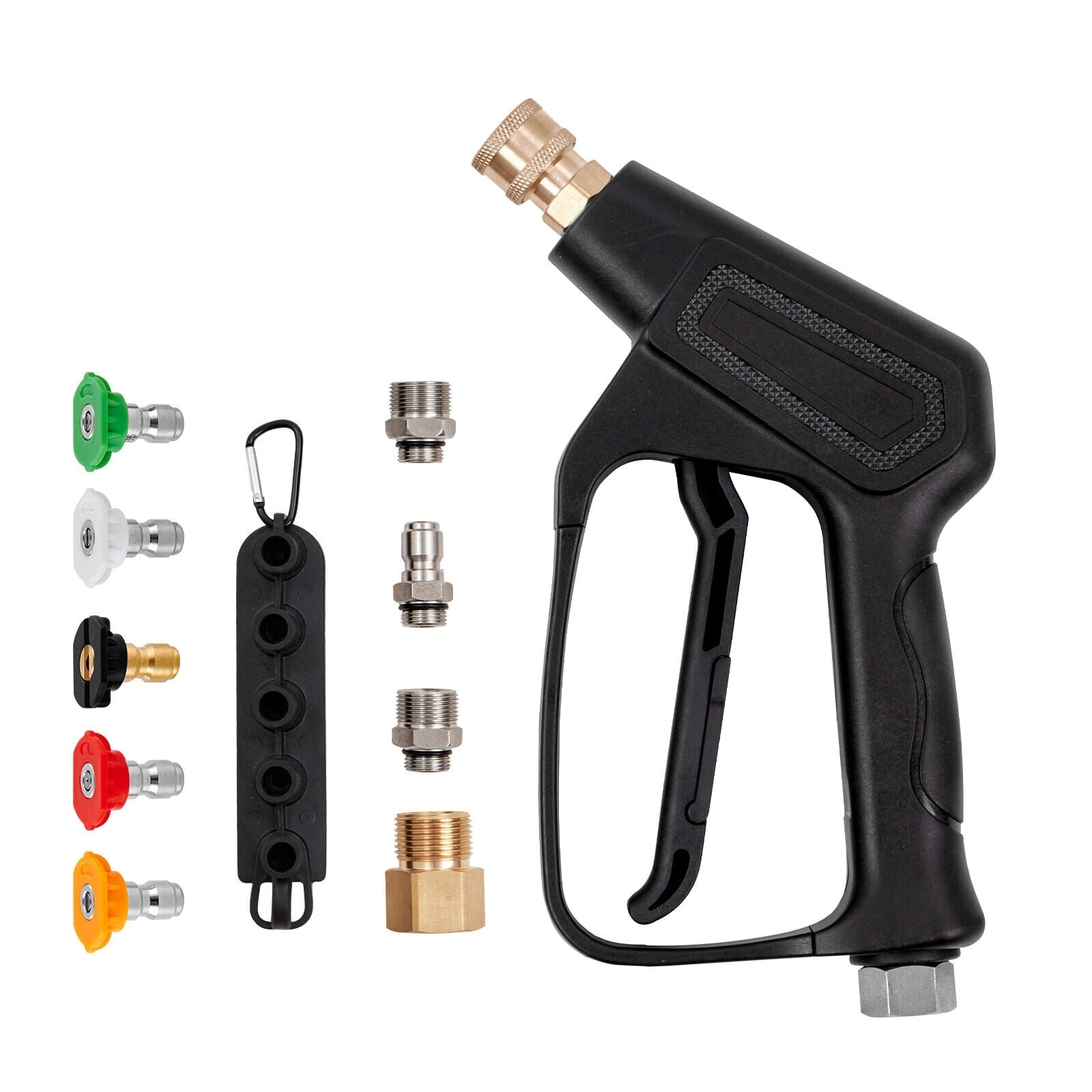
Nozzles control the water spray angle and pressure. Wide angles like 25 or 40 degrees cover more area and reduce pressure. Narrow angles like 0 or 15 degrees have strong, focused spray but can harm paint. Use a 25-degree nozzle for general car washing. Avoid nozzles with too high pressure close to the surface.
Safety Gear Essentials
Safety gear protects you from high-pressure water and chemicals. Wear safety glasses to shield eyes from splashes. Use gloves to protect hands from cleaning agents and water pressure. Non-slip shoes keep you steady on wet surfaces. Long sleeves and pants protect skin from sprays and dirt.
Preparing Your Car For Washing
Preparing your car for washing is an important step before using a professional pressure washer. It helps protect your vehicle and ensures a better clean. Taking time to prepare your car reduces damage and improves results.
Removing Loose Dirt
Start by removing loose dirt and debris from your car’s surface. Use a soft brush or a broom to gently sweep away dust, leaves, and bugs. This prevents dirt from scratching the paint during washing.
Protecting Sensitive Areas
Cover sensitive areas like air vents, door seals, and electrical parts with plastic or tape. This stops water from entering and causing damage. Pay special attention to mirrors and antennas as well.
Pre-wash Inspection
Check your car for any existing damage, such as cracks or chipped paint. Note these areas to avoid high pressure directly on them. Also, close all windows and doors tightly to keep water out.
Effective Pressure Washing Techniques
Effective pressure washing techniques ensure your car gets clean without damage. Using the right method protects the paint and removes dirt well. These techniques help save time and effort during cleaning.
Optimal Distance And Angle
Keep the pressure washer nozzle 12 to 18 inches from the car surface. This distance cleans dirt without harming the paint. Hold the nozzle at a 45-degree angle to avoid water damage. Moving the spray in steady, even strokes helps remove grime evenly.
Using Detergents Correctly
Choose a detergent made for cars and pressure washers. Mix the detergent with water as the instructions say. Apply the detergent to the car before rinsing. Let it sit for a few minutes but don’t let it dry. Proper use of detergent improves cleaning power and protects the paint.
Step-by-step Washing Process
Start by rinsing the car with plain water to remove loose dirt. Next, apply the detergent evenly over the car. Wait 3 to 5 minutes for the detergent to work. Use the pressure washer to rinse the detergent off from top to bottom. Dry the car with a soft cloth to avoid water spots.
Avoiding Common Mistakes
Avoiding common mistakes is key to a successful car pressure wash. Many people rush and damage their car’s surface. Simple errors can cause scratches, water leaks, or paint problems. Taking time and care protects your car and keeps it looking good longer.
Preventing Paint Damage
High pressure can strip paint or leave marks. Keep the nozzle far from the car’s surface. Use a wide spray pattern to reduce force. Avoid holding the spray in one spot. Always test on a small area first.
Handling Delicate Parts
Parts like mirrors, lights, and antennas need gentle care. Use low pressure near these areas. Avoid spraying directly into openings or seals. Cover sensitive parts with plastic if possible. Use a soft brush for stubborn dirt.
Managing Water Pressure
Too much pressure can harm the car. Adjust the washer to a medium setting. Use a pressure between 1200 and 1900 PSI for cars. Keep the spray moving to avoid damage. Use the right nozzle tip for cleaning cars.
Post-wash Care Tips
After pressure washing your car, proper care helps keep it looking great longer. Post-wash care protects the paint and prevents water spots. Follow simple steps to maintain your car’s shine and cleanliness.
Drying Methods
Use a soft microfiber towel to dry your car. Pat the surface gently to avoid scratches. Avoid air drying, as water spots may form. Towels absorb water quickly and leave a smooth finish. Change towels if they get too wet.
Waxing And Polishing
Apply wax after drying to protect the paint. Wax adds a layer that repels dirt and water. Use car polish to restore shine and remove minor scratches. Polishing smooths the surface and enhances color. Do this every few months for best results.
Regular Maintenance Practices
Wash your car regularly to remove dirt and grime. Check tires and rims for brake dust buildup. Clean windows and mirrors for better visibility. Keep the interior tidy to improve comfort. Regular care extends the life of your car’s appearance.

Credit: www.amazon.com
Expert Tricks For A Spotless Finish
Achieving a spotless finish with professional pressure washing requires more than just power. Small expert tricks can make a big difference. These tips help clean your car deeply and protect its shine.
Focus on key areas and use the right water type. These steps bring out the best look for your vehicle. Follow these expert tricks to keep your car spotless and shiny.
Using Spot-free Water
Spot-free water helps avoid water marks on your car’s surface. It is purified and lacks minerals that cause spots. Using it during rinsing leaves the car cleaner. This simple step improves the final look greatly.
Many professional washers use spot-free water systems. You can find portable units for home use. This small investment saves time on drying and polishing later.
Detailing Hard-to-reach Areas
Pressure washing cleans flat surfaces well but struggles with tight spots. Use smaller nozzles or brushes to clean inside grills, around mirrors, and wheel wells. These areas often trap dirt and grime.
Spray carefully to avoid damage. Clean these parts slowly for a thorough job. Detailing hard-to-reach areas prevents buildup and keeps your car looking new.
Enhancing Shine And Protection
After washing, apply a wax or sealant for extra shine and protection. These products create a barrier against dirt and water. They also make future cleaning easier.
Use a microfiber cloth to apply and buff the product. This step adds depth to your car’s color and keeps it looking fresh longer. Regular protection extends the life of your car’s paint.
Credit: gmpolyplast.com
Frequently Asked Questions
How To Safely Pressure Wash A Car Professionally?
Use a low-pressure setting and hold the nozzle 12-18 inches away. Avoid direct contact with sensitive areas like windows and trim. Always test on a small spot first to prevent paint damage. Use soap designed for cars to protect the finish.
What Pressure Setting Is Ideal For Washing Cars?
Set the pressure washer between 1200 to 1900 PSI. This range cleans effectively without harming the paint. Higher pressures risk stripping paint or damaging surfaces. Always adjust according to your car’s condition and type.
Should I Use Soap With A Pressure Washer On Cars?
Yes, use a car-specific detergent for best results. Soap helps remove dirt and grime safely. Avoid harsh chemicals that can damage paint or wax. Always rinse thoroughly to prevent residue buildup.
Can Pressure Washing Remove Stubborn Car Stains?
Yes, it can remove dirt, mud, and light stains. For tough stains, pre-treat with a specialized cleaner. Use moderate pressure to avoid paint damage. Follow up with a gentle rinse for a clean finish.
Conclusion
Washing your car with a pressure washer can save time and effort. Use the right pressure setting to avoid damage. Keep the nozzle moving to clean evenly. Always start from the top and work down. Choose a proper detergent made for cars.
Rinse thoroughly to remove all soap. Regular washing keeps your car looking fresh and protects its paint. Follow these simple tips for a clean, shiny vehicle every time. Clean car, happy driver.


