

Are you thinking about wrapping your car with vinyl but unsure how much material you’ll need? Getting the right amount of vinyl is crucial—it saves you money, prevents waste, and makes the whole process smoother.
Whether you want a full wrap or just a partial cover, knowing the square footage needed helps you plan better. You’ll discover simple tips to calculate the exact amount of vinyl for your car, so you can start your project with confidence.
Let’s dive in and make sure you get the perfect fit for your ride!
Vinyl Wrap Basics
Vinyl wraps change the look of a car without paint. They cover the car’s surface with a thin, flexible film. This film comes in many colors and finishes. Vinyl wraps protect the car’s paint and give it a new style. Understanding the basics helps you decide how much vinyl you need. It also shows why vinyl wraps are popular for car customization.
What Is Vinyl Car Wrap
A vinyl car wrap is a thin sheet of plastic. It sticks to the car’s body using special glue. The wrap covers the paint but can be removed later. It can cover the whole car or just parts. The wrap fits tightly to curves and shapes. This changes the car’s color or adds designs. It protects the car’s paint from scratches and dirt.
Types Of Vinyl Wrap Materials
There are several types of vinyl wrap materials. Cast vinyl is thin, strong, and flexible. It fits well on curves and lasts longer. Calendered vinyl is thicker and cheaper. It works best on flat surfaces. Glossy vinyl gives a shiny look. Matte vinyl offers a flat, non-shiny finish. Satin vinyl sits between glossy and matte. Textured vinyl can add special effects, like carbon fiber or brushed metal.
Benefits Of Vinyl Wrapping
Vinyl wraps protect the car’s paint from damage. They keep the original paint safe from sun and weather. Wrapping is cheaper than repainting the car. It takes less time to apply. The wrap can be removed without harming the paint. This means the car can return to its original look. Vinyl wraps also allow easy customization. They give cars a unique look without permanent changes.
Credit: carlikewrap.com
Measuring Your Vehicle
Measuring your vehicle is the first step in deciding how much vinyl you need. Getting the right size helps avoid waste and extra costs. It also ensures the vinyl fits well and looks smooth on your car.
Take your time to measure carefully. Small errors can lead to buying too little or too much vinyl. Focus on the main parts of the car. These parts use most of the vinyl wrap.
Key Areas To Measure
Start with the car’s length and width. Measure from front bumper to rear bumper. Then, measure the car’s height from the ground to the roof. Check the hood and trunk size too. These flat areas need separate measurements. Don’t forget the doors and side panels. Count any mirrors or bumpers that need wrapping.
Tools For Accurate Measurement
Use a tape measure for most parts. A soft, flexible tape works best around curves. A ruler or yardstick helps with flat surfaces. A laser distance measurer can give quick, precise numbers. Write down each measurement clearly. Double-check each figure before buying vinyl.
Common Vehicle Sizes
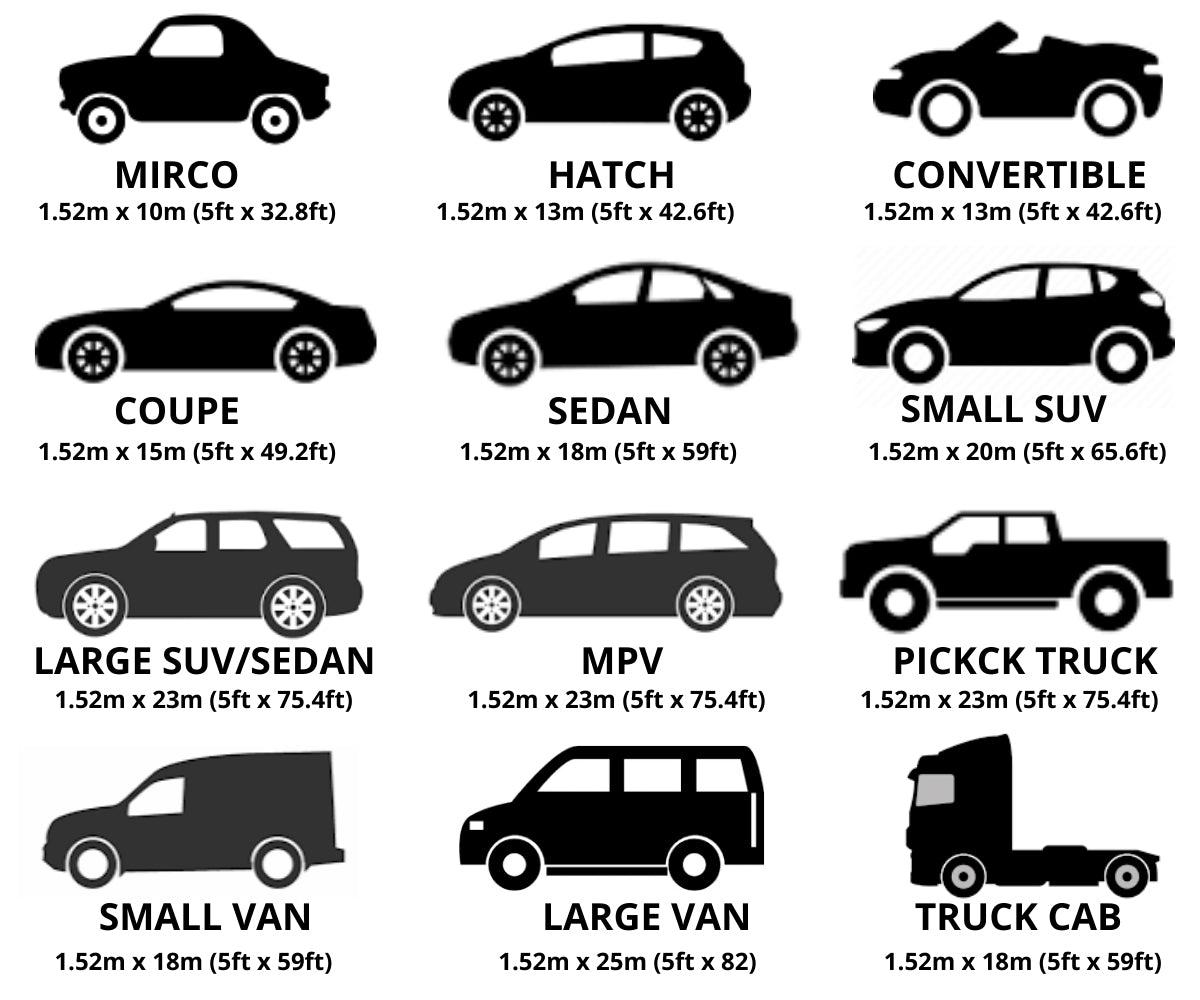
Small cars need about 50 to 75 square feet of vinyl. Mid-size cars use 75 to 100 square feet. Large SUVs or trucks may need 100 to 150 square feet. Vans and specialty vehicles often require over 150 square feet. Knowing your vehicle size guides your vinyl purchase. It saves money and effort in wrapping your car.
Calculating Vinyl Needed
Calculating the amount of vinyl needed for a car wrap is an important first step. It helps avoid running out of material or wasting money. Knowing the right square footage ensures a smooth and complete wrap.
Measure carefully and plan for extra material. This section guides you through estimating the vinyl size correctly.
Estimating Square Footage
Start by measuring the length and width of each car panel. Include doors, hood, roof, and trunk. Multiply length by width to get square feet for each part.
Add all panel areas together to find the total square footage. This gives a rough estimate of vinyl needed.
Allowing For Overlaps And Errors
Vinyl wraps need extra material for overlaps and mistakes. Add 10 to 15 percent more to your total estimate. This covers cutting errors and fitting adjustments.
Extra vinyl also helps when wrapping curves and edges. It prevents running out of material mid-project.
Adjusting For Complex Shapes
Cars have curves, bumps, and tight spaces. These shapes require more vinyl than flat panels. Add 10 percent more for complex areas.
Measure tricky spots carefully and plan extra material. This ensures a smooth wrap without gaps or wrinkles.

Credit: www.carlawrap.com
Examples By Vehicle Type
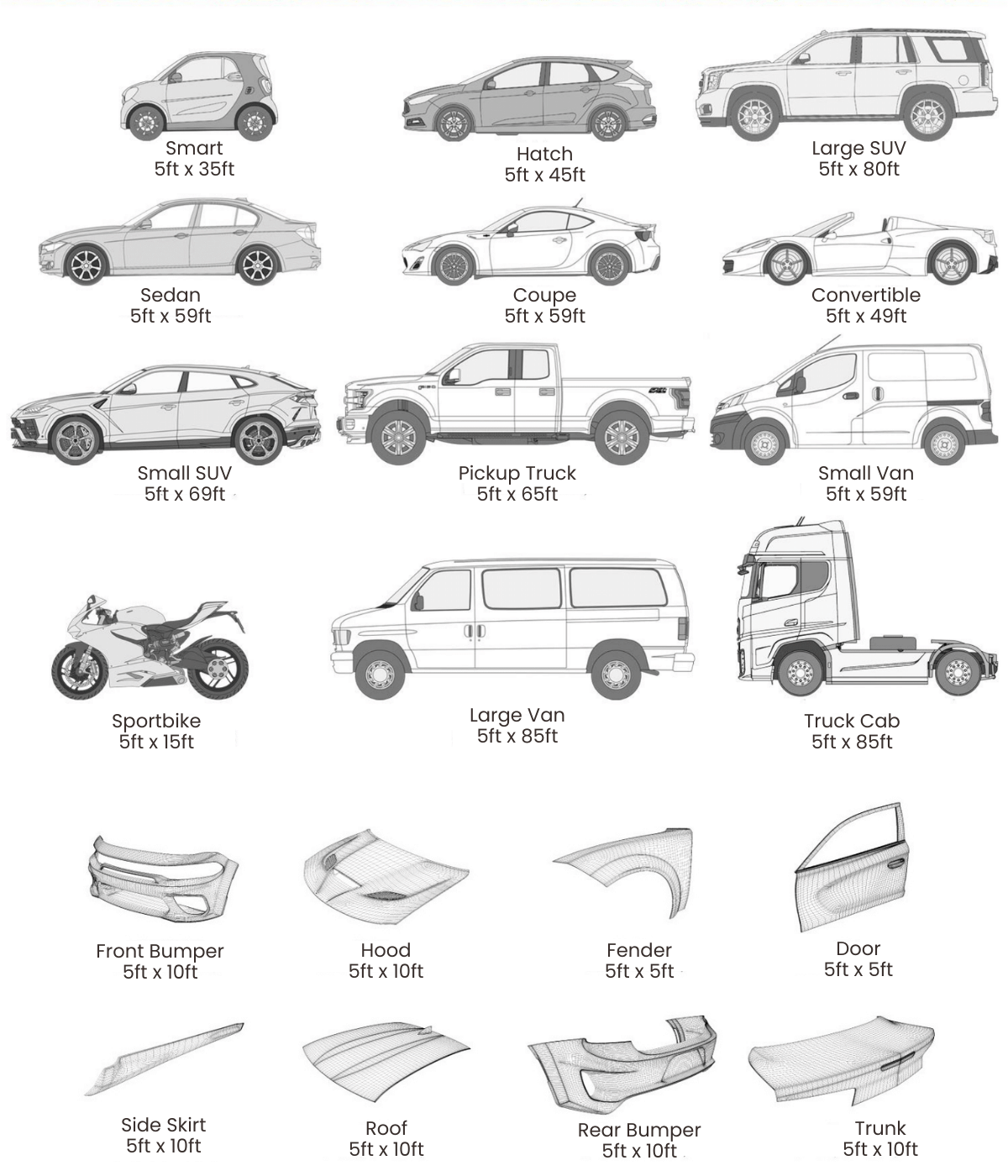
Knowing how many square feet of vinyl you need depends on your vehicle type. Different cars require different amounts of material. This section breaks down vinyl wrap needs by vehicle type. It helps you plan your purchase better.
Sedans And Coupes
Sedans and coupes are smaller cars. They usually need about 50 to 75 square feet of vinyl. These vehicles have simpler shapes and less surface area. A standard 5-door sedan fits comfortably in this range.
Sports coupes may need slightly less vinyl. Their compact size and sleek design reduce material use. Still, 50 square feet is a good estimate for most models.
Suvs And Trucks
SUVs and trucks have larger bodies and more surface area. They often need between 75 and 100 square feet of vinyl. Full-size trucks usually require more than mid-size SUVs.
Wrap thickness and design details can affect the amount needed. These vehicles have more curves and panels to cover. Plan for extra vinyl to avoid shortages.
Vans And Larger Vehicles
Vans and large vehicles like buses need the most vinyl. They typically require 100 to 150 square feet or more. These vehicles have large, flat areas and complex shapes.
Commercial vans and shuttle buses often need custom calculations. Always order extra vinyl to cover windows, door edges, and mirrors. This ensures a smooth, complete wrap.
Tips For Buying Vinyl
Buying vinyl for car wrapping needs careful thought. Choosing the right vinyl affects the look and the ease of application. Quality and size matter. This helps to avoid extra costs and wasted material. Use these tips to make a smart purchase.
Choosing The Right Width
Vinyl rolls come in different widths, usually between 24 and 60 inches. Wider vinyl covers large areas faster. Narrow vinyl works well for small parts or details. Think about your car size and wrap style. Choose a width that fits your project to reduce seams and waste.
Considering Color And Finish
Vinyl wraps come in many colors and finishes. Glossy finishes shine and look like paint. Matte finishes offer a smooth, flat look. Satin is a mix of both. Pick a color that matches your style and car design. Test a small piece first to see how it looks in sunlight.
Where To Purchase Vinyl Wrap
Buy vinyl from trusted dealers or online stores. Check reviews to find reliable sellers. Some stores offer free samples or swatches. This helps you feel the texture and see the color. Avoid very cheap vinyl; quality affects durability and ease of use. Local shops may also help with advice and support.
Preparation Before Wrapping
Preparing your car before wrapping is very important. It helps the vinyl stick well and look smooth. Good preparation saves time and avoids problems later.
Start with a clean and clear surface. Remove anything that can block the wrap. Check the temperature and work in the right place.
Cleaning The Surface
Wash your car thoroughly to remove dirt and dust. Use soap and water to clean all areas. Dry the surface well to avoid moisture under the wrap. Any small dirt can cause bumps and bubbles. Clean surfaces help the vinyl stick better and last longer.
Removing Obstacles
Take off mirrors, badges, and trim pieces. These parts make wrapping harder and less smooth. Removing them allows you to wrap edges neatly. Keep screws and parts safe for reassembly. A smooth surface means fewer wrinkles and better results.
Temperature And Environment
Work in a dry and shaded place. Avoid hot sun or cold weather. Ideal temperature is between 60°F and 80°F (15°C to 27°C). This helps the vinyl stretch and stick properly. Clean, dust-free air is best to avoid particles on the wrap.
Common Mistakes To Avoid
Wrapping a car with vinyl requires careful planning and attention. Avoiding common mistakes helps save time, money, and effort. Many beginners face issues that could be easily prevented with the right knowledge.
Underestimating Material Needs
Calculate the total square feet of vinyl needed before starting. Do not buy the exact amount only. Always add extra material for mistakes and overlaps. Running out of vinyl mid-wrap can ruin the entire project. Remember, it is better to have more than less.
Skipping Surface Preparation
Clean the car surface thoroughly before applying vinyl. Dirt, dust, and grease stop vinyl from sticking properly. Wash the car and dry it completely. Remove any wax or polish from the paint. A clean surface ensures a smooth and long-lasting wrap.
Ignoring Manufacturer Guidelines
Read the vinyl manufacturer’s instructions carefully. Each brand may have specific rules about temperature, tools, and application techniques. Not following these guidelines can cause bubbles, peeling, or fading. Use the right tools and conditions for the best results.
Credit: yeswrap.com
Frequently Asked Questions
How Many Square Feet To Wrap A Standard Car?
Wrapping a standard car typically requires 50 to 75 square feet of vinyl. The exact amount depends on the car’s size and shape. Larger vehicles may need more material. Always buy extra vinyl to cover mistakes and overlaps during installation.
Does Car Size Affect Vinyl Wrap Square Footage?
Yes, larger cars need more vinyl wrap. SUVs and trucks require more square footage than compact cars. Measure your vehicle carefully to estimate the needed vinyl. This ensures full coverage and a smooth, professional look without gaps.
Can I Use Less Vinyl For A Partial Car Wrap?
Yes, partial wraps use less vinyl. You only cover specific sections like the hood or doors. Calculate the area of those parts to buy the correct vinyl amount. Partial wraps are cost-effective and allow creative designs.
How To Measure Car For Vinyl Wrap Accurately?
Measure the car’s length, width, and height. Include curves and contours for accuracy. Use flexible tape for better results. Add 10-20% extra vinyl to accommodate errors and trimming. Accurate measurements prevent shortages and ensure smooth installation.
Conclusion
Wrapping a car with vinyl needs the right amount of material. Usually, 50 to 75 square feet covers most cars well. Bigger vehicles need more vinyl to wrap all sides. Always measure your car carefully before buying vinyl. This helps avoid running out or wasting material.
Vinyl wrap can change your car’s look quickly and safely. Take your time to plan and measure. Then, enjoy the fresh new style on your vehicle.


