When your brakes start to feel off or you hear strange noises, you know it’s time to think about replacing your brakes and rotors. But how much will it really cost you?
Understanding the price can help you avoid surprises and make smart choices for your safety and budget. You’ll discover what affects the cost, how to spot warning signs, and what you can expect to pay. Keep reading to take control of your car’s health and protect yourself on the road.

Credit: vatire.com
Brake And Rotor Replacement Basics
Understanding the basics of brake and rotor replacement helps keep your car safe. Brakes stop your car, and rotors work with brakes to slow down wheels. Both parts wear out over time and need replacing. Knowing when and why helps you save money and avoid accidents.
Regular checks prevent sudden brake failure. Different cars use different brake systems. Recognizing signs of wear can guide timely repairs. This section explains key points about brakes and rotors.
Signs You Need New Brakes
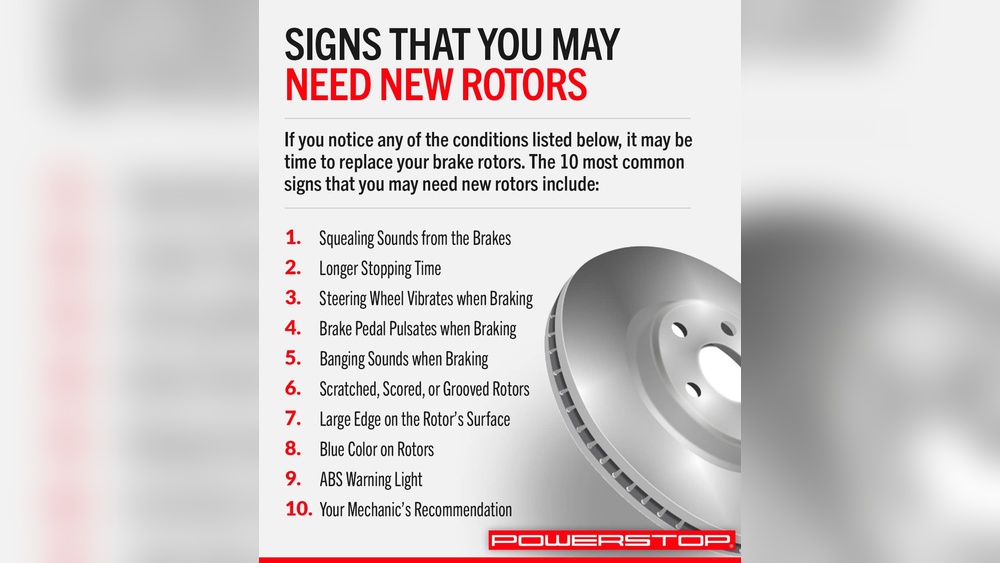
Squeaking or grinding sounds mean brake pads are worn out. Your car may pull to one side when braking. The brake pedal might feel soft or sink too low. Warning lights on the dashboard can also signal brake issues. Notice any of these signs? Time to check your brakes.
When To Replace Rotors
Rotors show wear through grooves or cracks. If you feel vibrations when braking, rotors may be warped. Thin or uneven rotors do not work well. Most rotors last about 30,000 to 70,000 miles. Replace rotors if damaged or too thin for safety.
Types Of Brake Systems
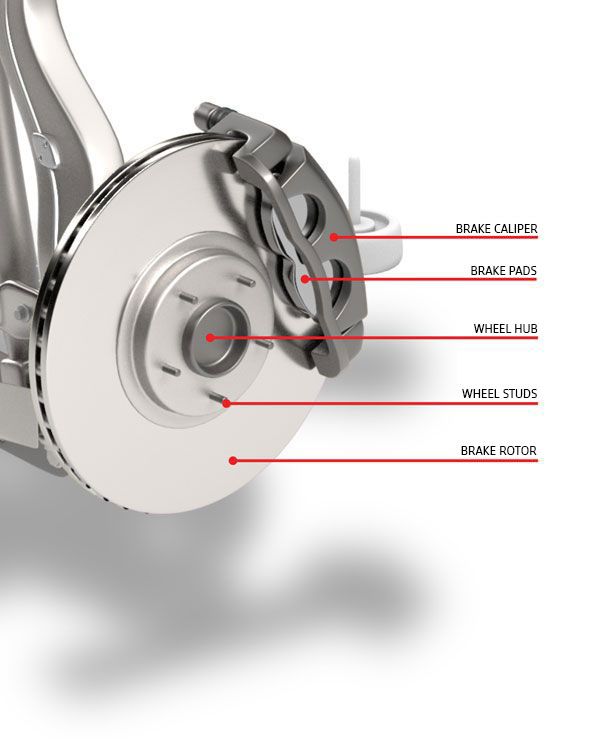
Cars mostly use disc or drum brakes. Disc brakes have pads that press against rotors. Drum brakes use shoes that press inside a drum. Disc brakes offer better stopping power and cool faster. Some cars have disc brakes on front wheels and drums on rear. Knowing your brake type helps in maintenance and repair.
Factors Influencing Replacement Costs
Brake and rotor replacement costs vary widely. Several key factors affect the final price. Understanding these helps you plan your budget better. Costs depend on your vehicle, parts, labor, and location.
Vehicle Make And Model
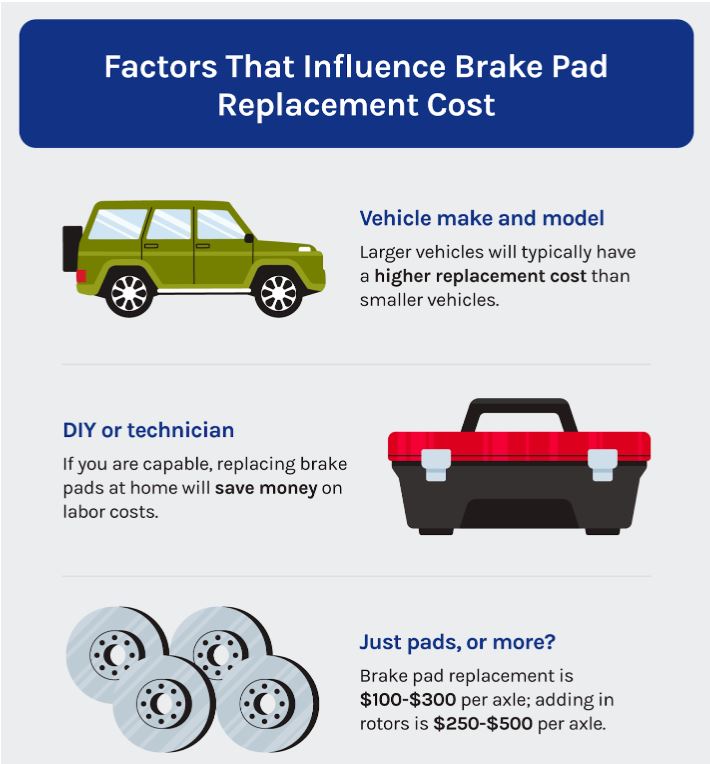
Different cars need different brake parts. Luxury or performance vehicles often require expensive parts. Common cars usually have cheaper replacement parts. Some models have complex brake systems that cost more to fix.
Brake Pad And Rotor Quality
Quality matters. Economy brake pads cost less but wear out faster. High-quality pads last longer and perform better but cost more. Rotors also come in standard and premium grades. Premium rotors resist heat better and last longer.
Labor Charges Variations
Labor fees vary by shop and mechanic skill. Experienced mechanics may charge more per hour. Some vehicles take longer to service, increasing labor costs. Labor rates differ even within the same city.
Location And Shop Type
Prices change by region and shop type. Dealerships often charge more than local shops. Urban areas usually have higher labor rates than rural ones. Independent shops may offer better deals but vary in quality.
Average Cost Breakdown For 2025
The average cost for brake and rotor replacement in 2025 varies by service type. Prices depend on the vehicle model, parts quality, and labor charges. Understanding these costs helps plan your budget and avoid surprises at the repair shop.
Brake Pad Replacement Prices
Brake pad replacement usually costs between $100 and $300 per axle. Economy pads are cheaper but wear out faster. Premium pads cost more but last longer and perform better. Labor fees add to the total, typically $80 to $150 per hour.
Rotor Replacement Costs
Replacing rotors costs more than pads. The price ranges from $150 to $400 per axle. High-performance or larger rotors increase the price. Labor time is longer because rotors need more work to replace properly.
Combined Brake And Rotor Replacement
Getting both brakes and rotors replaced together saves money on labor. The average cost runs from $250 to $700 per axle. This service ensures better braking performance and longer part life. It is a common choice for many car owners in 2025.
Cost-saving Tips
Replacing brakes and rotors can be expensive. Saving money helps keep your car safe without overspending. Small choices during repair can lower costs. Learn simple tips to spend less and get quality service.
Choosing Aftermarket Vs Oem Parts
Aftermarket parts usually cost less than OEM parts. They fit well and work fine for most cars. OEM parts come from the car maker and cost more. For daily driving, aftermarket parts save money. Check reviews to pick good quality aftermarket options.
Diy Replacement Considerations
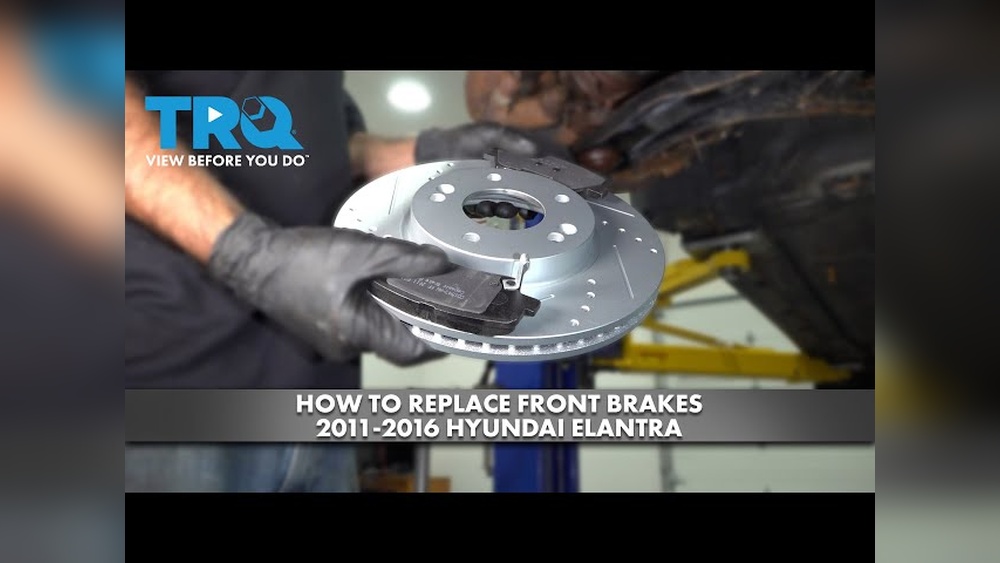
Doing the brake and rotor replacement yourself cuts labor costs. You need basic tools and some mechanical knowledge. Watch tutorial videos and read guides before starting. Mistakes can be costly and unsafe. Only try DIY if confident and careful.
Finding Reliable Mechanics
Good mechanics charge fair prices and do quality work. Ask friends or read online reviews to find trusted shops. Avoid very cheap services that may use low-quality parts. A reliable mechanic saves money by preventing future repairs.
Additional Services And Fees
Replacing brakes and rotors often involves extra services that affect the total cost. These services ensure your vehicle stays safe and runs smoothly after the repair. Knowing about these fees helps you prepare better for the final bill.
Brake Fluid Replacement
Brake fluid replacement is a common service during brake repair. Old brake fluid can reduce braking performance. Changing it costs between $70 and $120. This fee depends on the type of fluid and labor time. Clean brake fluid helps keep your brakes working well.
Wheel Alignment Costs
Wheel alignment may be necessary after replacing brakes and rotors. Proper alignment ensures even tire wear and safe handling. The cost typically ranges from $75 to $100. Skipping alignment can cause uneven tire wear and steering issues. It is a small price for better driving safety.
Disposal And Environmental Fees
Disposing of old brake parts and fluids requires special care. Shops charge disposal fees to cover proper handling. These fees usually range from $10 to $25. They help protect the environment and comply with laws. Expect this small fee as part of your brake service bill.
Credit: www.aaa.com
Warranty And Maintenance Impact
Understanding the impact of warranty and maintenance helps you save money on brake and rotor replacements. Warranties protect your investment. Proper maintenance extends the life of your brakes. Both factors affect how often you pay for repairs.
Brake Part Warranties
Brake parts often come with warranties. These cover defects or early wear. Warranties vary from 12 months to lifetime. Check the warranty details before buying. Some brands offer longer protection for rotors and pads. Keep your purchase receipt and warranty papers. They help claim repairs if parts fail early.
Maintaining Brake Longevity
Brake care affects how long parts last. Avoid hard braking and sudden stops. Clean brakes regularly to remove dust and dirt. Use quality brake fluid and change it as recommended. Proper driving habits reduce wear on rotors and pads. Good maintenance means fewer replacements and lower costs.
When To Schedule Regular Inspections
Regular brake inspections catch problems early. Experts suggest checking brakes every 10,000 to 15,000 miles. Signs like squeaking or vibration mean check brakes sooner. Inspections prevent costly damage to rotors and pads. Timely checks keep your car safe and brakes working well.
Credit: www.firestonecompleteautocare.com
Frequently Asked Questions
How Much Does It Cost To Replace Brakes And Rotors?
Replacing brakes and rotors typically costs between $300 and $800. Prices depend on vehicle type, parts quality, and labor rates. High-end or performance parts may increase costs. Always get a detailed estimate from your mechanic before proceeding.
How Often Should Brakes And Rotors Be Replaced?
Brake pads usually need replacement every 30,000 to 70,000 miles. Rotors may last longer but often require replacement with pads. Signs like squealing, vibration, or reduced braking indicate replacement time. Regular inspections help maintain safety and performance.
Can I Replace Brakes And Rotors Myself?
Yes, DIY replacement is possible with proper tools and knowledge. However, it requires mechanical skills and safety precautions. Incorrect installation can cause brake failure. If unsure, it’s safer to hire a professional mechanic.
What Factors Affect Brake And Rotor Replacement Cost?
Costs vary by vehicle model, parts quality, and labor charges. Luxury or heavy-duty vehicles cost more. OEM parts are pricier than aftermarket ones. Labor rates differ by location and shop reputation. Always compare quotes for the best deal.
Conclusion
Replacing brakes and rotors costs vary by car and parts quality. Expect to pay between $250 and $600 for most vehicles. Cheaper parts save money but may wear out faster. Skilled mechanics ensure safety and proper fit. Regular checks help avoid costly repairs later.
Choose trusted shops for fair prices and good work. Keep your car safe with timely brake and rotor care. Don’t wait until problems get worse. Act early for smooth, safe driving every day.