How often do you check your brakes and rotors? Knowing the right time to change them can save you money, keep you safe, and avoid unexpected breakdowns.
Your brakes are one of the most important parts of your car, yet many people wait too long to replace worn-out components. You’ll discover simple signs to watch for and clear guidelines on when to replace your brakes and rotors.
Keep reading to protect yourself, your passengers, and your vehicle.
Brake System Basics
The brake system is a key part of every vehicle. It helps slow down or stop the car safely. Understanding how it works can help you know when to change brakes and rotors.
Brakes use several parts that work together. Each part has a role in making your car stop smoothly and quickly. Knowing these parts helps you keep your brakes in good shape.
Components Of Brakes
The main parts of a brake system include brake pads, calipers, rotors, and brake lines. Brake pads press against rotors to create friction. This friction slows the wheels.
Calipers hold the brake pads and push them onto the rotors. Brake lines carry brake fluid to activate the calipers. Each component must work well for the brakes to function.
Role Of Rotors In Braking
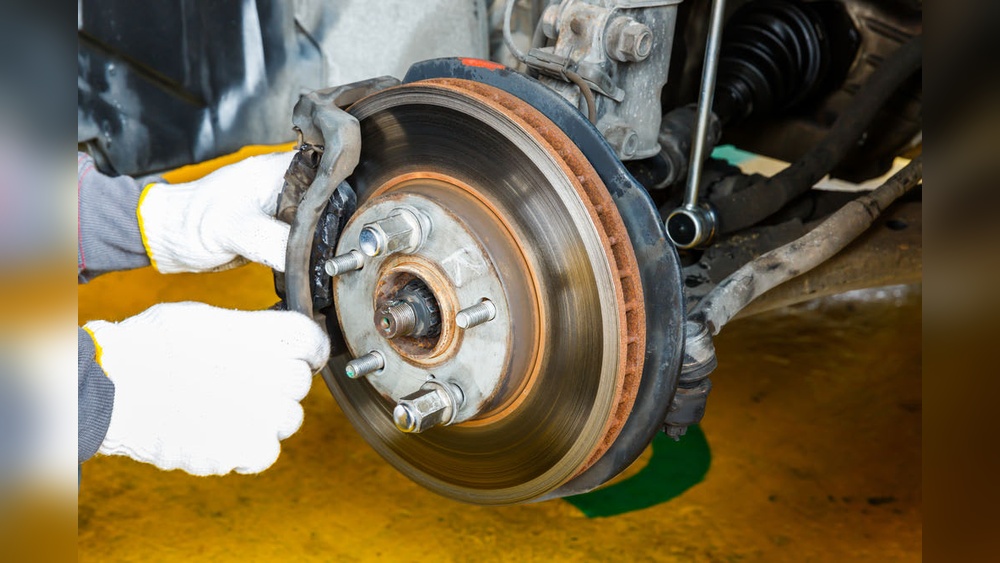
Rotors are metal discs attached to the wheels. They spin as the car moves. When brake pads press on rotors, friction stops the wheel’s spin.
Rotors absorb heat from braking. If they get too hot or worn, they can warp or crack. Damaged rotors reduce braking power and cause vibration.
Changing rotors on time keeps braking safe and smooth. Proper rotor care extends the life of your brake system.

Credit: www.brakestoyou.com
Signs To Replace Brakes
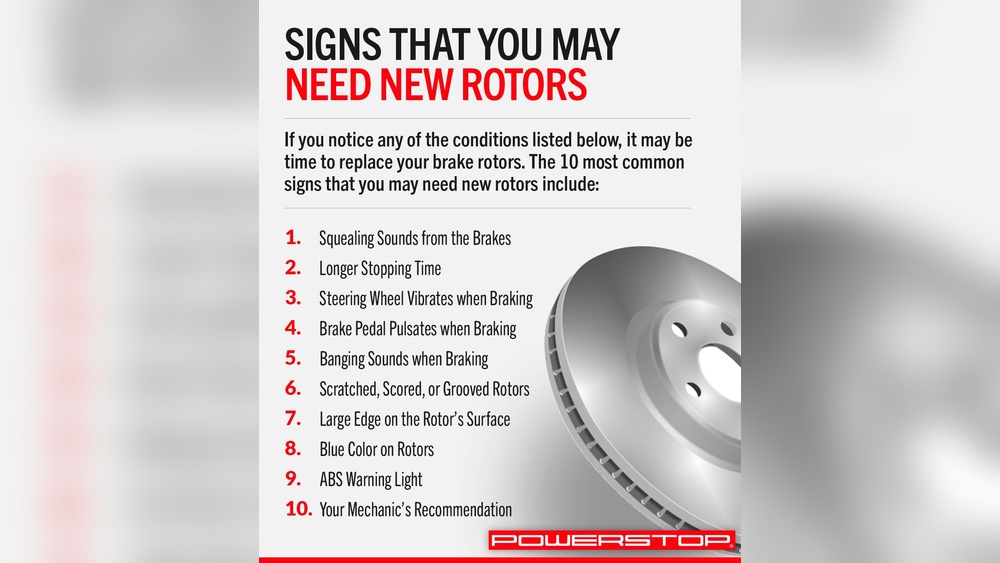
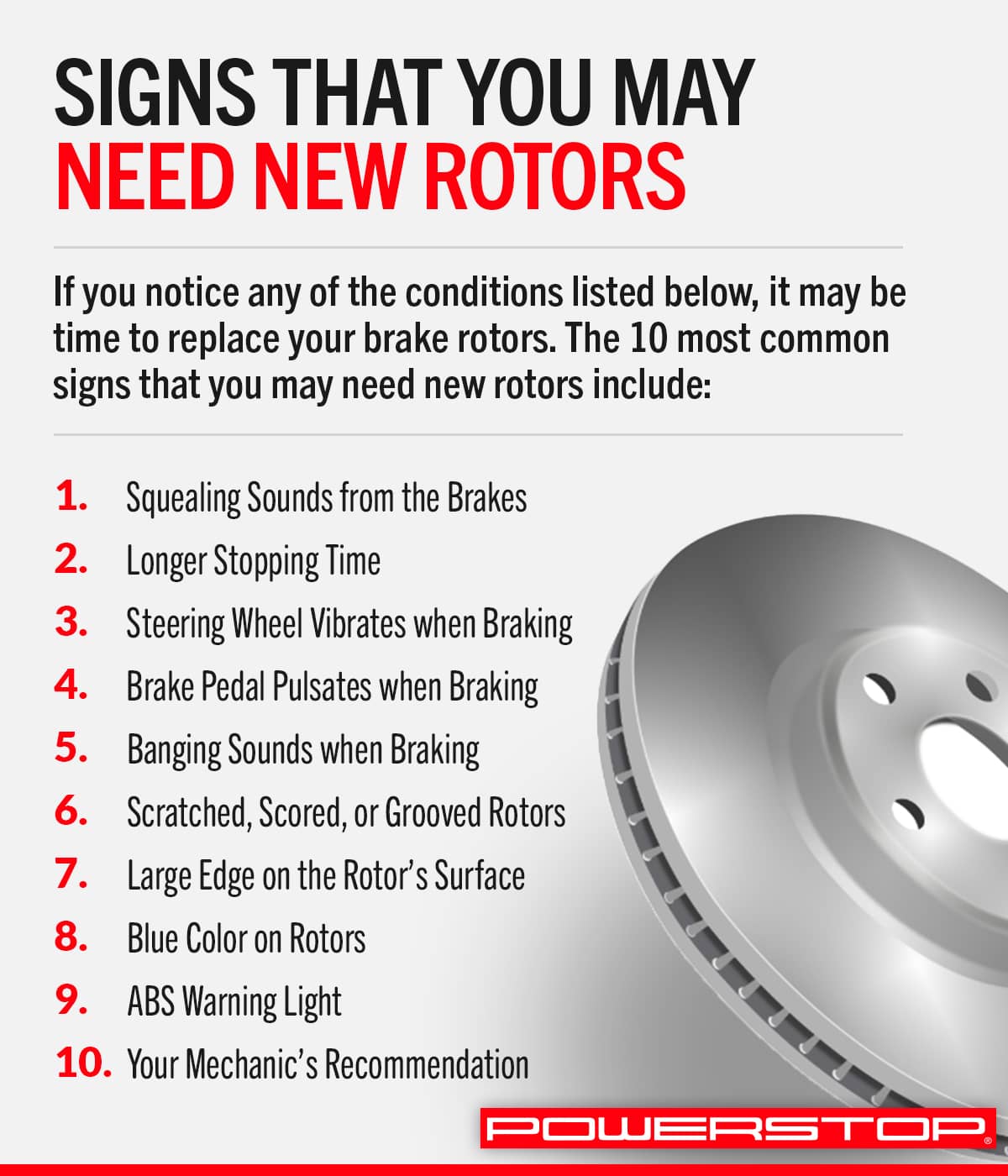
Brakes show signs when they need replacement. Knowing these signs helps keep driving safe. Ignoring them can cause bigger car problems. Watch for sounds, feelings, and performance changes. These clues tell you it is time for new brakes.
Squeaking And Grinding Noises
Squeaking sounds happen when brake pads wear thin. It is a warning noise from the brake system. Grinding noises mean metal parts rub together. This noise shows the pads are gone. Stop driving and replace brakes to avoid damage.
Reduced Braking Performance
Brakes that take longer to stop are unsafe. The car may feel sluggish when braking. Pressing the pedal harder than usual is a sign. It means brake pads or rotors need checking. Reduced brake power risks accidents on the road.
Brake Pedal Vibration
Vibration in the brake pedal signals rotor problems. Warped rotors cause shaking during stops. The feeling is a pulsating or wobbling pedal. This issue lowers brake control and comfort. Replace rotors to restore smooth braking and safety.
When To Change Rotors
Rotors are a key part of your car’s braking system. They work with the brake pads to stop your vehicle safely. Over time, rotors wear down or get damaged. Changing them at the right time keeps your brakes working well and helps avoid bigger repairs.
Knowing when to change rotors is important. Some signs tell you the rotors need attention. Regular checks help you spot problems early.
Warping And Scoring
Warped rotors cause shaking or vibration during braking. This happens when rotors get too hot and lose their shape. Scoring shows as deep grooves or scratches on the rotor surface. Both warping and scoring reduce braking power. If you feel vibrations or see grooves, it is time to replace the rotors.
Thickness And Wear Limits
Rotors have a minimum thickness limit set by the manufacturer. When rotors wear below this limit, braking becomes unsafe. Mechanics use special tools to measure thickness. Thin rotors can crack or break under pressure. Always replace rotors that are too thin to ensure safety.
Visual Inspection Tips
Look at your rotors regularly for signs of damage. Check for rust, cracks, or uneven wear. Surface rust can sometimes be cleaned off, but deep rust weakens rotors. Small cracks or rough spots mean the rotor should be changed. Clean, smooth rotors help brakes work properly and last longer.

Credit: www.reddit.com
Factors Affecting Brake And Rotor Lifespan
Brake pads and rotors do not wear out at the same rate for every driver. Their lifespan depends on several important factors. Understanding these factors helps you know when to check or replace them. This knowledge keeps your car safe and running smoothly.
Driving Habits
Hard braking wears brakes and rotors faster. Smooth, gentle stops extend their life. Frequent stop-and-go traffic also causes quicker wear. Long highway drives cause less brake use. How you drive directly impacts brake lifespan.
Vehicle Type And Usage
Heavier vehicles need stronger brakes and rotors. Trucks and SUVs often wear brakes faster than small cars. Towing heavy loads adds extra stress. Sports cars use brakes more aggressively, reducing lifespan. Regular use and vehicle type affect brake and rotor wear.
Environmental Conditions
Driving in wet or salty areas causes rust on rotors. Mountain roads with many curves require more braking. Dusty or sandy roads can wear brake parts quicker. Hot climates may cause brakes to overheat. Environment plays a big role in brake and rotor life.
Recommended Replacement Intervals
Knowing when to change your brakes and rotors keeps your car safe. Following recommended replacement intervals helps avoid costly repairs. These intervals depend on several factors. Understanding them helps you plan maintenance better.
Manufacturer Guidelines
Car makers provide specific advice for brake and rotor changes. Check your owner’s manual for exact timing. These guidelines consider your vehicle’s design and parts. Following them ensures your brakes work well and last longer.
Mileage-based Recommendations
Many experts suggest replacing brake pads every 30,000 to 70,000 miles. Rotors often need changing every 50,000 to 70,000 miles. This range depends on driving style and road conditions. Tracking your mileage helps you stay on schedule.
Professional Inspection Frequency
Have a mechanic inspect your brakes every 10,000 to 15,000 miles. Professionals spot wear and tear early. They check brake pads, rotors, and other parts. Regular inspections prevent sudden brake failure and improve safety.
Safety Risks Of Delayed Replacement
Delaying the replacement of brakes and rotors can lead to serious safety problems. Worn-out brake parts reduce how well your vehicle stops. This puts you and others at risk on the road. Understanding these risks helps you decide when to change your brakes and rotors.
Increased Stopping Distance
Old brakes and rotors make your car take longer to stop. This longer stopping distance can cause accidents. Especially in emergencies, every extra foot matters. Worn parts reduce the grip between brake pads and rotors. This weakens braking power and slows response time.
Brake Failure Risks
Delaying brake changes raises the chance of brake failure. Brake failure means your vehicle may not stop at all. This happens when brake pads wear too thin or rotors get damaged. Failing brakes can cause serious crashes and injuries. Regular checks prevent this dangerous problem.
Cost Implications
Ignoring brake wear can lead to costly repairs. Worn brakes can damage rotors severely. Rotor damage means you must replace both parts, raising costs. Fixing brakes early saves money and avoids bigger problems. Routine maintenance keeps your car safe and budget-friendly.
Maintenance Tips To Extend Brake Life
Brake maintenance helps keep your vehicle safe and saves money. Regular care extends the life of brakes and rotors. Simple steps can prevent costly repairs and improve driving comfort.
Regular Cleaning
Brake parts collect dust and dirt over time. Cleaning removes grime that causes wear and tear. Use a soft brush or cloth to wipe brake components. Avoid water on brake pads to prevent damage. Keeping brakes clean helps them work smoothly longer.
Proper Driving Techniques
Brake gently to reduce stress on parts. Avoid sudden stops and hard braking. Use engine braking on downhill slopes to save brake life. Driving smoothly lowers heat and wear on brakes. This simple habit can extend brake and rotor life significantly.
Timely Inspections
Check brakes regularly for signs of wear or damage. Listen for unusual noises or vibrations while braking. Inspect brake pads and rotors every 10,000 miles or as advised. Early detection of problems prevents bigger issues. Timely inspections keep brakes reliable and safe.
Credit: www.powerstop.com
Choosing Quality Brake Parts
Choosing quality brake parts is key for safety and performance. Poor parts wear out fast and can cause problems. Good parts last longer and work better. This saves money and keeps your car safe.
Oem Vs Aftermarket
OEM parts come from the car maker. They fit perfectly and meet high standards. Aftermarket parts come from other companies. Some are good and cheaper. Others may not last as long. Choose trusted aftermarket brands to avoid issues.
Material Types For Rotors
Rotors come in different materials. Cast iron is common and affordable. It handles heat well but can rust. Steel rotors resist rust but cost more. Some rotors have special coatings for durability. Pick material based on driving style and budget.
Trusted Brands
Brands with a good reputation offer reliable parts. They test their products for safety and quality. Popular brands often provide warranties. Buying from trusted brands reduces risk of brake failure. Check reviews to find the best option for your vehicle.
Frequently Asked Questions
How Often Should I Change Brake Pads?
Brake pads typically need replacement every 30,000 to 70,000 miles. Factors like driving style and vehicle type affect this. Regular inspections help detect wear early, ensuring safety and optimal performance. Always follow your vehicle manufacturer’s recommendations for best results.
When Do Rotors Need Replacing?
Rotors usually require replacement every 50,000 to 70,000 miles. Signs include vibration, scoring, or uneven wear. If rotors are warped or below the minimum thickness, replacement is necessary to maintain braking efficiency and safety.
Can I Change Brake Pads Without Replacing Rotors?
Yes, you can replace brake pads without changing rotors if the rotors are in good condition. However, if rotors are worn or damaged, replacing both ensures better braking performance and longer part life.
How To Know If Brakes Or Rotors Need Changing?
Look for symptoms like squeaking, grinding noises, vibrations, or reduced braking power. Visual inspection for rotor grooves or pad thickness also helps. These signs indicate it’s time to replace brake components for safe driving.
Conclusion
Brake and rotor wear varies by driving habits and conditions. Check them every 20,000 to 30,000 miles. Listen for squeaking or grinding sounds. Feel for vibrations when braking. Replace parts promptly to keep driving safe. Regular checks prevent costly repairs later.
Your brakes protect you and others on the road. Stay alert and maintain them well. Simple care keeps your vehicle running smoothly. Don’t delay; safety matters most.