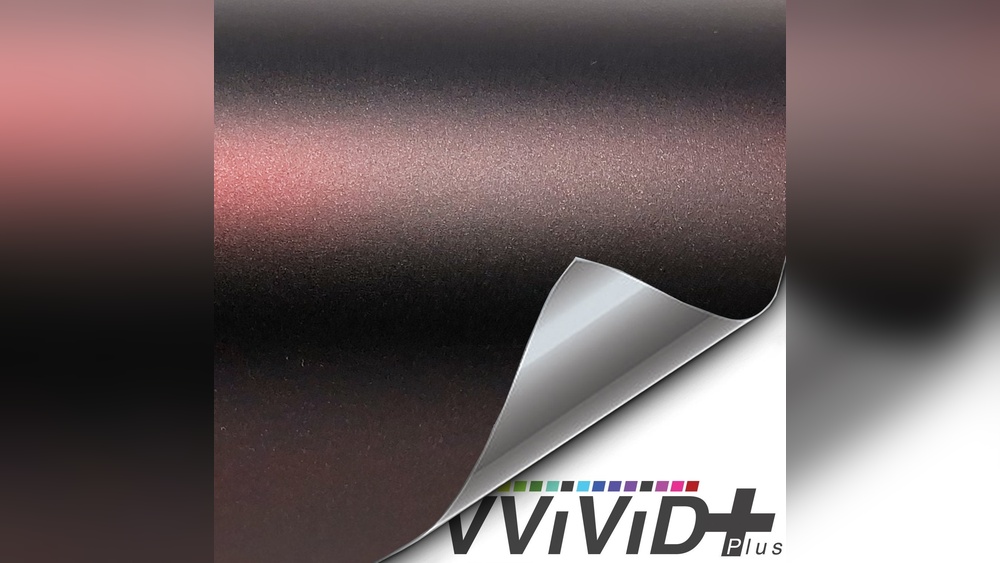
Thinking about wrapping your car with vinyl but not sure how much material you’ll need? You’re not alone.
Getting the right amount of vinyl is key to a smooth, flawless finish without wasting money or running short. You’ll discover exactly how to measure your car and calculate the perfect amount of vinyl wrap. By the end, you’ll feel confident and ready to take on your project with no surprises.
Keep reading to unlock the simple steps that make all the difference.

Credit: www.carlawrap.com
Calculating Vinyl Needed
Calculating the amount of vinyl needed to wrap a car is a key step before starting the project. Accurate measurement helps avoid buying too little or too much material. Estimating vinyl needs saves money and prevents delays during installation.
Measuring Vehicle Dimensions
Start by measuring the length, width, and height of the car. Use a tape measure for precise numbers. Measure the hood, roof, doors, and trunk separately. Write down each measurement clearly. Add all measurements to find the total surface area.
Accounting For Curves And Details
Cars have curves, edges, and small details. These shapes need extra vinyl to cover properly. Include mirrors, bumpers, and door handles in your calculations. Vinyl must stretch and wrap around these parts without gaps. Add extra material for smooth coverage on curves.
Adding Extra For Errors
Cutting vinyl perfectly is hard. Mistakes happen during cutting or fitting. Add at least 10 to 15 percent extra vinyl. This extra material covers errors and small repairs. It also allows room to adjust vinyl during installation. Always buy more than the exact measurement.
Vinyl Roll Sizes
Understanding vinyl roll sizes helps you buy the right amount for a car wrap. Vinyl wraps come in different widths and lengths. Choosing the correct size avoids waste and extra cost. It also makes the wrapping process easier and faster.
Standard Widths Available
Vinyl rolls usually come in widths of 24, 48, 60, or 72 inches. The most common width for car wrapping is 60 inches. This size covers most car parts without many seams. Smaller widths, like 24 or 48 inches, suit smaller vehicles or detailed areas. Larger widths help cover big surfaces quickly but may be harder to handle.
Choosing The Right Length
The length of vinyl rolls varies from 10 to 100 feet or more. Calculate the total surface area of your car to estimate the needed length. For a full car wrap, 50 to 75 feet usually works well. Smaller projects, like wrapping a hood or door, need less length. Buying a bit extra vinyl helps cover mistakes or errors during installation.
Types Of Vinyl Wraps
Choosing the right type of vinyl wrap is important for your car project. Different vinyl types offer various looks and durability. Understanding these types helps in picking the best one for your needs.
Each vinyl type has unique features. These features affect how much vinyl you need and how it will look on your car.
Cast Vs. Calendered Vinyl
Cast vinyl is thin and flexible. It wraps easily around curves and edges. It lasts longer and resists fading. This type is more expensive but gives a smooth finish.
Calendered vinyl is thicker and less flexible. It suits flat or simple surfaces. It is cheaper but may peel or crack over time. This type is good for short-term use or flat parts.
Specialty Finishes And Textures
Vinyl comes in many special finishes. Glossy, matte, satin, and metallic are popular choices. These finishes change how your car looks and feels.
Textured vinyl adds a unique touch. Carbon fiber, brushed metal, and leather-like textures create bold styles. These wraps need careful measuring and cutting.
Tools For Accurate Wrapping
Wrapping a car with vinyl requires precision and care. Using the right tools helps achieve a smooth, professional finish. Accurate measurements and careful cutting reduce waste and save time. Proper application tools help avoid bubbles and wrinkles. These tools make the wrapping process easier and more effective.
Measuring Tools
Accurate measuring tools are essential for a perfect vinyl wrap. A tape measure helps find the length and width of each car part. A ruler or straight edge ensures straight lines for cutting. A digital measuring device can give precise measurements quickly. Marking tools like pencils or chalk help outline cutting areas without damaging the car.
Cutting And Application Tools
A sharp utility knife is necessary to cut vinyl cleanly. Use new blades to avoid jagged edges on the vinyl. A squeegee helps press vinyl onto the car surface smoothly. It removes air bubbles and wrinkles during application. Heat guns soften the vinyl, making it easier to stretch and fit curves. Gloves protect hands and prevent fingerprints on the vinyl surface.
Common Wrapping Challenges
Vinyl wrapping a car is not always simple. There are common challenges that many people face. Understanding these challenges helps you prepare and get better results. Two major issues are handling large panels and dealing with complex shapes.
Handling Large Panels
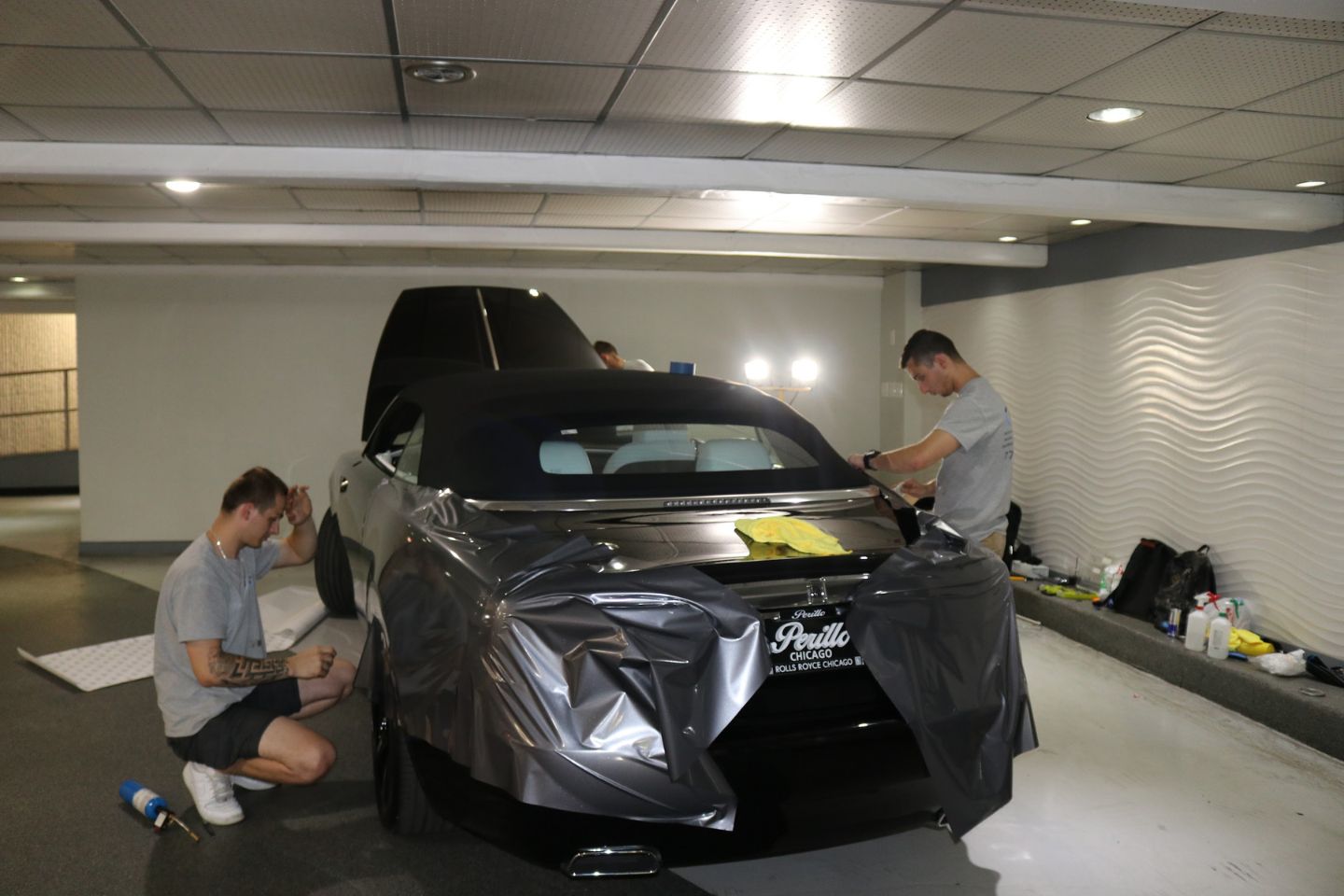
Large vinyl panels can be hard to manage. They tend to fold and crease easily. Keeping the vinyl clean is also tough. Dust and dirt stick to big surfaces quickly. Stretching the vinyl unevenly can cause bubbles. It takes practice to smooth out large areas. Using a heat gun helps the vinyl stretch better.
Dealing With Complex Shapes
Cars have many curves and edges. Wrapping around mirrors, door handles, and bumpers is tricky. The vinyl can tear or wrinkle in these spots. Cutting the vinyl too much can cause gaps. It is important to stretch the vinyl carefully. Small sections may need to be wrapped separately. Patience and steady hands are key for clean results.
Credit: www.tintingchicago.com
Tips For Perfect Coverage
Getting perfect coverage with vinyl wrap needs careful steps. These tips help avoid mistakes and save material. Planning and handling vinyl well gives smooth and clean results. Follow these tips for a neat car wrap.
Planning The Wrap Layout
Start by measuring your car carefully. Note all curves, edges, and tricky spots. Cut vinyl pieces a bit bigger than needed. This extra helps cover corners well. Arrange pieces to match car parts logically. Keep seams in less visible areas. This step cuts waste and avoids gaps. Planning saves time during the wrap process.
Stretching And Aligning Vinyl
Heat the vinyl slightly to make it flexible. Stretch it gently to fit curves without bubbles. Use a squeegee to press down air pockets. Align edges carefully before sticking vinyl fully. Smooth out wrinkles from center to edges. Take time to adjust before final adhesion. Proper stretching and alignment prevent tears and creases.
Cost Considerations
Cost plays a big role in deciding how much vinyl to buy for wrapping a car. Knowing the price and planning for extra material helps avoid surprises. It keeps the project within your budget and ensures you have enough vinyl to finish the job.
Price Per Square Foot
Vinyl wrap costs vary by quality and brand. On average, prices range from $2 to $5 per square foot. Higher quality vinyl lasts longer and looks better but costs more. Cheaper vinyl saves money but may fade or peel faster. Calculate the total area of your car to estimate the material cost.
Budgeting For Extra Material
Buy about 10% to 15% more vinyl than the car’s surface area. Extra material covers mistakes, curves, and edges. It helps when cutting and fitting the wrap. Running short means buying more later, which can increase costs. Planning ahead with extra vinyl avoids delays and extra charges.

Credit: carwrapsupplieraustralia.com
Frequently Asked Questions
How Much Vinyl Wrap Is Needed For A Full Car Wrap?
A full car wrap typically requires 50 to 75 feet of vinyl. The exact amount depends on your car’s size and shape. Larger vehicles need more vinyl to cover all surfaces properly. Always buy extra to account for mistakes or complex areas.
Can One Roll Of Vinyl Wrap Cover A Car Roof Only?
Yes, one roll of vinyl wrap, around 12 to 15 feet, can cover most car roofs. Measure your roof dimensions first to ensure enough material. This approach saves vinyl and costs less than wrapping the entire vehicle.
How To Estimate Vinyl Needed For Partial Car Wraps?
Measure the specific area you want to wrap, like doors or hood. Add 10-20% extra vinyl for stretching and trimming. Partial wraps require less vinyl than full wraps, making this a cost-effective option for customization.
Does Car Size Affect The Amount Of Vinyl Wrap Required?
Yes, car size directly impacts vinyl needed. Compact cars require less vinyl, around 50 feet, while trucks or SUVs may need up to 75 feet. Always measure your vehicle or consult with a professional for accurate vinyl estimates.
Conclusion
Wrapping a car with vinyl needs careful planning and measurement. Knowing the right amount of vinyl saves money and time. Measure your car’s surface area before buying vinyl. Add some extra vinyl for mistakes or curves. Different car shapes need different amounts of vinyl.
Choosing quality vinyl helps the wrap last longer. Take your time during the wrapping process. A well-done wrap looks smooth and neat. This guide helps you estimate vinyl needed for your car. Start with accurate measurements to get the best results.