

Are you thinking about giving your Dodge Challenger a fresh, head-turning look with a vinyl wrap? One of the first questions you might have is, “How much vinyl do I actually need?”
Getting the right amount is key—not too little to leave gaps, and not too much to waste money. You’ll discover exactly how to measure your car and calculate the perfect amount of vinyl for a flawless wrap. Keep reading to make your Challenger stand out without any guesswork or surprises.

Credit: raxtify.com
Measuring Your Dodge Challenger
Measuring your Dodge Challenger is the first step before buying vinyl wrap. Accurate measurements help avoid buying too much or too little vinyl. This saves money and time. It also ensures the wrap fits perfectly. Take your time to measure carefully. Use clear marks to note down the numbers.
Key Areas To Measure
Start with the car’s length from front to back. Measure the height from the bottom edge to the roof. Check the width across the doors and hood. Don’t forget the mirrors, bumpers, and roof. These parts need extra vinyl. Measure each side separately for accuracy. Add a few extra inches to each measurement. This covers overlaps and mistakes.
Tools Needed For Accurate Measurement
Use a tape measure with clear markings. A steel tape measure works best. Have a notepad or phone ready to write numbers. Use a helper to hold the tape in place. This makes measuring easier and more accurate. A step ladder helps reach high areas. A flashlight can improve visibility in dark spots.
Vinyl Wrap Coverage Estimates
Knowing how much vinyl wrap you need helps plan your Dodge Challenger project. Vinyl coverage depends on the wrap size and the type of wrap you want. Different wrap styles use different amounts of vinyl. Estimating the right amount avoids waste and extra costs.
Each wrap project is unique because of vehicle size and design complexity. The Dodge Challenger is a big car with many curves. This means you need enough vinyl to cover all surfaces smoothly. Let’s explore common wrap sizes and coverage types.
Standard Wrap Sizes
Vinyl wrap usually comes in rolls that are 50 to 60 inches wide. The length of the roll varies from 10 to 100 feet. For a full Dodge Challenger wrap, most shops recommend 50 to 60 feet of vinyl. This amount covers the entire car from front to back.
Partial wraps require less vinyl. For example, wrapping just the hood or roof may need 10 to 20 feet. It depends on the area you want to cover. Vinyl quality and stretch also affect the amount needed. Always buy a little extra to handle mistakes or overlaps.
Full Vs Partial Wraps
A full wrap covers the entire car body, including doors, bumpers, and mirrors. It needs more vinyl and time to complete. Expect 50 to 60 feet of vinyl for a full Dodge Challenger wrap. This gives a consistent look and protects the paint fully.
Partial wraps cover only some parts of the car. Popular spots include the hood, roof, or side panels. These wraps use less vinyl, usually 10 to 30 feet. Partial wraps cost less and take less time. They offer a quick way to change your car’s style or add designs.
Factors Affecting Vinyl Quantity
Knowing how much vinyl you need to wrap a Dodge Challenger depends on several important factors. These factors help you estimate the correct amount of material. Estimating too little can cause delays, while too much wastes money. Understanding these factors helps plan your wrap project better.
Car Model Variations
Different Dodge Challenger models have unique shapes and sizes. Some have wider bodies or extra features like spoilers. These changes affect the amount of vinyl needed. Newer models might need more vinyl due to added details. Always check the specific model before buying vinyl.
Wrap Design Complexity
Simple wraps need less vinyl than detailed designs. Complex patterns or full-color designs require more material. Adding textures or multiple colors increases vinyl use. The more detailed the design, the more vinyl you should order. Plan your design carefully to estimate vinyl correctly.
Material Waste And Overlaps
Vinyl wrapping needs extra material to cover mistakes or overlaps. Cutting curves and edges wastes some vinyl. Overlapping edges ensures a smooth finish but uses more material. Always add 10-15% extra vinyl for waste and overlaps. This extra helps avoid running out during the project.
Calculating Vinyl Rolls Needed
Calculating how much vinyl you need to wrap a Dodge Challenger is key. Accurate measurements help avoid extra costs and material waste. Knowing the right amount saves time and effort during installation.
Start by understanding the size of vinyl rolls. Then, measure your car carefully. Finally, use simple math to find the total vinyl required. This process ensures you buy just enough vinyl for a perfect wrap.
Roll Dimensions Explained
Vinyl rolls come in standard widths and lengths. A common width is 60 inches (5 feet). Lengths vary but often are 25, 50, or 100 feet.
The width matters because it affects how many cuts you need. Longer rolls reduce seams and joins. Knowing roll size helps plan the layout on your Dodge Challenger.
Step-by-step Calculation
First, measure the length, width, and height of your car’s wrap areas. Include doors, hood, roof, and trunk. Add extra inches for curves and edges.
Multiply length by width to find the total square feet for each section. Add all sections to get total square footage needed. Convert inches to feet for easier math.
Next, calculate how much square footage each roll provides. Multiply roll width (in feet) by roll length. Divide total car square footage by square footage per roll.
Round up the result to the nearest whole number. This number is the rolls of vinyl you need. Buy a little extra for mistakes or future repairs.
Choosing The Right Vinyl Material
Choosing the right vinyl material is important for wrapping a Dodge Challenger. The material affects how the wrap looks and lasts. Picking a good vinyl helps protect the car’s paint and gives a smooth finish. It also makes the wrap easier to install and remove. Consider the types of vinyl and their durability before buying.
Types Of Vinyl Films
There are several types of vinyl films for car wraps. Cast vinyl is thin and flexible. It molds well to curves and lasts long. Calendered vinyl is thicker and cheaper. It works best on flat surfaces but may peel on curves. Air-release vinyl has tiny channels to avoid bubbles. It makes installation cleaner and faster. Choose a type based on your car’s shape and budget.
Durability And Finish Options
Vinyl wraps come in different finishes. Glossy finishes shine and look like paint. Matte finishes give a smooth, non-reflective surface. Satin finishes sit between gloss and matte. Durability varies with material quality. High-quality vinyl can last up to 7 years. Lower quality may fade or crack in 2 to 3 years. Consider how long you want the wrap to last before buying.
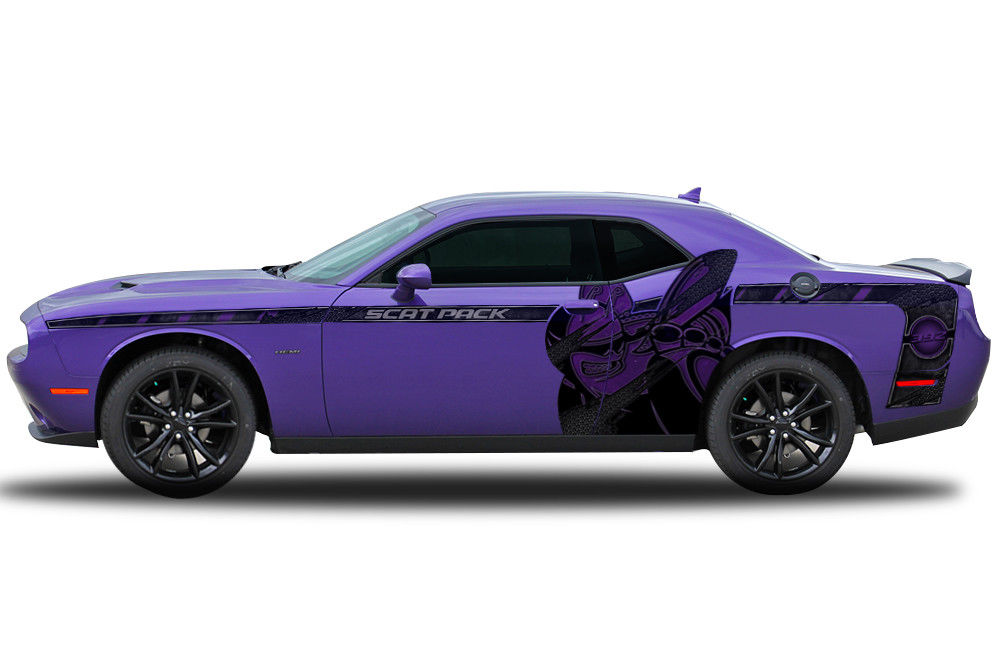
Credit: racerxcustoms.com
Cost Considerations
Cost is a key factor when wrapping a Dodge Challenger with vinyl. Knowing the price helps plan your budget better. Some costs are obvious, like the vinyl rolls. Others, like tools, might surprise you.
Understanding these costs stops you from overspending. It also ensures you have everything needed to finish the job well.
Price Per Roll
Vinyl wrap rolls vary in price. The cost depends on quality, brand, and size. A typical roll covers about 50 feet long by 5 feet wide. Prices range from $100 to $300 per roll. Higher quality vinyl lasts longer and looks better. Cheaper vinyl may fade or peel quickly. A Dodge Challenger usually needs 2 to 3 rolls. This covers the entire car with some extra for mistakes.
Additional Supplies And Tools
Vinyl wrap needs more than rolls. You need tools like a squeegee to smooth the vinyl. A heat gun helps stretch and fit the vinyl around curves. Cutting tools trim edges cleanly. Cleaning supplies prepare the car surface before wrapping. Gloves protect your hands and prevent dirt on vinyl. These extra items can add $50 to $150 to your cost. Buying good tools makes the wrap job easier and neater.
Tips For A Successful Wrap
Wrapping a Dodge Challenger can change its look completely. Success depends on careful steps. Follow these tips to get a smooth, lasting finish. Small details make a big difference.
Preparation And Cleaning
Start by washing the car well. Dirt and grease stop vinyl from sticking. Use soap and water, then dry the surface. Remove wax or polish with an alcohol-based cleaner. Check for dents or scratches. Fix them before wrapping. Smooth surfaces help vinyl lay flat. Work in a dust-free, shaded area. Sunlight can make the vinyl too hot and sticky.
Application Techniques
Measure and cut the vinyl with extra margin. This prevents shortage during application. Peel the backing slowly as you apply. Use a squeegee to push air bubbles out. Stretch the vinyl gently around curves. Avoid pulling too hard to stop tearing. Use a heat gun to soften the vinyl. This helps it fit tight corners perfectly. Trim the edges neatly after application. Take your time. Rushing causes mistakes.

Credit: www.incognitowraps.com
Frequently Asked Questions
How Much Vinyl Wrap Is Needed For A Dodge Challenger?
To wrap a Dodge Challenger fully, you need about 60 to 70 square feet of vinyl. This covers all exterior panels, including doors, hood, roof, and bumpers.
Can One Roll Of Vinyl Wrap Cover A Dodge Challenger?
Typically, one 60-inch by 25-foot roll of vinyl wrap is enough. It provides approximately 60 square feet, which suits most full wraps with minimal waste.
How To Measure Vinyl Wrap For A Dodge Challenger?
Measure length and width of each car section separately. Add extra vinyl for curves, edges, and trimming to avoid shortages.
What Factors Affect Vinyl Wrap Quantity For A Dodge Challenger?
Car size, design complexity, and wrap style affect vinyl needs. Matte or textured wraps may require more material for proper coverage.
Conclusion
Wrapping a Dodge Challenger needs careful planning. About 50 to 60 feet of vinyl usually works well. This amount covers the whole car without wasting material. Always buy a little extra for mistakes or cuts. Choose a good quality vinyl for better results.
Measure twice to avoid running short. A well-wrapped car looks fresh and stands out. Taking your time makes the job easier and cleaner. Vinyl wrapping can protect your paint and change your car’s look. Simple steps lead to great results.

