

If you drive a diesel vehicle, you might wonder how often you should change your diesel fuel filter. This small part plays a big role in keeping your engine running smoothly and avoiding costly repairs.
Ignoring it can lead to poor performance, reduced fuel efficiency, and even engine damage. You’ll discover the signs that tell you it’s time for a change and why sticking to the right schedule can save you money and headaches. Keep reading to make sure your diesel engine stays in top shape for the road ahead.
Diesel Fuel Filter Basics
Diesel fuel filters keep the engine clean and running well. They stop dirt, rust, and water from entering the fuel system. Clean fuel means better engine performance and longer life.
Changing the filter at the right time helps avoid engine problems. Knowing the basics helps you maintain your diesel vehicle properly.
Role Of The Fuel Filter
The fuel filter traps harmful particles in diesel fuel. It protects the engine’s fuel injectors and pumps. Dirty fuel can cause engine damage and poor fuel efficiency. The filter keeps the fuel clean and smooth.
Water separation is another key role. Water in diesel fuel can cause rust and corrosion. The filter removes water to protect engine parts.
Types Of Diesel Fuel Filters
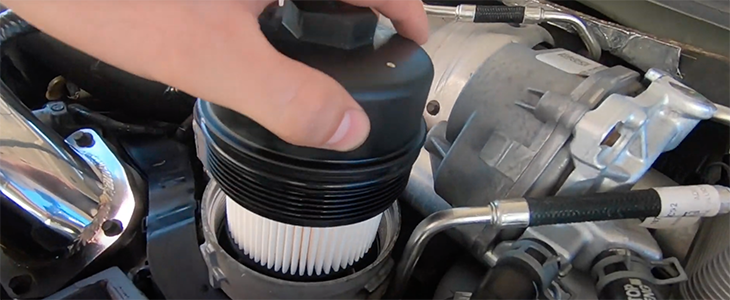
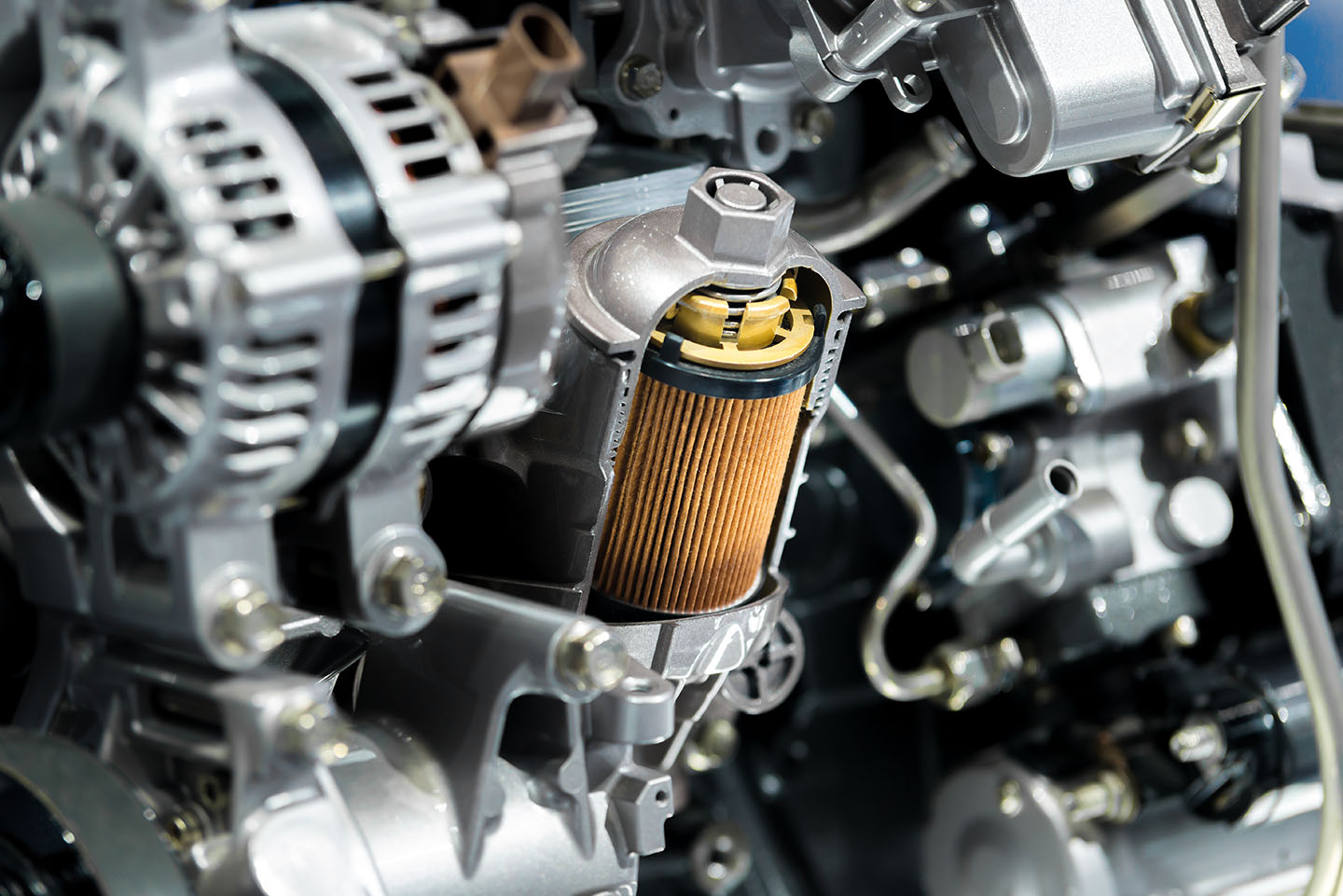
There are several types of diesel fuel filters. The most common are cartridge and spin-on filters. Cartridge filters fit inside a housing. Spin-on filters screw on like an oil filter.
Some filters include water separators. These filters remove water and dirt at the same time. Choosing the right filter depends on the vehicle and fuel system.
Credit: boodmo.com
Signs To Replace Your Fuel Filter
Knowing when to change your diesel fuel filter can save your engine from damage. The fuel filter cleans dirt and debris from the fuel. Over time, it clogs and stops working well. This affects how your engine runs. Watch for signs that tell you it is time to replace the filter.
Engine Performance Issues
A clogged fuel filter causes your engine to run rough. You may feel the engine hesitate or stall. It may lose power during acceleration. The engine might also make strange noises. These problems happen because fuel cannot flow freely.
Fuel Efficiency Drops
Your vehicle uses more fuel when the filter is dirty. The engine works harder to get enough fuel. This makes your miles per gallon go down. You might notice that you fill the tank more often. A clean fuel filter helps the engine run smoothly and saves fuel.
Starting Problems
Hard starting or no start can mean a bad fuel filter. The fuel flow to the engine is blocked. This stops the engine from getting the fuel it needs. You might have to try several times to start the engine. Changing the fuel filter can fix this issue quickly.
Recommended Replacement Intervals
Knowing when to change your diesel fuel filter keeps your engine healthy. Changing it too late can cause problems. Changing it too soon wastes money. Follow clear guidelines to find the right time for replacement.
Manufacturer Guidelines
Check your vehicle’s manual first. Manufacturers often suggest changing the diesel fuel filter every 20,000 to 40,000 miles. This range varies by brand and model. Some trucks need changes more often. Stick to these guidelines to keep your engine safe.
Factors Affecting Replacement Frequency
Driving conditions change how fast filters get dirty. Dusty or rough roads clog filters quicker. Short trips cause fuel to stay in the filter longer. This can lead to buildup. Using low-quality diesel fuel also affects filter life. Watch for engine trouble signs. They may mean it’s time to change the filter sooner.
Step-by-step Filter Replacement
Changing a diesel fuel filter keeps your engine clean and running well. Doing it step-by-step ensures no mistakes. This guide breaks down the filter replacement process clearly. Follow these simple steps to do the job right.
Understanding the tools and safety tips helps prevent damage and injury. Prepare well before starting the task. Let’s begin with the tools needed for the job.
Tools You’ll Need
Gather these tools before replacing the filter. A wrench or socket set fits most filters. A new diesel fuel filter is a must. Have a catch pan ready to collect spilled fuel. Use clean rags to wipe up any mess. Safety gloves protect your hands from fuel and dirt. Eye protection keeps debris and fuel out of your eyes.
Safe Removal And Installation Tips
Start the engine and let it cool to avoid burns. Turn off the engine before working on the filter. Place the catch pan under the filter to catch fuel drips. Loosen the old filter carefully to avoid fuel spills. Remove the filter and clean the mounting surface. Check the new filter’s gasket for damage. Lightly oil the new gasket to seal it well. Screw the new filter by hand until snug. Tighten it with a wrench, but do not over-tighten. After installation, start the engine and check for leaks. Dispose of the old filter and fuel safely.
Consequences Of Neglecting Filter Changes
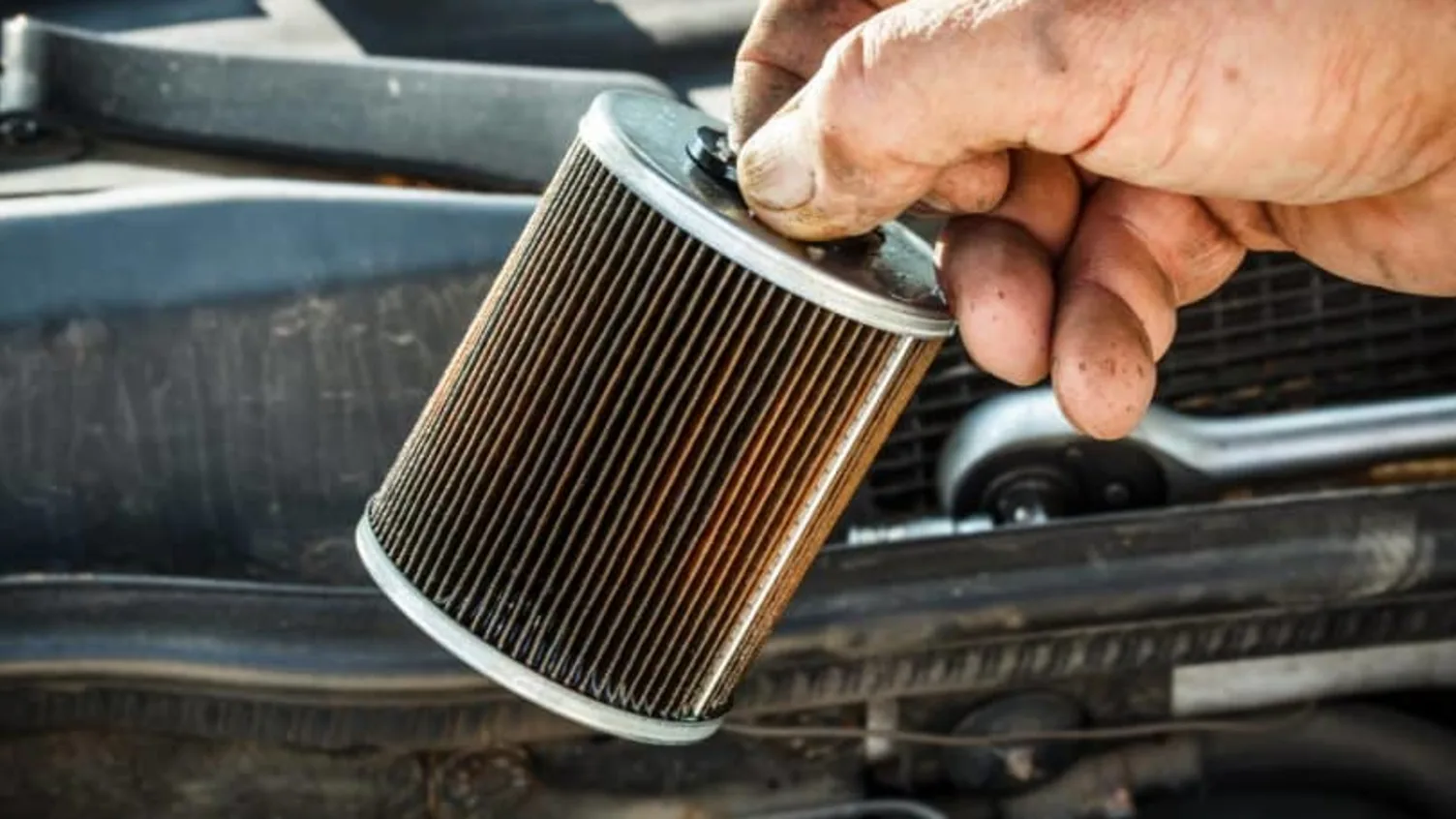
Neglecting diesel fuel filter changes causes serious problems. The filter traps dirt and water in the fuel. Over time, it clogs and stops working well. This leads to poor engine performance and damage. Ignoring filter changes can also increase repair costs and downtime. Keeping the filter clean is key to a healthy engine.
Engine Damage Risks
A dirty fuel filter blocks clean fuel flow. This forces the engine to work harder. Contaminants reach the fuel injectors and cause wear. Over time, engine parts can fail. Repairs become expensive and take more time. Regular filter changes protect the engine and extend its life.
Increased Maintenance Costs
Clogged filters cause more engine problems. Fixing these issues costs much more than changing filters. Repair bills grow with ignored maintenance. The vehicle also loses fuel efficiency. More fuel use means higher running costs. Timely filter changes save money and keep the engine running smoothly.
Credit: bostechauto.com
Tips To Extend Filter Life
Extending the life of your diesel fuel filter saves money and keeps your engine running smoothly. Filters catch dirt and water from fuel. Over time, they clog and reduce engine performance. Taking simple steps helps the filter last longer. These tips protect your engine and improve fuel efficiency.
Using Quality Fuel
Good fuel contains fewer impurities. Cheap or contaminated fuel clogs filters faster. Always buy diesel from trusted stations. Clean fuel reduces dirt buildup in the filter. It also prevents water from entering the system. Using quality fuel means less strain on your filter.
Regular System Inspections
Check the fuel system often. Look for leaks or damage to pipes and seals. Replace worn parts quickly to avoid dirt entry. Clean or replace filters at the first sign of clogging. Regular checks catch problems early. This keeps the filter and engine healthy longer.
Credit: www.bigboxcars.com.au
Frequently Asked Questions
How Often Should I Change My Diesel Fuel Filter?
You should change your diesel fuel filter every 10,000 to 25,000 miles. This depends on your vehicle and driving conditions. Regular changes prevent engine damage and maintain fuel efficiency. Always check your owner’s manual for the exact interval.
What Happens If Diesel Fuel Filter Is Not Changed?
A clogged fuel filter restricts fuel flow, causing engine performance issues. It may lead to rough idling, stalling, or poor acceleration. Over time, it can damage the fuel pump and injectors. Timely replacement ensures smooth engine operation and longevity.
Can I Replace A Diesel Fuel Filter Myself?
Yes, replacing a diesel fuel filter is doable with basic tools. Ensure the engine is off and cool before starting. Follow the vehicle’s manual instructions carefully. Proper disposal of old fuel and filter is important for safety and environment.
How To Know When Diesel Fuel Filter Needs Changing?
Signs include engine hesitation, reduced power, and difficulty starting. Check for black smoke and unusual noises. If your vehicle has a warning light, it may indicate filter issues. Regular maintenance checks can help identify problems early.
Conclusion
Changing your diesel fuel filter keeps your engine healthy and running smooth. Dirt and debris can block the filter and harm your fuel system. Most experts suggest changing it every 10,000 to 25,000 miles, but check your vehicle’s guide. Regular changes prevent costly repairs and improve fuel efficiency.
Don’t wait for problems to start. A clean filter helps your diesel engine last longer and perform better. Simple care makes a big difference in the long run. Stay ahead by keeping your diesel fuel filter fresh.


