

Have you ever been stuck with a dead car battery and wondered how many amps you actually need to jumpstart your car? Knowing the right amount of power can save you from frustrating moments and even protect your vehicle’s electrical system.
If you want to jumpstart your car safely and effectively, understanding the amps required is key. Keep reading, and you’ll learn exactly what you need to know to get your engine running again without any guesswork or risk.
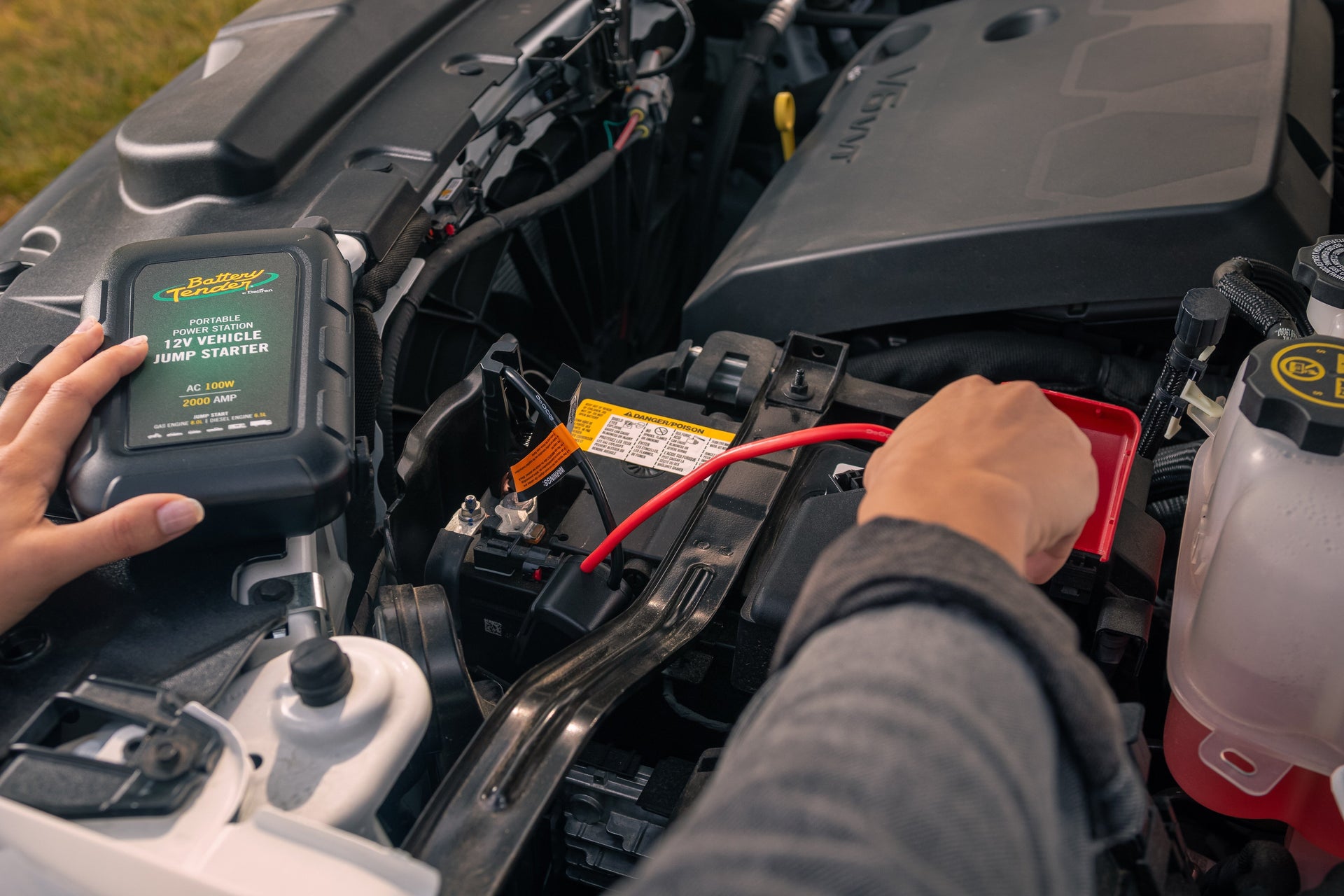
Credit: www.batterytender.com
Amp Basics For Jumpstarting
Understanding amps is key to jumpstarting a car safely and effectively. Amps measure electric current, showing how much power flows through a circuit. When jumpstarting, amps indicate how much energy the battery can deliver to the dead battery.
Using the right amps prevents damage to car electronics and ensures a quick start. Too low amps may fail to start the engine. Too high amps can cause sparks or harm the battery.
What Amps Mean In Jumpstarting
Amps measure the strength of electrical current. A higher amp rating means more power is available. Car batteries usually need a strong burst of current to start the engine. This burst is called the “cranking amps.”
Jump starter packs and cables list amps to show how much power they can provide. Knowing this helps pick the right tool for the car. For example, small cars require fewer amps than large trucks or SUVs.
Starting Current Vs. Running Current
Starting current is the power needed to turn the engine on. It is much higher than the current needed to keep the engine running. This is because the starter motor uses a lot of energy at first.
Running current is the steady power the car uses after the engine starts. It is lower and more stable. Jumpstarting focuses on providing enough starting current quickly. This jumpstarts the engine and allows the running current to take over.

Credit: www.batterytender.com
Typical Amps Required
Knowing the typical amps needed to jumpstart a car helps you choose the right jumper cables or booster pack. Different vehicles need different amounts of power to start their engines. The size and type of the car affect how many amps are required. Understanding these needs avoids damage and ensures a quick start.
Small Cars And Sedans
Small cars and sedans usually need less power to jumpstart. Most require around 400 to 600 amps. These vehicles have smaller engines that need less current. A standard set of jumper cables or a portable jump starter with this range works well for them.
Suvs And Trucks
SUVs and trucks have bigger engines and larger batteries. They often require between 600 to 1000 amps to start. Heavy-duty jumper cables or a powerful booster pack is best for these vehicles. Using too little power can fail to start the engine or cause battery strain.
Electric And Hybrid Vehicles
Electric and hybrid cars use different systems to start. They usually need fewer amps to jumpstart, about 200 to 400 amps. But their batteries are sensitive. It is important to use a jump starter made for electric or hybrid vehicles to avoid damage.
Choosing The Right Jumper Cables
Choosing the right jumper cables is key to jumpstarting a car safely and effectively. Not all cables are equal. Some cables deliver power better than others. The right cables make the process faster and safer. Understanding cable gauge and amp rating helps you pick the best cables for your needs.
Cable Gauge And Length
Cable gauge refers to the thickness of the wire inside the jumper cables. Smaller gauge numbers mean thicker wires. Thick wires carry more current with less resistance. For most cars, 4-gauge or 6-gauge cables work well. Thin cables like 10-gauge may not provide enough power.
Length also matters. Long cables lose power over distance. Shorter cables deliver power more efficiently. Choose cables between 10 and 20 feet long. This length offers a good balance of reach and power. Very long cables can reduce the amps reaching the dead battery.
Amp Rating Of Jumper Cables
The amp rating tells how much current the cables can safely carry. Higher amp ratings mean the cables handle more power. Most jumper cables have ratings from 300 to 600 amps. For small to mid-size cars, 400-amp cables usually work fine.
Large trucks or SUVs may need cables rated above 600 amps. Using cables with too low an amp rating can cause overheating. Always pick cables rated for at least the starting current of your vehicle’s battery. This ensures enough amps flow to start the engine.
Using Jump Starters Safely
Using jump starters safely is very important to protect yourself and your vehicle. Jump starters provide the power needed to start a dead battery. But incorrect use can cause sparks, damage, or injury. Follow safety steps carefully to avoid problems.
Correct Connection Sequence
Always connect the positive clamp first. Attach it to the positive terminal of the dead battery. Then, connect the other positive clamp to the jump starter. Next, connect the negative clamp to the jump starter’s negative terminal. Finally, attach the last negative clamp to a metal part of the car’s engine block. This helps avoid sparks near the battery.
Do not connect clamps in any other order. Incorrect sequence can cause sparks or damage to the jump starter and vehicle electronics.
Avoiding Electrical Damage
Use a jump starter with the right amperage for your car. Too much power can harm the battery and electrical system. Check your vehicle’s manual for the recommended jump start amps. Never try to jump start a frozen or damaged battery. This can cause leaks or explosions.
Keep clamps from touching each other during the process. Always turn off the jump starter before disconnecting clamps. This prevents electric shock and protects your vehicle’s electronics.
Battery Health And Amp Needs
Battery health plays a big role in how many amps you need to jumpstart a car. A strong battery requires fewer amps. A weak or old battery needs more power to start the engine. Knowing the battery’s condition helps pick the right jumpstarter. It saves time and avoids damage to both batteries.
Cold Weather Impact
Cold weather makes batteries weaker. Low temperatures slow the chemical reactions inside. This reduces the battery’s ability to produce amps. You need more amps to jumpstart a car in cold weather. The engine oil also thickens, making the engine harder to turn. This increases the power needed to start the car.
Old Vs. New Batteries
New batteries hold charge better and deliver amps quickly. Old batteries lose capacity over time. They cannot provide enough amps to start the engine easily. An old battery might need double the amps compared to a new one. Checking battery age helps decide the right amp level for jumpstarting.
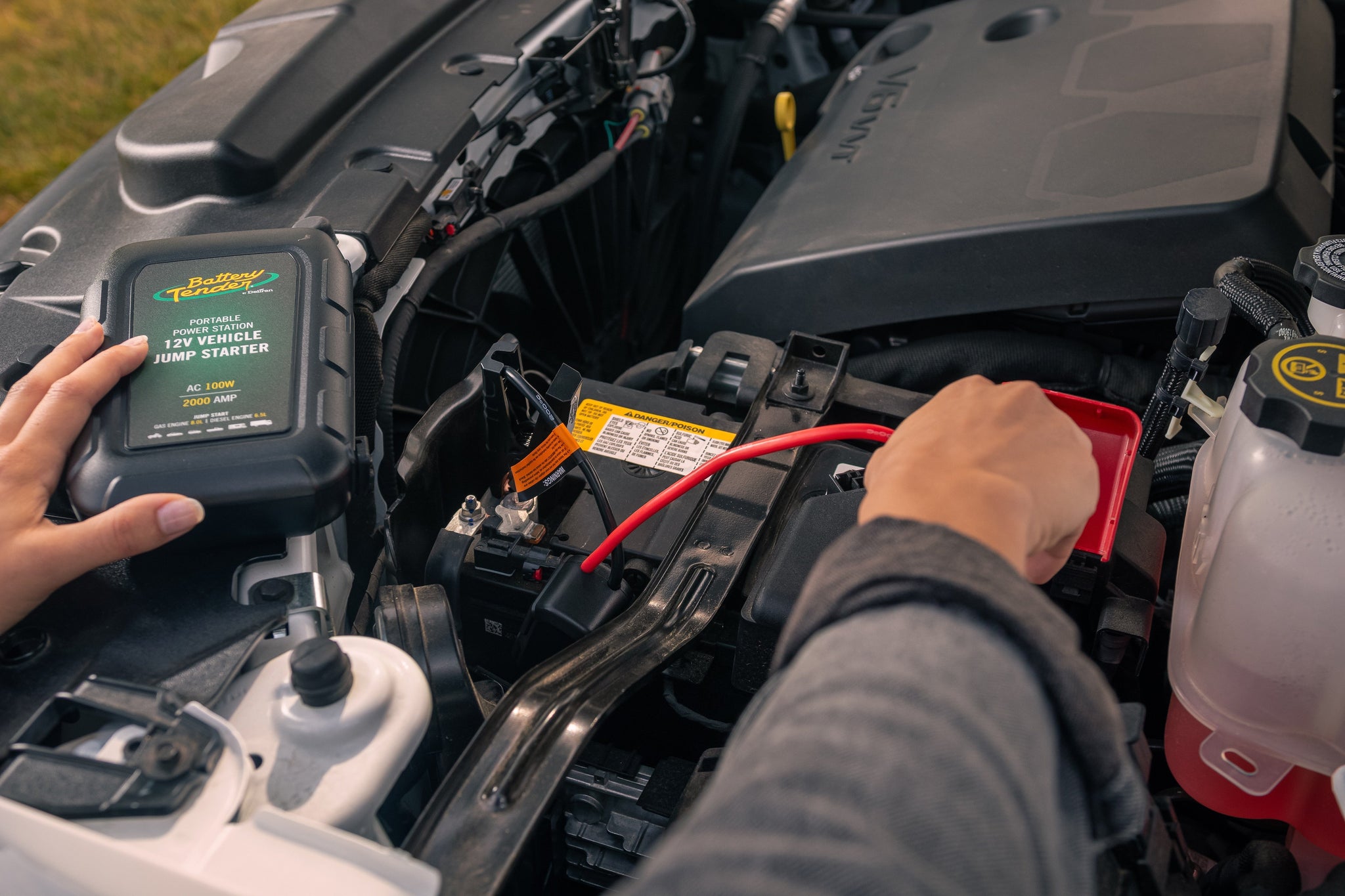
Credit: www.batterytender.com
Alternatives To Traditional Jumpstarting
Jumpstarting a car usually means using another vehicle’s battery and cables. This method requires careful handling and some knowledge. Many drivers look for easier or safer ways to start a dead battery. Several tools help jumpstart a car without the traditional method. These alternatives are simple and effective for most situations.
Portable Jump Starters
Portable jump starters are small devices with a battery inside. They deliver the needed amps to start a car quickly. You connect the clamps to your battery just like jumper cables. These devices work without another car. They are easy to carry and store in your car. Ideal for emergencies on the road or at home. Some models include extra features like USB ports for charging phones.
Battery Chargers And Boosters
Battery chargers slowly restore your car’s battery power. They plug into a wall outlet and connect to the battery. This process takes longer but improves battery health. Boosters provide a quick surge of power like jump starters. They supply enough amps to start the engine fast. Some boosters also have safety features to prevent sparks. Both chargers and boosters help maintain your battery for longer use.
Frequently Asked Questions
How Many Amps Are Needed To Jumpstart A Car Battery?
Most cars require 400 to 600 amps for a successful jumpstart. This range powers the starter motor and electronics without damaging the battery.
Can A Low-amp Charger Jumpstart A Car?
No, low-amp chargers usually cannot jumpstart a car. They are designed for slow charging, not providing the high surge current needed to start an engine.
What Amp Rating Is Safe For Jumpstarting Any Car?
A jump starter with 600 to 1000 amps is safe for most vehicles. It delivers enough power while protecting the battery and electrical system from damage.
How Do Amps Affect Jumpstarting Different Car Types?
Higher amps are needed for larger engines like trucks and SUVs. Smaller cars typically require fewer amps, around 400 to 600 amps, for a jumpstart.
Conclusion
Knowing the right amps helps jumpstart your car safely. Most cars need between 400 and 600 amps. Using the correct amps protects your battery and electrical parts. Too few amps might not start the engine. Too many amps can cause damage.
Always check your car’s manual for specific guidelines. With proper amps, jumpstarting becomes quick and easy. Stay safe and avoid common mistakes. Remember, the right amps make a big difference. Keep this simple tip in mind next time you jumpstart a car.


