

Have you ever wondered how often you really need to change your fuel filter? It’s a question that can save you from costly repairs and keep your vehicle running smoothly.
Your fuel filter plays a crucial role in protecting your engine by catching dirt and debris before they cause damage. But ignoring it for too long can lead to poor performance and even breakdowns. You’ll discover the signs that tell you it’s time for a change, how often you should replace it, and simple tips to keep your engine healthy.
Keep reading—your car will thank you.
Purpose Of A Fuel Filter
A fuel filter plays a key role in keeping your engine clean and running well. It removes dirt, rust, and other particles from the fuel before it reaches the engine. This helps prevent damage and keeps the engine parts working smoothly. Without a fuel filter, harmful debris can clog the fuel system and cause poor engine performance or even breakdowns.
Role In Engine Performance
The fuel filter protects the engine by stopping contaminants. Clean fuel burns better, helping the engine run smoothly. A clogged filter reduces fuel flow, causing engine stalling or rough running. It also lowers fuel efficiency and increases emissions. Regular filter changes keep the engine healthy and improve overall performance.
Types Of Fuel Filters
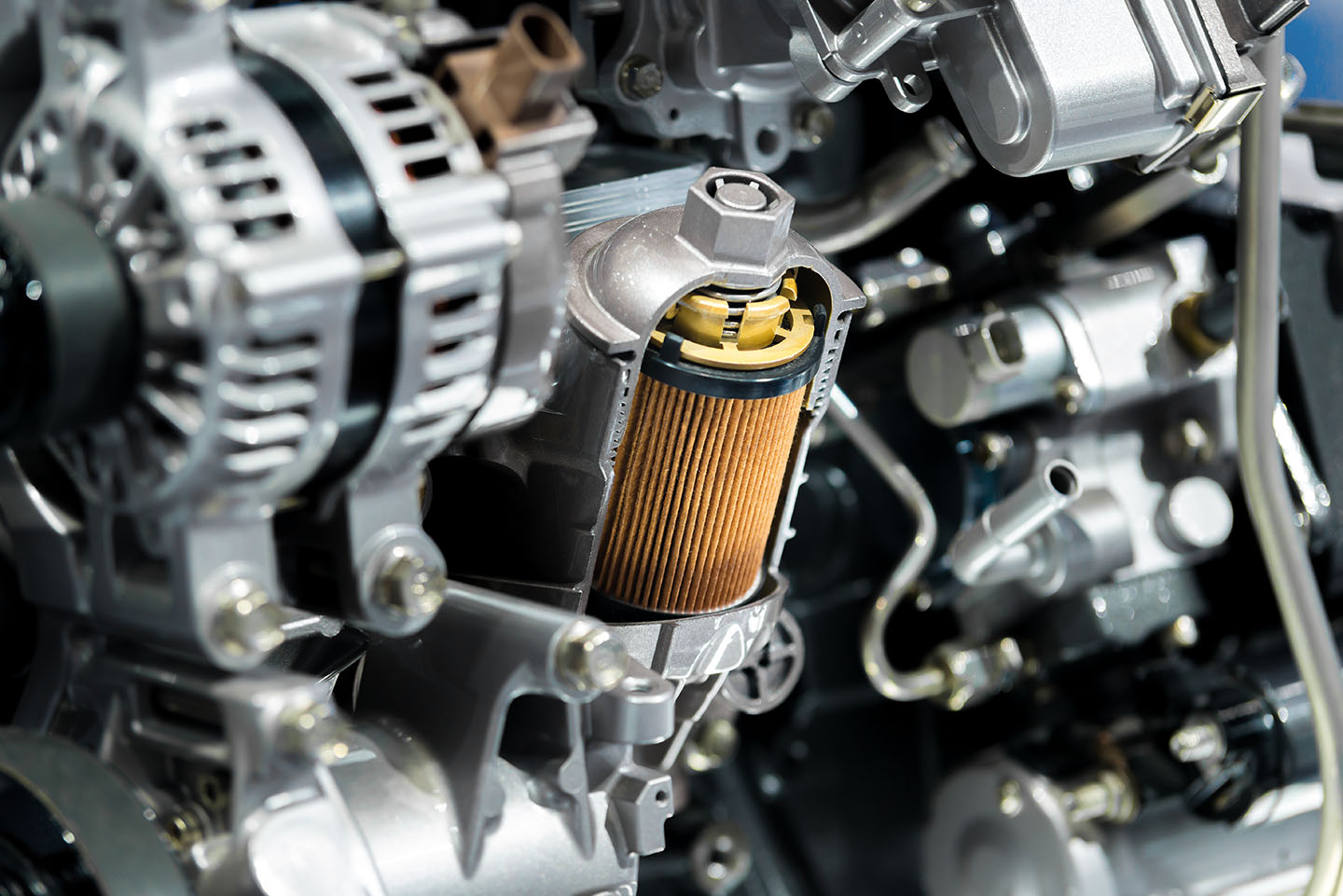
Fuel filters come in several types based on design and placement. Inline filters sit in the fuel line and are easy to replace. Cartridge filters fit inside a housing and require special tools for change. Some cars use fuel pump filters inside the fuel tank. Choosing the right type depends on your vehicle’s make and model.
Credit: bostechauto.com
Signs Of A Clogged Fuel Filter
A clogged fuel filter blocks the flow of fuel to the engine. This causes many problems while driving. Noticing the signs early helps avoid engine damage and costly repairs. Watch for these common symptoms.
Engine Misfires And Hesitation
The engine may misfire or hesitate during acceleration. This happens because the fuel supply is uneven. The car feels like it is losing power. You might notice a jerking motion while driving.
Reduced Fuel Efficiency
A dirty fuel filter makes the engine work harder. It uses more fuel to maintain speed. This lowers your car’s fuel efficiency. You may fill up the tank more often than usual.
Difficulty Starting The Vehicle
The engine can struggle to start or fail to start at all. This occurs when the fuel filter blocks fuel flow completely. Turning the key takes longer or feels harder. The car may stall right after starting.
Recommended Replacement Intervals
Knowing when to change your fuel filter helps keep your engine healthy. The right timing avoids problems like poor fuel flow and engine stalling. Replacement intervals vary based on many factors. Following guidelines ensures your vehicle runs smoothly and lasts longer.
Manufacturer Guidelines
Car makers suggest specific intervals for fuel filter changes. Usually, this ranges from 20,000 to 40,000 miles. Check your vehicle’s manual for exact numbers. Sticking to these recommendations protects your engine. It also helps maintain fuel efficiency and power.
Impact Of Driving Conditions
Driving habits affect how often to replace the fuel filter. Dusty roads or heavy traffic can clog filters faster. Short trips with frequent stops add more strain. In such cases, change the filter more often than usual. Regular checks can spot problems before they worsen.
Differences Between Gasoline And Diesel Engines
Gasoline and diesel engines have different fuel filter needs. Diesel filters usually need replacing more often. Diesel fuel contains more impurities and water. This clogs the filter quicker than gasoline. Knowing your engine type helps plan timely replacements.
How To Check Your Fuel Filter
Checking your fuel filter helps keep your engine running well. A clean filter stops dirt and rust from entering the fuel system. Regular checks can prevent engine problems and costly repairs. Here are simple ways to inspect your fuel filter at home or with basic tools.
Visual Inspection Tips
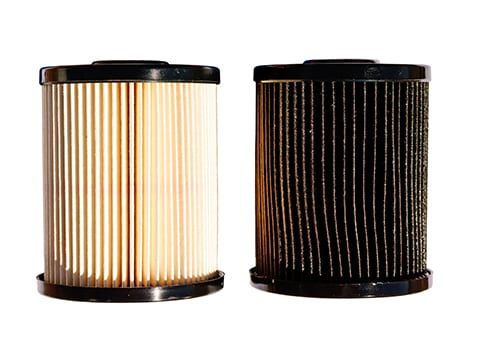
Look for the fuel filter under the hood or near the fuel tank. It usually looks like a small cylinder or canister. Check for cracks, rust, or leaks around the filter. A dirty or damaged filter needs replacement. Also, check the fuel lines connected to the filter for cracks or wear. A clear filter case shows fuel color and cleanliness. Dark or cloudy fuel means the filter is dirty. Use a flashlight for better visibility in tight spaces.
Using Diagnostic Tools
Use a fuel pressure gauge to test the filter’s flow. Low pressure can mean a clogged filter. Plug the gauge into the fuel line or fuel rail. Turn the ignition on but do not start the engine. Read the pressure on the gauge and compare it to your vehicle’s manual. A scan tool can check engine codes related to fuel flow. Codes like P0087 or P0171 may indicate filter problems. These tools help find hidden issues before they get worse.
Steps To Change A Fuel Filter
Changing a fuel filter keeps your engine running smoothly. It stops dirt and debris from reaching the fuel system. The process is simple and can save costly repairs. Follow these clear steps to replace your fuel filter safely and effectively.
Tools And Materials Needed
- New fuel filter compatible with your vehicle
- Wrenches or socket set
- Screwdrivers
- Container to catch fuel spills
- Gloves and safety glasses
- Rags or paper towels
Safety Precautions
Work in a well-ventilated area to avoid fumes. Wear gloves to protect your hands. Use safety glasses to guard your eyes. Make sure the engine is cool before starting. Relieve fuel pressure to prevent spills. Keep fire sources far away from your workspace.
Step-by-step Replacement Process
- Locate the fuel filter under the vehicle or near the engine.
- Place a container below to catch any fuel leaks.
- Loosen the clamps or fittings holding the old filter.
- Remove the old filter carefully to avoid spills.
- Check the flow direction on the new filter before installing.
- Attach the new filter and tighten the clamps securely.
- Double-check all connections for leaks or loose fittings.
- Start the engine and watch for any fuel leaks.
- Dispose of the old filter safely according to local rules.
Benefits Of Regular Fuel Filter Replacement
Replacing the fuel filter regularly keeps your vehicle running smoothly. It stops dirt and debris from reaching the engine. Clean fuel helps the engine perform better and last longer. Changing the filter is a small task that makes a big difference.
Improved Engine Longevity
A clean fuel filter protects the engine from harmful particles. Dirt in the fuel can cause wear and damage. Fresh filters reduce strain on engine parts. This helps the engine stay healthy and last many years.
Enhanced Fuel Economy
Fuel flows better through a clean filter. The engine burns fuel more efficiently. This means your car uses less gas for the same drive. Saving fuel saves money and trips to the pump.
Reduced Emissions
Clean fuel helps the engine burn fuel fully. This lowers harmful exhaust gases. Fewer emissions mean a cleaner environment. Changing the fuel filter helps your car stay eco-friendly.
Common Myths About Fuel Filters
Fuel filters protect your engine by keeping dirt and debris out of the fuel system. Many people have wrong ideas about fuel filters. These myths can cause neglect or wrong maintenance. Knowing the truth helps keep your vehicle running smoothly and saves money.
Fuel Additives Replace Filters
Some believe fuel additives can replace fuel filters. This is not true. Additives clean the fuel but do not remove solid particles. Fuel filters physically block dirt from reaching the engine. Additives cannot protect the fuel system alone. Changing the filter is still necessary for proper care.
Filters Last The Life Of The Vehicle
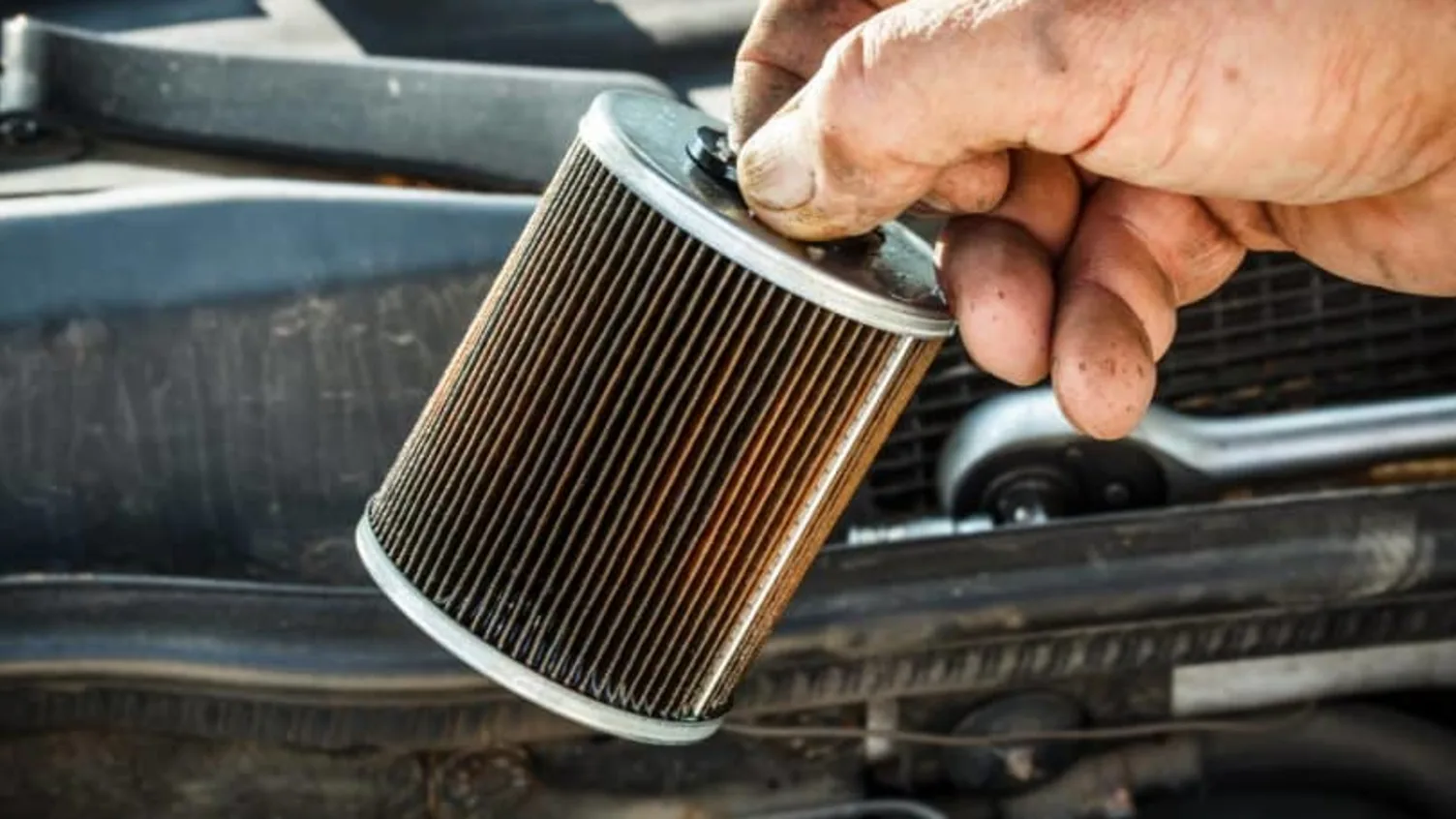
Many think fuel filters last forever. Filters wear out and get clogged over time. Dirt buildup reduces fuel flow and engine performance. Most manufacturers suggest changing the filter every 20,000 to 40,000 miles. Neglecting this can lead to costly repairs. Regular filter changes keep the engine healthy and efficient.
Credit: www.bigboxcars.com.au
When To Seek Professional Help
Knowing when to seek professional help for your fuel filter is important. Some issues need expert care to avoid damage. Watch for signs that your vehicle needs a mechanic’s attention. Trusting a professional can save time and money.
Complex Fuel Systems
Modern cars often have complex fuel systems. These systems need special tools and knowledge. Changing the fuel filter alone might not fix the problem. A professional can check the whole system for hidden issues. They know how to handle sensitive parts safely. Trying to fix complex systems without training can cause more harm.
Unusual Engine Symptoms
Strange engine behavior can signal fuel filter trouble. Symptoms include rough idling, stalling, or poor acceleration. These signs may mean the filter is clogged or damaged. Sometimes, other parts cause similar problems. A mechanic can diagnose the exact cause quickly. Early professional help prevents bigger engine problems later.
Credit: www.waynesautocenter.com
Frequently Asked Questions
How Often Should You Replace A Fuel Filter?
Typically, replace your fuel filter every 20,000 to 40,000 miles. Check your vehicle’s manual for exact intervals. Regular changes ensure optimal engine performance and fuel efficiency.
What Are Signs Of A Clogged Fuel Filter?
A clogged fuel filter can cause engine misfires, poor acceleration, and stalling. You may also notice difficulty starting your vehicle or reduced fuel efficiency.
Can A Dirty Fuel Filter Damage The Engine?
Yes, a dirty fuel filter restricts fuel flow, causing engine strain. It may lead to poor performance and costly repairs if not replaced timely.
Is It Possible To Clean A Fuel Filter Instead Of Replacing?
Most fuel filters are not designed to be cleaned. Replacing the filter is recommended to ensure proper fuel flow and engine health.
Conclusion
Changing your fuel filter keeps your engine running smoothly. Most cars need a new filter every 20,000 to 40,000 miles. Dirty filters reduce fuel flow and hurt performance. Check your owner’s manual for exact timing. Listen to your car; rough idling or poor acceleration may signal a clogged filter.
Regular changes save money on repairs later. Clean fuel means a healthy engine and better mileage. Simple steps like this protect your car’s life. Stay on top of maintenance and enjoy a reliable ride.


