

If you own a 2020 6.7 Powerstroke, you know how important it is to keep your engine running smoothly. One key part of that is the fuel filter.
Changing your fuel filter might sound tricky, but it’s something you can do yourself with the right steps. In this guide, you’ll learn exactly how to change the fuel filter on your 6. 7 Powerstroke, saving you time and money.
Stick with me, and by the end, you’ll feel confident handling this simple but crucial maintenance task. Let’s get started!
Tools And Materials Needed
Changing the fuel filter on a 2020 6.7 Powerstroke needs the right tools and materials. Using correct items makes the job easier and safer. Prepare all tools before starting. This saves time and avoids frustration.
Every tool has a role. Some help remove old parts, others fit new ones. Materials like replacement filters and clean rags keep the engine safe from dirt. Keep everything close by for quick access.
Basic Hand Tools
Use wrenches to loosen fuel line fittings. A socket set helps remove bolts. Screwdrivers assist in unclipping parts. Choose sizes that match your truck’s fittings. This prevents damage and slipping.
Replacement Fuel Filter
Pick the exact fuel filter for the 2020 6.7 Powerstroke. Wrong filters can cause leaks or poor engine performance. Always buy filters from trusted sellers or dealerships.
Safety Equipment
Wear gloves to protect your hands from fuel and dirt. Safety glasses keep debris and fuel from your eyes. Have a fire extinguisher nearby as fuel is flammable. Work in a well-ventilated area to avoid fumes.
Cleaning Supplies
Use clean rags to wipe spills and dirt. A small container to catch fuel prevents messes. Keep a drain pan under the filter area. This controls fuel spills and protects the ground.
_1200x1200.png)
Credit: sinisterdiesel.com
Safety Precautions
Changing the fuel filter on a 2020 6.7 Powerstroke needs careful safety steps. Fuel is flammable and pressurized. Small mistakes cause big problems. Follow safety rules to protect yourself and your truck.
Wear protective gloves and goggles to avoid fuel contact. Work in a well-ventilated area. Keep a fire extinguisher nearby. These actions reduce risks during the job.
Turn Off The Engine And Let It Cool
Always turn off the engine before starting. Wait at least 30 minutes for it to cool down. Hot parts and fuel can cause burns or fire.
Relieve Fuel System Pressure
Fuel lines hold pressure that can spray fuel. Use the fuel pressure relief valve carefully. This step stops fuel from spraying during filter removal.
Avoid Open Flames And Sparks
Keep the work area free of flames, sparks, and smoking. Fuel fumes ignite easily. This rule prevents dangerous fires and explosions.
Use Proper Tools And Equipment
Use tools designed for fuel system work. Wrong tools can damage parts or cause leaks. Proper equipment keeps the job safe and easy.
Locating The Fuel Filter
Finding the fuel filter on a 2020 6.7 Powerstroke is the first step to changing it. The fuel filter cleans dirt and debris from the fuel. A dirty filter can reduce engine performance.
Knowing the exact location saves time and effort during the replacement process. The fuel filter is easy to access once you know where to look.
Fuel Filter Position In The Engine Bay
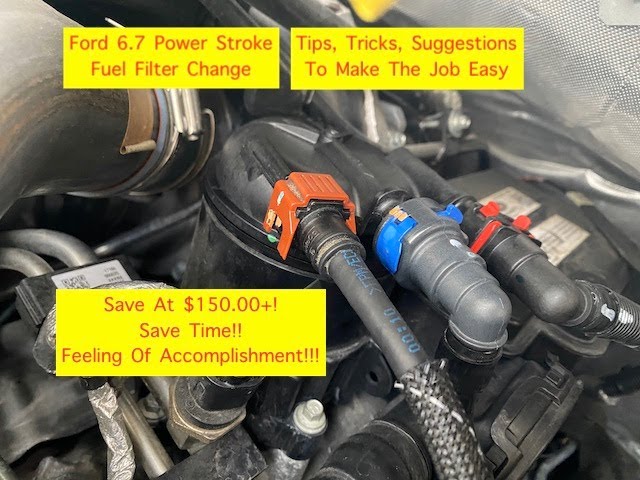
The fuel filter sits on the passenger side of the engine bay. It is near the front, close to the firewall. Look for a cylindrical canister with metal lines connected to it.
Underneath The Truck Location
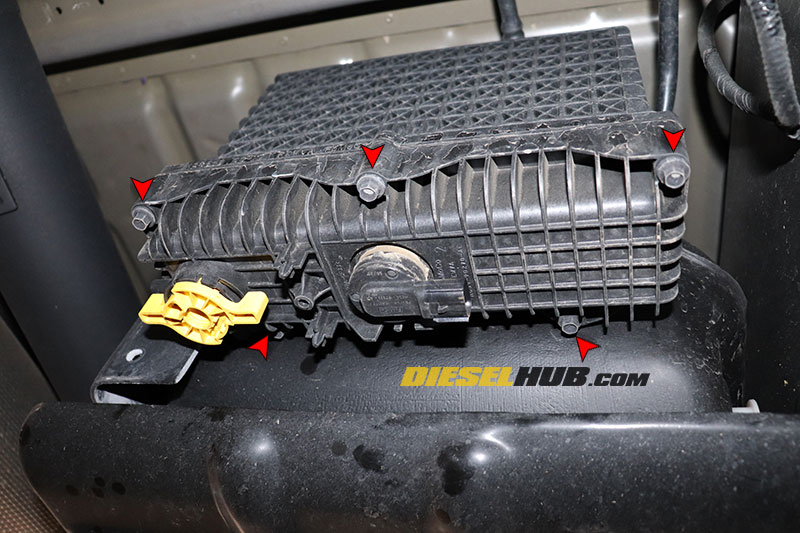
Some models have the fuel filter mounted under the truck. Check near the fuel tank or along the frame rails. The filter is protected by a metal or plastic cover.
Signs To Spot The Fuel Filter
The filter usually has two fuel lines attached. It may show signs of dirt or fuel stains. Look for a component that matches the size of a soda can.
Preparing For The Replacement
Preparing for the fuel filter replacement on your 2020 6.7 Powerstroke is a key step. It ensures safety and makes the job easier. Taking time to prepare helps avoid mistakes and protects the engine.
Start by gathering tools and materials. Wear gloves to keep your hands clean. Make sure the truck is parked on a flat surface with the engine off.
Relieve Fuel System Pressure
Fuel systems hold high pressure. Releasing this pressure prevents fuel spray and injury. Locate the fuel pump fuse or relay in the fuse box. Remove it to stop the fuel pump.
Start the engine and let it run until it stalls. This uses up remaining fuel in the lines. Turn off the ignition and disconnect the battery to avoid sparks.
Clean The Area Around Filter
Dirt and debris can enter the fuel system during replacement. Wipe the area around the fuel filter with a clean rag. Use a brush for stubborn dirt.
This step keeps contaminants out and protects your engine. Clean surroundings also help you see connections clearly. A tidy workspace speeds up the job and reduces errors.
Removing The Old Fuel Filter
Start by loosening the clamps and removing the fuel lines carefully. Gently pull out the old fuel filter without spilling fuel. Be sure to have a container ready to catch any drips.
Removing the old fuel filter on a 2020 6.7 Powerstroke is a key step. It helps keep your engine running smoothly. This process prevents dirt and debris from clogging your fuel system. Start carefully to avoid damage or fuel spills. Safety is important. Wear gloves and have a container ready to catch fuel.
Follow these steps to remove the old filter safely and correctly. Take your time and work in a clean area. This makes the job easier and cleaner.
Disconnect Fuel Lines
First, relieve pressure in the fuel system. This stops fuel from spraying out. Locate the fuel lines connected to the filter. Use a wrench to loosen the fittings slowly. Pull the fuel lines off the filter gently. Keep a rag handy to wipe any spills. Avoid bending or damaging the lines. Set the lines aside carefully.
Remove Filter Housing
Next, find the filter housing bolts. Use a socket wrench to remove them. Take out the housing slowly to avoid spilling fuel. Lift the old filter out of the housing. Check the housing for dirt or debris. Clean it with a cloth before inserting the new filter. Dispose of the old filter properly. Do not reuse it.
Installing The New Fuel Filter
Installing the new fuel filter on your 2020 6.7 Powerstroke is a simple process. It requires careful handling to avoid leaks and ensure proper fuel flow. Follow these steps to place the new filter and reconnect the fuel lines correctly.
Position New Filter
Hold the new fuel filter upright. Align it with the mounting bracket. Slide the filter into place firmly. Make sure the filter’s arrow points in the fuel flow direction. Check if it fits snugly without gaps. Tighten the mounting bracket to secure the filter.
Reconnect Fuel Lines
Attach the fuel lines to the filter’s inlet and outlet ports. Push the lines firmly to avoid leaks. Use new clamps if the old ones are worn out. Tighten the clamps gently but securely. Double-check all connections for a tight seal. This step prevents fuel leaks and keeps your engine running well.
Bleeding Air From The Fuel System
Bleeding air from the fuel system is a key step after changing the fuel filter on a 2020 6.7 Powerstroke. Air trapped in the fuel lines can cause the engine to run poorly or fail to start. Removing this air ensures smooth fuel flow and proper engine function.
This process involves releasing air pockets that form during fuel filter replacement. It helps restore fuel pressure and prevents stalling or rough idling. Following the correct bleeding steps keeps your truck running strong.
Locate The Fuel Primer Pump
Find the fuel primer pump near the fuel filter housing. It is a small, round button or lever. This pump helps push fuel through the system and remove trapped air.
Press The Primer Pump Slowly
Press the primer pump slowly several times. Do this until you feel resistance. This resistance means the air is pushed out and fuel fills the lines.
Check For Fuel Leaks
Look around the fuel filter and lines for any leaks. Tighten connections if needed. No leaks mean the system is sealed and ready.
Start The Engine
Start the engine and let it run for a few minutes. Listen for smooth running without sputtering. If the engine runs rough, repeat the bleeding process.
Testing For Leaks And Proper Operation
Testing for leaks and proper operation is a vital step after changing the fuel filter on your 2020 6.7 Powerstroke. This ensures the fuel system works safely and efficiently. Small leaks can cause big problems, so careful checking is essential.
After replacing the filter, the engine needs to run smoothly without any fuel smell or drips. Confirming everything is sealed prevents damage to the fuel system and keeps your truck reliable.
Checking For Visible Fuel Leaks
Start by inspecting the fuel filter and connections closely. Look for any wet spots or fuel drips around the filter housing and fittings. Use a clean cloth to wipe the area, then watch for fresh fuel appearing. Even tiny leaks can be dangerous and must be fixed immediately.
Running The Engine To Test Fuel Flow
Turn on the engine and let it idle for a few minutes. Listen for any unusual noises like sputtering or hesitation. A smooth idle means fuel flows properly through the new filter. If the engine stalls or runs rough, stop and recheck the filter installation.
Monitoring Fuel Pressure
Use a fuel pressure gauge to check the system’s pressure. Compare the reading with the manufacturer’s specifications for the 6.7 Powerstroke. Correct pressure confirms the filter is not clogged and fuel moves freely. Low or erratic pressure signals a problem needing correction.
Maintenance Tips For Fuel Filter
Keeping the fuel filter in good condition helps your 2020 6.7 Powerstroke run smoothly. Dirt and debris can clog the filter. This reduces fuel flow and harms engine performance. Regular maintenance keeps your truck reliable and efficient.
Simple care steps extend the life of the fuel filter. They prevent costly repairs and improve fuel economy. Follow these tips to protect your engine and save money.
Check The Fuel Filter Regularly
Look at the fuel filter every few months. Inspect for cracks, leaks, or dirt build-up. Catch problems early before they cause damage. A clean filter means clean fuel reaches the engine.
Replace The Fuel Filter On Schedule
Change the filter as the manufacturer advises. Usually, every 20,000 to 30,000 miles is best. A fresh filter improves fuel flow and engine power. Old filters trap dirt and slow the engine down.
Use Quality Fuel And Additives
Choose clean, high-quality diesel fuel. Cheap fuel may contain more impurities. Fuel additives help remove deposits and keep injectors clean. This supports the filter and keeps fuel lines clear.
Keep The Fuel Tank Clean
Prevent dirt from entering the fuel tank. Avoid filling in dusty or dirty places. Clean the tank if you notice sludge or water. Clean fuel helps the filter work better and lasts longer.
Credit: www.youtube.com
Credit: www.dieselhub.com
Frequently Asked Questions
How Often Should I Change The Fuel Filter On A 2020 6.7 Powerstroke?
You should replace the fuel filter every 20,000 to 30,000 miles. Regular changes ensure optimal engine performance and prevent clogging issues.
What Tools Are Needed To Change A 2020 6.7 Powerstroke Fuel Filter?
Basic tools include a fuel filter wrench, drain pan, gloves, and safety glasses. These help safely remove and install the fuel filter.
Can I Change The Fuel Filter Myself On A 6.7 Powerstroke?
Yes, with proper tools and safety precautions, you can change it yourself. Follow the step-by-step guide to avoid fuel spills and damage.
What Are Signs Of A Clogged Fuel Filter In 6.7 Powerstroke?
Symptoms include engine misfires, reduced power, rough idling, and poor fuel efficiency. These signs indicate it’s time to replace the fuel filter.
Conclusion
Changing the fuel filter on your 2020 6. 7 Powerstroke keeps your engine running smooth. Clean fuel helps avoid engine problems and saves money. Follow the steps carefully for best results. Take your time and work safely. Regular filter changes improve truck performance and fuel efficiency.
Keep an eye on the filter condition to prevent issues. Maintaining your truck this way protects your investment. Simple care leads to better driving and fewer repairs. Your Powerstroke will thank you with longer life and power.


