

Have you ever wondered how often you should replace your fuel filter? It’s one of those car maintenance tasks that many people overlook, but ignoring it can lead to serious engine problems.
Your fuel filter plays a crucial role in keeping dirt and debris out of your engine, ensuring smooth performance and better fuel efficiency. If you’re not sure when to change it or why it matters, this article is for you.
Keep reading to discover the signs your fuel filter needs attention and how replacing it on time can save you money and headaches down the road.
Role Of A Fuel Filter
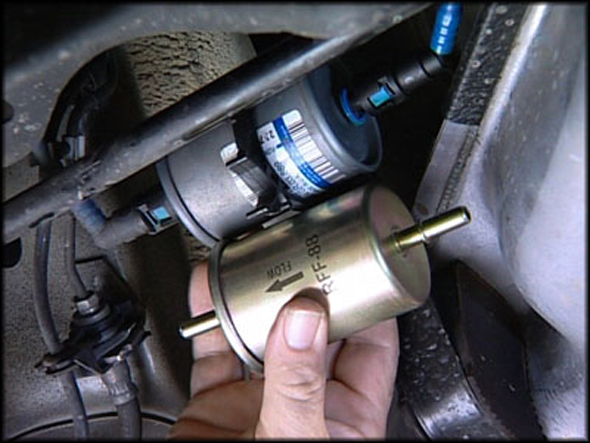
The fuel filter plays a key role in keeping your vehicle’s engine healthy. It stops dirt and tiny particles from reaching the engine. Clean fuel helps the engine run smoothly and last longer.
Fuel Filter Function
The fuel filter cleans the fuel before it enters the engine. It catches dust, rust, and other debris. This prevents damage to the engine parts. Without a fuel filter, these particles can block fuel flow or cause engine wear. The filter also helps maintain fuel efficiency by ensuring only clean fuel is used.
Impact On Engine Performance
A dirty fuel filter can cause many engine problems. It may reduce power and cause the engine to stall. The engine might also run roughly or hesitate during acceleration. Fuel flow slows down with a clogged filter, leading to poor performance. Replacing the fuel filter helps the engine run better and saves fuel.
Credit: germanformula.com
Signs Of A Clogged Fuel Filter
A clogged fuel filter can cause many problems for your vehicle. It blocks the flow of fuel to the engine. This can lead to poor engine performance and damage over time. Recognizing the signs early can save you from costly repairs and keep your car running smoothly.
Engine Misfires And Stalling
When the fuel filter is clogged, the engine may misfire. This happens because the engine does not get enough fuel. Your car might also stall suddenly. This can be dangerous, especially while driving. Pay attention to any unusual engine behavior.
Reduced Fuel Efficiency
A dirty fuel filter can lower your fuel efficiency. The engine struggles to get the right amount of fuel. This causes the car to use more gas than usual. You may notice you need to refuel more often than before.
Difficulty Starting The Vehicle
A clogged fuel filter can make starting your car hard. The fuel may not reach the engine quickly. This causes the engine to crank longer or fail to start. If your car hesitates or takes many tries to start, check the fuel filter.
Replacement Frequency Guidelines
Replacing a fuel filter is important for your vehicle’s health. It keeps the fuel clean and the engine running smoothly. Knowing how often to change it helps avoid engine problems and saves money.
Fuel filter replacement depends on several factors. These include what the car’s maker says, how you drive, and how far or long you have driven.
Manufacturer Recommendations
Car makers provide clear advice on fuel filter changes. Check your owner’s manual for specific intervals. Most suggest changing the filter every 20,000 to 40,000 miles. Following these guidelines keeps the engine safe and efficient.
Influence Of Driving Conditions
Driving in dusty or rough areas clogs the fuel filter faster. Stop-and-go city traffic adds stress to the fuel system. In these cases, replace the filter more often than usual. Clean fuel helps your car perform better and last longer.
Mileage Vs. Time Intervals
Some filters wear out after a set distance or time. Even if you don’t drive much, change the filter every 1 to 2 years. Fuel can degrade and cause blockages over time. Changing by miles or months keeps the filter fresh and effective.
Credit: bostechauto.com
Choosing The Right Fuel Filter
Choosing the right fuel filter is important for your vehicle’s health. A good fuel filter keeps dirt and debris out of the engine. This helps the engine run smoothly and last longer.
There are different types of fuel filters. Each type works best for certain engines. Picking the wrong filter can cause problems. Knowing the types and your vehicle’s needs is key.
Types Of Fuel Filters
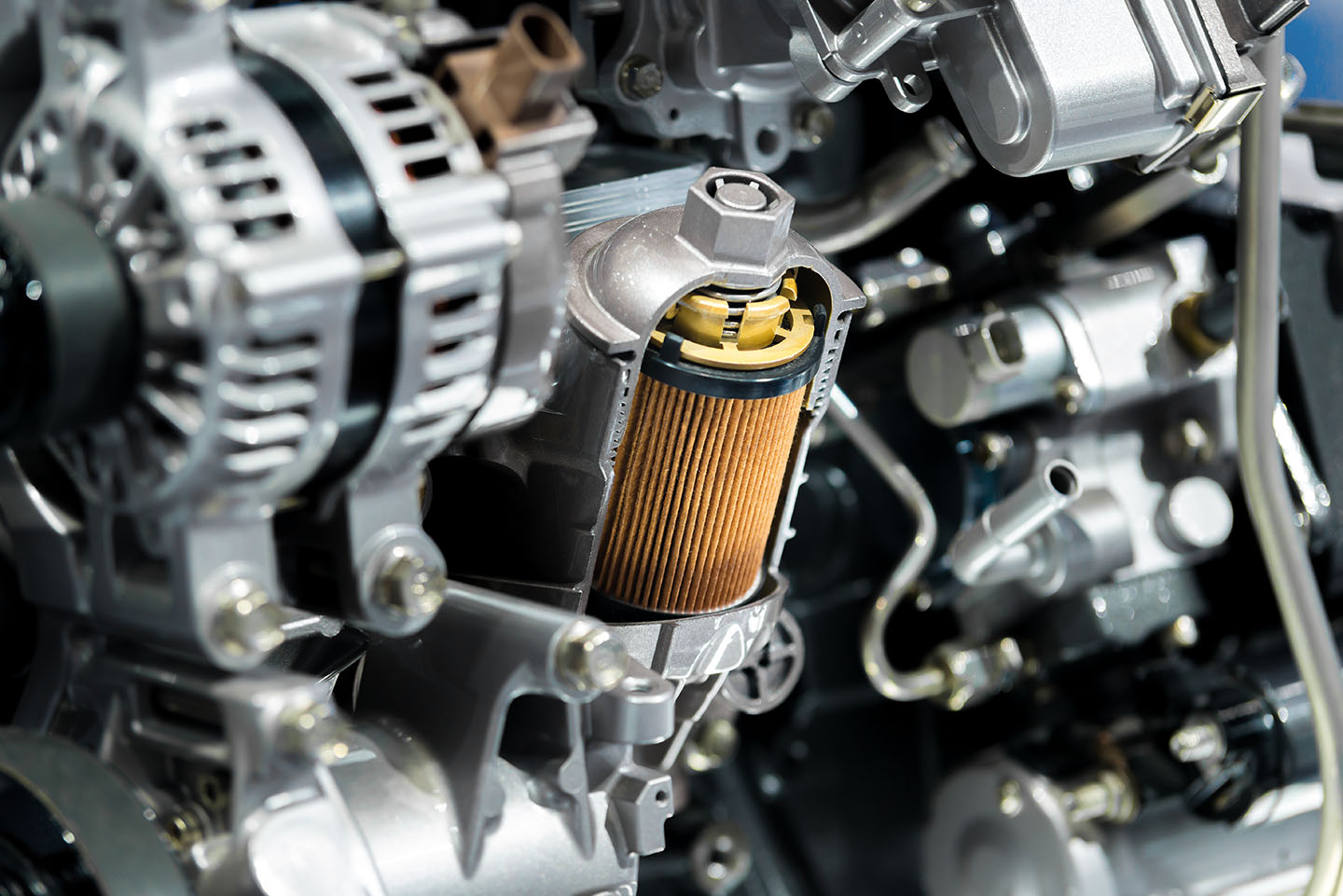
Fuel filters come in several types. The most common are cartridge and spin-on filters. Cartridge filters are simple and easy to replace. Spin-on filters are more durable and often used in larger vehicles.
Some vehicles use inline fuel filters, placed along the fuel line. Others have fuel filters inside the fuel tank. Each type protects the engine differently. Choose the filter type that fits your vehicle’s setup.
Compatibility With Vehicle Models
Fuel filters must match your vehicle model. Check your vehicle’s manual for the right filter size and type. Using the wrong filter can harm the engine or reduce performance.
Many filters look similar but differ inside. Some filters fit only certain brands or engine types. Make sure the fuel filter matches the engine’s fuel system. Proper fit means better engine protection and longer filter life.
Diy Replacement Tips
Replacing a fuel filter by yourself saves money and gives you control over your vehicle’s care. Follow clear steps and use the right tools to do the job well. Safety matters most during this task. Learn what tools you need, how to replace the filter step-by-step, and how to stay safe.
Tools Needed
- New fuel filter matching your vehicle model
- Wrenches or socket set
- Screwdrivers (flat and Phillips)
- Gloves to protect your hands
- Safety glasses
- Container to catch fuel
- Rags for cleaning spills
- Jack and stands (if needed for access)
Step-by-step Replacement Process
- Turn off the engine and disconnect the battery.
- Relieve fuel system pressure by removing the fuel pump fuse and running the engine until it stops.
- Locate the fuel filter under the vehicle or near the engine bay.
- Place a container under the filter to catch fuel.
- Loosen the clamps or bolts holding the fuel filter.
- Remove the old fuel filter carefully to avoid spills.
- Install the new fuel filter in the correct direction.
- Tighten clamps or bolts securely.
- Reconnect the fuel pump fuse and battery.
- Start the engine and check for leaks.
Safety Precautions
- Work in a well-ventilated area to avoid fuel fumes.
- Keep fire sources and sparks away from the work area.
- Wear gloves and safety glasses to protect yourself.
- Dispose of old fuel and filter properly.
- Do not smoke during the replacement process.
- Have a fire extinguisher nearby just in case.
Professional Maintenance Benefits
Professional maintenance helps keep your vehicle running smoothly. It ensures the fuel filter and other parts work well. Regular service helps avoid costly repairs later. Skilled technicians spot problems early. They use the right tools and knowledge. This keeps your engine healthy and saves money.
Expert Inspection
Technicians check the fuel filter for clogging and wear. They assess fuel lines and connections too. A thorough inspection finds issues you might miss. Experts know how often to replace the filter. They prevent fuel flow problems that hurt engine performance. This careful check keeps your car reliable.
Additional Fuel System Services
During maintenance, other fuel system parts get attention. Technicians clean fuel injectors to improve spray quality. They test fuel pumps for proper pressure. Filters and tanks get cleaned to stop dirt build-up. These services boost fuel efficiency and power. Your car runs better and lasts longer.
Consequences Of Neglecting Replacement
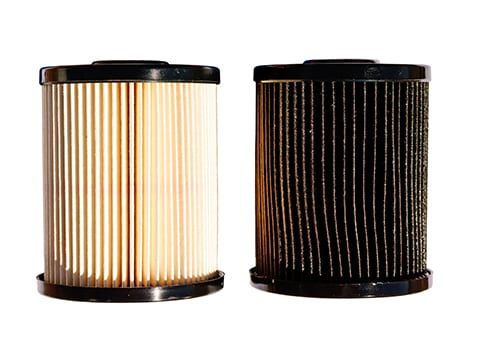
Neglecting to replace the fuel filter can lead to serious problems for your vehicle. The fuel filter stops dirt and debris from reaching the engine. Over time, it gets clogged and loses its ability to protect the engine. This can cause many issues that harm your car’s performance and health.
Ignoring the fuel filter replacement may seem like a small mistake. Yet, the damage it causes can be costly and hard to fix. Understanding these consequences helps you avoid trouble and keep your vehicle running smoothly.
Engine Damage Risks
A clogged fuel filter makes the engine work harder. Dirt and debris can pass through and enter the engine. This causes wear and tear on engine parts. Over time, it can lead to engine misfires and poor acceleration. In severe cases, the engine may stop working completely. Repairing or replacing an engine is expensive and time-consuming.
Increased Repair Costs
Delaying fuel filter replacement increases repair bills. A dirty filter causes other parts to fail. Fuel injectors and pumps can get damaged from dirty fuel. Fixing these parts costs much more than replacing the filter. Regular filter changes save money by preventing bigger problems. Small maintenance steps protect your wallet and your car.
Credit: www.waynesautocenter.com
Frequently Asked Questions
How Often Should You Replace A Fuel Filter?
Fuel filters should be replaced every 20,000 to 40,000 miles. Check your vehicle’s manual for specific recommendations. Regular replacement ensures proper fuel flow and protects the engine from contaminants.
What Are Signs Of A Clogged Fuel Filter?
Common signs include engine misfires, reduced acceleration, and difficulty starting. A clogged filter restricts fuel flow, causing poor engine performance and potential stalling.
Can A Dirty Fuel Filter Damage The Engine?
Yes, a dirty fuel filter can cause engine damage. It restricts fuel flow, leading to poor combustion, overheating, and increased wear on engine components.
Does Fuel Type Affect Fuel Filter Replacement Frequency?
Yes, fuel type can impact replacement frequency. Diesel engines may require more frequent changes due to higher contamination risks compared to gasoline engines.
Conclusion
Regular fuel filter changes keep your engine running smooth. Clean filters stop dirt from reaching the fuel system. Most cars need a replacement every 20,000 to 40,000 miles. Check your owner’s manual for exact timing. Delaying this simple task can cause poor engine performance.
Save money by avoiding bigger repairs later. Stay safe on the road with fresh fuel filters. Small steps like this improve your car’s life. Don’t forget—fuel filter care matters as much as oil changes. Keep your vehicle healthy and enjoy better drives every day.


