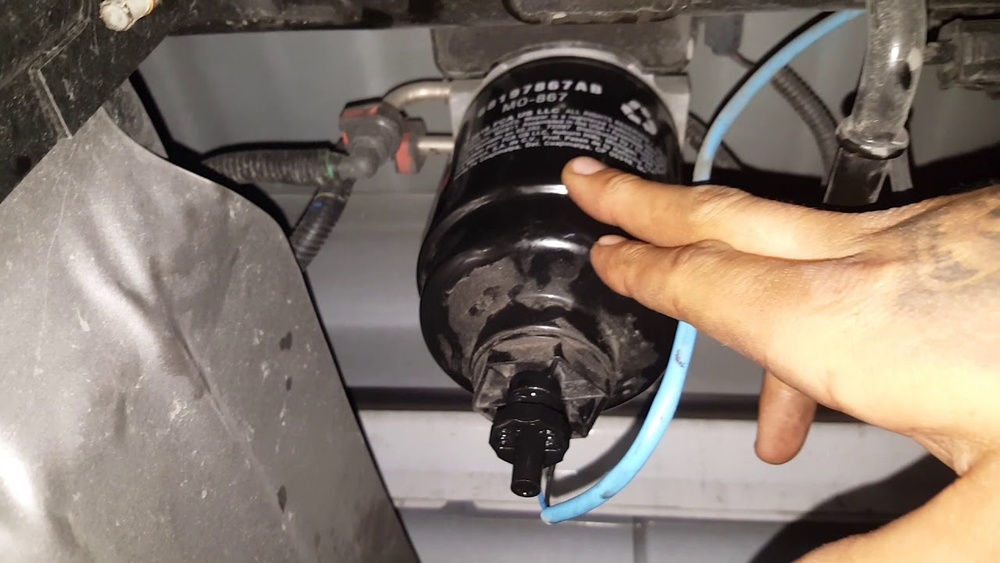
Is your car feeling sluggish or struggling to start? One common but often overlooked culprit could be your fuel filter.
Knowing how to check the fuel filter on your car can save you time, money, and frustration down the road. You’ll discover simple steps to inspect your fuel filter and understand why it’s so important for your vehicle’s performance. Keep reading—you’ll gain the confidence to tackle this easy car maintenance task yourself and keep your engine running smoothly.
Credit: www.liftsupportsdepot.com
Signs Of A Clogged Fuel Filter
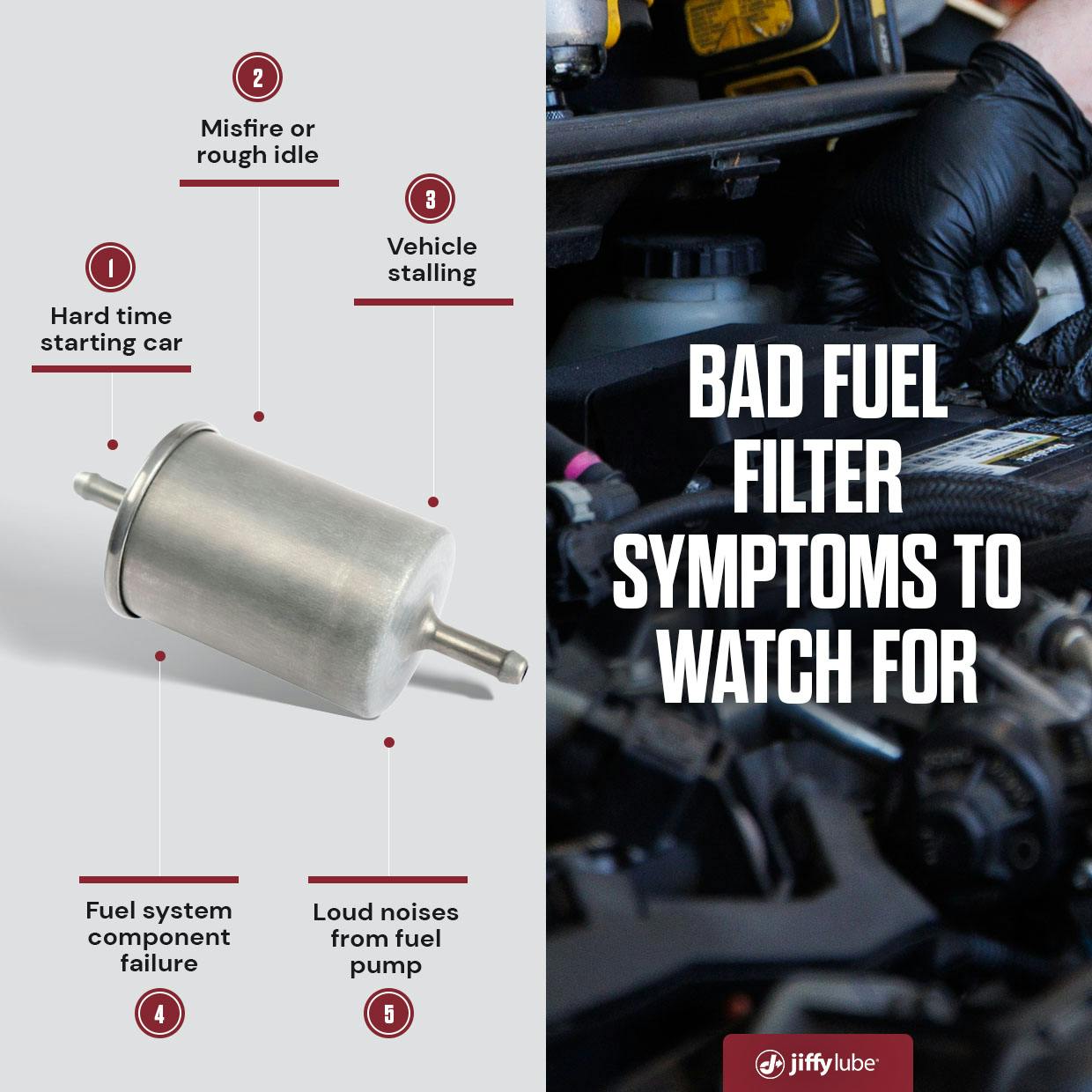
A clogged fuel filter can cause many car problems. It blocks fuel flow to the engine. This makes the car hard to run well. Knowing the signs helps you fix the issue early. Watch for these common problems. They show your fuel filter might be clogged.
Reduced Engine Performance
The engine may feel weak or slow. It struggles to reach high speeds. Acceleration takes longer than usual. Fuel flow is limited, so power drops. You might notice the car stalling during driving. These are clear signs of poor fuel delivery.
Starting Issues
The car may take many tries to start. It might not start at all. The engine turns over but does not fire up. This happens because the fuel filter blocks enough fuel. Starting problems often mean the filter needs checking.
Engine Misfires
The engine can jerk or hesitate during driving. It may run unevenly or shake. Misfires happen when fuel supply is inconsistent. A clogged fuel filter causes this problem often. Pay attention to rough running or strange noises.
Tools Needed For Inspection
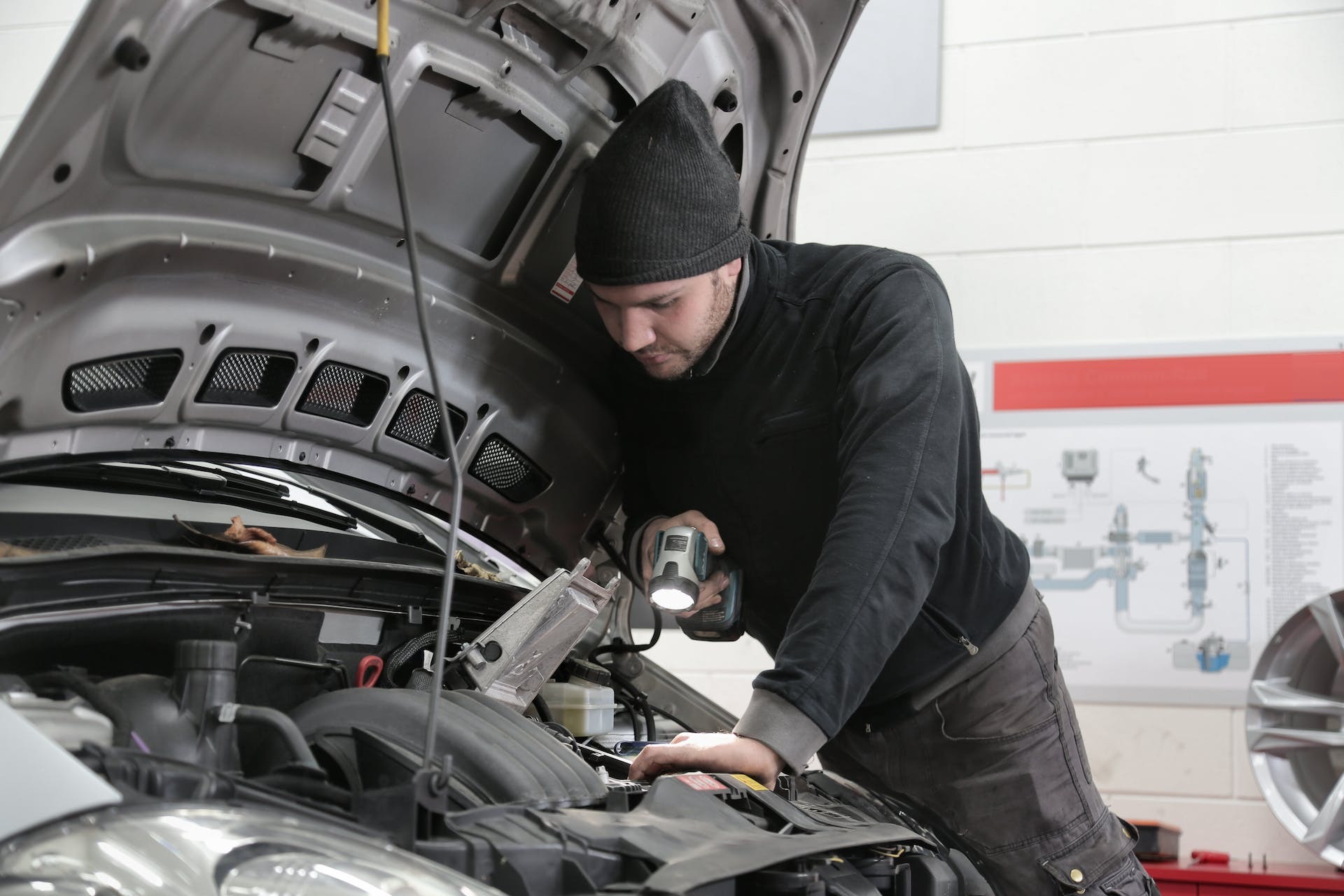
Checking the fuel filter on a car requires a few simple tools. Having the right tools helps you inspect the filter safely and correctly. This section lists the basic hand tools and safety equipment needed for the task.
Basic Hand Tools
You need a wrench set to loosen fuel lines and clamps. A screwdriver, either flathead or Phillips, helps remove covers or clamps. Pliers are useful to grip and pull off hoses. A small container or tray holds fuel that may leak during inspection. Clean rags or paper towels help wipe dirt and fuel spills.
Safety Equipment
Wear safety gloves to protect your hands from fuel and dirt. Safety goggles shield your eyes from fuel splashes. Work in a well-ventilated area to avoid inhaling fumes. Keep a fire extinguisher nearby in case of emergencies. Wear old clothes or a protective apron to avoid stains.
Locating The Fuel Filter
Finding the fuel filter in your car is the first step to check or replace it. The fuel filter cleans dirt and rust from the fuel. This keeps the engine running smoothly. Knowing where the fuel filter sits helps you save time and avoid mistakes.
Fuel filters are not always in the same place. They can be hidden or easy to reach. Some cars have more than one fuel filter. Understanding common spots makes the task easier and safer.
Common Fuel Filter Positions
Fuel filters often sit along the fuel line. Many cars have them near the fuel tank or engine. Some are under the car, near the frame or fuel tank. Others are in the engine bay, close to the engine block.
Older cars tend to have a metal fuel filter that looks like a small canister. Newer models might use a cartridge-style filter inside a plastic housing. Fuel filters can also be inside the fuel pump assembly, especially in newer vehicles.
Consulting The Vehicle Manual
The vehicle manual is a reliable guide to find the fuel filter. It shows exact locations and part types. Manuals often include pictures or diagrams. This helps you identify the filter without guesswork.
Using the manual avoids damage to other parts. It also explains safety steps before you start. Always check the manual to confirm the fuel filter’s position for your car model.
Credit: www.jiffylube.com
Step-by-step Fuel Filter Check
Checking the fuel filter is important to keep your car running well. A dirty or clogged filter can cause engine problems. Follow these simple steps to check the fuel filter safely and clearly. Each step helps you understand the filter’s condition and how to handle it.
Relieving Fuel System Pressure
Start by turning off the engine and removing the key. This stops fuel flow and reduces pressure. Find the fuel pump fuse in the fuse box. Remove the fuse to cut power to the pump. Next, start the engine and let it run until it stops. This uses up leftover fuel pressure. Turn off the ignition and wait a few minutes before moving on.
Removing The Fuel Filter
Locate the fuel filter under the car or near the engine. Use gloves and safety glasses for protection. Use a wrench to loosen the fittings on both ends of the filter. Be ready with a container to catch any spilled fuel. Carefully remove the filter from its bracket. Avoid damaging the fuel lines during removal. Place the filter on a clean surface for inspection.
Inspecting The Filter Condition
Look at the filter for dirt, rust, or damage. Hold it up to a light source to check inside. If the filter looks dark or blocked, it needs replacement. A clear filter means it is still good. Smell the filter for any unusual odors. Always replace the filter if unsure about its condition. Clean filters help the engine run smoothly and save fuel.
When To Replace The Fuel Filter
Knowing when to replace the fuel filter helps keep your car running smoothly. The fuel filter stops dirt and rust from reaching the engine. Over time, it gets clogged and can cause problems. Changing it at the right time saves you from costly repairs and poor engine performance.
Manufacturer Recommendations
Car makers provide a schedule for fuel filter changes. This is often in the owner’s manual. Most recommend replacing the fuel filter every 20,000 to 40,000 miles. Some newer cars have filters that last longer or are built into the fuel pump. Follow the guide for your specific car model. Sticking to these suggestions keeps your fuel system clean.
Signs Indicating Replacement
Watch for these signs that show the fuel filter needs changing. The engine may hesitate or stall during driving. You might notice a drop in fuel efficiency. Starting the car could take longer than usual. The engine might run rough or lose power at high speeds. Strange noises from the fuel pump can also signal a clogged filter. These symptoms mean it’s time to check the fuel filter.
Tips For Maintaining Fuel System Health
Keeping your car’s fuel system in good shape helps the engine run smoothly. Dirt or bad fuel can cause problems. Simple steps can protect the fuel filter and other parts. These tips help your car last longer and save money on repairs.
Fuel system health needs care. Small actions make a big difference. Use these tips to keep your fuel system clean and working well.
Using Quality Fuel
Choose fuel from trusted stations only. Cheap or low-quality fuel can clog the filter. Good fuel has fewer impurities. It helps the engine burn fuel better. Clean fuel reduces wear on fuel parts. Avoid fuel with too much ethanol. It can damage the fuel system over time.
Regular Maintenance Schedule
Check your car’s manual for service times. Replace the fuel filter as recommended. Regular checks find problems early. Clean filters improve fuel flow. This keeps the engine running smoothly. Use a professional mechanic for best results. Do not wait for warning signs. Regular care prevents costly repairs later.

Credit: www.dummies.com
Frequently Asked Questions
How Often Should I Check My Car’s Fuel Filter?
Check your car’s fuel filter every 20,000 to 30,000 miles. Regular checks prevent clogging and engine issues. Refer to your vehicle’s manual for specific intervals to maintain optimal fuel flow and performance.
What Are Signs Of A Clogged Fuel Filter?
Signs include engine misfires, poor acceleration, and difficulty starting. A clogged fuel filter restricts fuel flow, causing these symptoms. Prompt inspection and replacement can avoid engine damage and improve vehicle reliability.
Can I Check The Fuel Filter Myself?
Yes, you can check the fuel filter yourself if you have basic tools. Locate it along the fuel line, inspect for dirt or damage. Always follow safety precautions to avoid fuel leaks or injury during inspection.
What Tools Are Needed To Check A Fuel Filter?
You’ll need a wrench, screwdrivers, and safety gloves. Some vehicles require special tools to release fuel lines. Prepare a container to catch fuel spills and work in a well-ventilated area for safety.
Conclusion
Checking your car’s fuel filter helps keep the engine running well. A clean filter stops dirt from reaching the engine. Regular checks can prevent costly repairs later. You only need a few tools and some time. Remember to follow safety steps to avoid accidents.
Taking care of this small part saves money and trouble. Keep your car healthy by checking the fuel filter often. Simple steps make a big difference in car care.