
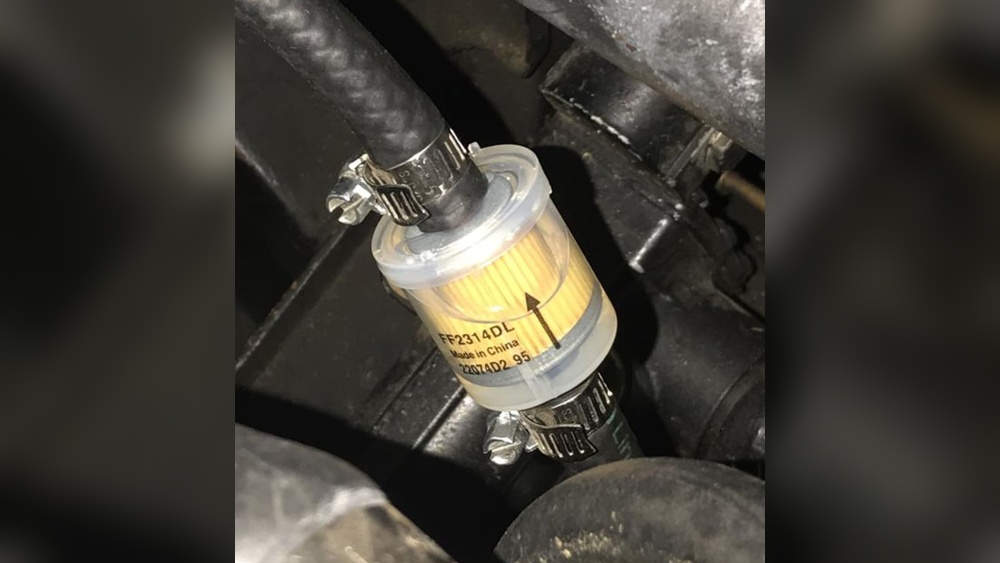
If your vehicle isn’t running as smoothly as it used to, the fuel filter might be the hidden cause. Knowing how to replace your fuel filter can save you time, money, and avoid unexpected breakdowns.
In this guide, you’ll find simple, step-by-step instructions that anyone can follow—even if you’re not a car expert. By the end, you’ll have the confidence to handle this important maintenance task yourself and keep your engine running clean and strong.
Ready to take control of your car’s health? Let’s get started!

Credit: www.goldeagle.com
Signs Of A Clogged Fuel Filter
A clogged fuel filter can harm your vehicle’s performance. It stops fuel from flowing smoothly to the engine. This causes several noticeable problems. Knowing these signs helps you act fast. It protects your engine and saves money on repairs.
Reduced Engine Power
The engine may feel weak or slow. It struggles to reach higher speeds. Acceleration feels sluggish. This happens because less fuel reaches the engine. The clogged filter blocks the fuel flow. Your car won’t perform as it should.
Engine Stalling Issues
The engine may stop suddenly. This can happen while idling or driving. Stalling occurs because the engine lacks enough fuel. The fuel filter is dirty or blocked. This interrupts the fuel supply to the engine.
Poor Fuel Efficiency
Your car uses more fuel than usual. A clogged fuel filter makes the engine work harder. This wastes fuel and lowers miles per gallon. You spend more on gas without good reason. A clean filter helps keep fuel use low.
Credit: branchautomotive.com
Tools And Materials Needed
Replacing a fuel filter requires the right tools and materials. Having everything ready makes the job faster and safer. It also helps avoid mistakes and damage to your vehicle. Prepare well before starting the replacement process.
Essential Tools
You will need a wrench or socket set to remove bolts. A screwdriver might be required for clamps or covers. Fuel line disconnect tools help detach fuel lines safely. Gloves protect your hands from fuel and dirt. Safety glasses keep your eyes safe from splashes. A container catches any fuel that may spill. Rags help clean up spills and dirt around the filter.
Choosing The Right Fuel Filter
Pick a fuel filter that fits your vehicle’s make and model. Check the owner’s manual or use online parts guides. The filter should match the fuel system type, like gasoline or diesel. Choose a filter with good reviews for quality and durability. Avoid cheap filters that can clog quickly or leak. Using the correct filter ensures your engine runs smoothly.
Safety Precautions Before Starting
Before replacing a fuel filter, safety is the top priority. Taking the right precautions prevents accidents and protects you from harmful fumes. Fuel is flammable and can cause fires or injury if handled carelessly. Follow these safety steps to keep your work safe and smooth.
Work In A Well-ventilated Area
Fuel fumes are dangerous to breathe. Always work in a place with good airflow. Open doors and windows or work outside if possible. Proper ventilation helps clear harmful vapors and lowers fire risks.
Disconnect The Battery
Disconnect the car battery before starting. This stops electrical sparks that could ignite fuel. Remove the negative cable first, then the positive cable. Keep the cables apart while you work on the fuel filter.
Relieve Fuel System Pressure
Fuel systems hold pressure even after the engine is off. Release this pressure to avoid fuel spray. Check your vehicle manual for the right method. Usually, it involves removing the fuel pump fuse and starting the engine until it stalls.
Credit: www.invidiavoices.co.uk
Locating The Fuel Filter
Locating the fuel filter is the first step in replacing it safely and correctly. The fuel filter cleans dirt and rust from the fuel before it reaches the engine. A clogged fuel filter can cause poor engine performance or trouble starting the vehicle. Knowing where to find the fuel filter makes the replacement process easier and faster.
Common Fuel Filter Locations
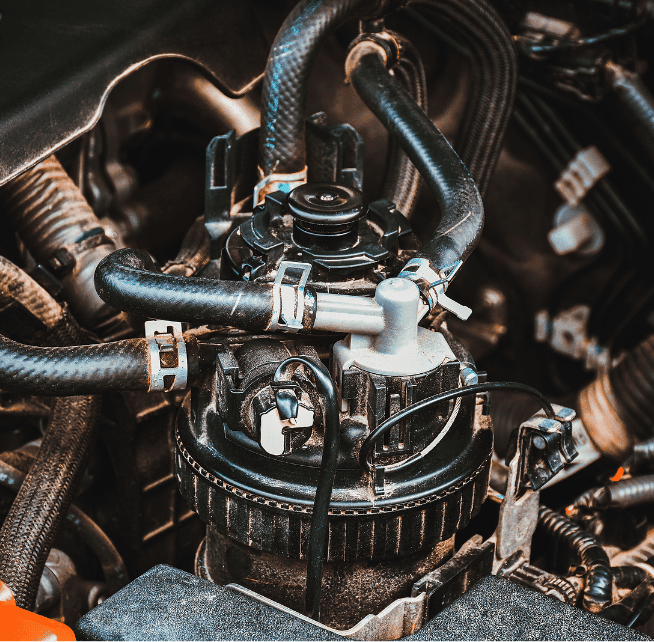
The fuel filter often sits along the fuel line. In many cars, it is under the hood near the engine. Some models have it near the fuel tank, underneath the vehicle. Others place it inside the fuel pump assembly. Check the frame rail or near the fuel injectors too. Location depends on the vehicle’s make and model.
Consulting The Vehicle Manual
Every vehicle has a manual that shows the parts’ locations. The manual usually includes a diagram of the fuel system. It gives exact spots for the fuel filter. Use the manual to avoid guessing or damage. Follow the instructions carefully for safety and accuracy.
Step-by-step Replacement Process
Replacing a fuel filter helps keep your engine clean and running smoothly. Follow these simple steps to change the filter safely and correctly. Prepare your tools and a new filter before starting. Work in a well-ventilated area and keep a cloth ready to catch any spills.
Removing The Old Fuel Filter
Locate the fuel filter under the vehicle or near the engine. Wear gloves to protect your hands from fuel. Use a wrench to loosen the clamps or bolts holding the filter. Carefully disconnect the fuel lines from the filter. Be ready for some fuel to leak out. Remove the old filter and dispose of it properly.
Installing The New Fuel Filter
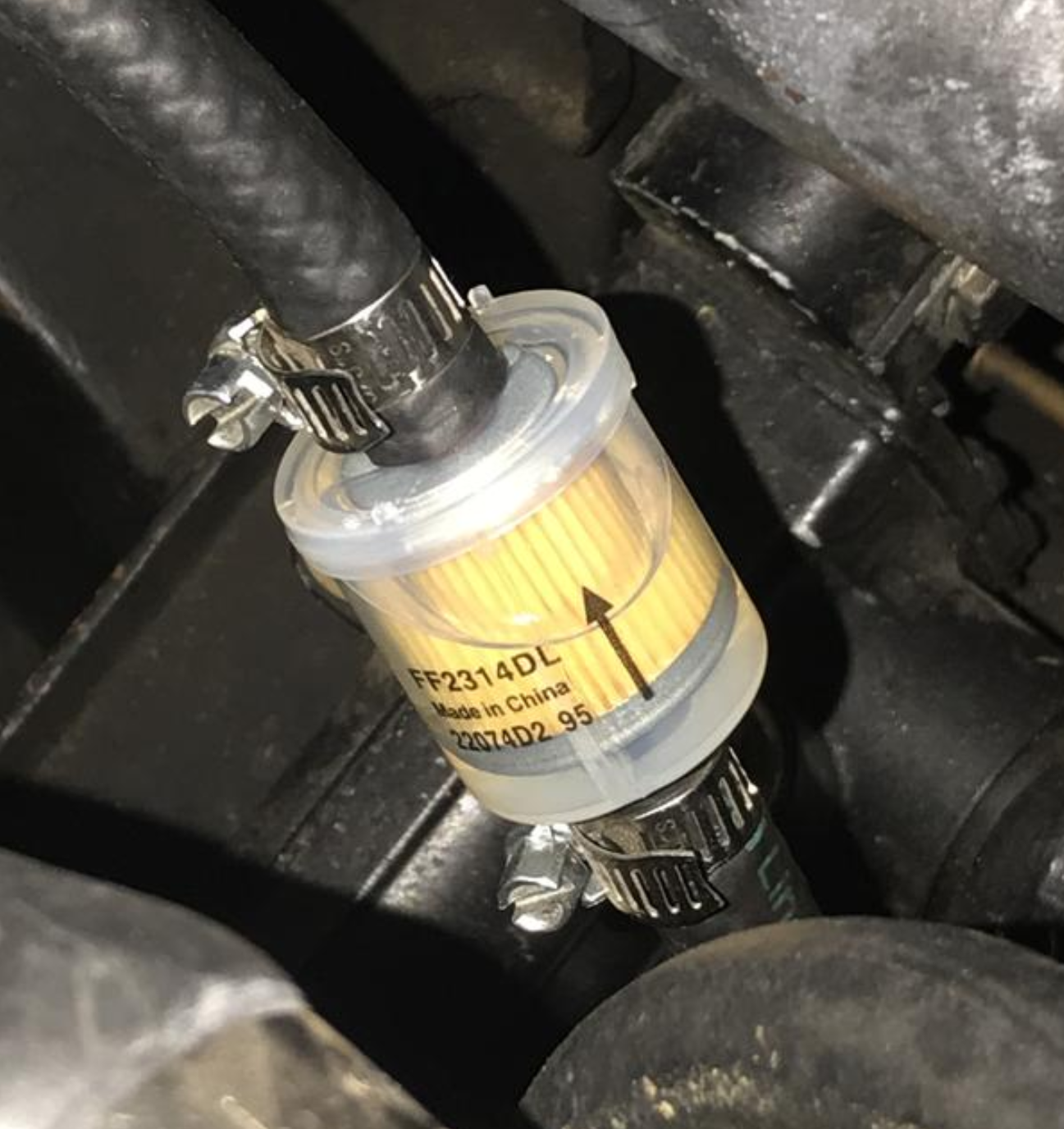
Check the new filter for the correct direction of fuel flow. Position the filter with the arrow pointing towards the engine. Attach the fuel lines to the new filter firmly. Make sure the lines fit snugly without gaps. Avoid twisting or bending the fuel lines to prevent damage.
Securing Connections
Tighten the clamps or bolts to hold the filter in place. Double-check all connections for leaks or loose fittings. Start the engine and watch for any signs of fuel leaks. If there are leaks, turn off the engine and fix the problem. A secure connection prevents fuel loss and keeps your vehicle safe.
Testing After Replacement
After replacing the fuel filter, testing is a must to ensure everything works well. This step confirms that the fuel system is sealed and the engine runs smoothly. Testing helps avoid future problems and keeps your vehicle safe.
Checking For Leaks
Start by inspecting the fuel filter and connections for leaks. Use a flashlight to see small fuel drops or wet spots. Tighten any loose clamps or fittings. Leaks can cause poor engine performance or be dangerous.
Starting The Engine
Turn the key and start the engine. It may take a few seconds for the fuel to reach the engine. Listen for smooth running sounds without sputtering or hesitation. If the engine struggles, the filter may not be installed correctly.
Monitoring Performance
Drive the vehicle gently after replacement. Notice any changes in acceleration or power. The engine should run cleaner and smoother. Watch for warning lights or unusual noises. Proper performance shows the fuel filter is doing its job.
Maintenance Tips For Fuel System
Keeping your fuel system in good shape helps your engine run smoothly. Regular care avoids costly repairs and boosts fuel efficiency. Simple steps can protect your fuel system parts. Here are some useful maintenance tips.
Regular Fuel Filter Checks
Check your fuel filter often. Dirt and debris can block it. A clogged filter reduces engine power. Replace the filter if it looks dirty or old. This keeps fuel flowing well and your engine healthy.
Using Quality Fuel
Choose good quality fuel for your vehicle. Low-quality fuel may contain impurities. These can harm the fuel filter and engine parts. Clean fuel helps the system work better and lasts longer.
Scheduling Professional Inspections
Have a mechanic inspect your fuel system regularly. Professionals can spot problems early. They check fuel lines, filters, and pumps. Timely repairs prevent breakdowns and save money.
Frequently Asked Questions
What Tools Do I Need To Replace A Fuel Filter?
You need a wrench, screwdrivers, pliers, and a new fuel filter. Also, wear safety gloves and eye protection for safety. Having a container to catch fuel spills is helpful.
How Often Should I Replace My Fuel Filter?
Replace your fuel filter every 20,000 to 40,000 miles. Check your vehicle’s manual for specific recommendations. Regular replacement ensures optimal engine performance and fuel efficiency.
Can I Replace The Fuel Filter Myself Safely?
Yes, you can replace it if you follow safety steps. Relieve fuel pressure before starting. Work in a well-ventilated area away from flames or sparks.
What Are Signs Of A Clogged Fuel Filter?
Engine misfires, stalling, poor acceleration, and hard starts indicate a clogged filter. Also, notice decreased fuel efficiency. Timely replacement prevents engine damage.
Conclusion
Replacing a fuel filter keeps your engine running smooth and clean. It helps stop dirt and debris from damaging parts. Regular changes can save money on big repairs later. The process is simple and can be done at home. Just follow steps carefully and stay safe.
A clean fuel filter means better fuel flow and stronger engine power. Keep this task in your car care routine. Your vehicle will thank you with better performance and longer life.


