
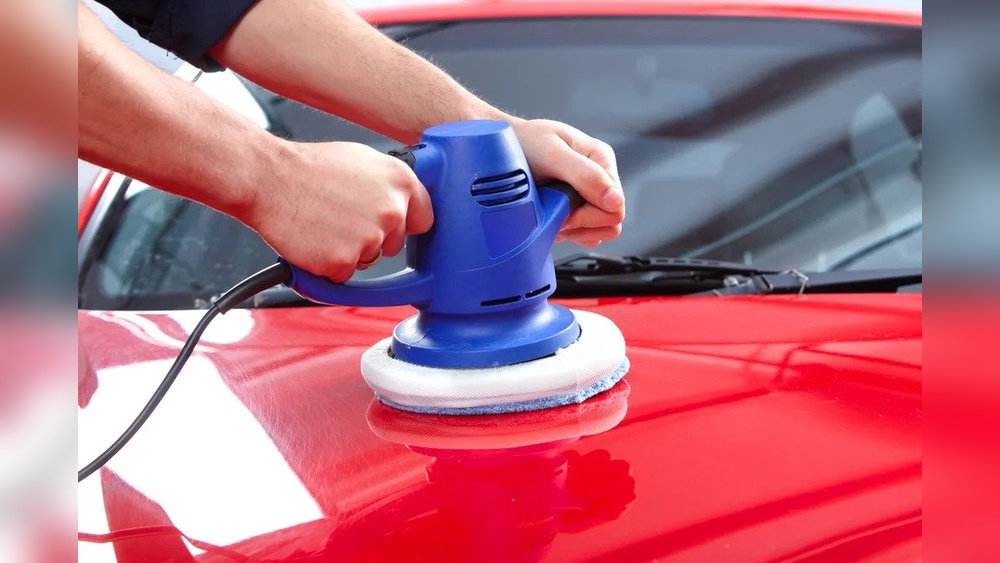
You just got a new car, and it looks amazing. But when should you wax it to keep that shine?
You might wonder if it’s too soon or if waiting is better. Waxing your new car at the right time can protect its paint and make it look great for years. You’ll discover exactly when and how to wax your new car so it stays in perfect condition.
Keep reading—your car will thank you.
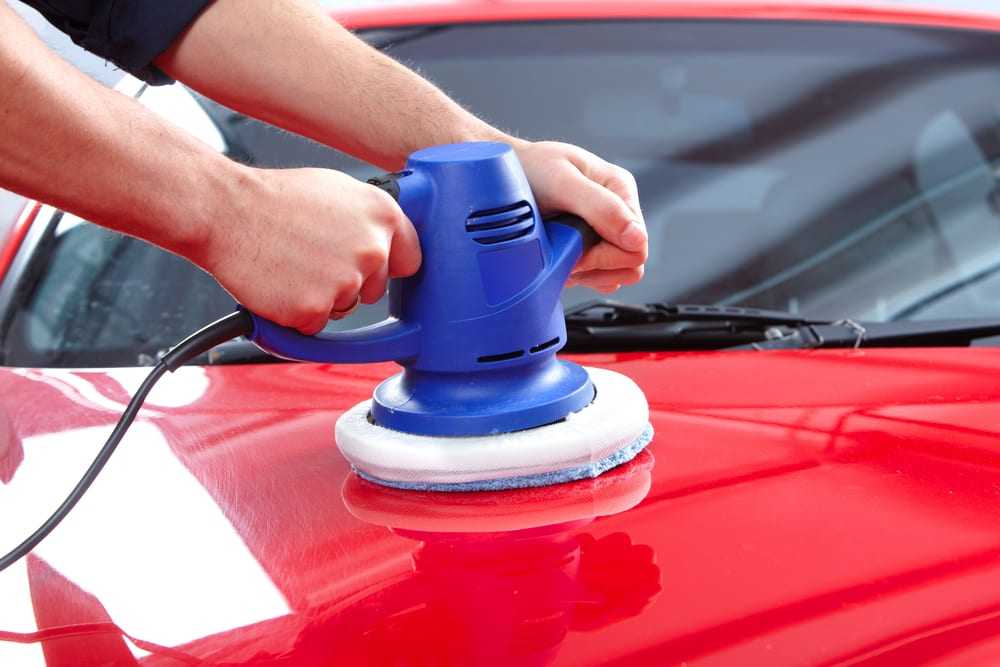
Credit: carfromjapan.com
When To Wax A New Car
Knowing the right time to wax a new car protects its paint and shine. Waxing too soon can harm the finish. Waiting too long can let dirt and grime build up. Finding the perfect moment helps keep the car looking great.
Understanding the factory paint and wax layers is important. Also, knowing the ideal waiting period and the signs your car is ready helps you wax at the right time.
Factory Paint And Wax Layers
New cars come with a factory paint finish. This finish often has a thin protective wax layer. This layer keeps the paint safe during shipping and display. It is not as strong as car wax you apply. Removing this factory wax too early can leave the paint vulnerable. Let the factory wax wear off naturally before adding your own wax.
Ideal Waiting Period
Wait at least 30 to 60 days before waxing a new car. This time lets the paint fully cure after factory processes. Curing helps the paint harden and become durable. Waxing too early can trap moisture or chemicals under the wax. Patience during this period ensures better wax adhesion and protection.
Signs Your Car Is Ready
Check if the car’s surface feels smooth and dry. Look for a dull or chalky appearance on the paint. This means the factory wax has worn off. Water should no longer bead up quickly on the surface. These signs show the paint is ready for waxing. Apply wax carefully to enhance shine and guard the paint.
Choosing The Right Wax
Choosing the right wax for your new car helps keep its paint fresh and shiny. Wax protects the surface from dirt, sun, and water. Picking a good wax type improves the car’s look and lifespan.
Different waxes offer different benefits. Knowing their features helps you select the best one for your car’s needs.
Types Of Car Wax
Car wax comes in three main types: paste, liquid, and spray. Paste wax lasts the longest but takes more effort to apply. Liquid wax is easier to spread and still protects well. Spray wax is the fastest to use but may not last as long.
Choose based on how much time you want to spend and how long you want the shine to last.
Synthetic Vs. Natural Wax
Synthetic wax is made from man-made chemicals. It lasts longer and can protect better against sun and rain. Natural wax, often called carnauba wax, comes from plants. It gives a deep, warm shine but fades faster.
Synthetic wax suits daily drivers. Natural wax fits show cars or weekend rides.
Wax For Different Paint Finishes
Glossy paint looks best with natural wax for a warm glow. Matte paint needs special wax made for flat finishes to avoid shine. Metallic paint works well with synthetic wax to highlight sparkles.
Check your paint type before buying wax to get the best results.
Preparing Your Car For Waxing
Preparing your car for waxing is an important step. It helps the wax stick better and last longer. A clean, smooth surface lets the wax protect the paint well. Follow these simple steps to get your car ready.
Washing And Drying
Start by washing your car thoroughly. Use a mild car shampoo and clean water. This removes dirt, dust, and grime. Make sure to rinse well to avoid soap residue.
After washing, dry the car with a soft microfiber towel. Drying prevents water spots and streaks. Avoid air drying because it can leave marks on the paint.
Removing Contaminants
Car paint can have tiny contaminants like tar, bugs, or tree sap. These stick to the surface and block wax from bonding. Use a special car cleaner or bug remover to get rid of these spots. Wipe gently but firmly to clean the paint.
Claying The Paint
Clay bars remove unseen particles stuck in the paint. Rub the clay over the car’s surface with a lubricant. This process makes the paint feel smooth and clean. Clay your car before waxing for a better finish and shine.
Credit: www.greasepro.com
Waxing Techniques
New cars need time before waxing. Wait about 30 days after purchase to protect the paint properly. Waxing too soon can harm the finish.
Tools And Materials Needed
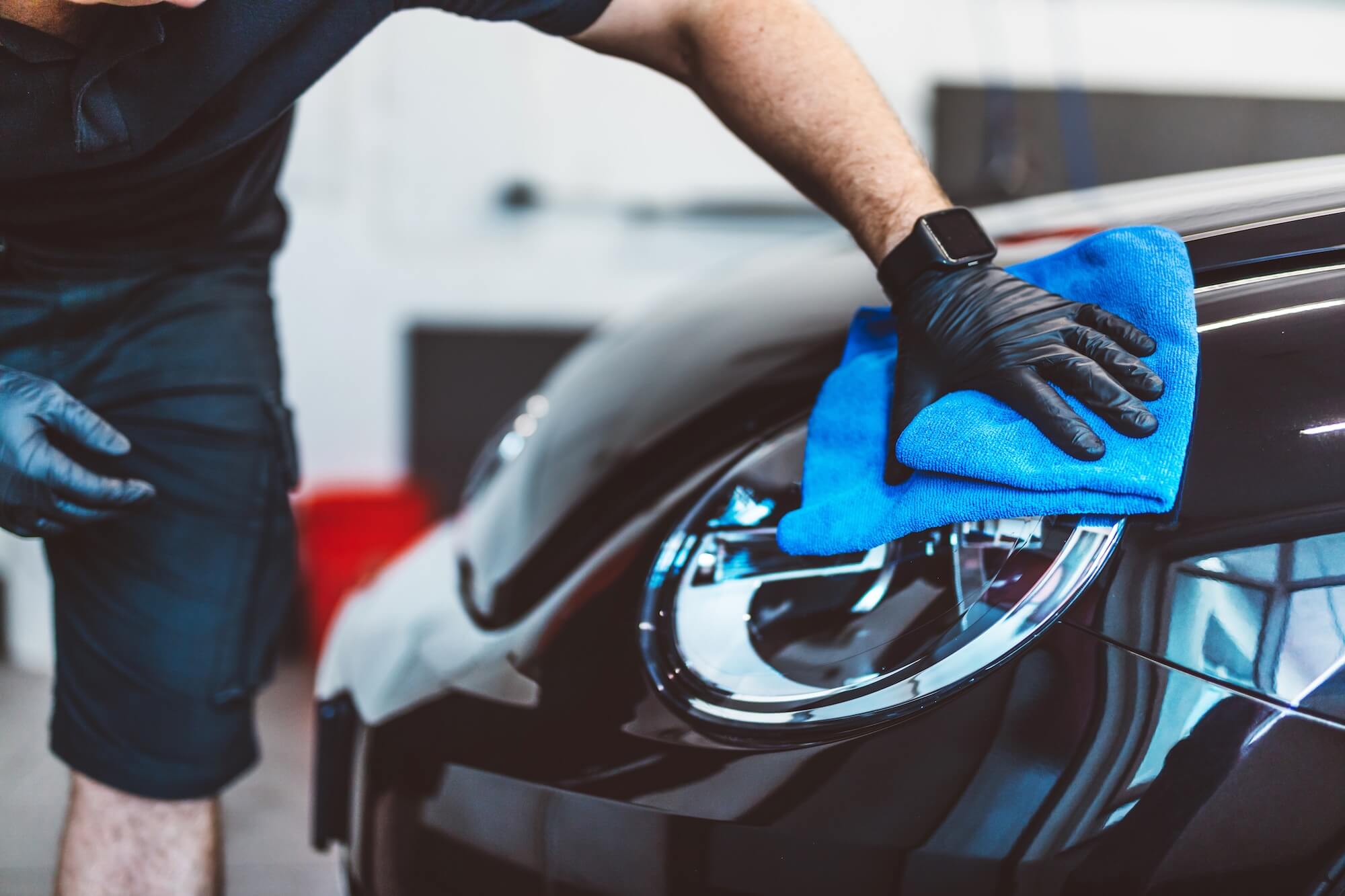
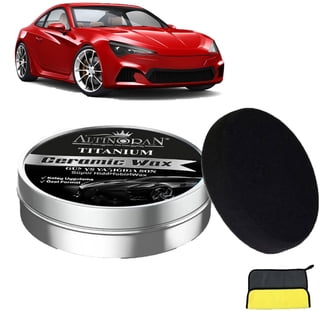
Start with the right tools. You need a quality car wax suited for your car’s paint. Use a soft foam applicator pad to apply the wax gently. Have clean microfiber towels ready for buffing. Avoid rough cloths that can scratch the paint. A shaded, cool area is best for waxing your car.
Applying Wax Evenly
Apply wax in small sections, about two feet by two feet. Use light, circular motions with the applicator pad. Keep pressure gentle to avoid streaks and uneven layers. Cover the entire section with a thin, even coat. Let the wax dry until it looks hazy before buffing. This step protects the paint and makes the shine last longer.
Buffing For Maximum Shine
Use a clean, dry microfiber towel to buff the wax. Wipe in circular motions to remove the haze. Flip the towel often for a fresh surface. Buff until the paint shines and feels smooth. This step brings out the depth and gloss of your car’s paint. Finish by checking for missed spots or streaks.
Maintaining Your Car’s Shine
Keeping your car shiny is important to protect its paint and keep it looking new. Waxing adds a layer of protection that helps your car resist dirt, water, and sun damage. Regular care makes your car stand out and hold its value longer.
Let’s explore how often you should wax, quick fixes between waxes, and ways to shield your car from harm.
How Often To Wax
Wax your car every three to four months. This timing keeps the protective layer strong. New cars might need the first wax after a few months to seal the paint. Older cars benefit from regular waxing to cover scratches and fading.
Touch-up Tips Between Waxes
Use a spray wax for quick shine boosts. It helps remove light dust and keeps the surface smooth. Clean the car first to avoid sealing dirt under the wax. Spot wax can fix small dull areas without a full wax job.
Protecting Against Environmental Damage
Park your car in shade to avoid sun damage. Dirt, bird droppings, and tree sap can harm paint fast. Wash your car often to remove these harmful substances. Wax creates a barrier that reduces their impact on your car’s surface.
Credit: www.walmart.com
Common Waxing Mistakes To Avoid
Waxing a new car protects its paint and keeps it shiny. Many people make common mistakes that reduce wax’s effectiveness. Avoiding these errors helps your car look great longer. Learn the key waxing mistakes to avoid for the best results.
Waxing On Hot Surfaces
Never wax a car under direct sunlight. Heat makes wax dry too fast. This causes streaks and uneven coverage. Wait for the car to cool down. Shade or early morning is best for waxing.
Using Too Much Wax
Applying too much wax does not improve shine. It creates a thick layer that is hard to remove. Use a small amount and spread it thinly. This helps wax bond well with the paint.
Neglecting Proper Preparation
Skipping cleaning before waxing hurts the finish. Dirt and dust trap under wax and cause scratches. Wash and dry the car fully first. Use clay bar if needed to remove stubborn grime.
Frequently Asked Questions
How Soon Can I Wax A New Car After Purchase?
You can wax a new car about 30 days after purchase. This allows the paint to fully cure. Waxing too early may trap impurities. Waiting ensures better protection and shine on your new car’s paint.
Why Wait Before Waxing A New Car?
New car paint needs time to harden and cure. Waxing too soon can damage or dull the finish. Waiting 30 days ensures the wax bonds well. This timing protects your car’s paint and enhances its appearance.
Can Waxing Protect New Car Paint?
Yes, waxing adds a protective layer against UV rays and dirt. It helps maintain the car’s glossy look. Waxing regularly after curing improves paint longevity. This keeps your new car looking fresh longer.
What Type Of Wax Suits New Car Paint?
Use a high-quality carnauba or synthetic wax for new cars. These waxes offer strong protection and a glossy finish. Avoid abrasive products to prevent paint damage. Choose waxes designed for fresh, delicate paint surfaces.
Conclusion
Waxing a new car protects its paint and keeps it shiny. Wait at least 30 days before the first wax. This allows the paint to cure and harden properly. Regular waxing after that helps guard against dirt, sun, and water damage.
Use a good quality wax and apply it gently. Taking care of your car’s finish extends its life and value. Simple steps lead to great results. Keep your car looking fresh and new for years.

