

Are you worried that using a pressure washer might damage your car’s paint or delicate parts? Choosing the right PSI pressure washer can make all the difference in keeping your car spotless without risking harm.
But how do you know which pressure level is safe for your vehicle? You’ll discover exactly what PSI pressure washer is safe on cars, so you can wash your car like a pro and protect your investment. Keep reading—you’ll learn simple tips that can save you time, money, and a lot of stress.
Safe Psi Range For Cars
Knowing the safe PSI range for cars helps protect your vehicle’s paint and surface. PSI means pounds per square inch. It measures water pressure from a pressure washer. Using the right PSI keeps your car clean without damage. Too much pressure can harm paint and parts. Too little pressure might not clean well.
Low Psi Benefits
Low PSI is gentle on car surfaces. It removes dirt and grime without scratching paint. It avoids peeling off wax or sealant layers. Low pressure works well on delicate areas like mirrors and trim. It uses less water, saving resources. Cleaning stays safe and effective with low PSI.
Risks Of High Psi
High PSI can cause serious damage to cars. It can chip paint or remove clear coat. It may force water into seals and electrical parts. This leads to rust or malfunctions. High pressure can leave marks or dents. It also damages tires and softer plastics. Using high PSI risks costly repairs and poor appearance.
Ideal Nozzle Types
Choosing the right nozzle type is important when washing cars with a pressure washer. The nozzle controls how water sprays and affects the car’s surface. The right nozzle helps clean safely without damage. Some nozzle types work better on cars than others.
Fan Nozzle Advantages
Fan nozzles spread water in a wide, even pattern. This reduces the force on any single spot. It cleans dirt gently without scratching the paint. The wide spray covers more surface quickly. This saves time and water while protecting the car’s finish.
Avoiding Concentrated Jets
Concentrated jets focus water into a small, strong stream. This can damage car paint or trim. Avoid nozzles with narrow spray angles like 0 or 15 degrees. These jets may chip paint or push dirt into the surface. Use wider spray angles for safer cleaning.
Choosing The Right Pressure Washer
Choosing the right pressure washer is key to safely cleaning your car. Too much pressure can damage the paint or decals. Too little pressure might not remove dirt well. Understanding the types of pressure washers and their features helps you pick the best one for your car.
Focus on pressure levels and control options. These factors affect the cleaning power and safety of the tool. Let’s explore the main types of pressure washers and what features to look for.
Electric Vs Gas Models
Electric pressure washers are quieter and lighter. They usually have lower pressure, which suits cars better. These models need less maintenance and are easy to start.
Gas pressure washers offer higher pressure. They are powerful for tough jobs like cleaning driveways. But they can be too strong for car paint and are heavier to handle.
Choose electric models for car washing. They provide enough pressure without risking damage.
Adjustable Pressure Features
Adjustable pressure lets you control the water force. This feature is important for washing cars. You can lower the pressure for delicate surfaces and increase it for stubborn dirt.
Look for washers with multiple pressure settings. Some come with adjustable nozzles or dials. This flexibility helps protect your car’s paint while cleaning effectively.

Credit: www.paintedoemparts.com
Techniques To Protect Car Paint
Protecting your car’s paint during pressure washing is very important. Using the right techniques helps avoid scratches and damage. These simple steps keep your car looking clean and fresh without harm. Follow these tips for a safe and effective wash.
Maintaining Safe Distance
Keep the pressure washer nozzle at least 12 inches from the car surface. This distance reduces the pressure on the paint. Too close can cause chips or scratches. Move the nozzle steadily and avoid staying in one spot. This prevents damage and ensures even cleaning.
Proper Spray Angles
Hold the spray nozzle at a 45-degree angle to the car. This angle helps remove dirt gently without pushing water under paint edges. Avoid spraying directly at sharp edges or seams. Use a sweeping motion to cover large areas smoothly. This protects the paint and cleans well.
Common Mistakes To Avoid
Using a pressure washer on your car can save time and effort. Yet, many make mistakes that damage the paint or parts. Knowing what to avoid helps keep your car safe and looking great. Below are common errors to watch out for.
Using Too Much Pressure
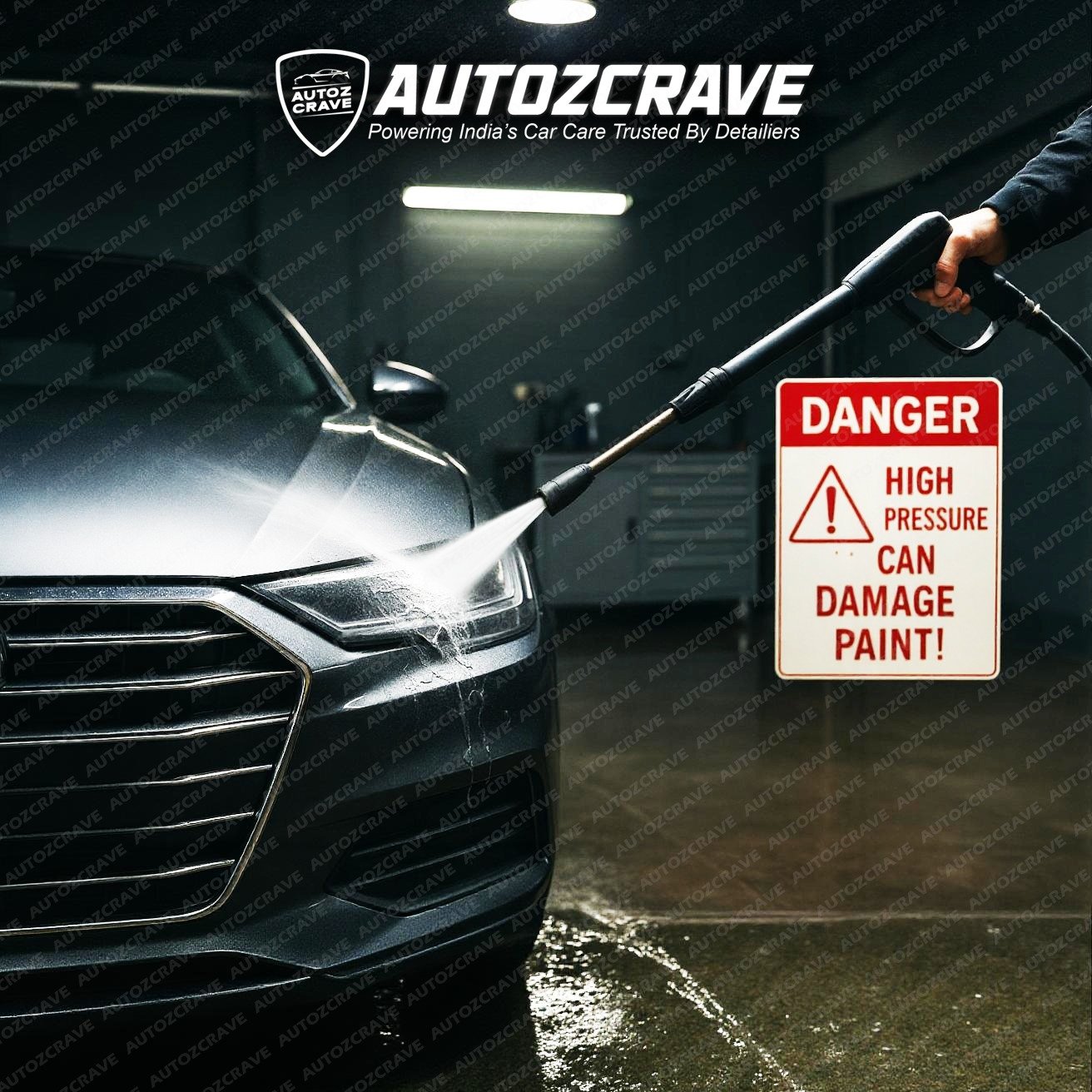
High pressure can strip paint and harm delicate parts. Many think more pressure cleans better. It does not. Use a pressure washer with PSI between 1200 and 1900 for cars. This range cleans well without damage. Start with lower pressure and increase only if needed.
Ignoring Surface Conditions
Dirty or damaged surfaces need special care. Avoid spraying cracked paint or rust directly. Water can worsen these problems. Check your car for chips, scratches, or old paint. Adjust the pressure or wash by hand on fragile areas. This prevents further harm and keeps your car’s finish safe.
Credit: autozcrave.com
Additional Tips For Car Washing
Washing a car with the right pressure washer is important. But using the right tools is just part of the process. Small steps can protect your paint and keep your car shiny. This section shares extra tips to help you wash your car safely and well.
Using Detergents Safely
Choose detergents made for cars. These are gentle on paint and clear coats. Avoid harsh chemicals that can damage your car’s surface. Always dilute the detergent with water as the label says. Use a foam cannon or sponge to apply detergent. Let it sit for a few minutes, but do not let it dry. Rinse off detergent thoroughly with low pressure water. This prevents spots and residue.
Drying And Finishing Touches
Dry your car quickly to avoid water spots. Use a soft microfiber towel or chamois cloth. Pat dry instead of rubbing to protect the paint. Check for missed spots and rinse again if needed. Clean windows and mirrors with glass cleaner for clear views. Apply a wax or sealant to protect paint and add shine. These small steps keep your car looking new longer.

Credit: www.walmart.com
Frequently Asked Questions
What Psi Level Is Safe For Washing Cars?
A PSI between 1200 and 1900 is safe for car washing. Higher pressure may damage paint or delicate parts. Always use a wide spray nozzle for even pressure distribution.
Can High Psi Damage Car Paint?
Yes, high PSI can chip or strip car paint. Use a pressure washer with lower PSI to avoid paint damage. Maintaining safe distance while spraying also protects your car’s surface.
Which Nozzle Is Best For Car Pressure Washing?
A 25-degree or 40-degree nozzle is ideal for cars. These nozzles provide a gentle spray that removes dirt without harming paint. Avoid zero-degree nozzles as they are too intense.
How Far Should I Hold A Pressure Washer From My Car?
Hold the nozzle at least 12 to 18 inches away from the car. This distance prevents paint damage while ensuring effective cleaning. Adjust distance if you notice paint or trim sensitivity.
Conclusion
Choosing the right PSI for washing cars keeps your paint safe. Use pressure washers with PSI between 1200 and 1900. This range cleans well without causing damage. Avoid very high pressure that can chip or scratch paint. Always test on a small spot first.
Combine proper PSI with a good nozzle and distance. Clean your car gently and maintain its shine longer. Safe washing protects your car’s look and value. Keep these tips in mind for the best results.


