

Are you ready to turn your passion for cars and design into a rewarding career? Becoming a certified vinyl wrap installer can open doors to exciting job opportunities and help you stand out in a competitive market.
But how do you get started, and what does the certification process involve? In this guide, you’ll discover clear, step-by-step advice to help you master the skills needed and earn your certification. Keep reading to unlock the secrets that will put you on the fast track to success in the vinyl wrap industry.
Vinyl Wrap Industry Basics
The vinyl wrap industry is growing fast. Many businesses and car owners want vinyl wraps to change the look of vehicles. This demand creates many job opportunities for skilled installers. Understanding the basics of this industry is the first step to becoming a certified vinyl wrap installer.
Knowing the market, the types of vinyl wraps, and the tools used will help you start your career. Each part plays a role in your success and skills development.
Market Demand And Opportunities
Vinyl wraps are popular for cars, trucks, and commercial vehicles. Businesses use wraps for advertising. Car owners want custom colors and designs. Demand is high in cities and towns worldwide. Many small shops and large companies hire installers. This makes the job market wide and varied. Learning this trade can lead to steady work and good income.
Types Of Vinyl Wraps
Vinyl wraps come in many styles and finishes. Glossy wraps give a shiny look. Matte wraps offer a dull, smooth finish. Satin wraps are between glossy and matte. There are also textured wraps like carbon fiber and brushed metal. Wraps vary in thickness and durability. Choosing the right type depends on the project and customer needs.
Tools And Materials Needed
Installers use special tools to apply wraps cleanly. A squeegee helps remove air bubbles. Heat guns soften the vinyl for curves and edges. Knives and cutters trim the excess material. Cleaners prepare the surface before wrapping. Good quality vinyl and tools make the job easier and last longer. Investing in the right materials is key to good results.
Skills Required For Installation
Becoming a certified vinyl wrap installer requires a set of key skills. These skills ensure the vinyl wraps look smooth and last long. Learning the right techniques helps you work with confidence. It also improves the quality of your installations. Focus on mastering surface preparation, application methods, and troubleshooting issues. These are the main areas that build your expertise.
Surface Preparation Techniques
Proper surface preparation is essential for a clean wrap. First, clean the surface thoroughly to remove dirt and oils. Use soap and water, then dry with a lint-free cloth. Next, inspect the surface for scratches or dents. Repair any damage before wrapping. Smooth surfaces allow vinyl to stick better. Avoid dust and moisture during preparation to prevent bubbles.
Application Methods
Applying vinyl wrap requires steady hands and patience. Start by measuring and cutting the vinyl accurately. Peel the backing slowly, avoiding rapid movements. Use a squeegee to press the vinyl onto the surface. Work from the center out to push out air bubbles. Heat the vinyl gently with a heat gun to help it stretch. Avoid overstretching, which can cause wrinkles.
Troubleshooting Common Issues
Common problems include bubbles, wrinkles, and peeling edges. Small bubbles can be pushed out with a squeegee or pin. Wrinkles may need reheating and repositioning. Peeling edges often result from poor surface prep or cold temperatures. Always check the surface temperature before starting. Fix issues early to keep the wrap looking smooth and neat.
Certification Programs
Certification programs play a key role in becoming a skilled vinyl wrap installer. They provide structured training and proof of your abilities. These programs teach essential skills and techniques for high-quality vinyl wrapping. Getting certified builds trust with clients and employers. It shows you know the best practices and safety standards.
Top Certification Bodies
Several organizations offer vinyl wrap certification. The 3M Preferred Installer Program is a top choice. It focuses on quality and professionalism. Another notable body is Avery Dennison, known for its training in vinyl materials. The International Sign Association also offers relevant courses. These bodies ensure you get real-world skills and recognized credentials.
Course Curriculum
Certification courses cover important topics. You learn surface preparation and vinyl handling. Installation techniques like wet and dry methods are taught. Courses include cutting, trimming, and removing air bubbles. Safety rules and workspace setup are part of the lessons. Some programs add vehicle-specific wrapping tips. Hands-on practice is a key component for skill building.
Cost And Duration
Certification costs vary by program and location. Prices usually range from $500 to $2,000. Some courses include materials and tools in the price. Training length can be a few days to a week. Online options may extend over several weeks. Choose a course that fits your budget and schedule. Remember, investing in certification can boost your career.
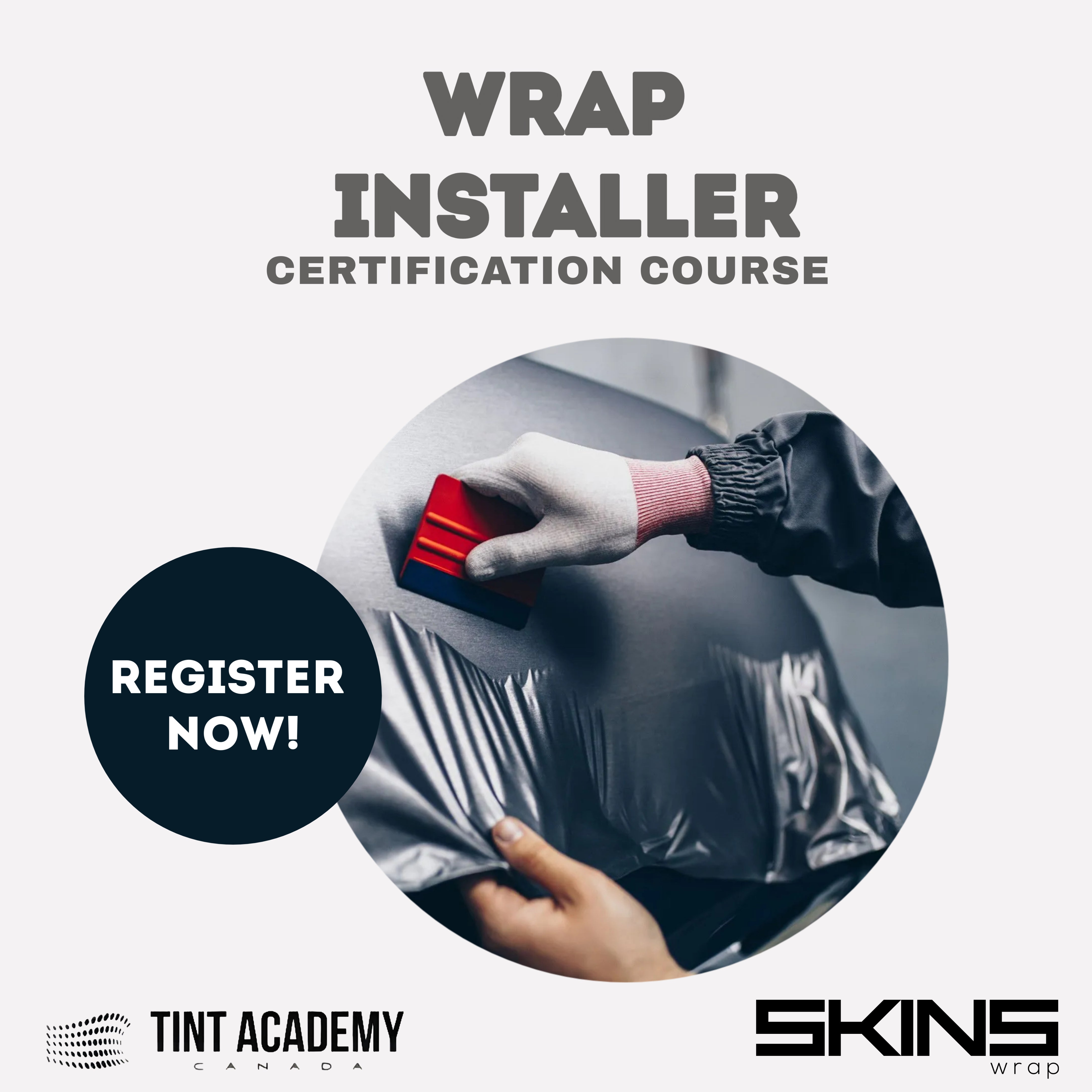
Credit: tintacademy.store
Training And Workshops
Training and workshops form the foundation for becoming a certified vinyl wrap installer. They provide essential skills and knowledge. These sessions teach you the tools, materials, and techniques used in vinyl wrapping. Proper training helps avoid costly mistakes and improves the quality of your work.
Finding Local And Online Courses
Many schools and companies offer vinyl wrap courses. Local courses allow you to learn face-to-face and get immediate feedback. Online courses offer flexibility to study at your own pace. Choose courses with good reviews and clear certification paths. Check if the course covers surface preparation, application, and finishing.
Hands-on Practice Importance
Practice is key to gaining confidence in vinyl wrapping. Real experience helps you understand how vinyl behaves on different surfaces. Start with small projects, like wrapping parts of a car or objects. Repetition improves your speed and accuracy. Without hands-on practice, theory alone is not enough.
Mentorship And Apprenticeship
Learning from an experienced vinyl wrap installer speeds up your progress. Mentors share tips and tricks that books cannot teach. Apprenticeships provide real work experience and problem-solving skills. These opportunities expose you to real job challenges. They help build a strong professional network in the industry.
Certification Process Steps
Becoming a certified vinyl wrap installer involves a clear set of steps. These steps guide you from starting the course to maintaining your certification. Each step ensures you gain the right skills and knowledge for the job.
The certification process tests your ability to apply vinyl wrap correctly. It also checks your understanding of tools and safety. Following these steps helps you build trust with clients and employers.
Enrollment Requirements
To enroll, you need basic knowledge of vinyl wrapping. Some courses require a high school diploma or equivalent. Experience with tools and vehicle surfaces helps. Prepare to provide identification and complete an application form. Some programs may ask for a portfolio or photos of past work.
Examination Format
The exam usually has two parts: written and practical. The written test covers theory, safety, and materials. The practical test checks your skill in applying vinyl wrap. You may need to wrap a small vehicle part within a time limit. Passing both parts is necessary to earn certification.
Maintaining Certification
Certification often requires renewal every one to two years. You must complete continuing education or refresher courses. Stay updated on new products and techniques. Some programs ask for proof of ongoing work experience. Keeping your certification shows your commitment to quality.
Building A Career As An Installer
Building a career as a certified vinyl wrap installer takes more than just skills. It requires planning, dedication, and smart decisions. You need to show your work, connect with the right people, and choose the best path for your career. This section explains how to start and grow as a professional installer.
Creating A Portfolio
A strong portfolio shows your best work and skills. Take clear photos of each project. Include different types of wraps and surfaces. Update your portfolio often with new jobs. Use both digital and physical formats. A good portfolio helps customers and employers see your quality. Keep descriptions short and simple. Highlight special techniques or challenges you solved.
Networking Strategies
Meeting others in the industry opens many doors. Attend local car shows, trade fairs, or workshops. Join online groups and forums about vinyl wrapping. Talk with shop owners, suppliers, and other installers. Share your work and ask questions. Networking can lead to job offers and advice. Stay polite and professional in all contacts. Build real relationships, not just contacts.
Freelance Vs Employment
Deciding between freelance and a job affects your career path. Freelance work offers freedom and flexible hours. You control your projects and clients. It needs good self-marketing and time management. Employment provides steady income and training. You get support from experienced teams. Choose based on your lifestyle and goals. Some start employed, then switch to freelance later.
Business Essentials
Starting a career as a certified vinyl wrap installer requires more than just skill. Building a strong business foundation is key. Focus on practical steps to set up your workshop, price your services fairly, and create a brand that attracts clients.
This section covers the essential business parts to help your vinyl wrap service grow and succeed.
Setting Up A Workshop
Choose a clean, well-lit space for your workshop. Space should be large enough for vehicles and tools. Good ventilation is important for safety and comfort. Organize your tools and materials for easy access. Keep the area tidy to work efficiently. Invest in quality tools and equipment. A professional workspace builds trust with clients.
Pricing Your Services
Research local competitors to understand pricing trends. Calculate your costs, including materials and labor. Set prices that cover expenses and provide profit. Offer clear pricing for different wrap types and sizes. Consider package deals or discounts for repeat customers. Transparent pricing helps clients make quick decisions.
Marketing And Branding
Create a simple logo that reflects your service. Use consistent colors and fonts on all materials. Build a website to showcase your work and contact info. Use social media to share photos and customer reviews. Network with local businesses to find referrals. Strong branding makes your business memorable and trusted.
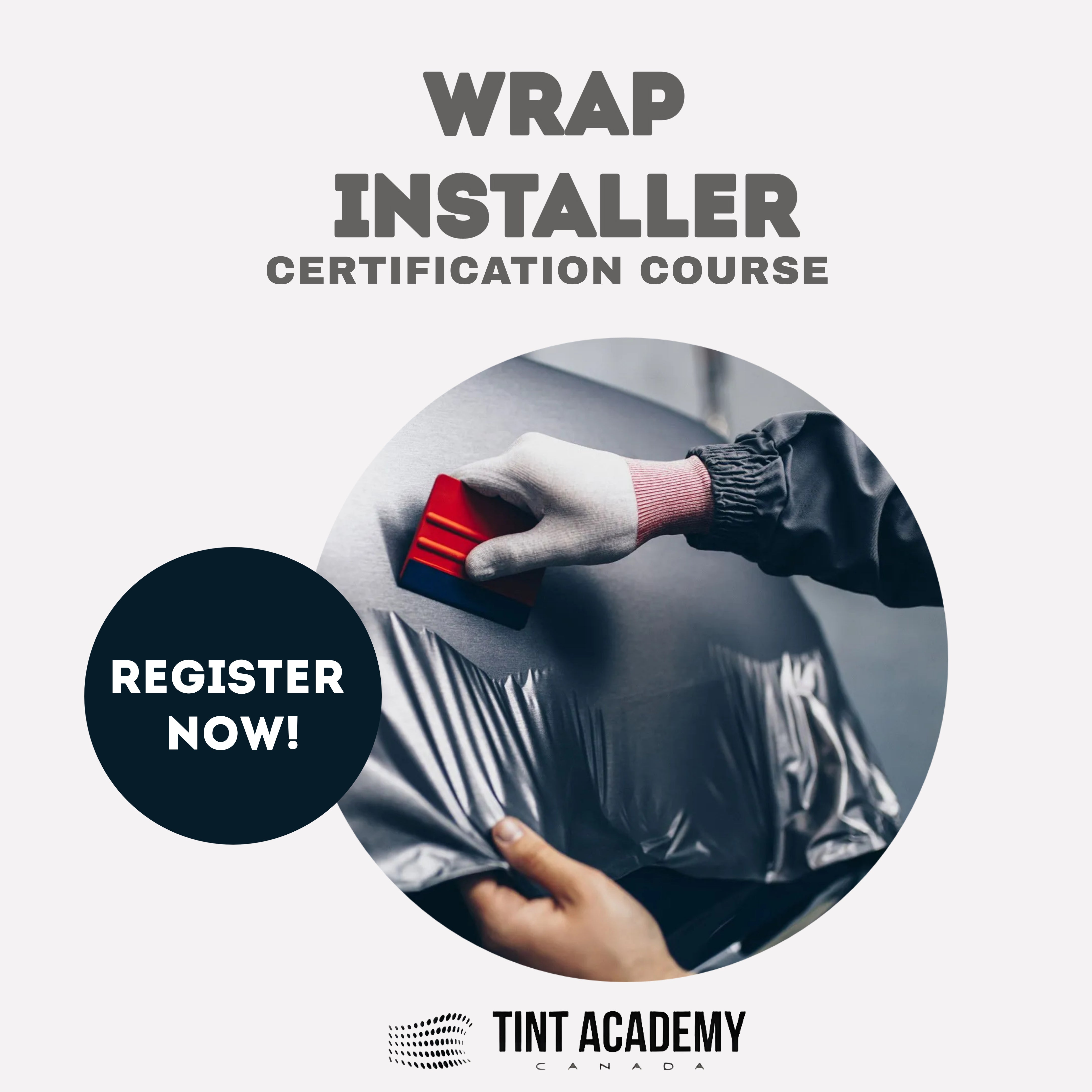
Credit: tintacademy.store
Industry Trends And Innovations
The vinyl wrap industry is changing fast. New trends and innovations shape how installers work. Staying updated helps you deliver better results and grow your skills.
Technology and materials improve every year. These changes create new opportunities and challenges. Understanding them is key to becoming a certified vinyl wrap installer.
New Materials And Technologies
Vinyl films are stronger and easier to apply. New types include air-release layers for smooth finishes. Some wraps resist scratches and fading better than before.
Tools also improve. Heat guns and squeegees are more precise. Digital printing lets you create custom designs quickly. These advances speed up work and improve quality.
Sustainability Practices
Eco-friendly materials grow in popularity. Some vinyl films use less harmful chemicals. Recycling old wraps reduces waste and pollution.
Installers now use safer adhesives and cleaning products. These choices protect health and the environment. Customers prefer businesses that care about green practices.
Future Job Prospects
The demand for vinyl wrap installers is rising. More businesses want branded vehicles and custom designs. Skilled installers with certification stand out.
New markets like marine and aviation wraps open up. Learning new skills can increase your income. The future looks bright for certified installers.
Credit: graphics.averydennison.com
Frequently Asked Questions
What Skills Are Needed To Become A Vinyl Wrap Installer?
Key skills include attention to detail, patience, and steady hands. Knowledge of surface preparation and vinyl application techniques is essential. Good communication helps with client consultations. Experience with tools like squeegees and heat guns improves quality and efficiency.
How Long Does Certification For Vinyl Wrap Installation Take?
Certification programs typically last from a few days to several weeks. Duration depends on course depth and hands-on practice included. Some offer online theory with in-person practical sessions. Completing certification quickly allows faster entry into the professional market.
What Is The Cost Of Becoming A Certified Vinyl Wrap Installer?
Costs range from $500 to $2,000 depending on the course provider and location. Some courses include tools and materials, while others charge extra. Investing in certification improves job prospects and client trust, making it worthwhile for career growth.
Where Can I Find Reputable Vinyl Wrap Certification Courses?
Look for courses offered by recognized industry organizations and wrap manufacturers. Many offer online and in-person training options. Check reviews and instructor credentials before enrolling. Local trade schools may also provide relevant certification programs.
Conclusion
Becoming a certified vinyl wrap installer takes time and practice. Start by learning the basic skills and tools you need. Attend training courses to gain hands-on experience. Certification shows your clients you know the job well. Keep improving your skills to stay competitive.
This career offers good chances to grow and earn. Focus on quality work and building trust with customers. With patience and effort, you can succeed in this field. Ready to wrap your future in success?


