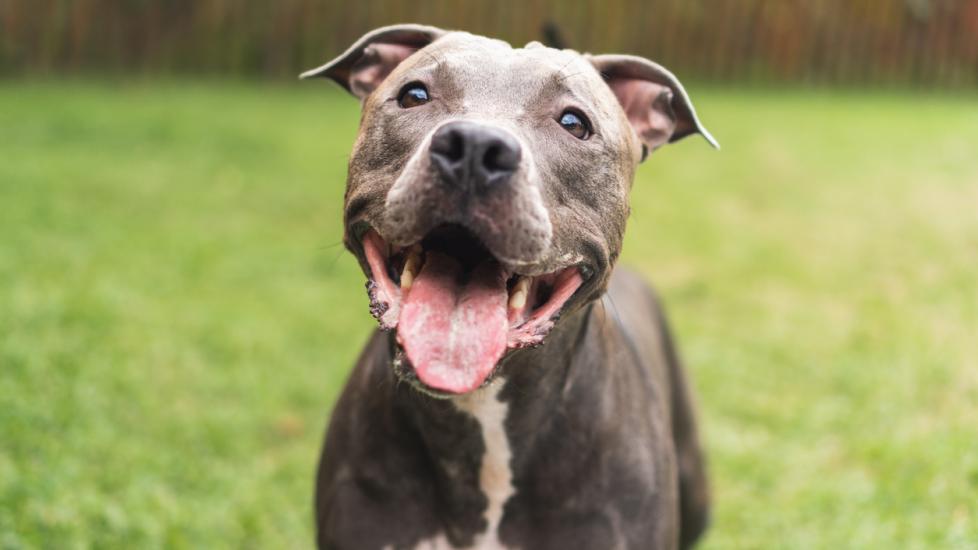
If you have a Pitbull or are thinking about getting one, you want to make sure your furry friend stays happy and healthy. Caring for a Pitbull is more than just feeding and walking—they need special attention to thrive.
You might wonder what makes their care unique or how to handle their energy and strong personalities. This guide will give you clear, simple tips that anyone can follow. By the end, you’ll feel confident in giving your Pitbull the best life possible.
Ready to become the best dog parent? Let’s dive in!
Credit: www.petmd.com
Choosing The Right Diet
Choosing the right diet is key for your Pitbull’s health and happiness. A good diet keeps them strong and full of energy. It also helps prevent many health problems. Feeding your dog well means understanding what they need and what to avoid. This section breaks down the basics of feeding your Pitbull the best way.
Nutritional Needs Of Pitbulls
Pitbulls need a balanced diet with proteins, fats, and carbohydrates. Protein helps build muscles and keeps their coat shiny. Healthy fats give energy and support brain function. Carbohydrates provide fuel for daily activities. Vitamins and minerals keep their immune system strong. Proper hydration is also very important for their health.
Recommended Foods
Lean meats like chicken, turkey, and beef are great protein sources. Fish provides omega-3 fatty acids that improve skin and coat health. Brown rice and sweet potatoes offer good carbohydrates and fiber. Fresh vegetables like carrots and peas add vitamins and minerals. High-quality commercial dog foods often have a balanced mix of these nutrients.
Avoiding Harmful Ingredients
Avoid foods with artificial colors, flavors, and preservatives. Stay away from excessive salt and sugar. Foods with fillers like corn and wheat can cause allergies. Chocolate, grapes, onions, and garlic are toxic to dogs. Always check labels and keep harmful foods out of reach.
Credit: whitehavenvet.com
Exercise And Physical Activity
Pitbulls are energetic dogs that need plenty of exercise. Physical activity keeps them healthy and happy. Without enough movement, they can become bored and restless. Regular exercise helps maintain their strong muscles and sharp mind.
Daily Exercise Requirements
Pitbulls need at least one hour of exercise every day. Split this time into two or three sessions. Walks, runs, and playtime are good options. Consistent exercise prevents weight gain and keeps joints healthy. Adjust the activity based on your dog’s age and health.
Fun Activities For Pitbulls
Play fetch to use their natural energy. Tug-of-war builds strength and creates a bond. Agility training challenges their mind and body. Swimming is a low-impact exercise for all fitness levels. Variety keeps exercise fun and exciting for your pitbull.
Preventing Behavioral Issues
Exercise reduces anxiety and aggressive behavior. A tired pitbull is less likely to destroy furniture. Daily activity helps burn off excess energy. Mental stimulation through training and games also calms them. Consistent routines create a well-behaved and happy dog.
Training And Socialization
Training and socialization are key parts of caring for a Pitbull. These dogs are strong and smart. They need clear rules and friendly experiences early on. This helps them grow into calm and happy pets. Good training builds trust between you and your dog. Socialization helps them behave well around people and other animals.
Basic Obedience Commands
Start with simple commands like sit, stay, and come. Use short, clear words. Repeat the commands often. Praise your dog when they follow instructions. Keep training sessions short and fun. This holds your dog’s attention. Consistency is important. It helps your Pitbull learn faster. Training every day makes good habits stronger.
Introducing To Other Pets
Introduce your Pitbull to other pets slowly. Choose a quiet place. Keep your dog on a leash at first. Let them sniff and observe each other. Watch their body language closely. Look for signs of fear or aggression. Praise calm and friendly behavior. Repeat visits to help them get used to each other. This builds positive relationships over time.
Handling Aggression
Aggression can happen but should not be ignored. Stay calm and avoid yelling. Use firm commands to control your dog. Remove your dog from triggers if needed. Seek advice from a professional trainer. Early intervention stops bad habits from growing. Teach your Pitbull to stay relaxed around others. This keeps everyone safe and happy.

Credit: www.youtube.com
Grooming Essentials
Grooming a Pitbull keeps them healthy and comfortable. Their short coat is easy to maintain but needs regular care. Good grooming also helps spot skin problems early. It builds trust and makes your dog happy.
Focus on basic grooming steps. Bathing, brushing, nail trimming, and ear and dental care keep your Pitbull in top shape. Each task is simple and quick with practice.
Bathing And Brushing
Bath your Pitbull every 4 to 6 weeks. Use a mild dog shampoo to avoid skin dryness. Rinse thoroughly to remove all soap. Brush their coat once or twice a week. A rubber curry brush works well for short hair. Brushing removes loose fur and dirt. It also improves blood flow and skin health.
Nail Trimming Tips
Trim nails every 3 to 4 weeks. Long nails cause pain and joint issues. Use sharp dog nail clippers. Cut little by little to avoid hitting the quick. If unsure, trim a tiny bit and check. Reward your dog to make it positive. Keep a nail file to smooth rough edges.
Ear And Dental Care
Clean ears weekly with a vet-approved solution. Wipe gently with a cotton ball. Avoid deep cleaning to prevent damage. Check for redness or bad smell. Brush teeth 2 to 3 times a week. Use dog toothpaste and a soft brush. Dental care prevents bad breath and gum disease. Offer dental chews to help keep teeth clean.
Health Monitoring
Monitoring your Pitbull’s health is very important. It helps catch problems early. Healthy dogs live longer and feel better. Watch your dog for any changes in behavior or body. Simple checks can prevent serious health issues.
Common Pitbull Health Issues
Pitbulls can face certain health problems. Hip dysplasia is common. It causes pain and difficulty moving. Skin allergies can make your dog itchy and uncomfortable. Some Pitbulls have heart disease or thyroid problems. Knowing these issues helps you act fast.
Regular Vet Checkups
Take your Pitbull to the vet often. Regular visits catch diseases early. The vet will check teeth, eyes, ears, and joints. Early treatment means better recovery. Keep a health record to track your dog’s progress.
Vaccinations And Parasite Control
Vaccines protect your Pitbull from serious illnesses. Follow the vaccination schedule recommended by the vet. Parasites like fleas, ticks, and worms can harm your dog. Use vet-approved treatments to control parasites. Clean your dog’s living area often to reduce risks.
Creating A Safe Environment
Creating a safe environment is key to raising a happy Pitbull. A secure space helps your dog feel calm and protected. It also prevents accidents and unwanted behavior. Building this environment starts with simple steps in your home and daily routine.
Home Safety Measures
Remove sharp objects and toxic plants from your dog’s reach. Keep electrical cords hidden or covered to avoid chewing. Use baby gates to block off unsafe areas. Make sure trash bins have secure lids. Check fences for holes or weak spots. A safe home keeps your Pitbull free from harm.
Proper Crate Training
Choose a crate that fits your Pitbull comfortably. It should be large enough to stand, turn, and lie down. Introduce the crate slowly, using treats and praise. Make it a cozy space with a soft bed. Crate training gives your dog a safe spot to relax. It also helps with house training and travel.
Dealing With Separation Anxiety
Pitbulls can get sad when left alone. Start by leaving for short times and return calmly. Give your dog toys or chews to stay busy. Avoid long goodbyes that cause stress. Create a routine with walks and play before you leave. This helps your Pitbull feel secure even when alone.
Frequently Asked Questions
How Often Should I Groom My Pitbull?
Pitbulls need grooming once a week to keep their coat healthy. Regular brushing removes dirt and loose hair. Bathing should be done monthly or as needed. Clean their ears and trim nails regularly for overall hygiene and comfort.
What Is The Best Diet For A Pitbull?
A balanced diet with high-quality protein supports Pitbull health. Include lean meats, vegetables, and grains. Avoid fillers like corn and soy. Feed them twice daily in measured portions. Fresh water should always be available to keep them hydrated.
How Much Exercise Does A Pitbull Need Daily?
Pitbulls require at least one hour of exercise each day. Activities like walking, running, and playtime keep them fit and happy. Regular exercise prevents boredom and destructive behavior. Mental stimulation through training also helps maintain their well-being.
Are Pitbulls Good With Children And Other Pets?
Pitbulls can be friendly and loyal with children when socialized early. Supervision is important during interactions. They can get along with other pets if properly introduced. Positive training and socialization improve their behavior around family members.
Conclusion
Caring for a pitbull takes love and patience every day. Give them good food, exercise, and regular vet visits. Train with kindness and social skills to build trust. Watch their health and behavior closely to keep them happy. A well-cared pitbull becomes a loyal and joyful friend.
Small efforts bring big rewards in your bond. Enjoy the journey of raising a strong, loving dog. Your pitbull will thank you with endless affection and loyalty.