

Is your car acting up or losing power? One common culprit could be a dirty or clogged fuel filter.
Changing your fuel filter might sound tricky, but it’s easier than you think—and it can save you money and hassle down the road. In this guide, you’ll learn exactly how to change the fuel filter in your car step-by-step. By the end, you’ll feel confident tackling this simple maintenance task yourself and keep your engine running smoothly.
Ready to take control of your car’s performance? Let’s dive in.
Signs Of A Clogged Fuel Filter
A clogged fuel filter can cause serious trouble for your car’s engine. It stops fuel from flowing properly. This can lead to many issues that affect how your car runs. Recognizing these signs early helps you fix the problem fast. It also protects your engine from damage.
Reduced Engine Power
Your car may feel weak or slow. It struggles to speed up or climb hills. The engine does not get enough fuel to run well. This loss of power can happen suddenly or slowly over time.
Engine Stalling
The engine may stop running while driving or idling. This happens because the clogged filter blocks fuel flow. Your car may start but then shut down quickly. Stalling is dangerous and should be checked immediately.
Poor Fuel Efficiency
You might notice your car uses more fuel than usual. The engine works harder to get fuel through the blockage. This wastes gas and costs more money. Lower fuel efficiency is a clear sign of a fuel filter problem.
Credit: germanformula.com
Tools And Materials Needed
Changing a fuel filter in your car requires a few specific tools and materials. Having the right items ready makes the job easier and safer. This section lists everything you need before starting the task.
Basic Tools
Start with common tools like wrenches and screwdrivers. A socket set helps remove bolts quickly. Pliers are useful for disconnecting fuel lines. A small container can catch any fuel that leaks out. Clean rags keep the work area tidy and absorb spills.
Replacement Fuel Filter
Choose the correct fuel filter for your car model. Check your owner’s manual or ask at an auto parts store. The filter must fit perfectly to avoid leaks or damage. A new filter ensures clean fuel flow and better engine performance.
Safety Gear
Protect yourself with gloves and safety glasses. Gloves shield your hands from fuel and dirt. Safety glasses prevent fuel splashes from hitting your eyes. Work in a well-ventilated area to avoid harmful fumes. Keep a fire extinguisher nearby, just in case.
Locating The Fuel Filter
Finding the fuel filter is the first step to changing it. The fuel filter keeps dirt and debris from reaching the engine. Knowing where it sits helps you remove and replace it easily. Fuel filter location depends on the car model and make. Some cars have it inside the engine bay. Others place it near the fuel tank or along the fuel line. Searching without guidance can waste time and cause frustration.
Common Fuel Filter Locations
Many cars have the fuel filter under the hood. Check near the engine or along the fuel rail. Some models place it on the frame rail under the car. This is close to the fuel tank. Look for a small cylinder with fuel lines attached. Older cars often have a metal fuel filter. Newer cars may use plastic filters or have the filter inside the fuel pump.
Using The Vehicle Manual
The vehicle manual is a helpful guide. It shows the exact spot of the fuel filter. Manuals include diagrams and instructions. This helps avoid wrong guesses or damage. Check the index under “fuel filter” or “fuel system”. Follow the steps for safe removal and replacement. Manuals often list tools needed too. Reading the manual saves time and keeps you safe.

Credit: www.wikihow.com
Preparing Your Vehicle
Preparing your vehicle before changing the fuel filter is essential. It helps avoid accidents and ensures a smooth process. Taking a few careful steps saves time and protects your car’s system.
Start by making sure the engine is cool. Hot parts can cause burns or fires. Work in a well-ventilated area to avoid harmful fumes. Have basic tools ready for the job.
Relieving Fuel System Pressure
The fuel system holds pressure even after the engine stops. Releasing this pressure prevents fuel spray and spills. Locate the fuel pump fuse or relay and remove it. Then, start the engine and let it run until it stops. This step empties the fuel lines safely. Press the fuel rail or injector test port to release extra pressure.
Ensuring Safety Precautions
Wear safety glasses and gloves before starting. Fuel can irritate skin and eyes. Keep a fire extinguisher nearby. Avoid smoking or open flames around the vehicle. Work on a flat surface and use wheel chocks to stop the car from moving. Clean any spilled fuel immediately to reduce fire risk.
Removing The Old Fuel Filter
Removing the old fuel filter is an important step in changing it. This process helps keep your car running smoothly. The fuel filter traps dirt and rust from the fuel. Over time, it gets clogged and needs replacement. Removing the old filter carefully avoids fuel leaks and damage.
Disconnecting Fuel Lines
Start by relieving fuel system pressure. This stops fuel from spraying out. Use a rag to catch any spills. Then, find the fuel lines connected to the filter. Use pliers or a wrench to loosen the clamps. Gently pull the fuel lines off the filter. Avoid bending or twisting the lines too much.
Removing Mounting Brackets
Locate the mounting brackets holding the filter. These brackets keep the filter in place. Use a socket or wrench to remove the bolts. Keep the bolts safe for reinstallation. Take the old filter out carefully. Watch for any remaining fuel inside the filter. Dispose of the old filter properly.
Installing The New Fuel Filter
Installing the new fuel filter is a crucial step in your car maintenance. It ensures the fuel system works smoothly. Take your time to fit the filter properly. A correct installation prevents leaks and engine problems.
Positioning The Filter Correctly
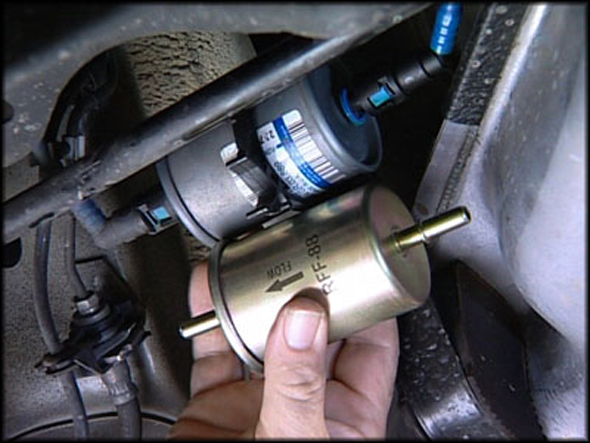
Place the new fuel filter in the same direction as the old one. Look for an arrow on the filter body. This arrow shows the fuel flow direction. Make sure the arrow points toward the engine. Incorrect positioning can block fuel flow.
Hold the filter steady in its bracket. Align it with the fuel lines. The filter should fit snugly without forcing. Check the filter’s orientation before tightening anything.
Securing Connections
Attach the fuel lines to the filter’s inlet and outlet. Push the connectors firmly until they click. Use clamps or clips to hold the lines in place. Tight connections stop fuel leaks and keep pressure steady.
Double-check each connection for tightness. Wiggle the lines slightly to test security. Loose connections can cause fuel spills or engine failure. After securing, clean any spilled fuel with a cloth.
Checking For Leaks And Testing
After replacing the fuel filter, checking for leaks is important. This step ensures the filter and fuel lines work correctly. Testing the system prevents damage and keeps your car safe.
Starting The Engine
Turn the key to start the engine. Listen carefully for any unusual sounds. A smooth start means the filter works well. Watch for any fuel smell near the engine. If you smell fuel, stop and check the filter again.
Inspecting Fuel Lines
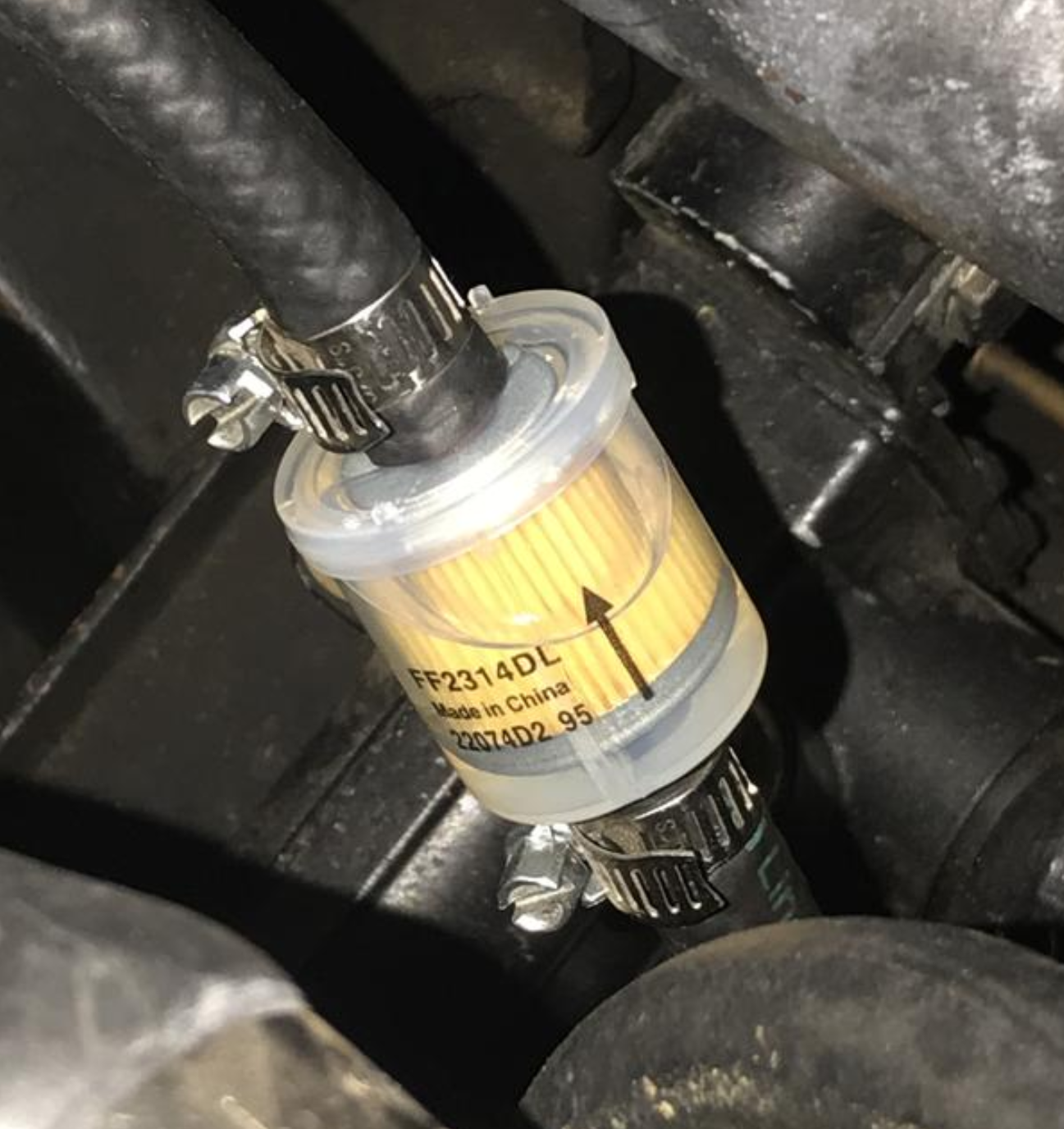
Look closely at the fuel lines around the filter. Check for wet spots or drips. These signs show a fuel leak. Make sure all connections are tight. Use a cloth to clean any fuel spills. Safety first—fuel leaks can cause fires.
Credit: www.invidiavoices.co.uk
Maintenance Tips For Fuel Filter
Proper care of the fuel filter helps your car run smoothly. A clean fuel filter stops dirt and rust from reaching the engine. This keeps the fuel system healthy and improves engine life. Regular maintenance prevents costly repairs and saves money.
Recommended Replacement Intervals
Most car makers suggest changing the fuel filter every 20,000 to 40,000 miles. Check your owner’s manual for exact numbers. Older cars might need changes more often. Frequent stops in dirty areas may also require earlier replacement. Stick to the schedule for best results.
Signs To Watch For
Watch for slow engine start or weak acceleration. These can mean the fuel filter is clogged. Engine stalling or rough idling may also happen. A drop in fuel efficiency can signal a problem. Strange noises from the fuel pump need attention. Notice these signs early to avoid bigger issues.
Frequently Asked Questions
How Often Should I Change My Car’s Fuel Filter?
You should change your car’s fuel filter every 20,000 to 30,000 miles. Check your owner’s manual for specific intervals. Regular replacement ensures clean fuel flow and prevents engine problems. Ignoring it can cause poor engine performance and fuel system damage.
What Tools Do I Need To Change A Fuel Filter?
Basic tools include a wrench set, screwdrivers, pliers, and a container to catch fuel. Safety gloves and goggles are recommended. Some cars may require special tools, so consult your vehicle manual before starting the job.
Can I Change The Fuel Filter Myself Safely?
Yes, you can change the fuel filter yourself with proper precautions. Work in a well-ventilated area, avoid open flames, and relieve fuel system pressure first. Follow step-by-step instructions carefully to prevent fuel leaks and ensure safety.
What Are Signs Of A Clogged Fuel Filter?
Common signs include engine misfires, poor acceleration, stalling, and difficulty starting. You may also notice reduced fuel efficiency or unusual engine noises. These symptoms suggest it’s time to inspect and possibly replace the fuel filter.
Conclusion
Changing a fuel filter keeps your car running smooth and safe. It stops dirt from reaching the engine. Regular changes help avoid costly repairs later. The process is simple and saves money. Just follow the steps carefully and take your time.
A clean fuel filter means better fuel flow and engine power. You can do this yourself with basic tools. Keep your car healthy by checking the fuel filter often. Small efforts now prevent big problems on the road.


