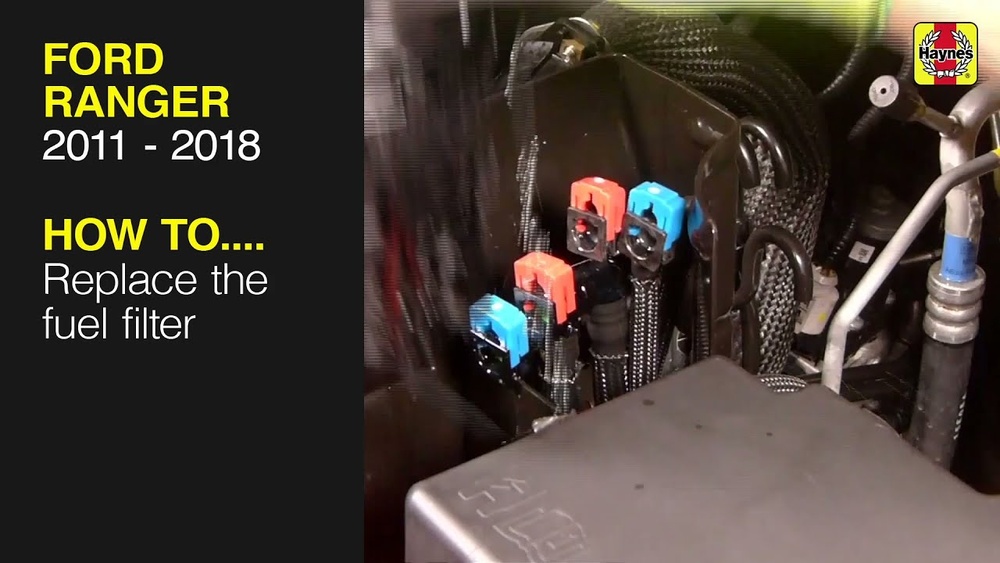
If you want to keep your engine running smoothly, installing a glass fuel filter is a smart step. You might wonder why this small part matters so much.
Well, a clean fuel filter protects your engine from dirt and debris, helping your vehicle perform better and last longer. In this guide, you’ll learn exactly how to install a glass fuel filter quickly and safely—even if you have little experience.
By the end, you’ll have the confidence to handle this task yourself and save time and money on repairs. Ready to get started? Let’s dive in!
Choosing The Right Glass Fuel Filter
Choosing the right glass fuel filter is important for your vehicle’s performance. The right filter keeps fuel clean and protects the engine. Picking a suitable filter saves money and avoids damage. Focus on the type, compatibility, and quality of the filter.
Types Of Glass Fuel Filters
Glass fuel filters come in various styles. Some have a simple bowl design, while others include a metal cage for strength. The bowl holds the glass and collects dirt. Filters may differ in size and flow rate. Choose a type that fits your fuel system needs.
Compatibility With Your Vehicle
Check your vehicle’s manual for filter specifications. Size and connection type must match your fuel lines. Using the wrong filter can cause leaks or blockages. Verify pressure ratings too. Proper fit ensures smooth fuel flow and engine safety.
Quality And Brand Considerations
Choose filters from trusted brands to ensure durability. High-quality glass resists cracks and heat better. Low-quality filters may break or let dirt pass through. Look for filters with good reviews and proper certifications. Quality filters protect your engine and last longer.

Credit: www.amazon.com
Tools And Materials Needed
Installing a glass fuel filter requires the right tools and materials. Having everything ready makes the job easier and safer. This section covers what you need before starting.
Essential Tools For Installation
Gather a wrench set to fit your fuel lines. Use screwdrivers to remove clamps or covers. Needle-nose pliers help with tight spots. A clean cloth is useful to wipe spills. Have a container ready to catch any fuel drips.
Safety Gear And Precautions
Wear safety goggles to protect your eyes from fuel splashes. Use gloves to keep your hands clean and safe. Work in a well-ventilated area to avoid inhaling fumes. Keep a fire extinguisher nearby. Avoid open flames or sparks during the process.
Preparing Your Workspace
Choose a flat, stable surface to work on. Clear the area of any clutter or flammable materials. Lay down newspaper or a drip tray to catch spills. Make sure good lighting is available to see small parts clearly. Organize your tools and materials within easy reach.
Preparing For Installation
Preparing for installation is an important step to ensure a smooth process. Taking time to get ready helps avoid mistakes and keeps you safe. Follow these simple steps before you start installing the glass fuel filter.
Relieving Fuel System Pressure
Fuel systems hold pressure that can cause fuel to spray out. Release this pressure before removing the old filter. Start by turning off the engine and disconnecting the battery. Next, find the fuel pump fuse or relay and remove it. Run the engine until it stops. This step clears the fuel lines of pressure safely.
Locating The Fuel Filter
Knowing where the fuel filter is saves time and effort. Check your vehicle’s manual for the exact location. Most filters are near the fuel tank or engine bay. Look for a small, clear glass or plastic housing. Make sure the area is clean and well-lit before you begin work.
Draining Fuel Lines If Necessary
Fuel inside the lines can spill during filter replacement. Prepare a container to catch any fuel that leaks out. Use rags or towels to protect the area around the filter. Slowly disconnect the fuel lines from the old filter. Allow the fuel to drain completely before installing the new one.
Removing The Old Fuel Filter
Removing the old fuel filter is the first step in installing a new glass fuel filter. This process requires care to avoid fuel leaks and damage. Follow each step carefully to ensure safety and proper removal.
Disconnecting Fuel Lines Safely
Start by turning off the engine and fuel supply. Use gloves to protect your hands. Slowly loosen the fuel lines connected to the filter. Use a rag to catch any dripping fuel. Avoid pulling on the fuel lines hard. Gently wiggle them free to prevent damage.
Handling Fuel Spills
Fuel spills can be dangerous. Place a container or cloth under the filter to catch drops. Clean any spilled fuel quickly with a rag. Work in a well-ventilated area to avoid fumes. Dispose of soaked rags safely to prevent fire risk.
Removing Filter Mounting Hardware
Locate the screws or clamps holding the filter in place. Use the correct tool to loosen them carefully. Remove the hardware and set it aside. Take the old fuel filter out gently. Check the mounting area for dirt or damage before installing the new filter.
Installing The New Glass Fuel Filter
Installing the new glass fuel filter is a key step in maintaining your vehicle’s fuel system. This part helps keep dirt and rust out of the engine. A clean filter improves fuel flow and engine performance. Follow these simple steps to install the filter properly.
Positioning The Filter Correctly
Hold the filter so the arrow points toward the engine. This arrow shows the fuel flow direction. Position the filter in the bracket or holder on the fuel line. Make sure it fits snugly and lines up with the fuel hoses.
Securing The Filter In Place
Use clamps or brackets to fix the filter firmly. Tighten clamps enough to prevent movement. Avoid over-tightening, which can damage the glass. Check the filter is stable and won’t shift during driving.
Reconnecting Fuel Lines
Attach the fuel lines to the filter ends. Push hoses fully onto the filter connectors. Tighten hose clamps to stop leaks. Double-check all connections for a secure fit. This prevents fuel leaks and keeps the system safe.

Credit: www.youtube.com
Testing And Final Checks
Testing and final checks are crucial after installing a glass fuel filter. These steps ensure the filter works well and the engine runs smoothly. Careful inspection helps avoid fuel leaks and engine problems.
Checking For Leaks
Look closely at all connections around the fuel filter. Use a clean cloth to wipe any wet spots. Turn the fuel valve on and watch for drips. Tighten clamps or fittings if you spot leaks. Make sure no fuel drips before moving on.
Starting The Engine
Start the engine carefully. Listen for any unusual sounds. The engine should run steadily without sputtering. If it stalls or hesitates, check the fuel filter again. Confirm the filter is installed in the right direction for fuel flow.
Monitoring Fuel Flow
Watch the fuel flow through the glass filter. It should move smoothly and without air bubbles. Air bubbles can cause engine problems. If bubbles appear, bleed the system to remove air. Keep observing for a few minutes to ensure steady fuel flow.
Maintenance Tips For Glass Fuel Filters
Maintaining your glass fuel filter ensures smooth engine performance. Proper care stops dirt and debris from harming your engine parts. Follow simple steps to keep the filter clean and functional.
Regular Inspection Schedule
Check the glass fuel filter every 1,000 miles or monthly. Look for dirt, cracks, or cloudiness in the glass bowl. Early checks prevent fuel flow problems and engine damage. Use a flashlight for better visibility during inspections.
Cleaning And Replacement Guidelines
Clean the filter by removing it carefully from the fuel line. Use clean fuel or a soft brush to remove debris from the glass. Avoid harsh chemicals that can damage the filter. Replace the filter if cleaning does not improve clarity or fuel flow.
Signs Of Filter Wear Or Damage
Look for cracks or leaks in the glass bowl. Notice if the engine sputters or stalls; it may signal a clogged filter. Fuel odor or leaks near the filter also indicate problems. Replace the filter immediately if you find any damage or wear signs.

Credit: www.ebay.com
Frequently Asked Questions
What Tools Are Needed To Install A Glass Fuel Filter?
To install a glass fuel filter, you need wrenches, screwdrivers, pliers, and a clean rag. Safety gloves and eye protection are also recommended to prevent injuries.
How Do I Safely Remove The Old Fuel Filter?
First, relieve fuel system pressure and disconnect the battery. Then, carefully loosen the fuel lines and remove the old filter without spilling fuel.
Where Should The Glass Fuel Filter Be Positioned?
The glass fuel filter should be installed on the fuel line between the fuel tank and the carburetor or fuel pump for optimal filtration.
How Often Should A Glass Fuel Filter Be Replaced?
Replace the glass fuel filter every 12,000 to 15,000 miles or when you notice dirt or debris inside the glass bowl.
Conclusion
Installing a glass fuel filter is simple and helpful. It keeps your engine clean and running well. Follow each step carefully and use the right tools. Check for leaks after installation to stay safe. Regular maintenance helps your vehicle last longer.
Take your time and do the job right. Clear fuel means better performance and fewer problems. Now you know how to install a glass fuel filter easily. Keep your engine healthy and enjoy smooth rides ahead.