

Your car’s brakes are one of the most important safety features you rely on every day. But how do you know when your brake rotors need attention or replacement?
Ignoring worn brake rotors can lead to costly repairs and dangerous driving conditions. You’ll learn simple and effective ways to check the life of your brake rotors. By understanding the signs and performing easy inspections, you can keep your car safe and save money.
Keep reading to discover how to protect yourself and your vehicle before it’s too late.

Credit: www.youtube.com
Signs Of Worn Brake Rotors
Worn brake rotors can cause serious safety issues. Knowing the signs helps you act early. This keeps your car safe and saves money on repairs.
Brake rotors wear out over time. They need regular checks to spot problems fast. Below are common signs of worn brake rotors.
Squeaking And Grinding Noises
Squeaking sounds mean rotor surface is rough or uneven. It can also mean brake pads are worn out. Grinding noises are worse. They mean metal parts rub together. This can damage the rotor and the brake system.
Vibrations While Braking
Feeling vibrations or shaking in the brake pedal shows rotor issues. Warped or uneven rotors cause this problem. It makes stopping harder and less safe. Vibrations often get worse over time. This is a clear sign to check the rotors.
Visible Rotor Damage
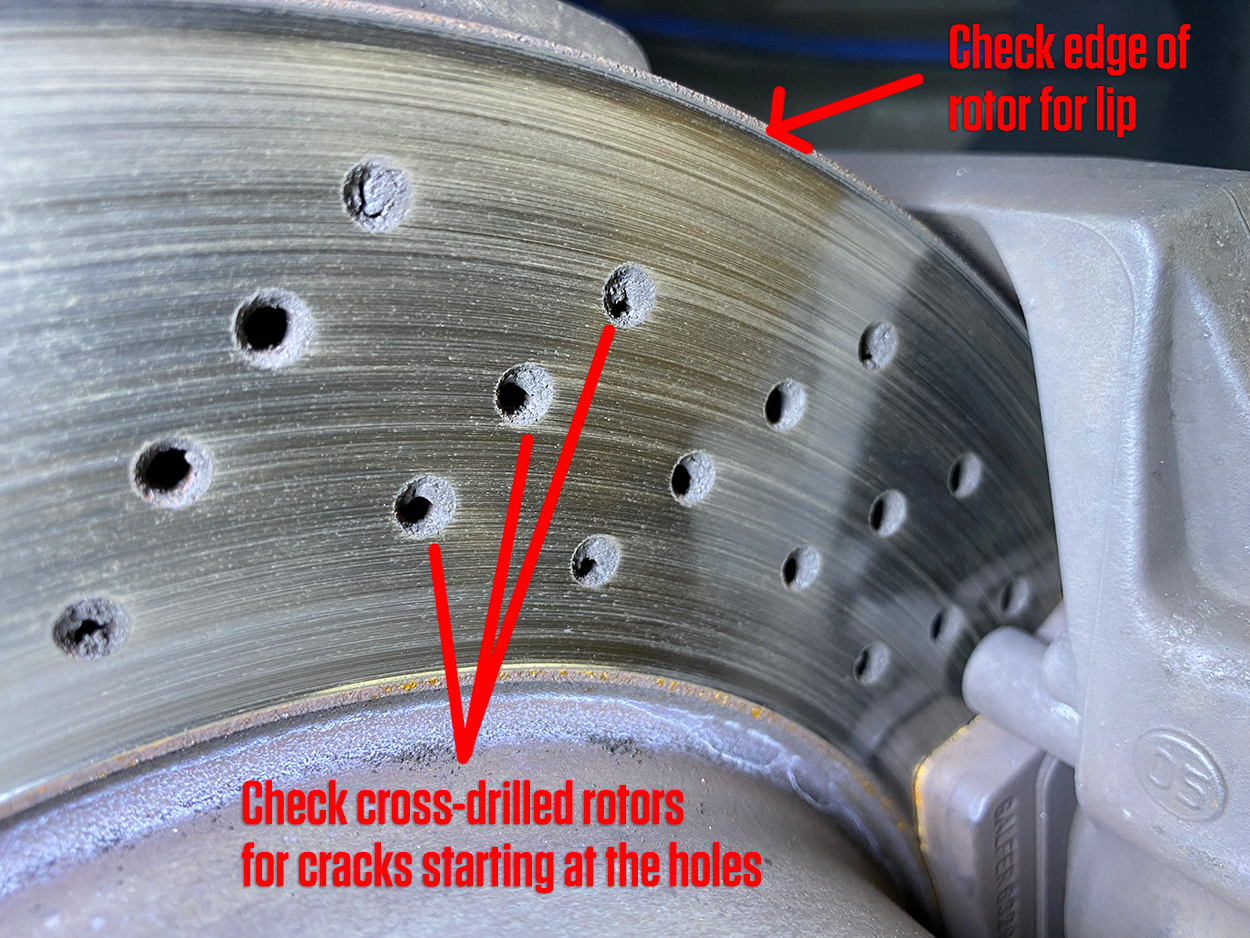
Look at the rotors through the wheel spokes. Deep grooves, cracks, or rust spots show damage. These signs mean the rotor surface is no longer smooth. Damaged rotors reduce braking power and increase risk. Visible damage means it is time for a rotor check or replacement.
Tools Needed For Inspection
Checking the life of your brake rotors needs the right tools. These tools help you measure and inspect the rotor’s condition. Using them makes the process simple and accurate. Knowing what tools to use saves time and effort.
Measuring Rotor Thickness
A micrometer or caliper is key for measuring rotor thickness. These tools give exact thickness readings in millimeters or inches. Hold the rotor and measure at several points around its edge. Compare the numbers to the minimum thickness listed in your car’s manual. Thin rotors need replacing to keep brakes safe.
Checking Rotor Surface Condition
Visual inspection tools include a flashlight and a clean cloth. Shine light on the rotor surface to see cracks, grooves, or rust. Wipe the rotor to remove dust and dirt for a clearer view. Surface damage can cause brake noise and reduce stopping power. Catching these signs early helps avoid bigger problems.
Step-by-step Rotor Inspection
Checking the life of your brake rotors is key to safe driving. A step-by-step inspection helps find problems early. This guide breaks down the process into simple actions. Follow these steps to check your rotors at home.
Removing The Wheel
Start by loosening the lug nuts on the wheel. Use a wrench or tire iron. Then, lift the car with a jack. Remove the lug nuts completely and take off the wheel. This gives full access to the brake rotor.
Inspecting Rotor Surface
Look at the rotor surface closely. Check for deep grooves, cracks, or rust. Small scratches are normal but large damage means wear. Feel the rotor edges for sharp ridges. These signs show the rotor may need replacing.
Measuring Rotor Thickness
Use a micrometer or caliper to measure rotor thickness. Measure at several points around the rotor. Write down the smallest thickness you find. This number shows how much rotor material remains.
Comparing To Manufacturer Specs
Find the rotor thickness specs in your car manual. Compare your measurements to the minimum thickness allowed. If your rotor is thinner, replacement is necessary. Staying within specs keeps braking safe and effective.
Credit: pca.org
Factors Affecting Rotor Lifespan
Brake rotors wear out over time. Several factors affect how long they last. Knowing these factors helps you maintain your brakes better.
Driving Habits
Hard braking wears rotors faster. Frequent sudden stops cause more heat and damage. Smooth, gentle braking extends rotor life. Avoid riding the brakes on long downhill drives. Let your vehicle coast when possible to reduce rotor wear.
Road Conditions
Rough roads create more stress on rotors. Dirt and dust can speed up rotor wear. Driving on wet or salty roads causes rust. Rust weakens rotors and shortens their life. Potholes and bumps can cause rotor damage too.
Brake Pad Quality
Low-quality brake pads wear down rotors quickly. Hard or rough pads create more heat and friction. Choose pads that match your vehicle and driving style. Good pads protect rotors and improve braking performance. Regular pad checks help avoid rotor damage.
When To Replace Or Resurface Rotors
Knowing when to replace or resurface brake rotors is important for safe driving. Rotors wear down over time from use and heat. Deciding between replacement and resurfacing depends on rotor condition and thickness. Proper care keeps your brakes working well and extends rotor life.
Minimum Thickness Guidelines
Each rotor has a minimum thickness set by the manufacturer. This number is usually stamped on the rotor or found in the owner’s manual. If the rotor is thinner than this limit, it must be replaced. Thinner rotors can crack or warp, causing brake problems. Measuring rotor thickness with a micrometer helps check if it meets the guideline.
Signs Resurfacing Isn’t Enough
Resurfacing smooths out minor grooves and uneven spots on the rotor. But deep cracks, heavy rust, or severe warping are signs resurfacing won’t fix the rotor. If the rotor is too thin or damaged, resurfacing can make it weaker. Strange noises, vibrations, or poor brake performance may mean the rotor needs replacement. Always inspect rotors carefully before deciding.
Cost-saving Tips
Saving money on brake rotor maintenance helps keep your car safe and your budget intact. Small habits and smart choices extend rotor life and cut costs. Simple steps today prevent expensive repairs later.
Regular Maintenance
Check brake rotors often for wear or damage. Clean rotors and brake parts to avoid rust. Change brake pads before they wear out fully. Regular inspections catch problems early. Early fixes cost less than big repairs.
Choosing Quality Parts
Pick good quality rotors and brake pads. Cheap parts wear out faster and may cause more damage. Quality parts last longer and work better. They protect your rotors and save money over time.
Diy Vs Professional Service
Simple tasks like cleaning or checking rotor thickness can be done at home. This saves labor costs. Complex jobs need a pro’s skill to avoid mistakes. Professionals ensure the job is safe and done right. Balance your time and skills to save best.
Safety Precautions During Inspection
Checking your brake rotor life requires care and attention. Safety is the top priority during inspection. Taking the right precautions protects you from injury and damage.
Proper Lifting Techniques
Use a flat, stable surface to lift your vehicle. Never lift on uneven ground. Place the car in park and use the parking brake. Use a jack designed for your vehicle’s weight. Lift slowly and steadily to avoid sudden movements.
Always use jack stands after lifting. Do not rely on the jack alone. Position stands under the car’s frame. This prevents the vehicle from falling unexpectedly. Check that the car is stable before working under it.
Using Protective Gear
Wear gloves to protect your hands from sharp edges. Brake parts can be rough and hot. Use safety glasses to guard your eyes. Dust and debris may fly during inspection.
Wear a dust mask to avoid breathing brake dust. This dust can harm your lungs. Use clothes you don’t mind getting dirty. Clean your tools before and after use.

Credit: www.wagnerbrake.com
Frequently Asked Questions
How Do I Know If My Brake Rotors Need Replacing?
Check for vibrations, squealing sounds, or visible grooves on rotors. Warped or thin rotors can cause poor braking performance. Regular inspections help identify wear before it becomes dangerous.
What Is The Average Lifespan Of Brake Rotors?
Brake rotors generally last between 30,000 to 70,000 miles. Lifespan varies based on driving habits, vehicle type, and rotor quality. Routine maintenance extends rotor life and ensures safety.
Can I Measure Brake Rotor Thickness At Home?
Yes, use a micrometer to measure rotor thickness. Compare measurements to the manufacturer’s minimum thickness specifications. If below minimum, rotors should be replaced immediately.
What Causes Brake Rotors To Wear Out Quickly?
Frequent hard braking, poor driving habits, and low-quality brake pads accelerate rotor wear. Overheating and rust also reduce rotor lifespan. Proper maintenance prevents premature damage.
Conclusion
Checking your brake rotor life keeps your car safe on the road. Regular inspection helps spot wear or damage early. Watch for signs like noise, vibration, or uneven braking. Measure rotor thickness to know when replacement is needed. Taking care of rotors saves money and avoids accidents.
Simple checks can prevent big problems later. Stay alert and maintain your brakes often. Your safety depends on good brake condition. Keep your vehicle running smoothly and safely every day.


