

You’ve got your foam cannon ready, but when you fire it up, the thick, rich foam you expected just doesn’t appear. Frustrating, right?
You might be wondering, “Why doesn’t my foam cannon work the way it should? ” The truth is, many people face this problem, and it often comes down to a few simple issues that are easy to fix. You’ll discover the common reasons your foam cannon isn’t delivering and exactly how you can get it working perfectly again.
Keep reading—you’re just a few steps away from that perfect, foamy wash you want every time.

Credit: www.amazon.com
Common Foam Cannon Issues
Foam cannons are great tools for car washing, but they can have problems. Understanding common issues helps fix them fast. Many users face similar troubles with their foam cannon. Here are some common problems and simple reasons behind them.
Low Foam Output
Low foam output happens when the foam is thin or weak. This can be due to using the wrong soap. Use a soap made for foam cannons only. Another cause is low water pressure. Check your hose and pressure washer for blockages. Also, a clogged foam cannon nozzle reduces foam output. Clean the nozzle regularly to keep foam strong.
No Foam Production
No foam at all means the foam cannon is not mixing soap and water properly. Check if the soap bottle has enough soap. Sometimes, the soap bottle is empty or not connected well. Another reason is a blocked soap intake tube. Remove and clean the tube to fix this. Incorrect soap type also stops foam. Always use soap made for foam cannons.
Weak Spray Pattern
A weak spray pattern makes cleaning slow and uneven. This happens if the foam cannon’s nozzle is dirty or damaged. Clean the nozzle or replace it if needed. Wrong pressure settings on the washer also cause weak spray. Adjust the pressure to the recommended level for your cannon. Loose connections between the cannon and washer reduce spray power. Tighten all connections to ensure a strong spray.
Check Water Pressure
Water pressure plays a big role in how well your foam cannon works. Without enough pressure, the foam won’t form properly. Too much pressure can also cause problems. Checking your water pressure helps you find the right balance for the best foam.
Ideal Pressure Range
Your foam cannon needs a certain water pressure to work well. Most foam cannons perform best between 1000 and 2000 PSI. Below 1000 PSI, the foam may be weak and thin. Above 2000 PSI, the foam might spray too hard and break apart.
Keep your pressure within this range for thick, clingy foam. This range helps the soap mix with water correctly. The right pressure ensures even coverage on your car or surface.
Pressure Washer Compatibility
Not all pressure washers fit every foam cannon. Your foam cannon must match the pressure washer’s output. Check the pressure washer’s PSI and GPM ratings. GPM means gallons per minute, or water flow rate.
Some foam cannons need higher flow rates to produce foam well. Others work with lower flow rates. Using a foam cannon with a pressure washer that is too weak or too strong causes poor foam or damage.
Match your foam cannon and pressure washer specs for the best results. This match helps the foam cannon spray evenly and create thick foam.
Inspect Soap And Mixture
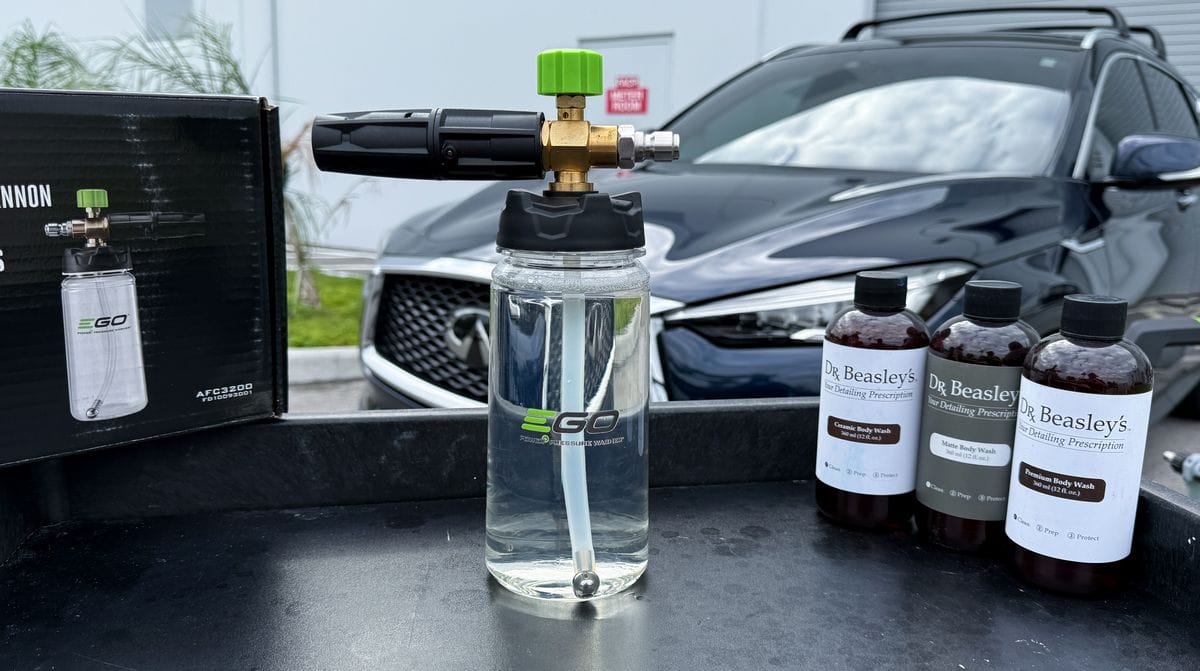
One common reason a foam cannon might not work well is the soap and mixture. The type of soap and how it is mixed affect foam quality. Poor soap choice or wrong dilution can cause weak foam or no foam at all.
Choosing The Right Soap
Not all soaps are made for foam cannons. Use soap labeled for foam or car washing. Soaps with strong detergents can harm the foam cannon. Avoid dish soaps or laundry detergents. They create little foam and can damage your equipment.
Look for pH-neutral soaps. These soaps clean well and protect your car’s paint. They also produce thick, lasting foam. Choose a soap that rinses off easily and leaves no residue.
Correct Dilution Ratios
Mixing soap with water is crucial. Too much soap can clog the foam cannon. Too little soap makes thin foam that disappears quickly. Follow the soap maker’s instructions carefully.
A typical mix is about one part soap to ten parts water. Check your foam cannon manual for exact ratios. Stir the mixture gently to avoid bubbles before spraying. The right mix helps create thick foam that sticks to the surface longer.
Credit: www.drbeasleys.com
Examine Foam Cannon Components
Checking the parts of your foam cannon can help find the problem quickly. Each part must work well for the foam cannon to spray thick foam. Small issues in one part can stop the foam from coming out.
Start by looking closely at all the components. Clean and fix anything that looks blocked or broken. This simple step can save time and improve your foam cannon’s performance.
Nozzle Blockages
The nozzle is where foam sprays out. Dirt or soap can block it easily. A blocked nozzle stops foam from coming out properly. Use a small pin or needle to clear the hole gently. Run water through it to make sure it flows well.
Hose And Connection Leaks
Leaks in hoses or connections reduce pressure. Low pressure means weak or no foam. Check all hoses for cracks or holes. Tighten the connections to stop leaks. Replace any damaged parts for best results.
Filter Cleaning
Filters catch dirt before it reaches the nozzle. Dirty filters stop water and soap from flowing freely. Remove the filter and rinse it with clean water. Clean filters help the foam cannon work smoothly and last longer.
Adjust Foam Cannon Settings
Adjusting the settings on your foam cannon is key to getting the best foam output. Small changes can make a big difference in how thick the foam is and how it sprays. Knowing how to control these settings helps solve many common problems.
Foam Thickness Control
Most foam cannons have a knob to control foam thickness. Turning this knob changes the mix of soap and water. More soap creates thicker foam. More water makes the foam thinner. Find a balance that covers your car well without wasting soap. Start with a middle setting, then adjust as needed.
Spray Pattern Adjustment
The spray pattern controls how wide or narrow the foam spreads. A narrow pattern shoots foam far but covers less area. A wide pattern covers more surface but sprays foam closer. Adjust the spray pattern to match your cleaning task. A wider spray works well for big surfaces. A narrow spray is good for tight spots.
Maintenance Tips
Maintaining your foam cannon is key to keeping it working well. Dirt, soap, and water can build up inside. This can block the nozzle and tubes, causing poor foam output. Cleaning and storing your foam cannon properly helps prevent these problems.
Regular Cleaning
After each use, rinse the foam cannon with clean water. Spray water through the nozzle to clear soap residue. Remove the nozzle and soak it in warm water if it looks clogged. Use a soft brush to clean small parts gently. Let all parts dry fully before putting them back together.
Storage Best Practices
Store your foam cannon in a dry place away from direct sunlight. Avoid leaving soap inside the bottle overnight. Empty and rinse the bottle after every use. Keep the foam cannon upright to stop water from leaking. Cover the nozzle to protect it from dust and dirt.

Credit: www.reddit.com
Frequently Asked Questions
Why Is My Foam Cannon Not Producing Foam?
Your foam cannon might not produce foam due to low pressure, incorrect soap mixture, or clogged nozzles. Check the water pressure and soap concentration. Clean the nozzle to ensure proper flow. Using the right detergent designed for foam cannons also improves foam quality.
How Do I Fix Low Foam Output On My Cannon?
Low foam output often results from diluted soap or insufficient water pressure. Adjust the soap ratio according to the manufacturer’s instructions. Ensure your pressure washer delivers adequate PSI for foam generation. Also, verify that all connections are tight and free from leaks.
Can Hard Water Affect Foam Cannon Performance?
Yes, hard water can reduce foam quality by interfering with soap lathering. Minerals in hard water prevent soap from foaming properly. Using a water softener or filtered water helps improve foam consistency and protects your foam cannon from mineral buildup.
What Type Of Soap Works Best In A Foam Cannon?
Use a pH-neutral, pressure washer-compatible soap for the best foam. Avoid regular dish soaps, which can damage foam cannon seals. Specialized foam cannon detergents create thick, long-lasting foam and are safe for automotive finishes.
Conclusion
Troubles with your foam cannon often come from simple issues. Check your water pressure and soap mixture first. Make sure the nozzle is clean and not clogged. Tighten all connections to avoid leaks. Using the right soap matters a lot.
Small fixes can bring big results. Keep these tips in mind for better foam every time. Now, your foam cannon should work as expected. Enjoy a cleaner car with less effort.


