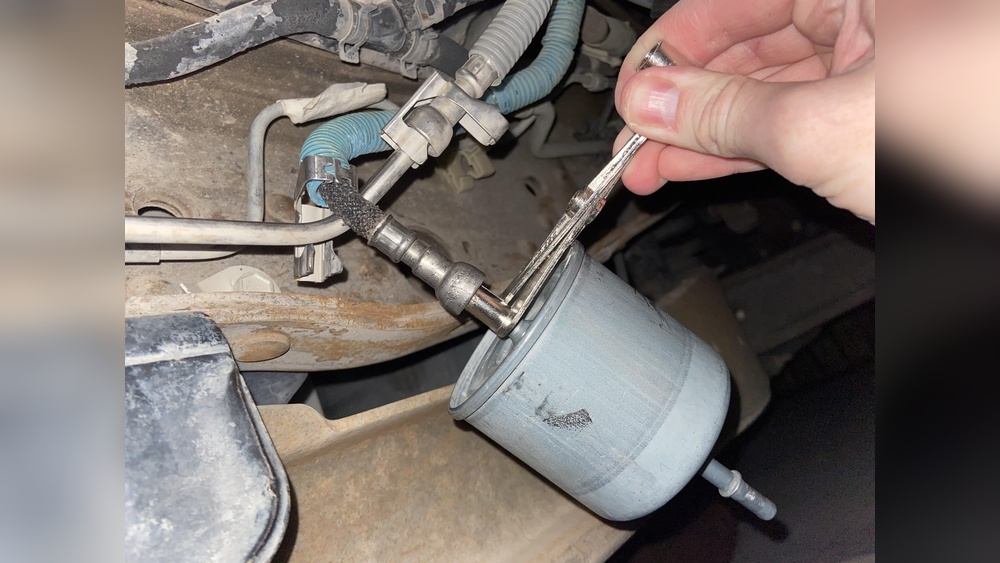
Is your vehicle acting up, losing power, or stalling unexpectedly? The culprit might be a clogged fuel filter.
If you want to keep your engine running smoothly and avoid costly repairs, learning how to clear a clogged fuel filter is a skill you can’t afford to miss. In this guide, you’ll discover simple, step-by-step methods to tackle this common problem yourself—saving time, money, and frustration.
Ready to get your fuel system back on track? Let’s dive in.
Signs Of A Clogged Fuel Filter
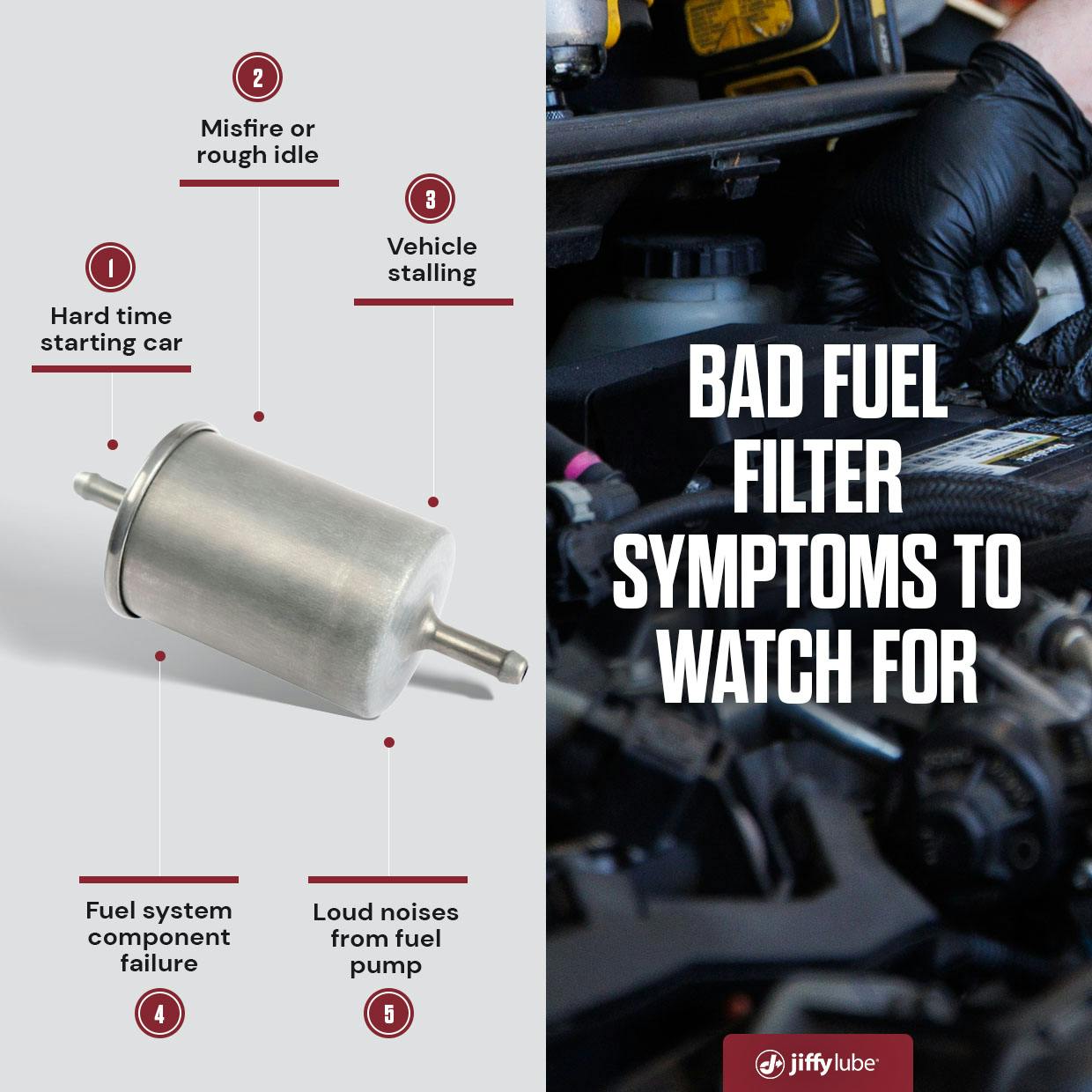
A clogged fuel filter can cause several problems in your vehicle. It stops fuel from flowing properly to the engine. Recognizing the signs early can help you fix the issue before it worsens. Below are common signs that show your fuel filter may be clogged.
Engine Performance Issues
The engine might run rough or hesitate during acceleration. You may notice a loss of power while driving. The car could sputter or stall unexpectedly. These issues happen because the engine is not getting enough fuel.
Fuel Efficiency Drops
Your car may use more fuel than usual. A clogged fuel filter makes the engine work harder. This causes poor fuel economy and more trips to the gas station. Watch for sudden drops in miles per gallon.
Starting Problems
The engine might take longer to start or fail to start. A clogged filter restricts fuel flow to the engine. This leads to weak or no ignition. Frequent starting problems often point to fuel filter issues.
Tools And Materials Needed
Clearing a clogged fuel filter requires the right tools and materials. Using proper items ensures a smooth and safe process. Gathering everything before starting saves time and avoids frustration. Below are the essential tools and materials for this task.
Basic Hand Tools
You need simple hand tools for removing and installing the fuel filter. A set of wrenches or socket tools helps loosen bolts. Pliers assist in removing fuel lines safely. Screwdrivers might be required to open clamps or covers. Keep these tools handy for easy access.
Replacement Fuel Filter
Always have a new fuel filter ready before starting. Choose the correct filter for your vehicle model. Using the right filter improves fuel flow and engine performance. Old filters cannot be cleaned effectively, so replacement is best. Store the new filter in a clean, dry place until use.
Safety Gear
Safety is important when working on fuel systems. Wear safety gloves to protect your hands from fuel and sharp parts. Eye protection prevents fuel splashes from causing injury. Use a fire-resistant cloth or mat to catch any fuel spills. Proper safety gear keeps you safe during the job.
Preparing Your Vehicle
Preparing your vehicle before clearing a clogged fuel filter is important for safety and ease. Taking the right steps helps avoid accidents and damage. This part shows how to get your vehicle ready.
Park Safely And Cool Down
Find a flat, open area to park your vehicle. Turn off the engine and remove the keys. Let the engine cool down for at least 30 minutes. Hot engine parts can cause burns. Cooling down reduces the risk of fire when working with fuel.
Relieve Fuel System Pressure
Fuel systems hold pressure that must be released. This step prevents fuel spray when opening the fuel filter. Locate the fuel pump fuse or relay in the fuse box. Remove the fuse or relay to stop the fuel pump. Start the engine and let it run until it stops. This uses up the fuel in the lines and lowers pressure. Turn off the ignition and reconnect the fuse or relay. Now you can safely work on the fuel filter.
Credit: www.jiffylube.com
Locating The Fuel Filter
Finding the fuel filter is the first step to clearing a clog. Knowing its exact spot helps you work faster and safer. Fuel filters vary by car model and type. Some sit in the engine bay, others under the car. Let’s explore how to find your fuel filter easily.
Check Vehicle Manual
Your vehicle manual holds key details about the fuel filter location. It often shows diagrams and parts names. Search the index for “fuel filter” or “fuel system.” Manuals provide clear, accurate info for your model. This saves time and avoids guesswork. Always follow the manual’s safety advice before starting.
Common Filter Locations
Many fuel filters hide in typical spots. The engine bay near the firewall is a common place. Some filters attach along the fuel line under the car. Others sit inside the fuel tank, accessible only by removing parts. Look around the frame rails or near the fuel pump. Use a flashlight for better view in dark areas.
Removing The Old Fuel Filter
Removing the old fuel filter is an important step in clearing a clogged filter. It allows you to replace it with a clean one. This process needs care and attention to avoid fuel leaks and damage. Follow the steps carefully to remove the filter safely and easily.
Disconnecting Fuel Lines
Start by locating the fuel filter in your vehicle. It is usually found along the fuel line, near the engine or fuel tank. Use the correct tools to loosen the clamps or connectors holding the fuel lines to the filter. Gently pull the fuel lines away from the filter. Be ready for some fuel to leak out. Do not force the lines as this can cause damage. Keep the lines clean and avoid dirt entering the fuel system.
Handling Fuel Spills
Fuel spills can happen during this process. Use a small container or rag to catch any leaking fuel. Keep a fire extinguisher nearby for safety. Clean up spills immediately with absorbent materials like rags or special pads. Avoid touching fuel with bare skin. Work in a well-ventilated area to prevent inhaling fumes. Proper handling of spills protects you and your vehicle.
Cleaning Vs. Replacing The Filter
Deciding whether to clean or replace a clogged fuel filter can affect your vehicle’s performance. Both options have their place depending on the filter’s condition and your vehicle’s needs. Understanding when cleaning works and the benefits of replacement helps you make the right choice. This section breaks down these two approaches for better fuel flow and engine health.
When Cleaning Works
Cleaning a fuel filter works if the clog is minor and the filter is in good shape. Dirt and small debris can often be washed away with a proper cleaning solution. This process can restore fuel flow and extend the filter’s life. Cleaning saves money and time compared to a full replacement. It suits vehicles with filters that have been used for a short time. Avoid cleaning if the filter material looks damaged or worn out.
Benefits Of Replacement
Replacing the fuel filter ensures complete removal of blockages. It also eliminates the risk of leftover dirt harming the engine. New filters improve fuel efficiency and engine performance. Replacement is safer for older filters or those with heavy contamination. It prevents future clogs and reduces engine wear. Regular replacement follows vehicle manufacturer recommendations for best results. This approach guarantees cleaner fuel and smoother driving.
Installing The New Fuel Filter
Installing the new fuel filter is a key step in fixing fuel flow problems. It helps keep dirt and debris out of the engine. Proper installation avoids leaks and ensures good fuel pressure. Take your time to position and secure the filter right.
Correct Orientation
Fuel filters have a specific direction for fuel flow. Look for an arrow on the filter body. This arrow shows the direction from the fuel tank to the engine. Install the filter with the arrow pointing toward the engine. Wrong direction can block fuel and cause engine issues. Check twice before attaching the filter in place.
Securing The Filter
Use clamps or brackets to hold the filter firmly. Tighten clamps just enough to stop any movement. Avoid over-tightening to prevent damage to the filter or fuel lines. Make sure fuel lines fit snugly on the filter’s inlet and outlet. Double-check connections for leaks before starting the engine. A secure filter keeps fuel flowing smoothly and safely.
Testing After Installation
Testing after installing a new fuel filter is very important. It ensures the filter works well and the engine runs smoothly. This step helps catch problems early. It saves time and prevents damage to the car.
Checking For Leaks
Start by inspecting all fuel connections carefully. Look for wet spots or fuel smells near the filter. Tighten any loose fittings. Leaks can cause poor engine performance and safety risks. Use a clean cloth to wipe around the filter. Watch closely while the engine runs. Stop immediately if you see fuel dripping.
Engine Performance Test
Next, start the engine and let it idle. Listen for any unusual sounds or stalling. Drive the car slowly to test acceleration and power. A smooth, steady engine means the filter is clear. Check if the car responds well to gas pedal presses. Poor performance may mean the filter needs rechecking or replacing again.
Maintenance Tips To Prevent Clogs
Keeping your fuel filter clean helps your engine run smoothly. Clogged fuel filters reduce fuel flow. This causes poor engine performance and can damage parts.
Regular maintenance can prevent clogging. Simple habits protect your fuel filter and engine. Here are two important tips to follow.
Using Quality Fuel
Always choose clean and fresh fuel. Low-quality fuel contains dirt and water. These contaminants block the filter quickly.
Buy fuel from trusted stations only. Avoid filling up from unknown or dirty tanks. Clean fuel extends the life of your filter.
Regular Filter Inspection
Check your fuel filter often. Look for signs of dirt, rust, or damage. Replace the filter if it looks dirty or worn.
Set a schedule to inspect the filter. Follow your vehicle’s manual for replacement times. Early checks help avoid costly repairs later.
Credit: www.spacecenterautomotive.com

Credit: www.agcoauto.com
Frequently Asked Questions
What Are The Signs Of A Clogged Fuel Filter?
A clogged fuel filter causes engine hesitation, reduced power, and stalling. You might hear sputtering or notice poor acceleration. Fuel efficiency also drops. Recognizing these signs early helps prevent engine damage and costly repairs.
How Often Should I Replace My Fuel Filter?
Replace your fuel filter every 20,000 to 40,000 miles. Check your vehicle’s manual for specific intervals. Regular replacement ensures smooth fuel flow and optimal engine performance. Ignoring this can lead to clogging and engine issues.
Can I Clean A Clogged Fuel Filter Instead Of Replacing It?
Cleaning a clogged fuel filter is generally not recommended. Most fuel filters are disposable and designed for replacement. Cleaning might not fully remove debris and can cause engine damage. Replacing the filter ensures proper fuel flow and engine health.
What Tools Do I Need To Clear A Clogged Fuel Filter?
You need a wrench, screwdrivers, a container for fuel, and safety gloves. Ensure the vehicle is off and cooled down before starting. Proper tools and safety measures prevent accidents and facilitate a smooth fuel filter replacement.
Conclusion
Clearing a clogged fuel filter keeps your engine running smoothly. Regular checks help avoid costly repairs down the road. Clean filters improve fuel flow and save money. Remember, safety first—work in a well-ventilated area. Simple steps make this task easier than you think.
Stay patient and follow the guide carefully. Your vehicle will thank you with better performance. Taking care of small issues prevents big problems later. Keep your car healthy and enjoy a smoother ride.