

Are you tired of your foam cannon spraying watery suds instead of thick, rich foam? You’re not alone.
Getting your foam cannon to produce that perfect, dense foam can make a huge difference in how well your car gets cleaned and how much fun you have doing it. You’ll discover simple, proven tips to turn your foam cannon from a disappointing sprayer into a powerful foam machine.
Ready to see your foam cannon work like it should? Let’s dive in and get your gear foaming just right.
Credit: www.walmart.com
Choosing The Right Foam Cannon
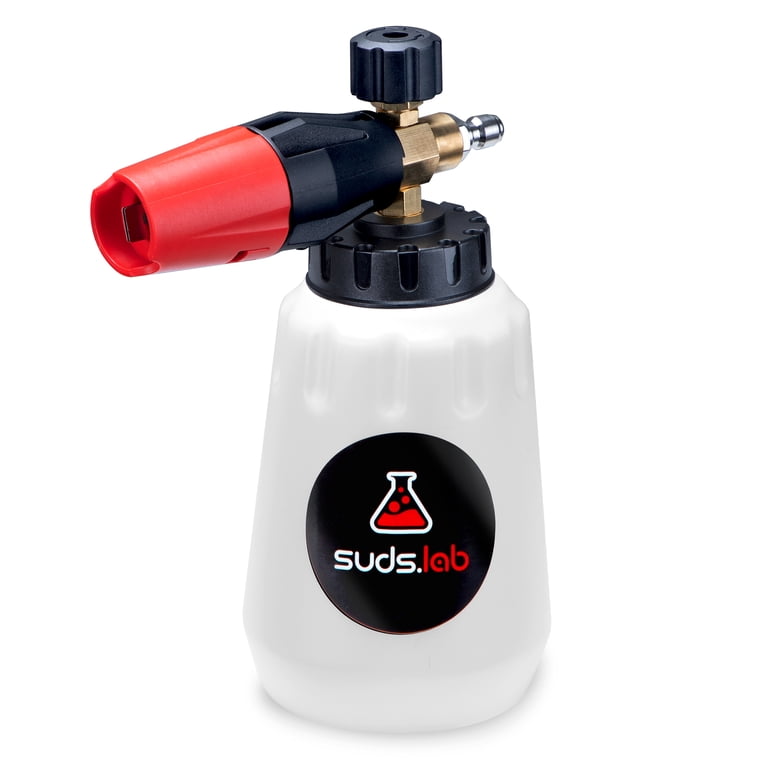
Choosing the right foam cannon is key for creating thick foam and not just suds. The right tool makes washing cars easier and more fun. It saves soap and water while giving better cleaning results. Focus on three main things: types, materials, and nozzle design. These affect how well the foam cannon works.
Types Of Foam Cannons
Foam cannons come in two main types: electric and pressure washer models. Electric foam cannons plug into a power source and use a pump to spray foam. They work well for light cleaning. Pressure washer foam cannons attach to a pressure washer machine. They use high water pressure to create thick foam. Choose a type that matches your cleaning needs and equipment.
Materials And Build Quality
Good materials mean a longer-lasting foam cannon. Look for cannons made with strong plastic or metal parts. Brass fittings resist rust and leaks better than plastic ones. A sturdy container holds soap without cracking. Quality build prevents air leaks, which cause suds instead of foam. A durable foam cannon performs better and lasts longer.
Nozzle And Spray Patterns
The nozzle controls foam thickness and spray shape. Adjustable nozzles let you change spray from narrow to wide. A wider spray covers more area with foam quickly. Narrow sprays focus foam for tough spots. Some foam cannons have multiple spray patterns. Pick one with easy adjustment for better foam control.
Selecting The Best Soap For Foam
Selecting the best soap for foam is key to getting thick, rich foam from your foam cannon. The right soap helps create dense foam that sticks to your car’s surface. It also keeps suds from disappearing too fast. Choosing soap with the right properties is essential for a great car wash experience.
Foaming Vs. Sudsing Soaps
Foaming soaps create thick bubbles that last longer on surfaces. Sudsing soaps produce many small bubbles that quickly pop. For foam cannons, foaming soaps work best. They hold their shape and cover well. Sudsing soaps can cause too many tiny bubbles, making foam weak and short-lived.
Ph Levels And Ingredients
Soap pH affects both foam quality and paint safety. Neutral or slightly acidic soaps protect your car’s finish. Strong alkaline soaps can damage paint and strip wax. Look for soaps with gentle, car-safe ingredients. Avoid harsh chemicals or strong detergents that harm paint or clear coat.
Concentration And Dilution Tips
Proper soap concentration helps create thick foam. Use the recommended soap-to-water ratio on the label. Too little soap means weak foam. Too much soap can cause suds and waste product. Start with the suggested dilution, then adjust for your foam cannon’s pressure and nozzle size. Test small changes to find the best mix.
Adjusting Pressure Washer Settings
Adjusting your pressure washer settings is key to making your foam cannon work properly. The right pressure and flow create thick foam instead of suds. Small changes in settings can affect foam quality a lot.
Optimal Psi And Gpm
PSI means pounds per square inch and measures pressure. GPM means gallons per minute and shows water flow. Foam cannons work best with 1200 to 2000 PSI. The GPM should be around 1.5 to 2.0 for good foam.
Too much pressure can break the foam, while too little pressure makes weak foam. Match your pressure washer’s PSI and GPM to your foam cannon’s needs for the best results.
Water Temperature Effects
Cold water helps make thicker foam. Hot water can break down soap and reduce foam. Most foam cannons perform well with water under 100°F (38°C). Avoid using very hot water to keep the foam dense and long-lasting.
Check your pressure washer’s water temperature. Use cold or lukewarm water for better foam.
Nozzle Compatibility
Choose the right nozzle for your foam cannon. A 40-degree nozzle is common and works well with foam cannons. It provides the correct spray angle and pressure.
Using a nozzle with too narrow or wide an angle can affect foam quality. Ensure your nozzle matches your pressure washer and foam cannon for smooth foam production.
Mixing Foam Solution Correctly
Mixing the foam solution correctly is key to getting thick foam from your foam cannon. The right mix helps the soap create rich foam instead of just suds. It also ensures the foam clings well to your car’s surface. Poor mixing can cause weak foam or too many bubbles that fall quickly.
Focus on the soap-to-water ratio, avoid watering down the solution too much, and try using warm water. These steps improve the foam quality and make washing easier and more effective.
Proper Soap-to-water Ratio
Use the soap recommended by your foam cannon’s manufacturer. Mix it with water in the right amount. Usually, a ratio of 1 part soap to 10 parts water works well. Too much soap can cause thick suds but weak foam. Too little soap means thin foam that breaks fast. Check your soap’s label for exact mixing instructions.
Avoiding Over-dilution
Don’t add too much water to the soap. Over-dilution makes the foam thin and watery. Thin foam does not stick well on surfaces. It also washes away quickly. Stick to the recommended dilution ratio for best results. Use a measuring cup or bottle for accuracy.
Using Warm Water For Better Foam
Warm water helps the soap mix better with water. It creates more foam and bigger bubbles. Cold water slows down the soap’s action and reduces foam quality. Use water that feels warm to the touch, not hot. Hot water can damage some soaps and the foam cannon parts.
Techniques For Maximizing Foam
Getting thick foam from your foam cannon needs more than just soap and water. You must use the right methods to make the foam dense and long-lasting. These techniques help the foam stick well and clean better without turning into suds.
Focus on how you spray, how many layers you apply, and how you clean your tools. These steps improve foam quality and make washing easier.
Spray Angle And Distance
Hold the foam cannon at a 45-degree angle to the surface. This angle helps the foam spread evenly without slipping off. Keep the nozzle about 12 to 18 inches away from the car or object. Too close, and the foam might run off. Too far, and the foam will break up before it lands.
Spray slowly and steadily. A smooth, even spray helps the foam build up and stay thick. Avoid fast or jerky movements to keep foam from turning into suds.
Layering Foam Applications
Apply foam in thin layers rather than one thick layer. Let each layer sit for about 2 to 3 minutes. This waiting time allows the foam to cling and trap dirt. Then add another layer to increase thickness and cleaning power.
Repeat layering until you get the foam thickness you want. This method keeps the foam stable and stops it from breaking down quickly into suds.
Cleaning After Use
Rinse your foam cannon with clean water after each use. Soap left inside can cause clogs and reduce foam quality next time. Use warm water to flush out all soap residue.
Dry the foam cannon before storing it. Moisture inside can lead to mold or damage. Proper cleaning keeps your foam cannon working well for a long time.

Credit: www.mckillans.com
Common Mistakes That Cause Suds
Many people face the problem of getting suds instead of foam from their foam cannon. This issue usually happens because of common mistakes. These errors stop the foam cannon from working as it should. Understanding these mistakes helps fix the problem fast.
Here are some common mistakes that cause suds instead of foam.
Using Dish Soap Or Incompatible Detergents
Dish soap creates too many bubbles, not thick foam. It is too harsh for foam cannons. Use only car wash soap made for foam cannons. Incompatible detergents do not mix well with water pressure. This stops the foam from forming properly.
Incorrect Pressure Settings
Pressure settings that are too high or too low cause suds. Too high pressure breaks foam bubbles quickly. Too low pressure does not mix soap and water well. Find the right balance for your foam cannon. Check your pressure washer manual for guidance.
Poor Maintenance And Clogging
Dirt and soap buildup can clog the foam cannon nozzle. A clogged nozzle changes spray pattern and causes suds. Clean the nozzle regularly with warm water. Check hoses and fittings for blockages. Good maintenance keeps foam thick and lasting longer.
Maintenance Tips For Foam Cannons
Keeping your foam cannon in good shape helps it produce thick foam, not just suds. Regular care improves its performance and lifespan. Simple maintenance steps prevent clogs and wear.
Cleaning Nozzles And Hoses
Rinse nozzles and hoses with clean water after every use. This removes soap residue that can block spray holes. Use a soft brush to clear dirt gently. Avoid harsh tools that might damage the parts. Clean parts ensure smooth foam flow and strong spray.
Storing Foam Cannons Properly
Store the foam cannon in a dry place. Keep it away from direct sunlight and extreme temperatures. Drain all water and soap before storing. This stops mold and rust from forming. Proper storage keeps seals tight and parts ready for use.
Replacing Worn Parts
Check the foam cannon regularly for worn parts like seals and nozzles. Replace any parts that look cracked or damaged. Using worn parts reduces foam quality and may cause leaks. New parts keep the foam thick and the cannon working well.
Credit: www.youtube.com
Frequently Asked Questions
How Do I Make My Foam Cannon Produce Thick Foam?
Use the right soap-to-water ratio and high-quality car wash soap. Adjust the foam cannon’s nozzle for better air and soap mix.
Why Is My Foam Cannon Producing Suds Instead Of Foam?
Suds happen when soap concentration is too high or the mix is unbalanced. Dilute the soap and check water pressure.
Can Water Pressure Affect Foam Cannon Foam Quality?
Yes, water pressure directly impacts foam thickness. Optimal pressure ensures proper soap mixing for dense foam.
What Soap Types Work Best With Foam Cannons?
Use pH-neutral, high-foaming car wash soaps designed for foam cannons. Avoid dish detergents as they create suds.
Conclusion
Getting your foam cannon to produce thick foam, not just suds, takes care. Use the right soap designed for foam cannons. Check your water pressure and adjust the foam cannon settings. Clean the nozzle regularly to avoid blockages. Mix soap and water in the right ratio for better foam.
Test different soaps to find what works best for you. With patience and small tweaks, you can enjoy rich foam every time. This makes washing easier and more fun. Keep practicing, and you will see great results soon.


