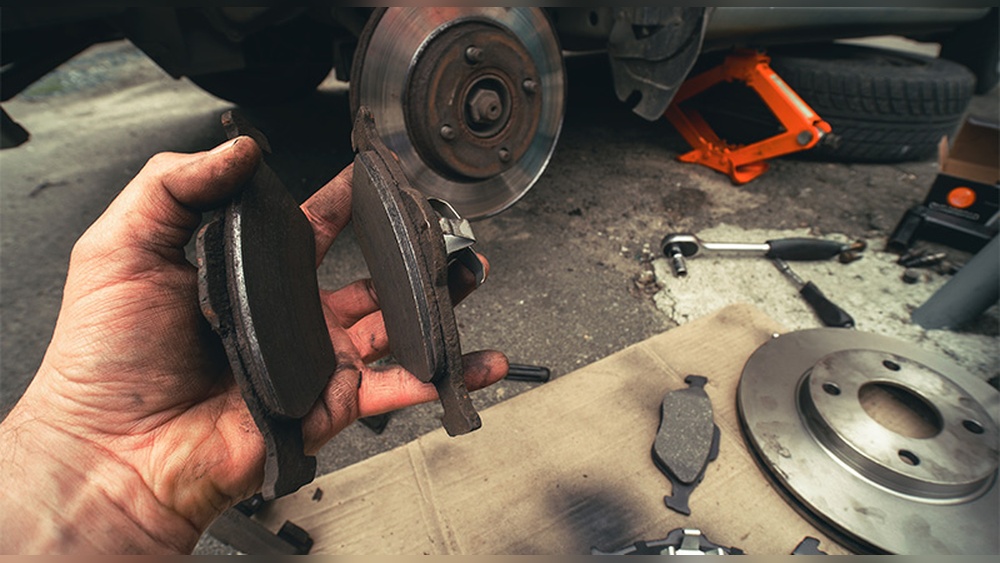
If you’ve ever noticed a rough sound or vibration when braking, rust on your brake rotors might be the culprit. Rust can reduce the performance of your brakes and even cause costly damage if left unchecked.
But don’t worry—keeping rust off your brake rotors is easier than you think. You’ll discover simple, practical tips to protect your rotors and keep your brakes working smoothly. By the end, you’ll know exactly how to prevent rust and ensure your safety every time you hit the road.
Keep reading—your brakes will thank you!
Causes Of Rust On Brake Rotors
Rust on brake rotors forms from several common causes. Understanding these helps prevent damage and maintain safety. Brake rotors are metal parts exposed to the environment. This exposure makes them vulnerable to rust. Knowing what triggers rust allows for better care and timely action.
Moisture And Humidity Effects
Water is the main reason rust appears on brake rotors. Moisture from rain or dew settles on the metal surface. High humidity levels keep the rotors wet longer. This creates perfect conditions for rust to develop quickly. Even a short time in damp air can start corrosion.
Impact Of Road Salt And Debris
Road salt speeds up the rusting process. Salt breaks down the metal’s protective layer. It causes rust to form faster and spread widely. Dirt and small stones also scratch the rotor surface. These scratches let water reach deeper metal layers. Salt and debris together worsen rotor corrosion.
Role Of Vehicle Usage Patterns
How often you drive affects rotor rust. Cars left unused for many days gather moisture on rotors. This moisture stays longer and causes rust. Frequent driving helps keep rotors dry by heat from brakes. Short trips may not heat rotors enough to stop rust buildup.
Signs Of Rust On Brake Rotors
Rust on brake rotors can cause serious problems. It affects how your brakes work and can lead to unsafe driving. Spotting rust early helps keep your brakes in good shape. Below are common signs that show rust on your brake rotors.
Visual Rust Indicators
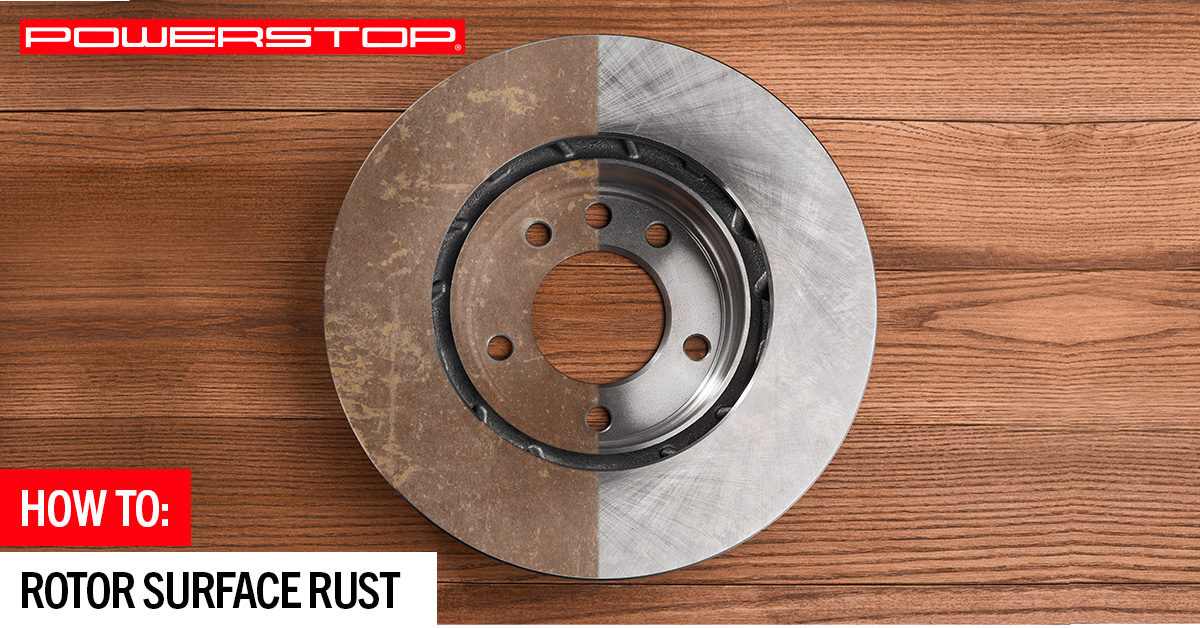
Rust on brake rotors often looks like orange or brown patches. You may see rough or flaky spots on the rotor’s surface. Sometimes, rust forms a thin layer that looks like dust. This is most visible after your car sits unused for a few days. Clean rotors usually have a smooth, shiny surface.
Brake Performance Issues
Rust can reduce braking power. You might notice your car takes longer to stop. The brake pedal may feel less firm or respond slowly. Rust causes uneven wear on the rotors, leading to poor brake performance. This makes driving less safe, especially in emergencies.
Noise And Vibration Symptoms
Rusty rotors often cause strange sounds. You may hear squeaking or grinding noises when braking. Vibrations in the brake pedal or steering wheel can also happen. These vibrations usually appear when rust creates an uneven surface. Ignoring these signs can damage your brake system further.
Preventive Maintenance Tips
Preventive maintenance helps keep brake rotors free from rust. It saves money and improves safety. Small steps can protect your brakes and extend their life. Follow these simple tips to avoid rust buildup on brake rotors.
Regular Cleaning Techniques
Clean brake rotors regularly to remove dirt and moisture. Use a soft brush or cloth to wipe the surface gently. Avoid harsh chemicals that can damage the rotors. Rinse with water and dry completely to stop rust from forming. Regular cleaning keeps rotors smooth and rust-free.
Proper Driving Habits
Drive regularly to prevent rust buildup on brake rotors. Short trips can leave moisture on rotors, causing rust. Longer drives heat the brakes and dry off moisture quickly. Avoid parking for long times in wet or humid areas. Good driving habits keep brake rotors dry and clean.
Use Of Protective Coatings
Apply protective coatings to brake rotors to block moisture and rust. Use brake-specific sprays or anti-rust treatments. Follow product instructions carefully for best results. Protective coatings create a shield against water and air. This simple step helps maintain rotor condition longer.
Credit: www.powerstop.com
Best Products To Protect Rotors
Protecting brake rotors from rust extends their life and keeps your car safe. Using the right products can stop rust before it forms. These products create a barrier against moisture and dirt. Choose items made for brake parts to avoid damage.
Anti-rust Sprays And Coatings
Anti-rust sprays create a thin layer on rotor surfaces. This layer blocks water and air from causing rust. Use sprays designed for brake components only. Some sprays dry quickly and do not attract dust. Regular use after cleaning helps maintain protection.
Brake Rotor Shields
Brake rotor shields cover the rotors partially. They stop dirt, water, and salt from reaching the rotors. Shields fit around the wheel area and are easy to install. They work well in wet or salty environments. Shields reduce rust risk without affecting brake performance.
Recommended Cleaning Agents
Cleaning rotors removes dirt and surface rust. Use gentle cleaners made for brake parts. Avoid harsh chemicals that can damage rotors. Brake cleaner sprays are effective and safe. Clean rotors before applying any protective product for best results.
When To Replace Brake Rotors
Knowing when to replace brake rotors is key to safe driving. Rust on rotors can cause problems, but not all rust means replacement. Some rust can be cleaned off, while other types need immediate attention.
Understanding the signs of rotor wear helps keep your car safe. Regular checks can catch issues early. This saves money and avoids bigger repairs later.
Assessing Rust Severity
Light surface rust appears after a car sits unused. This rust often disappears after driving. Deep, pitted rust weakens the rotor. It creates rough braking and noise. If rust flakes or peels, replacement is needed.
Signs Of Rotor Damage
Look for grooves or scoring on the rotor surface. Warped rotors cause vibration when braking. A burning smell during stops can mean rotor damage. Thin rotors lose strength and must be replaced. Uneven wear reduces braking efficiency.
Professional Inspection Guidelines
A mechanic measures rotor thickness to check safety. They inspect for cracks and warping. Professionals use tools to detect hidden damage. Experts recommend replacement if rotors are below minimum thickness. Regular inspections prevent brake failure.

Credit: www.youtube.com
Credit: www.reddit.com
Frequently Asked Questions
How Can I Prevent Rust On Brake Rotors?
Regularly driving your car helps keep brake rotors dry and rust-free. Clean rotors with brake cleaner and avoid moisture buildup. Applying a thin protective coating can also slow rust formation.
Does Frequent Braking Cause Rotor Rust?
Frequent braking actually helps remove surface rust by friction. However, excessive moisture combined with inactivity leads to rust buildup. Balance regular use with proper maintenance to prevent rust.
What Cleaning Methods Remove Rust From Brake Rotors?
Use brake cleaner spray and a wire brush to gently remove rust. Avoid harsh abrasives that damage rotors. Always clean rotors when rust appears to maintain braking efficiency.
Is Rust On Brake Rotors Dangerous?
Light surface rust is common and usually harmless, disappearing after driving. Heavy rust can reduce braking performance and cause noise. Inspect rotors regularly and replace if rust is excessive.
Conclusion
Keeping rust off brake rotors helps your car stay safe and work well. Clean rotors dry after driving in wet weather. Use anti-rust sprays or coatings when needed. Regular driving also helps stop rust buildup. Check your brakes often to catch problems early.
Small steps make a big difference over time. Protect your brake rotors to avoid costly repairs. Simple care keeps your brakes smooth and quiet. Rust-free rotors mean safer stops and longer part life. Take care today for safer drives tomorrow.