

Your steering wheel is one of the most important parts of your car, and protecting it can make a big difference in your driving experience. If you want to give your car a stylish look and a comfortable grip, a leather steering wheel cover is a perfect choice.
But how do you put one on correctly without any hassle or mistakes? In this guide, you’ll discover simple, step-by-step instructions to install a leather steering wheel cover like a pro. By the end, you’ll know exactly how to transform your steering wheel into something that looks great and feels even better every time you drive.
Keep reading—you won’t want to miss these easy tips!
Materials Needed
Gathering the right materials is the first step to making a leather steering wheel cover. Having the correct items saves time and makes the process smooth. Each material plays an important role in ensuring a good fit and finish.
Choosing The Right Leather
Select soft, durable leather for comfort and long life. Cowhide leather is common and strong. Look for leather with a smooth surface and good thickness. Thin leather may tear, while thick leather may be hard to sew. Pick leather that matches your car’s interior color.
Essential Tools
You need basic tools to cut, sew, and fit the leather. Sharp scissors or a rotary cutter work best for clean cuts. Use a strong needle designed for leather sewing. Heavy-duty thread keeps the stitches tight and secure. A seam ripper helps fix mistakes without damage.
Additional Supplies
Other supplies improve the cover’s look and fit. Leather glue helps hold pieces before sewing. Clips or clamps keep leather in place while working. Measuring tape ensures accurate size and fit. Sandpaper smooths rough leather edges. A marker or chalk helps mark cutting lines clearly.
Preparing The Steering Wheel
Preparing the steering wheel is the first step to a smooth leather cover installation. A clean and well-measured wheel helps the cover fit perfectly. It prevents slipping and extends the cover’s life.
Cleaning The Surface
Start by wiping the steering wheel with a damp cloth. Remove all dirt, dust, and oils from your hands. Use mild soap or a cleaning spray if needed. Dry the wheel completely with a clean towel. A clean surface helps the leather stick better and last longer.
Measuring The Wheel
Use a tape measure to find the wheel’s diameter. Wrap the tape around the steering wheel’s outer edge. Note the measurement in inches or centimeters. Check the wheel’s thickness too. These measurements ensure you buy the right cover size. A perfect fit looks good and feels safe to hold.
Cutting The Leather
Cutting the leather is a crucial step in making a steering wheel cover. This step shapes the leather to fit perfectly around the wheel. Careful cutting ensures a smooth fit and a neat look. Accuracy matters to avoid waste and extra work.
Creating A Template
Start by making a paper template of the steering wheel. Wrap paper around the wheel’s circumference. Mark the length and width needed for the cover. Cut the paper to match the wheel’s size. Use this template to trace the leather shape. This guide helps cut the leather evenly and correctly.
Cutting Techniques
Use sharp scissors or a rotary cutter for clean edges. Cut slowly along the traced lines on the leather. Avoid jagged or uneven cuts that can spoil the cover. Keep the leather flat and steady while cutting. Trim extra leather only after trying the fit on the wheel. This prevents cutting too much at once.
Sewing The Cover
Sewing the leather steering wheel cover is a key step to ensure it fits snugly and looks great. A well-stitched cover feels comfortable and lasts longer. This section guides you through choosing stitches and sewing techniques for a neat finish.
Selecting The Stitch Type
Choose a stitch that holds the leather firmly. The saddle stitch is strong and common for leatherwork. It uses two needles and creates a tight, durable seam. Another option is the running stitch, which is simpler but less durable. Pick stitches that match your skill and tools.
Hand Stitching Tips
Hand stitching gives control over tight curves of the wheel. Use thick, waxed thread for better grip and durability. Keep stitches even and tight for a clean look. Use a stitching pony or clamp to hold leather steady. Take breaks to avoid hand fatigue.
Using A Sewing Machine
A heavy-duty sewing machine speeds up the process. Use a leather needle and strong polyester thread. Adjust stitch length to medium for secure seams. Guide the leather slowly to avoid skipped stitches. Practice on scrap leather before sewing the cover.
Fitting The Cover
Fitting the leather steering wheel cover is a key step. It ensures a snug, comfortable grip and protects your wheel. The process is simple, but it needs care. Follow these steps for the best fit and look.
Aligning The Cover
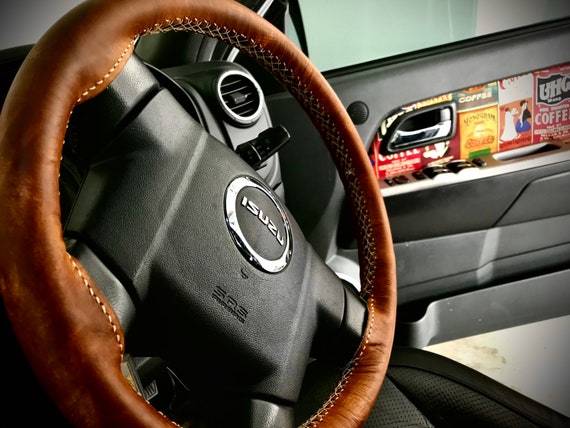
Start by placing the cover over the top of the steering wheel. Make sure the seams match the wheel’s shape. Align any logos or patterns so they sit straight. This helps the cover look neat and fit well.
Check the cover’s edges around the wheel. They should line up evenly on both sides. Adjust the cover gently to avoid wrinkles. Proper alignment prevents slipping while driving.
Securing The Fit
Next, pull the cover down firmly over the wheel. Work your way around, stretching the leather gently. The material should hug the wheel tightly without gaps.
Use your hands to smooth out any folds. Keep pulling until the cover fits snugly all around. A secure fit improves comfort and steering control.
Credit: www.etsy.com
Finishing Touches
Finishing touches make your leather steering wheel cover look neat and last longer. They ensure a perfect fit and smooth feel. Take your time to complete these steps carefully. Your steering wheel will feel comfortable and look great for years.
Trimming Excess Leather
After wrapping the cover, check for extra leather edges. Use sharp scissors to cut small excess pieces. Cut close but leave a little margin to avoid damage. Smooth edges prevent fraying and keep the cover tight.
Trim slowly and carefully. Uneven cuts can cause lumps or loose spots. Make sure the cover fits snugly with no wrinkles or folds. A clean edge gives a professional finish.
Conditioning The Cover
Leather can dry out and crack without care. Apply a leather conditioner to keep it soft and strong. Use a soft cloth to spread conditioner evenly over the surface.
Let the conditioner soak in for a few minutes. Buff gently to remove extra product. Conditioning protects the leather from sun and sweat damage. It also keeps the cover looking new and fresh.
Maintenance Tips
Taking care of your leather steering wheel cover helps keep it looking new. Regular maintenance protects the leather from damage. It also extends the cover’s life. Follow simple steps to clean and protect your cover easily.
Cleaning The Leather
Use a soft cloth to dust the leather often. For deeper cleaning, use a mild soap mixed with water. Dip the cloth in the solution and wring it out well. Gently wipe the leather surface without soaking it. Avoid using harsh chemicals or too much water. Let the cover air dry naturally away from sunlight.
Preventing Wear And Tear
Keep your hands clean before driving. Dirt and oils can damage leather over time. Avoid sharp objects that can scratch the cover. Park your car in shaded areas to protect leather from sun damage. Use a leather conditioner every few months to keep it soft. Regular care helps the cover stay smooth and strong.
Credit: www.fhgroupauto.com
Credit: www.autozone.com
Frequently Asked Questions
How Do I Install A Leather Steering Wheel Cover?
To install, first clean your steering wheel thoroughly. Align the cover evenly, then stretch it over the wheel. Use a stitching kit or adhesive if required for a snug fit.
What Tools Are Needed For Leather Steering Wheel Cover Installation?
You need a leather cover, stitching kit or adhesive, and scissors. Optionally, use a steering wheel holder for easier handling during installation.
Can I Customize My Leather Steering Wheel Cover?
Yes, you can customize by choosing leather color, stitching style, and size. Personalized covers enhance aesthetics and improve grip and comfort.
How Long Does It Take To Install A Leather Cover?
Installation typically takes 30 to 60 minutes. Time varies depending on cover type and your experience with stitching or adhesives.
Conclusion
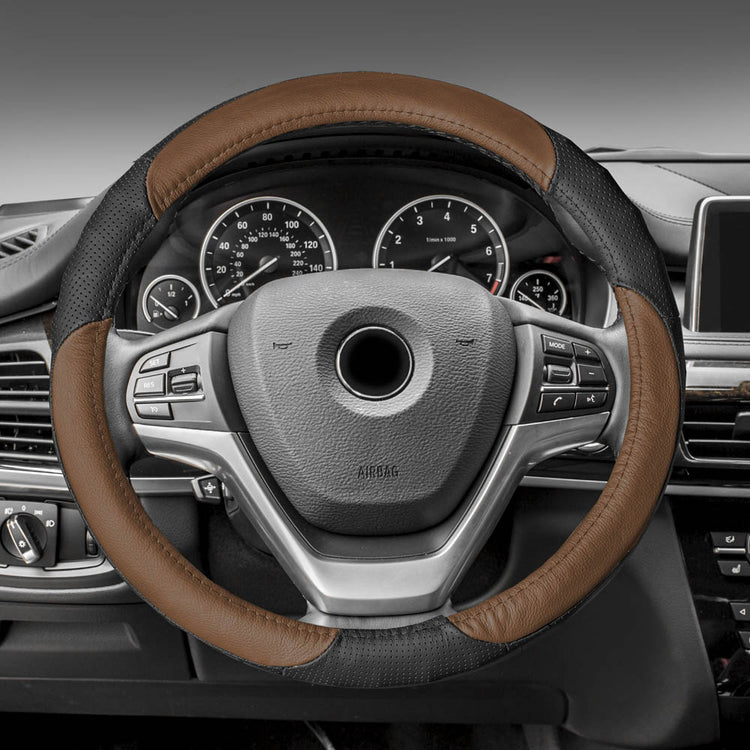
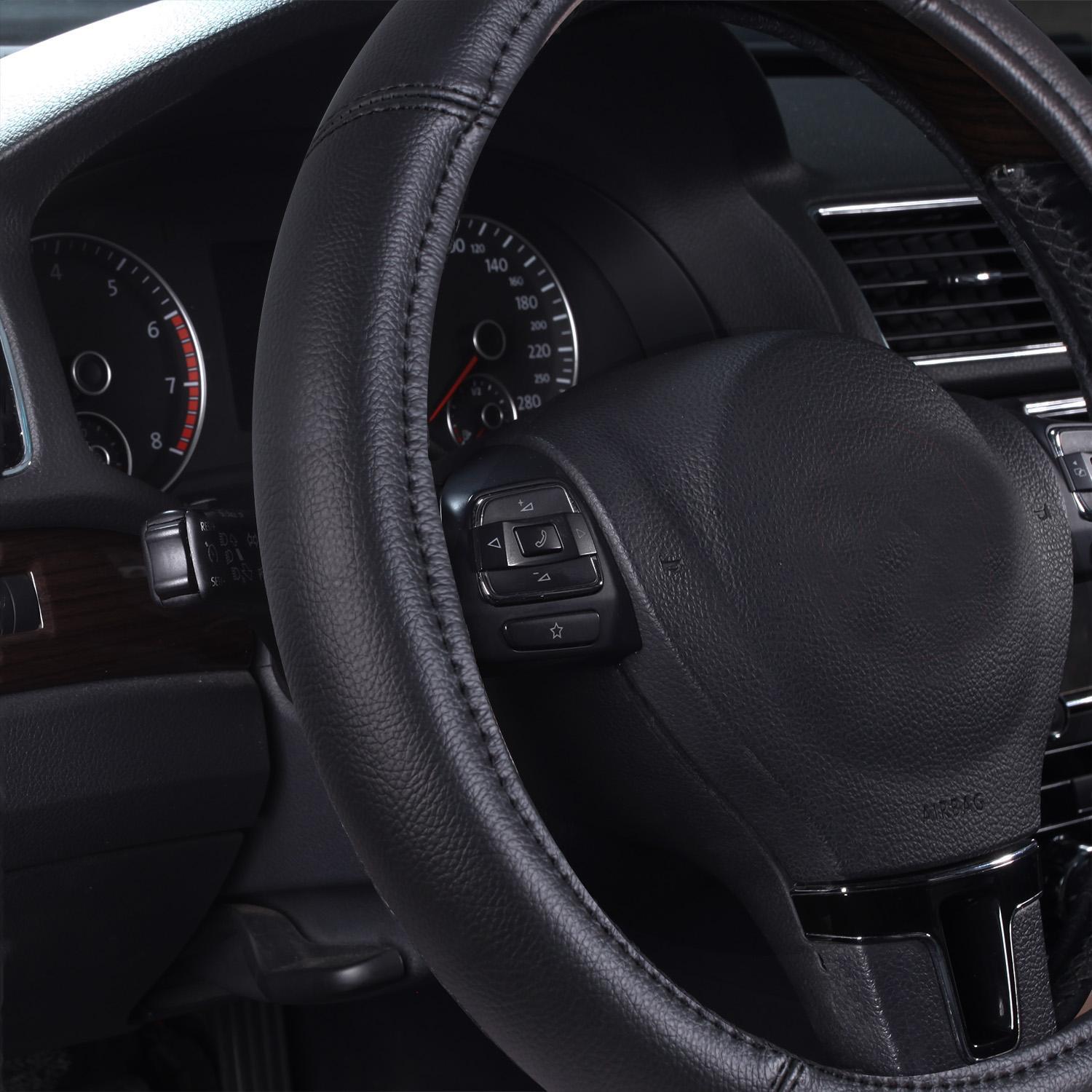
A leather steering wheel cover adds comfort and style to your drive. It protects your wheel from wear and tear. Installing it takes just a few simple steps. You will enjoy a better grip and a softer touch. Choose the right size and material for best results.
Regular care helps keep the leather looking new. Take your time and follow the instructions carefully. Your steering wheel will look great and feel comfortable. This small change can improve your driving experience every day.
