When was the last time you checked your brake pads and rotors? Knowing how long it takes to change them can save you time, money, and even keep you safe on the road.
If you’ve ever wondered, “How long will this repair take? ” you’re not alone. This guide will give you clear answers and helpful tips, so you can plan your next visit to the mechanic with confidence. Keep reading to discover everything you need to know about changing brake pads and rotors quickly and efficiently.
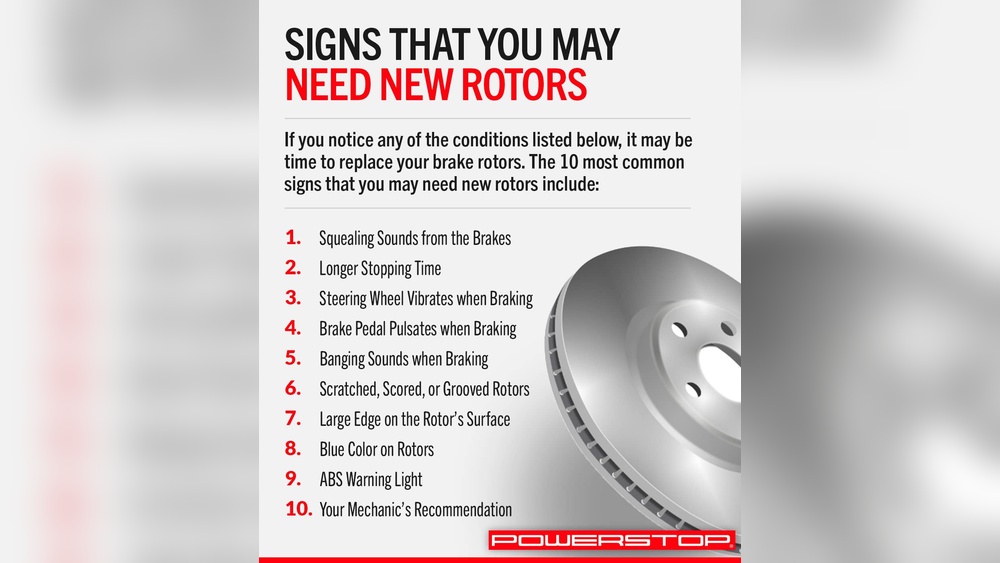
Signs You Need New Brake Pads And Rotors
Knowing the signs that your brake pads and rotors need changing helps keep your car safe. Worn brakes reduce stopping power and increase risk on the road. Early detection avoids costly repairs and keeps driving smooth.
Common Brake Wear Symptoms
Brake pads wear down with use and become thin. You may notice longer stopping distances. The brake pedal might feel soft or sink lower than usual. Sometimes, the car pulls to one side when braking. These are clear signs that brake parts need attention.
Noise And Vibration Alerts
Squealing or screeching noises come from worn brake pads. Grinding sounds mean the pads are completely worn out. Vibrations or shaking in the steering wheel or brake pedal happen when rotors are warped. These noises and feelings warn you to replace brake parts soon.
Visual Inspection Tips
Check the brake pads through the wheel spokes. Pads thinner than 1/4 inch need changing. Look for grooves or cracks on the rotors’ surface. Rust or discoloration also means damage. Visual checks help catch problems early before they get worse.

Credit: www.youtube.com
Factors Affecting Replacement Time
The time needed to change brake pads and rotors varies widely. Several factors influence how long the job takes. Understanding these factors helps set realistic expectations for the repair process.
Each car is different. The condition of the brake parts also matters. The tools used can speed up or slow down the work. These elements combine to affect the total replacement time.
Vehicle Make And Model
Different cars have different brake systems. Some models have easy-to-access brake parts. Others have complex setups requiring more time. Luxury or sports cars often take longer to service. Familiarity with the vehicle helps speed up the job.
Condition Of Brake Components
Old or damaged parts may take longer to remove. Rust or corrosion can make brake rotors hard to detach. Worn pads might come off quickly, but stuck parts slow the process. Inspecting parts before starting helps estimate the time needed.
Tools And Equipment Used
Using the right tools makes a big difference. Power tools reduce the effort and time required. Basic hand tools may extend the job duration. Specialized equipment can simplify removing stuck components. Proper tools lead to faster, safer brake replacement.
Average Time To Change Brake Pads
Changing brake pads is a common car maintenance task. Knowing the average time needed helps plan your day. The time depends on skill, tools, and vehicle type. Some can do it quickly at home, while others prefer a mechanic. Understanding typical time frames can guide your decision.
Diy Replacement Time Estimates
For beginners, changing brake pads takes about 1 to 2 hours. Experienced DIYers can finish in 30 to 45 minutes. Having the right tools speeds up the process. Safety checks and cleaning add extra minutes. Taking time ensures the job is done correctly.
Professional Mechanic Timeframes
Mechanics usually take 30 to 60 minutes to change brake pads. They work faster due to experience and proper tools. Some shops include a free inspection during the service. Quick and efficient work often means less wait for you. Scheduling an appointment helps avoid delays.
.jpg)
Credit: www.cbac.com
Average Time To Change Rotors
Changing rotors is a key part of brake maintenance. Knowing the average time helps plan your visit to the mechanic. Most jobs take between one and two hours. This depends on the vehicle type and the skill of the technician. Simple cars might take less time. Larger vehicles or those with complex parts may take longer.
Rotor Removal Challenges
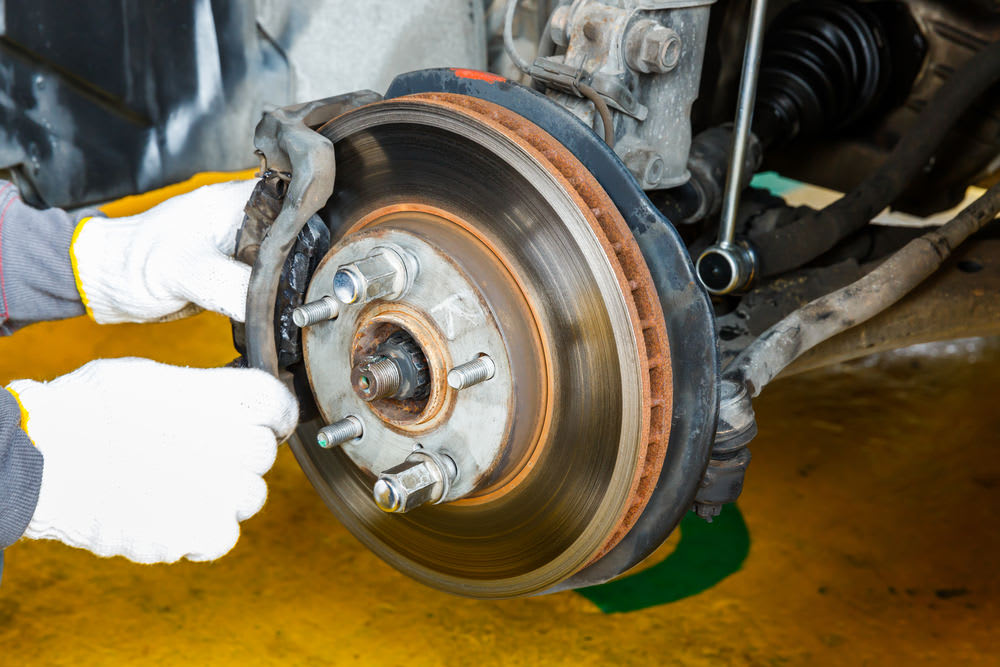
Removing old rotors is not always easy. Rust and dirt can stick the rotor to the hub. This makes removal slow and tough. Sometimes, extra tools or heat are needed. Some cars have small bolts holding the rotor. These bolts can be hard to reach or loosen. Patience is key during this step to avoid damage.
Installation Process Duration
Installing new rotors usually goes faster than removal. Cleaning the hub surface is important before fitting the new rotor. Aligning the rotor correctly takes a few minutes. After the rotor is in place, new brake pads go on. Tightening bolts to the right torque is crucial. Testing the brakes at the end ensures safety. Overall, installation takes about 30 to 45 minutes.
Step-by-step Replacement Process
Changing brake pads and rotors is key to safe driving. The process needs care and the right steps. Follow this guide to replace them properly. It makes the job easier and safer.
Preparing Your Vehicle
Park on a flat surface. Use the parking brake. Loosen lug nuts on the wheel. Lift the vehicle with a jack. Secure it with jack stands. Remove the wheel to access brakes.
Removing Old Pads And Rotors
Locate the brake caliper. Remove the caliper bolts carefully. Slide the caliper off the rotor. Use a wire or hanger to hang it. Do not let it hang by the brake line. Remove old brake pads from the caliper bracket. Take off the rotor by pulling it straight off. Clean the hub surface to remove rust.
Installing New Components
Place the new rotor on the hub. Reinstall the caliper bracket and tighten bolts. Insert new brake pads into the bracket. Compress the caliper piston with a tool. Slide the caliper over the pads and rotor. Tighten caliper bolts securely. Put the wheel back on and hand-tighten lug nuts.
Testing Brakes After Replacement
Lower the vehicle carefully. Tighten lug nuts fully with a wrench. Pump the brake pedal a few times. Check for firm brake pressure. Test drive slowly in a safe area. Listen for unusual noises. Feel if brakes respond well. Stop and check again if needed.
Tips To Speed Up Brake Replacement
Changing brake pads and rotors can take time. Small steps can make the process faster and easier. Prepare well before starting. Use helpful tips to save time and avoid mistakes.
Speeding up brake replacement means less hassle and quicker results. Organize your workspace, get help, and use the right tools.
Organizing Tools And Parts
Gather all tools and parts before you begin. Keep everything within reach on a clean surface. This stops you from searching during the job. Label small parts to avoid confusion. Check tools for damage or wear. Well-prepared tools help you work smoothly and fast.
Having An Extra Set Of Hands
Ask a friend or family member for help. One person can hold parts while the other works. Two people can finish tasks quicker than one. Help also makes it safer, especially lifting heavy parts. Clear communication keeps work organized and fast.
Using Proper Equipment
Use the right tools for each step. A good jack and stands keep the car stable. Quality wrenches and sockets fit bolts well. Avoid using old or broken tools. Proper equipment reduces effort and speeds up work. It also protects parts from damage.
Costs And When To Seek Professional Help
Replacing brake pads and rotors involves costs and knowing when to get expert help. Understanding expenses helps you plan your budget well. Recognizing signs of trouble can keep you safe on the road.
Cost Breakdown For Parts And Labor
Brake pads usually cost between $30 and $70 per axle. Rotors can range from $40 to $100 each. Labor charges vary by location but often run from $80 to $150 per hour. Full replacement often takes 1 to 2 hours. Budget $150 to $300 for pads and rotors together. Costs rise with high-performance or specialty parts. Always ask for a detailed estimate before service.
Knowing Your Limits
Changing brake pads is possible for many car owners. Rotors need more skill and special tools. Lack of experience can lead to unsafe brakes. Strange noises or vibrations call for expert checks. Avoid risks with your safety and others’. Professional mechanics spot hidden issues fast. Choose help if unsure about the job. Proper brake work extends vehicle life and safety.
Credit: www.yourmechanic.com
Frequently Asked Questions
How Long Does It Take To Change Brake Pads?
Changing brake pads usually takes 30 to 60 minutes. Time depends on the vehicle type and mechanic’s experience. Proper tools and techniques ensure safety and efficiency during the process.
When Should Brake Rotors Be Replaced?
Brake rotors should be replaced if they are warped, scored, or thinner than the manufacturer’s minimum thickness. Signs include vibrations or noise during braking. Regular inspections help determine the right time for replacement.
Can I Change Brake Pads And Rotors At Home?
Yes, changing brake pads and rotors at home is possible with basic tools and knowledge. However, proper safety measures and following vehicle-specific instructions are essential. Inexperienced individuals should consider professional help.
How Often Should Brake Pads And Rotors Be Checked?
Brake pads and rotors should be checked every 10,000 to 15,000 miles. Regular inspections prevent brake failure and maintain vehicle safety. Always consult your vehicle’s manual for specific recommendations.
Conclusion
Changing brake pads and rotors usually takes about one to two hours. Regular checks help keep your brakes safe and working well. Worn brake parts can cause noise and poor stopping. Timely replacement prevents bigger problems and saves money. Trust your instincts if brakes feel different or noisy.
Simple care keeps your vehicle ready and safe on the road. Stay alert and maintain your brakes often for best results.