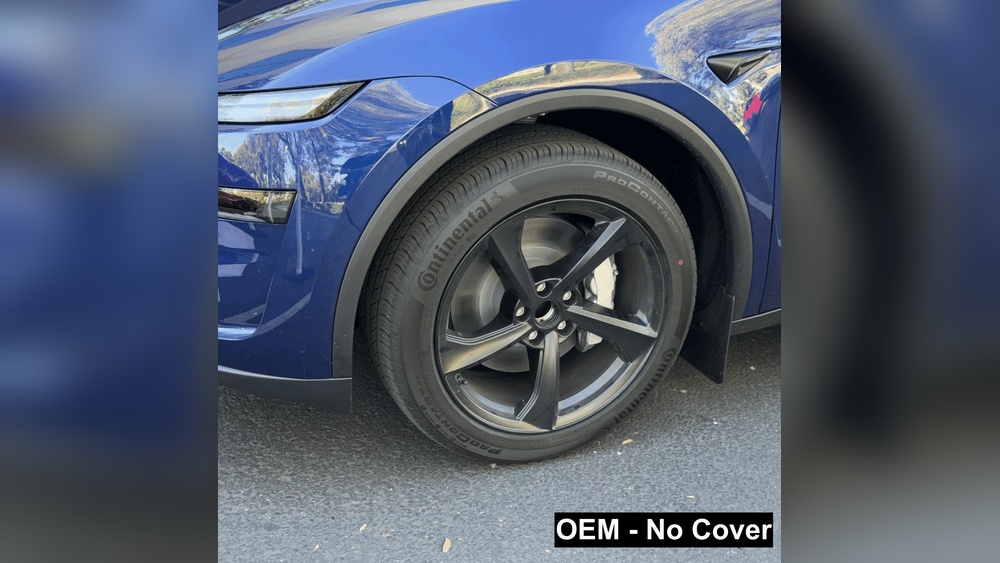
Are you struggling to get your vinyl wrap to stick just right? You’re not alone.
Vinyl wraps can transform your car, laptop, or even furniture—but only if they stay firmly in place. If your wrap bubbles, peels, or lifts, it can be frustrating and waste your time and money. Luckily, there are simple tricks you can use to make your vinyl wrap stick better and last longer.
Keep reading, and you’ll learn easy steps that can turn your project from a headache into a smooth, professional finish.

Credit: www.walmart.com
Surface Preparation
Preparing the surface is the first and most important step for vinyl wrap to stick well. A clean, smooth surface helps the wrap hold tight and last longer. Dirt, grease, or rough spots can cause bubbles or peeling later.
Spend time on surface prep to get the best results. This section explains easy ways to prepare your surface.
Cleaning Techniques
Start by washing the surface with soap and water. Use a soft cloth or sponge to remove dirt. Rinse with clean water and dry completely with a microfiber towel. Avoid using harsh chemicals that can damage the paint. A clean surface helps the adhesive stick better.
Removing Contaminants
After cleaning, remove oils, wax, or grease. Use a mixture of isopropyl alcohol and water on a clean cloth. Wipe the surface gently but thoroughly. This step removes invisible residues that block adhesion. Let the surface air dry before applying the vinyl wrap.
Sanding And Smoothing
Check for rough spots, scratches, or peeling paint. Lightly sand these areas with fine-grit sandpaper. Sanding smooths the surface and removes loose material. Clean the dust off with a damp cloth afterward. A smooth surface helps the vinyl wrap lay flat and stick evenly.
Choosing The Right Vinyl
Choosing the right vinyl is key to making your wrap stick better. Not all vinyl wraps perform the same. Picking the best one helps with durability and ease of use. Understanding the types, adhesive quality, and thickness will guide your choice.
Types Of Vinyl Wraps
There are several vinyl types available. Cast vinyl is flexible and lasts longer. It molds well on curves and corners. Calendered vinyl is cheaper but less flexible. It suits flat surfaces and short-term use. Choose cast vinyl for a strong, lasting wrap.
Adhesive Quality
The adhesive layer keeps the vinyl in place. High-quality adhesives stick firmly without damaging paint. Some adhesives allow repositioning during installation. Look for vinyl with strong, clean adhesive. This reduces bubbles and peeling over time.
Thickness And Flexibility
Thicker vinyl tends to be more durable. It resists scratches and holds color longer. Flexible vinyl wraps better around complex shapes. Thin vinyl may tear or wrinkle easily. Balance thickness and flexibility for a smooth, long-lasting finish.
Optimal Temperature And Environment
Getting the right temperature and environment is key for vinyl wrap to stick well. The surface and vinyl need to be at a proper temperature for the adhesive to bond. The environment also plays a big role in how well the wrap will hold.
Ideal Application Temperature
Apply vinyl wrap when the temperature is between 60°F and 80°F. If it is too cold, the adhesive may not activate properly. Too hot, and the vinyl can stretch or bubble. Keep the surface warm but not hot. This helps the wrap stick smoothly and stay longer.
Humidity Considerations
Humidity affects how the adhesive works on vinyl. High humidity can cause moisture to get under the wrap. This leads to bubbles and poor adhesion. Low humidity is better because it keeps the surface dry. Try to work in a place with 40% to 60% humidity for best results.
Indoor Vs Outdoor Settings
Indoor settings give more control over temperature and humidity. They reduce dust and wind that can ruin the wrap. Outdoor settings are harder to control but can work if conditions are right. Avoid windy or wet days. Choose calm, dry weather for outdoor applications.

Credit: www.amazon.com
Proper Application Methods
Proper application methods help vinyl wrap stick better and last longer. Following the right steps ensures a smooth, strong finish. This section explains key techniques to apply vinyl wrap correctly.
Using Heat Guns
Heat guns soften the vinyl, making it easier to stretch and shape. Warm the vinyl gently before applying. Move the heat gun evenly to avoid damage. Heat helps the adhesive bond firmly to the surface.
Applying Pressure Evenly
Press the vinyl firmly with a squeegee or cloth. Apply pressure evenly from the center outwards. This removes air pockets and helps the vinyl stick well. Uneven pressure can cause peeling or bubbles later.
Avoiding Air Bubbles And Wrinkles
Start applying the vinyl slowly to control placement. Use a squeegee to push out air bubbles immediately. Stretch the vinyl lightly to smooth wrinkles. Small bubbles can be pierced and pressed flat carefully.
Post-application Care
After applying vinyl wrap, taking care of it is key. Proper care helps the wrap stick well and last longer. This section covers easy steps for post-application care.
Curing Time
Allow the vinyl wrap to cure for at least 24 to 48 hours. During this time, avoid washing or touching the wrapped surface. The adhesive needs time to set and bond firmly. Patience here ensures better durability and adhesion.
Cleaning Wrapped Surfaces
Clean the wrapped area gently using a soft cloth and mild soap. Avoid harsh chemicals or abrasive materials that can damage the vinyl. Use water at a moderate temperature, not too hot or cold. Regular cleaning keeps the wrap looking fresh and protects the adhesive.
Preventing Peeling And Lifting
Keep the vinyl away from sharp objects and rough surfaces. Avoid parking under direct sunlight for long periods to reduce heat damage. Fix small bubbles or edges quickly to stop peeling. Proper handling and care help maintain a smooth, strong wrap.
Troubleshooting Adhesion Issues
Vinyl wrap adhesion can sometimes be tricky. Poor sticking causes frustration and wasted time. Troubleshooting these issues helps you get a smooth, lasting finish.
Understanding common problems and their fixes lets you handle issues quickly. Small fixes often restore the wrap’s grip. Knowing when to start fresh saves effort and ensures good results.
Common Problems
Dust and dirt on the surface reduce stickiness. Moisture or oil also block adhesion. Cold temperatures make the wrap less flexible. Uneven surfaces cause bubbles and gaps. Old or poor-quality vinyl may not stick well.
Fixing Lifted Edges
Lifted edges need quick attention to prevent peeling. Clean the area gently with rubbing alcohol. Warm the vinyl with a heat gun or hairdryer. Press the edge firmly using a squeegee or cloth. Repeat heating and pressing until the edge sticks well.
When To Reapply
Reapply vinyl if large sections peel or wrinkle. If cleaning and heating do not fix the problem, remove and start again. Use fresh adhesive or new vinyl for better results. Reapplication ensures a neat, long-lasting wrap.
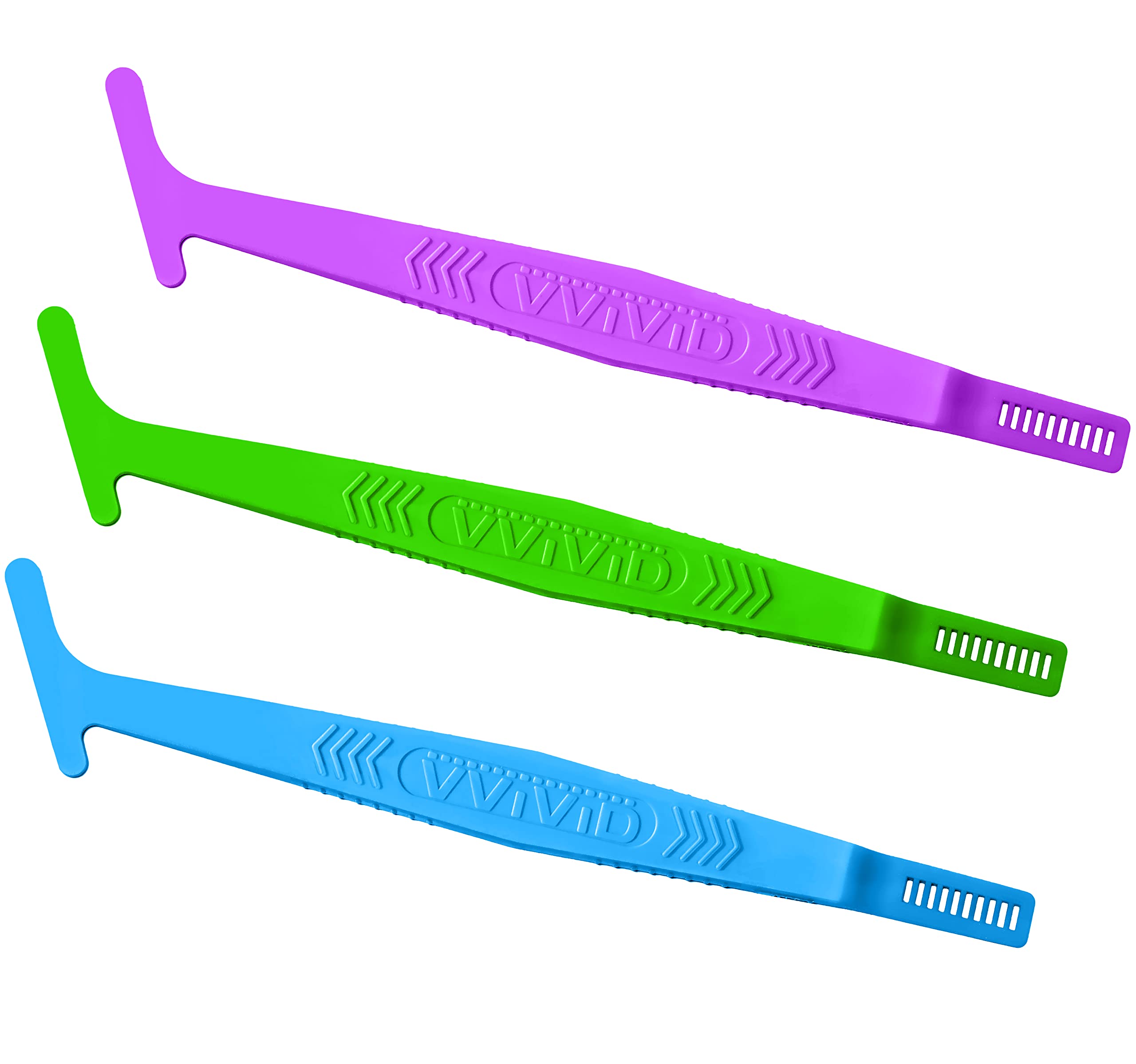
Credit: vvividshop.com
Frequently Asked Questions
How Do I Prepare The Surface For Vinyl Wrap?
Clean the surface thoroughly with soap and water, then use isopropyl alcohol. Remove all dirt, grease, and wax for better adhesion. Ensure the surface is dry before applying the vinyl wrap to prevent bubbles and lifting.
What Temperature Is Best For Applying Vinyl Wrap?
Apply vinyl wrap between 60°F and 80°F (15°C to 27°C). Avoid extreme cold or heat, as it affects the adhesive’s performance. Proper temperature ensures the vinyl sticks smoothly and lasts longer.
Can I Use Heat To Improve Vinyl Wrap Adhesion?
Yes, gently heating the vinyl with a heat gun or hairdryer helps. It activates the adhesive and makes the vinyl more flexible for better sticking. Avoid overheating to prevent damage.
How Long Should I Press Vinyl Wrap After Application?
Press the vinyl firmly for at least 5 minutes after application. Use a squeegee or roller to remove air bubbles and ensure strong adhesion. This step improves vinyl durability and appearance.
Conclusion
Applying vinyl wrap properly takes patience and care. Clean surfaces hold the wrap best. Use heat to help the wrap stick tight. Press firmly to avoid bubbles or wrinkles. Small steps make a big difference. Your wrap will look smooth and last longer.
Keep tools and hands clean during the process. A good wrap shows attention to detail. Follow these tips for a strong, lasting finish. Your project will stand out with a neat vinyl wrap.