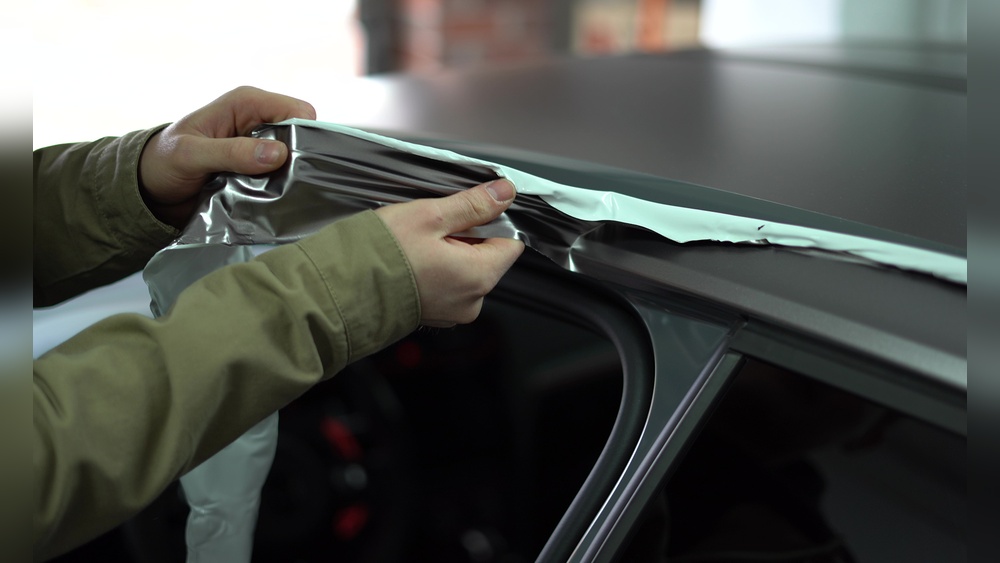
If you’ve ever tried to apply a vinyl wrap to plastic, you know it’s not always easy. The wrap might peel, bubble, or just refuse to stick properly.
But what if you could make your vinyl wrap cling perfectly every time? Imagine transforming your plastic surfaces with a smooth, flawless finish that lasts. In this guide, you’ll discover simple, effective steps to ensure your vinyl wrap sticks tight to plastic.
By the end, you’ll have the confidence and know-how to tackle any project and get professional-looking results. Ready to make your vinyl wrap work like a charm? Let’s dive in!
Choosing The Right Vinyl Wrap
Choosing the right vinyl wrap is important for a strong bond with plastic surfaces. The right type of vinyl affects how well it sticks and how long it lasts. Quality and flexibility matter. You need a wrap that fits your project’s needs and surface type.
Knowing the differences between vinyl wraps helps you pick the best one. Think about the surface texture, shape, and use of the item you want to wrap. This helps you avoid peeling and bubbling later.
Types Of Vinyl Wraps For Plastic
Cast vinyl is a popular choice for plastic. It is thin, flexible, and stretches well. It molds to curves and shapes easily. Calendered vinyl is thicker and less flexible. It works best on flat or simple surfaces. For plastics, cast vinyl usually offers better results.
Matte Vs Glossy Finishes
Matte wraps have a flat, non-shiny look. They hide fingerprints and scratches better. Glossy wraps shine and reflect light. They make colors look bright and bold. Choose matte for a subtle look. Pick glossy if you want a glossy, eye-catching finish.
Durability And Flexibility Factors
Durability means how long the wrap lasts without damage. Flexible vinyl handles curves and bends without cracking. Look for vinyl that resists UV rays and weather. Flexible and durable wraps stick better to plastic and stay smooth. This keeps your wrap looking fresh longer.
Credit: tri-edge.com
Preparing The Plastic Surface
Preparing the plastic surface is the first and most important step to make vinyl wrap stick well. A clean, smooth, and slightly rough surface helps the vinyl grip better. Without proper preparation, the vinyl can peel or bubble over time.
Take your time to prepare the plastic right. This saves effort and money later. Follow simple steps to clean and treat the plastic before applying the wrap.
Cleaning Techniques
Start by cleaning the plastic with soap and water. Use a soft cloth or sponge to remove dirt and dust. Rinse well to clear all soap. Dry the surface with a clean towel.
Use isopropyl alcohol on a cloth to wipe the plastic. This removes tiny particles soap may leave behind. Avoid harsh chemicals that can damage plastic.
Removing Oils And Residues
Oils and residues stop vinyl from sticking properly. Wipe the surface with a degreaser or rubbing alcohol. Change cloth sides often to avoid spreading oils.
Let the plastic air dry after cleaning. Avoid touching the area with bare hands. Skin oils can ruin the surface.
Sanding For Better Adhesion
Light sanding creates a rough texture for better grip. Use fine-grit sandpaper, like 600 or 800 grit. Sand gently in circular motions.
Do not sand too hard. Too much roughness can damage the plastic. After sanding, clean the surface again to remove dust.
Tools And Materials Needed
Preparing to apply vinyl wrap on plastic needs the right tools and materials. These help the wrap stick well and look smooth. Using the correct items saves time and avoids common problems like bubbling or peeling. Below are the key tools you need for a good vinyl wrap application.
Essential Application Tools
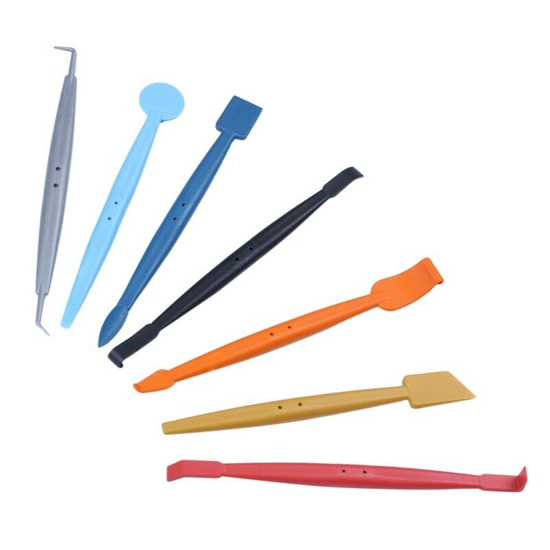
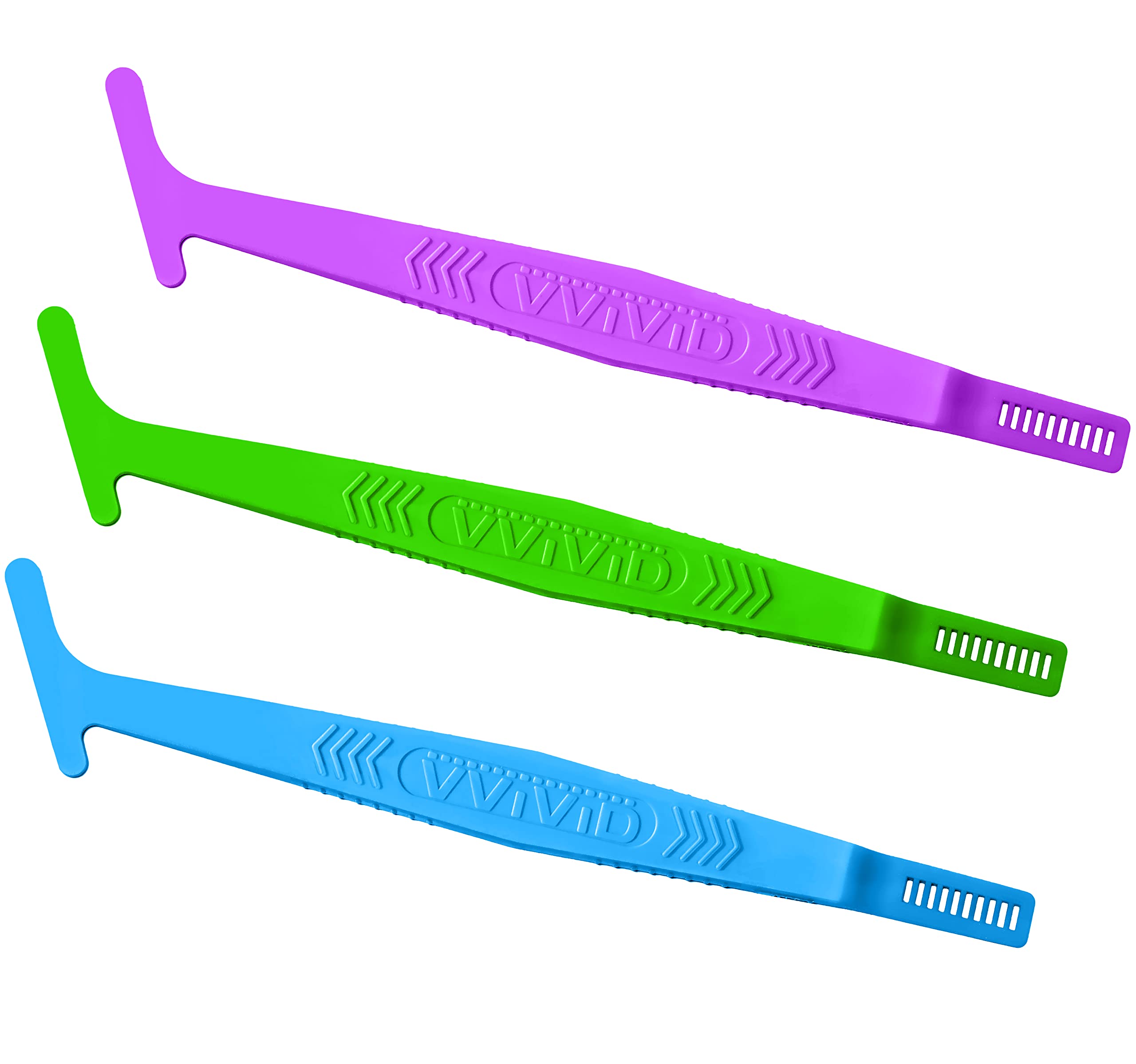
Start with a clean, dry surface. Use a microfiber cloth to wipe dust and dirt. A squeegee with a soft edge helps press the vinyl flat. It removes air bubbles and creases. A sharp utility knife cuts the vinyl to size. Gloves keep fingerprints off the vinyl. Tape helps hold vinyl in place before final pressing.
Heat Guns And Their Use
A heat gun warms the vinyl and plastic surface. Warm vinyl becomes flexible and easier to stretch. It helps the wrap hug curves and corners tightly. Heat also activates the adhesive for better stick. Move the heat gun slowly and evenly to avoid damage. Do not overheat plastic or vinyl to prevent warping.
Adhesion Promoters
Adhesion promoters improve vinyl’s stickiness on plastic. They create a better bond on tricky surfaces. Apply a thin, even layer on plastic before wrapping. Let it dry completely before placing the vinyl. Use promoters designed for vinyl wrap use only. This step reduces peeling and extends wrap life.

Credit: www.walmart.com
Applying The Vinyl Wrap
Applying vinyl wrap on plastic takes care and patience. The right steps ensure the wrap sticks well and looks smooth. Start with a clean surface and good lighting. This section explains how to place and smooth the vinyl wrap for the best result.
Positioning And Alignment
Place the vinyl wrap gently on the plastic surface. Check the fit before removing the backing. Align edges carefully to avoid uneven lines. Use magnets or tape to hold the wrap in place. Small adjustments now save time later.
Techniques For Smooth Application
Start applying the wrap from the center outward. Use a squeegee to push air bubbles out. Work slowly to avoid wrinkles and folds. Keep the squeegee flat and apply firm pressure. Heat the wrap lightly to help it stick better.
Handling Curves And Edges
Stretch the vinyl wrap gently over curves. Use a heat gun to soften the material. Press the wrap into edges with a squeegee or your fingers. Cut excess vinyl carefully with a sharp blade. Take time to avoid tearing or lifting.
Enhancing Adhesion On Plastic
Vinyl wrap does not stick well to plastic by itself. Plastic surfaces are smooth and sometimes have oils. These make it hard for the vinyl’s glue to hold tightly. Enhancing adhesion on plastic is key to a long-lasting wrap. This means preparing the surface and using tools that help the vinyl stick better.
Small steps can make a big difference in the wrap’s durability. Cleaning, priming, and applying the right techniques will improve the bond. Below are simple ways to enhance adhesion on plastic.
Using Adhesion Promoters Effectively
Adhesion promoters help glue stick to hard plastics. They create a rough surface for the vinyl to grip. Apply a thin layer of promoter on the plastic before wrapping. Let it dry for a few minutes. Avoid using too much; a thin coat works best. This step is important for plastics like polypropylene or polyethylene. Promoters improve the wrap’s hold and reduce peeling.
Heat Application Tips
Heat softens both plastic and vinyl for better bonding. Use a heat gun on low to medium heat. Keep the heat moving to avoid melting the plastic. Warm the surface evenly before and after applying the vinyl. Heat helps the adhesive flow and stick into small grooves. Do not overheat, or the vinyl may stretch too much or warp.
Pressure And Stretch Methods
Pressing the vinyl firmly helps it stick well. Use a squeegee or soft cloth to apply even pressure. Work from the center out to push out air bubbles. Stretch the vinyl slightly to fit curves and edges. Do not pull too hard, as this can cause tears. Strong pressure makes the adhesive bond tight and smooth on plastic.
Common Challenges And Fixes
Applying vinyl wrap to plastic surfaces often comes with some common problems. These challenges can make the wrap look uneven or cause it to peel off. Knowing how to fix these issues helps keep the wrap smooth and long-lasting. Below are typical problems and simple fixes for a perfect finish.
Bubbles And Wrinkles
Bubbles appear when air gets trapped under the vinyl. Wrinkles happen if the wrap folds or stretches too much. Use a heat gun to warm the vinyl slightly. This makes it more flexible and easier to smooth out. Use a squeegee to push bubbles and wrinkles toward the edges. For small bubbles, prick with a pin and press down the air.
Peeling And Lifting Issues
Peeling happens if the surface is dirty or oily. Always clean the plastic with soap and water before applying the wrap. Use isopropyl alcohol to remove any leftover grease. Press the vinyl firmly to stick it well. Heat the edges with a heat gun to activate the glue. This helps the wrap stay stuck and stops lifting.
Repairing Damaged Wraps
Small cuts or tears can ruin the look of your wrap. Trim any loose edges around the damage. Use a vinyl repair kit to patch the area. Clean the damaged spot before applying the patch. Press the patch firmly and heat it to bond well. For bigger damage, consider replacing the section of the wrap.
Maintaining The Vinyl Wrap
Maintaining a vinyl wrap on plastic surfaces keeps it looking fresh and lasting longer. Proper care protects the wrap from damage and fading. Simple steps extend the life of your vinyl wrap and keep it vibrant.
Cleaning Without Damage
Use a soft cloth or sponge with mild soap and water. Avoid harsh chemicals or abrasive tools that can scratch the wrap. Rinse with clean water and dry gently with a microfiber towel. Clean regularly to prevent dirt build-up.
Protecting Against Uv And Weather
Keep the wrap out of direct sunlight when possible. UV rays cause fading and peeling over time. Use a vinyl-safe UV protectant spray to shield the surface. Cover the wrapped plastic during harsh weather to avoid damage.
Longevity Tips
Park in shaded or covered areas to reduce sun exposure. Avoid pressure washing or high heat near the wrap. Repair small tears or bubbles quickly to stop spreading. Regular care ensures your vinyl wrap stays strong and bright.
Credit: vvividshop.com
Frequently Asked Questions
How Do I Prepare Plastic Surface For Vinyl Wrap?
Clean the plastic surface thoroughly using soap and water. Remove dirt, grease, and oils. Use isopropyl alcohol for final cleaning to ensure proper adhesion.
What Type Of Vinyl Wrap Works Best On Plastic?
Choose cast vinyl wrap as it is flexible and adheres well to plastic surfaces. It resists cracking and peeling, ensuring durability.
How To Apply Vinyl Wrap Smoothly On Plastic?
Apply the vinyl wrap slowly, using a squeegee to remove air bubbles. Heat the vinyl gently with a heat gun for better flexibility.
Can I Use Adhesive Promoter For Better Vinyl Adhesion?
Yes, applying an adhesive promoter boosts vinyl stickiness on plastic. It improves bond strength and prevents peeling over time.
Conclusion
Vinyl wrap sticks best to clean, dry plastic surfaces. Use a good cleaner and let the plastic dry well. Warm the vinyl slightly before applying for better grip. Press the vinyl firmly to remove bubbles and wrinkles. Take your time and work carefully for a smooth finish.
These simple steps help your vinyl wrap last longer on plastic. Practice makes the process easier and the results better. Try these tips for a neat, lasting vinyl wrap job.