

Your car deserves to shine like new, and you have the power to make that happen. Polishing and waxing your car by hand not only brings out its true beauty but also protects it from damage and wear.
Imagine turning heads as your car gleams under the sunlight, all because you took a few simple steps. In this guide, you’ll learn exactly how to polish and wax your car the right way—no expensive tools, no hassle. Ready to give your car that showroom finish?
Let’s dive in and make your ride look amazing.

Credit: www.turtlewax.com
Tools And Materials Needed
Polishing and waxing your car by hand requires the right tools and materials. Choosing good products makes the job easier and gives better results. This section explains the key items you need before starting. Prepare well to protect your car’s paint and achieve a smooth shine.
Choosing The Right Polish
Pick a polish that fits your car’s paint condition. Use a light polish for minor scratches and swirl marks. For deeper scratches, select a more abrasive polish. Check the label to match your paint type. Avoid harsh polishes that can damage the surface. A quality polish removes dirt and smooths paint.
Selecting Quality Wax
Wax protects your car and adds shine. Choose wax based on your car’s finish—paste, liquid, or spray. Paste wax lasts longer but needs more effort to apply. Liquid wax is easier to spread and buffs quickly. Spray wax is great for quick touch-ups. Look for wax that repels water and resists dirt.
Essential Applicators And Cloths
Use soft applicator pads for polish and wax. Foam pads work well for even spreading. Microfiber cloths are best for buffing and wiping off residue. They prevent scratches and leave a smooth finish. Have several cloths ready to avoid spreading dirt. Clean tools make your car look shiny and new.
Credit: www.bobtylertoyota.com
Preparing Your Car
Preparing your car is the first step before polishing and waxing. It ensures the best results and protects your vehicle. A clean and dry surface helps the polish and wax stick properly. Careful inspection prevents damage during the process. Masking sensitive areas keeps them safe from polish and wax residue. Follow these steps for a smooth start.
Washing And Drying
Start by washing your car thoroughly. Use a car shampoo that removes dirt and grime without harming the paint. Rinse well to avoid soap spots. After washing, dry the car with a clean microfiber towel. Drying prevents water spots and helps you see any issues on the surface.
Inspecting For Damage
Look closely at your car’s paint. Check for scratches, chips, or rust. Small damages might need repair before polishing. Fixing these issues avoids making them worse. This step ensures your car looks smooth and shiny after waxing.
Masking Sensitive Areas
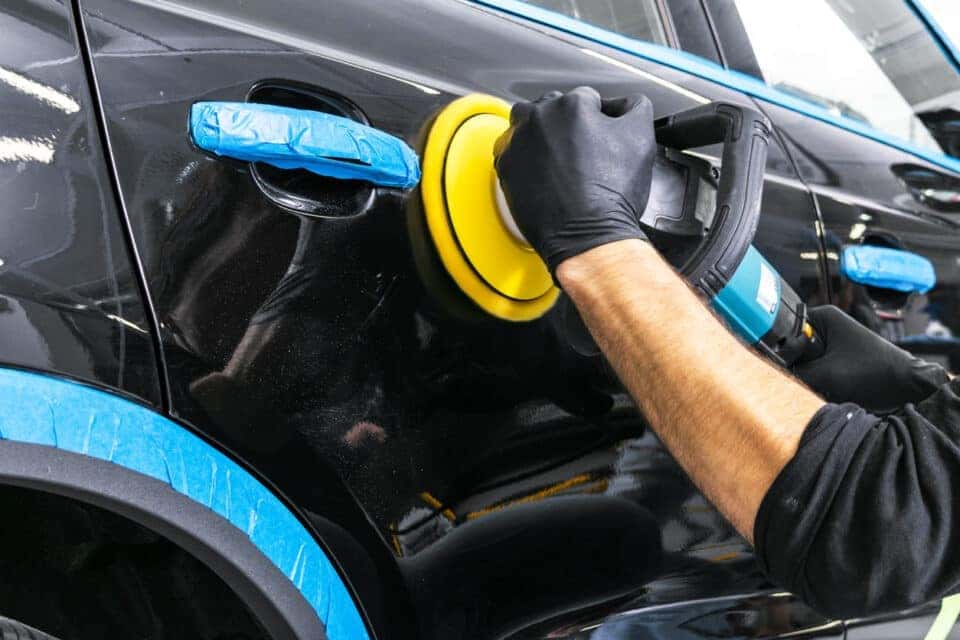
Use painter’s tape to cover trim, rubber seals, and plastic parts. These materials can react badly to polish and wax. Masking stops accidental damage and keeps your car looking neat. Take your time to cover all vulnerable spots carefully.
Applying Polish By Hand
Applying polish by hand is a key step in car care. It helps remove minor scratches and restores shine. Doing it right brings out your car’s best look. This process needs patience and some careful moves. Use a soft cloth or foam applicator for best results. Work gently to avoid damaging the paint.
Techniques For Even Application
Start with a small amount of polish on your cloth. Spread it in a circular motion. Use light pressure to cover the surface evenly. Avoid pressing too hard. Keep your strokes consistent. This helps polish settle well and work effectively. Buff in small circles to reach every spot.
Working In Small Sections
Divide your car into sections, like a door or hood. Focus on one section at a time. This keeps the polish from drying too fast. It also helps you control the process better. Finish each section before moving on. Smaller areas mean better polish coverage and shine.
Removing Polish Residue
Wait a few minutes after applying polish. Then use a clean, soft microfiber cloth to wipe it off. Use gentle, circular motions to remove all residue. Check the surface for any leftover polish. Removing residue fully keeps the paint smooth and bright. It also prepares the surface for waxing.

Credit: www.youtube.com
Waxing Your Car
Waxing your car by hand protects the paint and gives it a shiny finish. It creates a barrier against dirt, water, and sun damage. Waxing also makes washing your car easier. This step is essential after polishing to keep your car looking new for longer.
Choosing The Right Wax Type
Pick a wax that fits your car’s paint and your needs. Carnauba wax offers a deep, natural shine. Synthetic wax lasts longer and resists weather better. Some waxes combine both for shine and durability. Check the product label for easy application tips.
Applying Wax Smoothly
Use a clean, soft foam applicator or microfiber cloth. Apply a small amount of wax in circular motions. Work on one small section at a time. Avoid thick layers to prevent streaks and uneven drying. Let the wax dry until it looks hazy or dull before buffing.
Buffing To A Shine
Use a clean microfiber towel to buff the wax. Move in gentle circular or back-and-forth motions. Buff until the haze disappears and the surface shines. Use a fresh towel for each section to avoid smudges. Buffing enhances protection and gives your car a smooth finish.
Tips For Best Results
Getting the best results from polishing and waxing your car by hand requires some simple but important tips. These tips help protect your car’s paint and keep it shiny longer. Following these steps makes the process easier and more effective.
Keep in mind the weather, how often to polish and wax, and how to avoid common mistakes. These points help you care for your car properly without wasting time or effort.
Optimal Weather Conditions
Choose a dry day with moderate temperature. Avoid direct sunlight on the car. Working in shade helps polish and wax spread evenly. High heat can make wax dry too fast. Cold weather makes products hard to apply.
Windy days may blow dust onto the car surface. Clean, calm weather is best for hand polishing and waxing. This protects your car and improves the finish quality.
Frequency Of Polishing And Waxing
Polish your car every three to six months. Polishing removes small scratches and dullness. Wax your car every six to eight weeks. Wax adds a protective layer and shine. Over-polishing can wear down paint. Too much waxing can cause buildup.
Adjust frequency based on your car’s exposure to sun, rain, and dirt. Regular care keeps the paint smooth and protected.
Avoiding Common Mistakes
Do not use dirty cloths or sponges. They can scratch the paint. Always clean the car before polishing or waxing. Avoid using too much product at once. Apply thin, even layers for best effect.
Do not rush the process. Take time to work in small sections. Avoid polishing or waxing on hot surfaces. These mistakes reduce the quality of your work.
Maintaining Your Finish
Maintaining your car’s polished and waxed finish keeps it looking fresh and new. It protects the paint and extends the shine. Simple habits and care make a big difference. Regular attention helps avoid damage and dullness.
Regular Cleaning Tips
Clean your car often with a gentle car shampoo. Use soft cloths or sponges to avoid scratches. Rinse well to remove all soap and dirt. Dry with a microfiber towel to prevent water spots. Avoid harsh chemicals that can strip wax.
Touch-up Waxing
Apply a thin layer of wax every few weeks. Use a foam applicator or soft cloth. Work in small sections and buff gently. This keeps the shine bright and smooth. Touch-up waxing restores protection lost to rain and dirt.
Protecting Against Elements
Park in shade or under a cover to reduce sun damage. Avoid parking near trees that drop sap or debris. Wash off bird droppings and bugs quickly. These can eat into the paint. Use wax with UV protection for extra defense.
Frequently Asked Questions
How Often Should I Polish And Wax My Car By Hand?
Polish and wax your car every 3 to 4 months. This maintains shine and protects the paint. Frequency depends on exposure to weather and driving conditions. Regular care prevents damage and keeps your car looking new.
What Tools Do I Need To Polish And Wax Manually?
You need a microfiber cloth, foam applicator pads, car polish, and car wax. Use clean, soft materials to avoid scratches. Proper tools ensure an even application and best results. Avoid using household rags or abrasive materials.
Can I Polish And Wax My Car In Direct Sunlight?
It’s best to avoid direct sunlight when polishing and waxing. Heat causes products to dry too fast, leading to streaks. Work in a shaded, cool area for smooth application and better protection. This ensures a flawless finish.
What’s The Difference Between Polishing And Waxing A Car?
Polishing removes minor scratches and smooths the paint surface. Waxing adds a protective layer and enhances shine. Both steps are essential for a deep, lasting finish. Polishing prepares the surface; waxing seals and protects it.
Conclusion
Polishing and waxing your car by hand keeps its paint shiny and protected. Take your time and follow each step carefully. Use soft cloths and gentle pressure to avoid scratches. Regular care helps your car look newer for longer. Enjoy the smooth finish and extra shine you create.
This simple routine saves money and boosts your car’s value. Try it yourself and see the difference in your car’s appearance. Small effort, big results.

