
Are your brake rotors worn out and causing trouble? Old brake rotors can make your car noisy, reduce braking power, and even be unsafe.
If you want to fix this problem quickly and save money, you’ve come to the right place. You’ll learn simple steps to get rid of old brake rotors and keep your vehicle running smoothly. Keep reading—you’ll discover easy tips that anyone can follow to improve your brakes and feel confident on the road again.
Signs Of Worn Brake Rotors
Worn brake rotors affect your car’s safety and performance. Knowing the signs helps you act quickly. This section covers key signs of worn brake rotors. Spotting these signs saves money and avoids bigger repairs.
Common Wear Indicators
Brake rotors wear out over time. One sign is a pulsing feeling when braking. This happens because the rotor surface is uneven. You may hear squealing or grinding noises. These sounds mean the rotors or pads are damaged. Visible grooves or cracks on the rotor surface also signal wear. Rust buildup, especially around the edges, weakens the rotors. If your brake pedal feels soft or low, rotors might be the cause.
When To Replace Rotors
Replace rotors if you feel vibration while braking. Deep grooves or cracks require immediate replacement. If rotor thickness is below the manufacturer’s minimum, change them. Noise that continues after replacing brake pads means rotor trouble. Rust that cannot be cleaned off weakens the rotor’s strength. Replace rotors during brake pad changes if wear is severe. Timely replacement keeps braking smooth and safe.
Credit: www.slashgear.com
Tools Needed For Removal
Removing old brake rotors requires the right set of tools. Without proper tools, the job can become difficult and unsafe. Gathering everything before starting saves time and effort. Tools help loosen tight bolts and safely take off the rotors. Using the correct equipment protects the car parts and yourself.
Basic Tools List
- Socket wrench set – for removing bolts
- Breaker bar – to loosen very tight bolts
- Flathead screwdriver – to pry off the rotor
- Rubber mallet – to gently tap the rotor loose
- Brake cleaner spray – to clean the rotor surface
- Wire brush – to remove rust and dirt
- Jack and jack stands – to lift and secure the car
Safety Gear Essentials
- Safety glasses – protect eyes from dust and debris
- Mechanic gloves – keep hands safe and clean
- Dust mask – avoid breathing brake dust
- Closed-toe shoes – protect feet from falling tools
Step-by-step Rotor Removal
Removing old brake rotors is a key part of car maintenance. It helps keep your brakes working well and your driving safe. This guide breaks down the rotor removal process into simple steps. Follow each step carefully for the best results.
Preparing The Vehicle
Park your car on a flat surface. Turn off the engine and engage the parking brake. Use wheel chocks to stop the car from moving. Loosen the lug nuts on the wheel slightly. Do not remove them yet. This step makes it easier to take off the wheel later.
Removing The Wheel
Lift the vehicle with a jack until the wheel is off the ground. Support the car with jack stands for safety. Remove the lug nuts completely. Pull the wheel straight off. Set the wheel aside carefully to avoid damage.
Taking Off The Brake Caliper
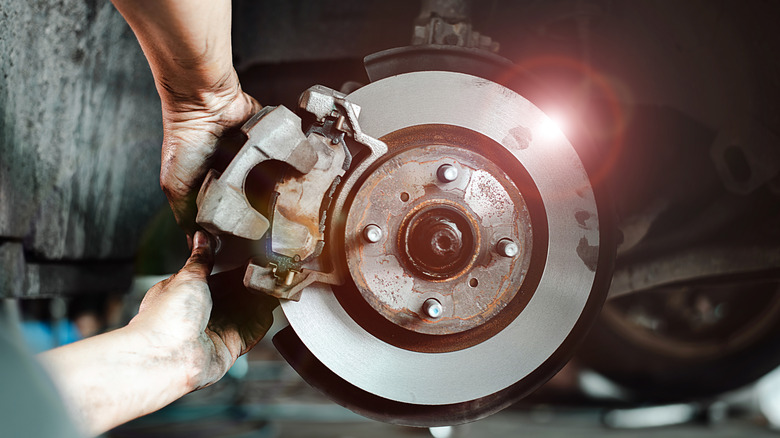
Locate the brake caliper attached to the rotor. Use a wrench to remove the caliper bolts. Slide the caliper off the rotor gently. Do not let the caliper hang by the brake hose. Use a hook or rest it on a secure surface.
Detaching The Rotor
Check if the rotor is held by screws. Remove any screws with a screwdriver. Tap the rotor lightly with a rubber mallet to loosen it. Pull the rotor straight off the hub. If stuck, repeat tapping until it comes free.

Credit: www.youtube.com
Cleaning And Inspecting Rotors
Cleaning and inspecting brake rotors is a key step in maintaining car safety. Dirt, rust, and damage can affect how well the brakes work. Taking time to clean the rotors helps you see their true condition. This makes it easier to decide if they can be reused or need replacing.
Start by removing dust and rust with a wire brush or brake cleaner. Wipe the surface with a clean cloth. Make sure the rotors are dry before the next step.
Checking For Damage
Look closely at the rotor surface for cracks or deep grooves. Check for warping by placing the rotor on a flat surface. Use a dial gauge to measure thickness. If the rotor is too thin, it can be unsafe. Also, look for rust spots that go deep into the metal.
Deciding On Reuse Or Disposal
Rotors without cracks and with minimal wear can be reused. If the surface is smooth and thickness is within limits, cleaning is enough. Rotors with cracks, heavy grooves, or warping should be replaced. Thin rotors can fail under stress. Old or damaged rotors must be disposed of safely. Many auto shops accept used rotors for recycling.
Safe Disposal Methods
Old brake rotors should not be thrown away carelessly. They contain metal and other materials that can harm the environment. Safe disposal keeps people and nature safe. It also helps reuse valuable metals. Follow these methods to dispose of brake rotors responsibly.
Recycling Options
Brake rotors are mostly made of steel and iron. These metals can be recycled easily. Take old rotors to a scrap metal recycler. Many recycling centers accept brake rotors for free or a small fee. Recycling saves energy and reduces waste in landfills. It also recovers metals for new products.
Local Disposal Regulations
Rules for disposing of brake parts vary by location. Some cities have special collection days for metal waste. Others require drop-off at designated centers. Check your local government’s website or call waste services. Follow their instructions to avoid fines. Proper disposal keeps your community clean and safe.
Avoiding Environmental Harm
Never burn or bury brake rotors. This can release harmful chemicals into the soil and air. Avoid throwing them in regular trash bins. Brake rotors contain metal dust and residues. These can pollute water and land if not handled correctly. Use proper recycling or disposal to protect the environment.
Tips For Handling Old Rotors
Handling old brake rotors needs care and attention. These parts can be heavy and sharp. Proper tips help keep you safe and organized. Follow simple steps to store and dispose of rotors correctly.
Storing old rotors before disposal keeps your workspace clean. It also prevents accidents and damage. Proper handling makes the whole process easier.
Storage Before Disposal
Keep old rotors in a dry, safe place. Avoid stacking them too high to prevent falling. Use a sturdy container or box for storage. Label the container clearly to avoid confusion. Store rotors away from children and pets. This reduces risk and keeps the area tidy.
Preventing Injury
Wear thick gloves to protect your hands from sharp edges. Use safety glasses to shield your eyes from dust. Lift rotors carefully to avoid muscle strain. Do not drop rotors on hard surfaces to prevent cracks. Keep your workspace clean and free of obstacles. These steps reduce injury risk during handling.

Credit: king-racing.com
Frequently Asked Questions
How Do I Safely Remove Old Brake Rotors?
To remove old brake rotors safely, first lift the vehicle and secure it. Remove the wheel, caliper, and caliper bracket. Then, gently tap the rotor with a mallet to loosen it. Always wear safety gloves and goggles during the process to protect yourself.
Can I Reuse Old Brake Rotors After Removal?
Old brake rotors can be reused if they are not warped or excessively worn. Measure rotor thickness and check for cracks or deep grooves. If they meet manufacturer specifications and are in good condition, resurfacing may be possible before reuse.
What Tools Are Needed To Remove Brake Rotors?
You need a jack, lug wrench, socket set, screwdriver, and a rubber mallet to remove brake rotors. Additionally, penetrating oil helps loosen stuck rotors. Having gloves and safety glasses is important for protection during the process.
How Do I Dispose Of Old Brake Rotors Properly?
Dispose of old brake rotors at a local recycling center that accepts scrap metal. Many auto shops also offer disposal services. Avoid throwing them in regular trash to protect the environment and comply with regulations.
Conclusion
Old brake rotors can cause safety issues and reduce car performance. Removing them carefully protects your vehicle and ensures smooth braking. Follow the steps to avoid mistakes and save money. Proper tools and patience make the job easier. Regular checks help spot rotor problems early.
Keep your brakes in good shape for safe driving. Taking action today prevents bigger repairs tomorrow. Remember, a safe car means peace of mind on every trip.


