

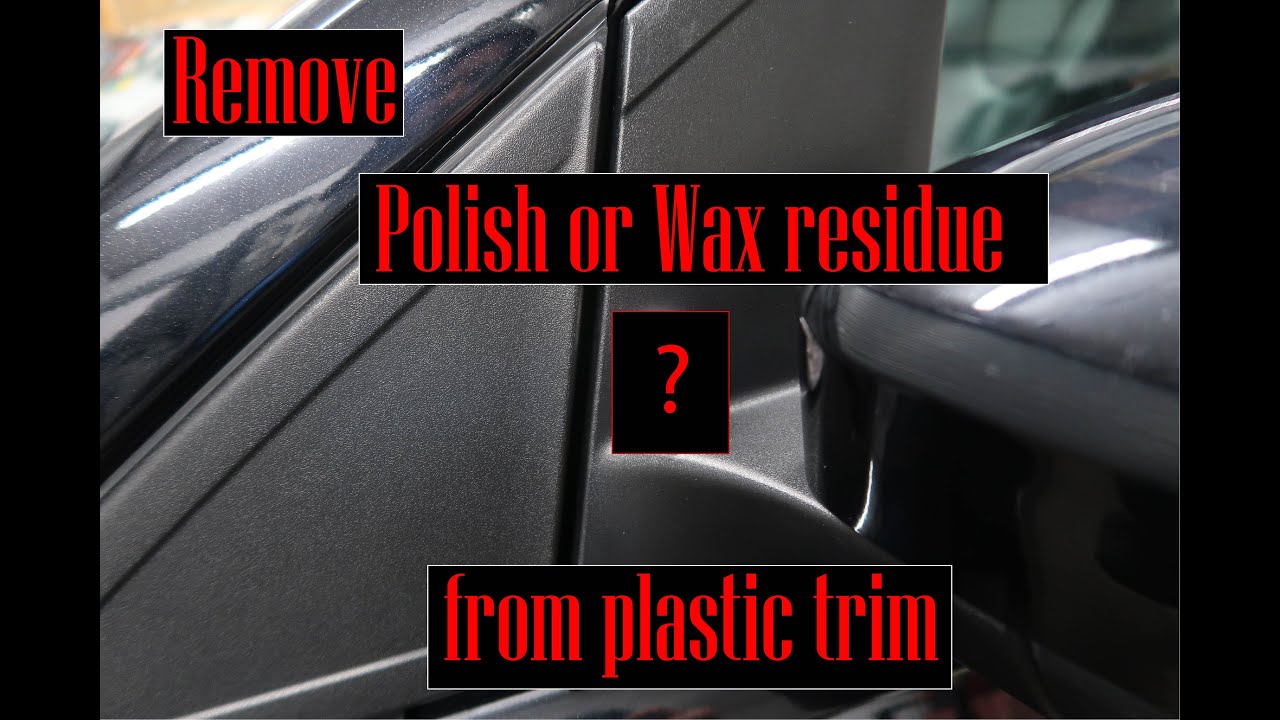
You’ve just finished waxing your car, and it looks great—except for one problem. Your plastic trim now has stubborn wax residue that won’t come off no matter how hard you try.
This sticky leftover can dull the shine and make your car look less than perfect. But don’t worry—you’re about to learn simple, effective ways to get rid of that wax residue quickly and safely. Keep reading, and you’ll discover easy steps that restore your plastic trim to its clean, smooth finish.
Your car deserves to look its best, and you’re just moments away from making that happen.

Credit: www.reddit.com
Causes Of Wax Residue On Plastic Trim
Wax residue on plastic trim is a common problem car owners face. It often happens after waxing the vehicle. The residue can make the trim look dull and dirty. Understanding the causes helps prevent and remove it effectively.
Common Wax Application Mistakes
Applying too much wax is a frequent mistake. Thick layers do not dry well on plastic surfaces. Wax can build up in grooves and edges of the trim. Skipping the drying time before wiping also leaves residue. Using the wrong type of wax for plastic parts worsens the issue. Some waxes are made only for painted surfaces, not plastics.
Environmental Factors Affecting Trim
Sunlight and heat can soften wax on plastic trim. This causes it to spread and stick unevenly. Dust and dirt mix with the wax, making residue more visible. Rain or moisture can react with wax, creating streaks. Pollution and road grime add layers that trap wax residue. These factors make plastic trim harder to clean after waxing.

Credit: www.reddit.com
Tools And Materials Needed
Removing car wax residue from plastic trim needs the right tools and materials. Using safe products protects the plastic. Choosing the right cloths and brushes makes cleaning easier. Prepare these items before starting for best results.
Safe Cleaners For Plastic Trim
Pick cleaners made for plastic surfaces. Avoid harsh chemicals like acetone or alcohol. These can damage the trim. Mild soap mixed with water works well. You can also use specialized plastic trim cleaners. These remove wax without harming the plastic. Always test a small area first to check for any reaction.
Recommended Cloths And Brushes
Use soft microfiber cloths to avoid scratches. Microfiber picks up wax residue effectively. Avoid rough or abrasive cloths. For tough spots, use a soft-bristle brush. A small detailing brush helps reach tight areas. Keep brushes clean to prevent dirt from scratching the trim.
Step-by-step Removal Process
Removing car wax residue from plastic trim requires care and patience. Follow these clear steps to clean the surface without damage. The process is simple and effective. It helps restore the trim’s original look and feel.
Preparing The Area
Start by parking your car in a shaded, dry place. Clean the plastic trim with mild soap and water. Use a soft cloth to remove dirt and dust. Dry the area completely before applying any cleaner. This step prevents scratches during cleaning.
Applying Cleaner Safely
Choose a plastic-safe cleaner or a gentle wax remover. Test the cleaner on a small, hidden part first. Use a soft cloth to apply the cleaner lightly. Avoid harsh chemicals that can damage plastic. Apply only enough cleaner to cover the wax residue.
Removing Residue Gently
Rub the area with the cloth in small, circular motions. Do not press too hard to avoid scratches. Keep rubbing until the wax residue softens and lifts. Use a clean part of the cloth to wipe away loosened wax. Repeat if some residue remains.
Rinsing And Drying
Rinse the trim with clean water to remove any cleaner residue. Use a damp cloth to wipe the area gently. Dry the plastic trim with a soft, dry towel. Ensure no moisture stays on the surface to prevent spots.
Homemade Remedies For Wax Removal
Removing car wax residue from plastic trim does not require harsh chemicals. Homemade remedies use common kitchen ingredients. These solutions are gentle on plastic and easy to apply. They save money and reduce exposure to strong cleaners.
Try these simple methods to clear wax residue safely. Each option uses items you likely have at home.
Using Vinegar Solutions
White vinegar is a natural cleaner that cuts through wax. Mix equal parts vinegar and warm water. Dip a soft cloth in the solution. Gently rub the plastic trim in small circles. The vinegar breaks down wax buildup without damaging the surface.
After wiping, rinse the trim with clean water. Dry with a soft towel to avoid streaks. Repeat if some wax still remains. Vinegar’s mild acidity is safe for most plastic trims.
Olive Oil And Baking Soda Method
Olive oil softens wax while baking soda scrubs gently. Mix two tablespoons of olive oil with one tablespoon of baking soda. Stir until it forms a smooth paste. Apply the paste to the wax residue using a soft cloth.
Rub lightly in circular motions. The baking soda lifts the wax without scratching. Let the paste sit for five minutes. Wipe off with a clean damp cloth. Finish by drying the trim well.
This method nourishes the plastic and removes stubborn wax spots. It is safe and easy to use regularly.
Preventing Future Wax Residue
Preventing wax residue on plastic trim keeps your car looking clean and sharp. It reduces the need for extra cleaning and protects the trim’s finish. Simple steps during waxing can save time and effort later.
Careful wax application and protecting the trim help avoid buildup. These tips ensure a smooth, residue-free result every time.
Proper Wax Application Techniques
Use a small amount of wax on a soft cloth or applicator pad. Spread the wax evenly and avoid thick layers. Work in small sections to control the application. Wipe off excess wax quickly with a clean microfiber towel. Do not let wax dry on plastic trim. Dry wax is harder to remove and leaves residue.
Protecting Plastic Trim During Waxing
Cover plastic trim with masking tape before waxing nearby areas. This creates a barrier and stops wax from sticking. Use painter’s tape or automotive masking tape for easy removal. Avoid spraying wax directly onto plastic trim. Instead, apply wax to the car’s painted surfaces first. This method keeps trim clean and free from residue. After waxing, remove tape carefully to prevent damage.
When To Seek Professional Help
Removing car wax residue from plastic trim can be tricky. Some problems need expert help to avoid damage. Knowing when to seek professional help saves time and protects your car.
Signs Of Damage To Plastic Trim
Look for fading or discoloration on the plastic trim. Scratches or cracks may appear after trying to clean wax residue. Sticky or greasy patches that won’t come off are warning signs. If the trim feels brittle or soft, it could be damaged. These issues need expert attention to prevent worsening.
Choosing A Detailer
Pick a detailer with experience in plastic trim care. Check reviews and ask for before-and-after photos. A good detailer uses safe products that do not harm plastic. They explain the cleaning process clearly. Choose someone who offers a guarantee for their work.
Credit: www.youtube.com
Frequently Asked Questions
How Can I Safely Remove Wax From Plastic Trim?
Use a mild soap and warm water with a soft cloth. Avoid harsh chemicals that can damage the plastic. Gently scrub the area until the wax residue lifts. Rinse and dry thoroughly to prevent streaks or further buildup.
What Household Items Remove Car Wax Residue On Plastic?
White vinegar or rubbing alcohol works well to break down wax residue. Apply with a soft cloth and gently wipe the affected area. These items are effective and safe for most plastic trims when used carefully.
Can Car Wax Damage Plastic Trim?
Yes, if left on too long, car wax can cause discoloration or a cloudy appearance on plastic trim. It’s important to remove wax residue promptly to maintain the plastic’s original look and avoid long-term damage.
Is It Necessary To Use A Plastic Trim Restorer After Removing Wax?
Using a plastic trim restorer is recommended after wax removal. It helps restore the trim’s color and shine, protecting it from UV damage. This step enhances the overall appearance and durability of the plastic trim.
Conclusion
Removing car wax residue from plastic trim is simple with the right steps. Use gentle cleaners and soft cloths to avoid damage. Take your time and clean carefully for the best results. Regular care keeps your trim looking new and shiny.
A little effort goes a long way in maintaining your car’s appearance. Keep these tips handy for easy cleanup whenever needed. Clean trim makes your car look fresh and well-kept. Try these methods to enjoy a neat, wax-free finish every time.

