

Are you wondering how much rotors and brake pads will cost to replace? If your brakes are making noise or not stopping as smoothly as before, it’s time to find out what you might spend.
Knowing the price upfront helps you avoid surprises and keeps your car safe on the road. You’ll get clear answers about the costs involved, so you can make smart decisions for your vehicle and budget. Keep reading to learn what affects prices and how to get the best value for your money.
Credit: omegaautocare.com
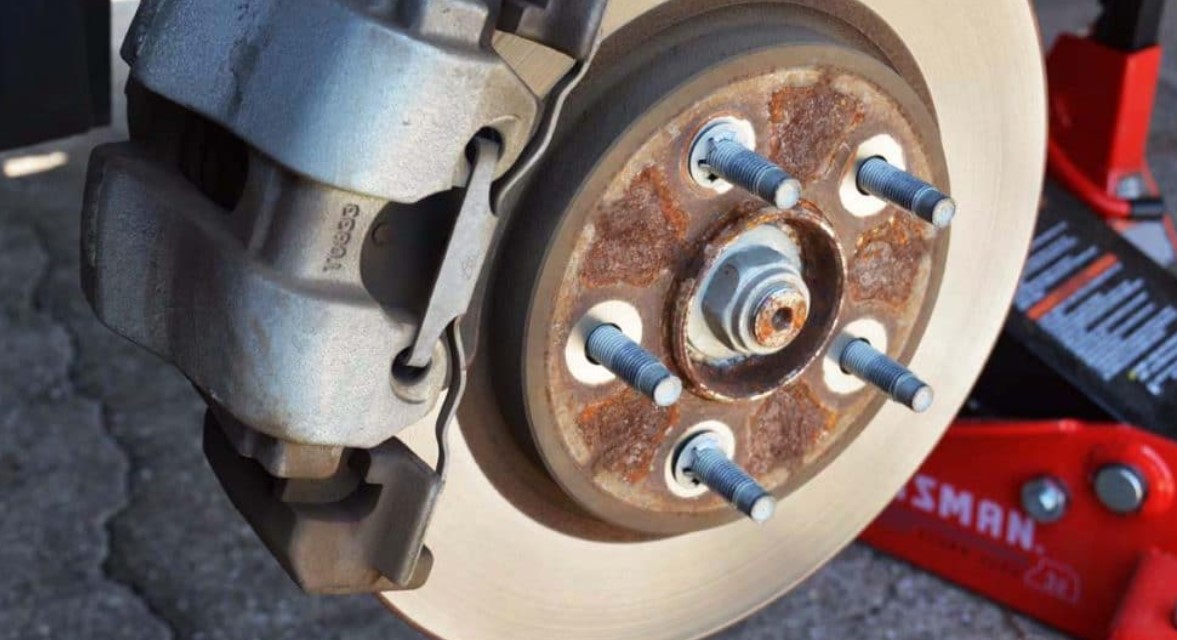
Factors Affecting Rotor Costs
Rotor costs vary widely based on several key factors. Understanding these elements helps you estimate the price better. The type of material, vehicle specifics, and rotor design all impact the cost. These points explain why prices differ so much.
Material Types
Rotors come in various materials, affecting their price. Cast iron is common and affordable. It works well for daily driving and lasts long enough.
Steel rotors offer better heat resistance but cost more. Carbon-ceramic rotors provide top performance and last longest. These are expensive and mostly used in sports cars.
Vehicle Make And Model
Different cars need different rotors, changing the price. Luxury and sports cars often require special rotors. These parts cost more due to design and quality demands.
Standard vehicles use more common rotors that cost less. Older or rare models may have harder-to-find rotors. This scarcity can increase the price significantly.
Performance Vs Standard Rotors
Performance rotors are designed for heavy use and better braking. They include features like drilled holes or slots. These extras help cool the brakes but add to the cost.
Standard rotors serve everyday driving needs. They are simpler and cheaper. Choosing performance rotors depends on your driving style and budget.
Credit: www.aaa.com
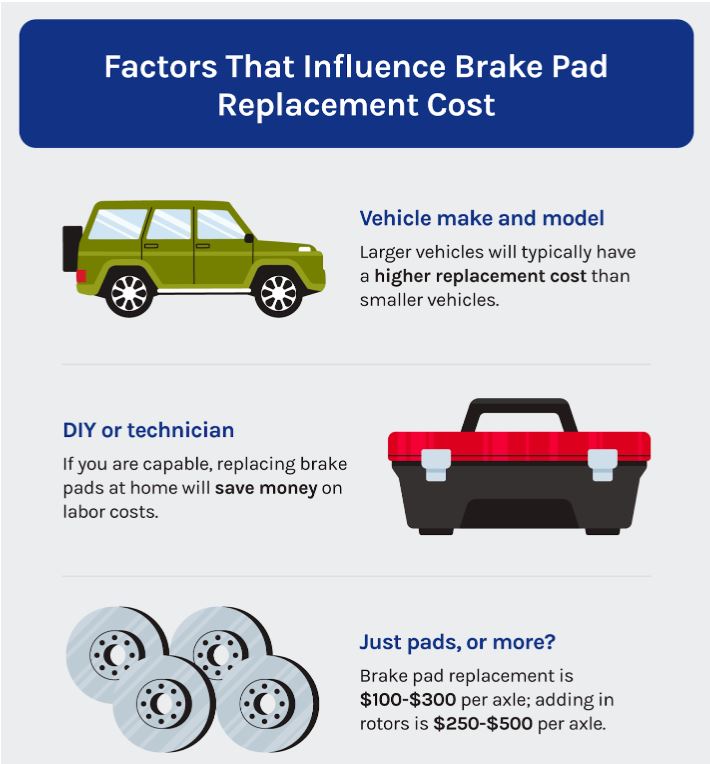
Brake Pad Price Variations
Brake pads come in many types and prices vary a lot. The material of the pads affects their cost and performance. Different brands and car models also change how much you pay. Understanding these factors helps you pick the right pads for your budget and needs.
Organic, Semi-metallic, And Ceramic Pads
Organic pads are usually the cheapest option. They use natural fibers and materials. These pads work well for everyday driving but wear out faster. Semi-metallic pads mix metal with other materials. They cost a bit more but last longer and cool better. Ceramic pads are the most expensive. They offer quiet braking and less dust. Their long life and strong performance justify the higher price.
Brand Influence On Cost
Popular brands often charge more for brake pads. Trusted names provide better quality and warranty. Cheaper brands may save money but risk quicker wear. Brand reputation affects price because of quality control and materials used. Investing in a known brand can reduce future repair costs.
Impact Of Vehicle Specifications
Different cars need different brake pads. High-performance or luxury vehicles require special pads. Larger vehicles often need stronger, more expensive pads. Your car’s size, weight, and brake system affect pad price. Always check your vehicle’s manual for recommended types.
Average Costs For Rotors
Rotors are a key part of your vehicle’s braking system. Their cost varies based on quality and brand. Knowing the average prices helps you plan your budget better. Prices depend on materials, design, and performance levels.
Economy Range
Economy rotors cost between $30 and $60 each. These rotors suit daily driving and light use. They are made from basic materials and have a simple design. Perfect for budget-conscious drivers with standard cars. They provide reliable stopping power but may wear faster.
Mid-range Options
Mid-range rotors usually cost $60 to $120 each. They offer better durability and heat resistance. Made from higher quality metal or coated for rust protection. Ideal for drivers who want longer life and improved braking. These rotors handle more stress than economy versions.
Premium And Performance Rotors
Premium rotors can cost $120 to $250 or more each. Built for high performance and tough conditions. Often feature drilled or slotted designs to improve cooling. Used in sports cars, trucks, and heavy-duty vehicles. These rotors last longer and enhance braking response.
Average Costs For Brake Pads
Brake pads are a key part of your car’s safety system. They wear out over time and need replacement. Knowing the average cost helps plan your budget. Prices vary based on quality and performance. Here is a clear look at typical costs for brake pads.
Budget Pads Pricing
Budget brake pads offer a low-cost option for drivers. They usually cost between $20 and $40 per set. These pads work well for everyday driving. They last shorter than other types but keep costs low. Ideal for older cars or light use.
Standard Pads Pricing
Standard brake pads fall in the mid-price range. Expect to pay about $40 to $70 per set. They provide better stopping power and last longer. Made from semi-metallic or ceramic materials. A good balance of price and performance for most drivers.
High-performance Pads Pricing
High-performance brake pads cost more, around $70 to $150 per set. Designed for sporty or heavy-duty vehicles. They offer superior grip and heat resistance. These pads last longer under tough conditions. Best for drivers who need extra braking power.
Additional Expenses To Consider
Knowing the price of rotors and brake pads is just the start. Several extra costs may come up during brake replacement. These additional expenses can affect your total bill. Understanding them helps you plan your budget better.
Labor Charges
Replacing rotors and brake pads takes time and skill. Mechanics usually charge for their labor by the hour. Labor costs vary by location and shop. Some shops may charge a flat fee. Always ask about labor rates before service.
Hardware And Accessories
New hardware often comes with brake jobs. This includes clips, pins, and shims. These small parts help brakes work well. Sometimes, shops charge extra for these pieces. Make sure to check if hardware is included in the price.
Potential Hidden Costs
Hidden costs can surprise you. Your car might need brake fluid replacement or cleaning. Some rotors need special machining before use. Damaged parts like calipers may need fixing too. Ask the mechanic to explain any extra charges.
Cost-saving Tips For Brake Maintenance
Brake maintenance can cost a lot over time. Saving money on rotors and brake pads helps your budget. Smart choices keep your car safe without spending too much. Here are some tips to cut costs on brake parts and service.
Buying Parts Online Vs Local Stores
Online stores often offer lower prices on brake parts. You can compare many brands and find deals easily. Beware of extra shipping fees and delivery time. Local stores let you see parts before buying. They offer advice and faster exchanges. Choose based on price, trust, and convenience.
When To Diy
Changing brake pads and rotors yourself saves labor costs. Basic tools and videos help beginners. Avoid DIY if unsure about skills or tools. Mistakes can cause damage or unsafe brakes. Small tasks suit DIY; complex repairs need a mechanic. Safety first always.
Choosing Quality Over Price
Cheap brake parts can wear out fast or fail. Good quality parts last longer and perform better. Spending a bit more protects your car and safety. Check reviews and brand reputation before buying. Balance cost and quality to avoid extra expenses later.
Signs You Need To Replace Rotors And Pads
Rotors and brake pads wear out over time. Knowing the signs helps keep your car safe. It can also save money by avoiding bigger repairs. Watch for changes in how your brakes feel and sound. These clues tell you when to replace parts.
Wear Indicators
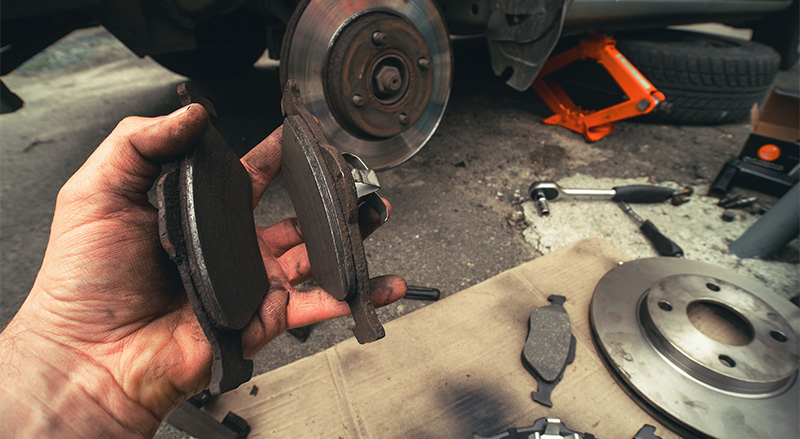
Many brake pads have small metal strips called wear indicators. They make a high-pitched squealing noise when pads get thin. This noise means the pads need replacing soon. Some rotors show grooves or cracks on the surface. These signs mean the rotor is worn out and must be replaced.
Noise And Vibration Symptoms
Squeaking or grinding sounds during braking signal worn pads or rotors. Grinding means metal is rubbing on metal, which is bad. Vibrations or shaking in the brake pedal or steering wheel also show rotor problems. These noises and shakes mean it’s time to check your brakes.
Performance Decline
Longer stopping distances mean brake parts are failing. If the brakes feel soft or spongy, pads or rotors may be bad. A brake pedal that sinks toward the floor is a warning sign. Reduced braking power means it is unsafe to drive. Replace rotors and pads to restore proper braking.
Credit: blog.napacanada.com
Frequently Asked Questions
How Much Do Brake Pads Usually Cost?
Brake pads typically cost between $30 and $75 per set. Prices vary depending on the vehicle make and quality. Premium or performance brake pads may cost more. Installation fees can add to the total expense.
What Is The Average Price For Brake Rotors?
Brake rotors generally range from $40 to $100 each. Costs depend on rotor type and vehicle model. High-performance rotors or specialty materials increase prices. Labor charges for replacement can also affect the overall cost.
Can I Replace Brake Pads And Rotors Myself?
Yes, if you have basic mechanical skills and proper tools. DIY replacement can save labor costs but requires caution. Incorrect installation may cause brake failure or damage. Always follow safety guidelines and vehicle manuals.
How Often Should Brake Pads And Rotors Be Replaced?
Brake pads usually last 30,000 to 70,000 miles. Rotors last longer but may need replacement every 50,000 to 70,000 miles. Driving habits and conditions affect wear rates. Regular inspections help ensure timely replacement.
Conclusion
Brake rotors and pads costs depend on your car and parts quality. Choosing the right parts helps keep your vehicle safe. Regular checks prevent costly repairs later on. Shop around to find fair prices that fit your budget. Remember, good brakes mean better control and peace of mind.
Don’t delay maintenance to avoid bigger expenses. Stay informed to make smart decisions for your car. Simple care keeps your brakes working well for a long time. Safety and savings go hand in hand.


